
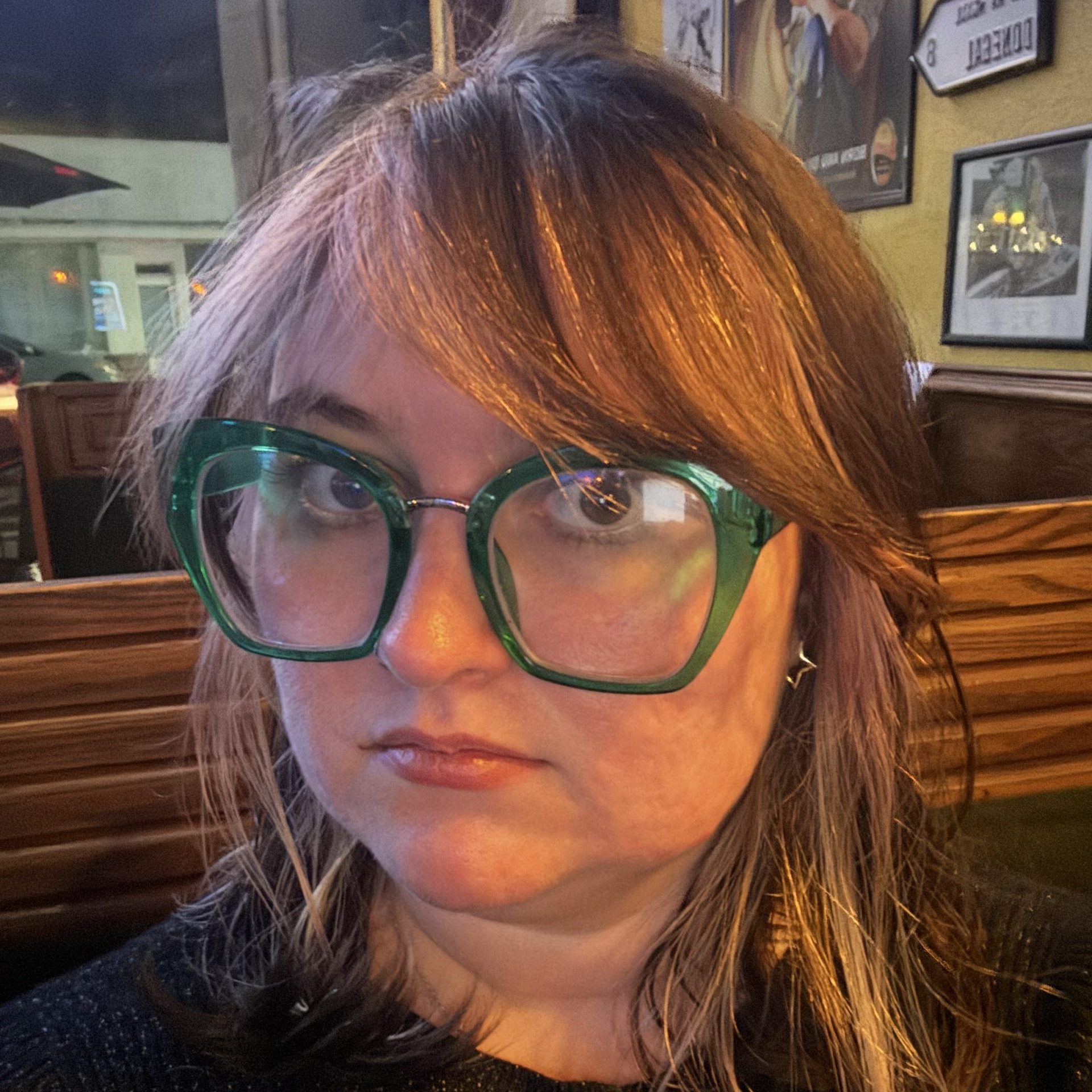

Natalie Nakase eats breakfast now. In the days since her brief collapse on the sidelines during the first round of the WNBA playoffs, the 46-year-old Golden State Valkyries head coach has had to refocus on her health.
Her sister has given her a morning game plan, stocking Nakase’s house with supplies. And now her assistant coaches are also keeping an eye on their leader, who admitted at a recent press conference that she often gets so immersed in strategizing that she forgets to eat.
While she is working on taking care of herself, the intensity is just part of who Nakase is. And it is a big part of why her Golden State Valkyries are going to the WNBA Finals in just their second year of existence and her second year as a head coach.
“A lot of coaches say that you kind of coach based off the way you played and like the player that you are,” Nakase said. “I don’t think you can fake who you are.”
And who is Nakase? Born in Huntington Beach, California, Nakase grew up in a Japanese American family obsessed with basketball, thanks to her father, Gary Nakase.
She was a walk-on at UCLA – meaning she was not recruited there but showed up to tryouts and at 5-foot-2 earned her spot in a powerhouse Division I basketball program. She went on to become the Bruins starting point guard and team captain, eventually going overseas to play professionally. She got there by outworking and outthinking her competition.
Long before Nakase became a coach, people around her thought she might. Her former high school coach, Pete Bonny, recalled Nakase drawing plays up in the huddle when she was just a teenager, always with an eye on how to execute.
The transition to coaching happened when Nakase was sidelined by an injury. She began her coaching career at the bottom, as an intern for the Los Angeles Clippers, a basketball team in the NBA. In that role she coordinated videos so that the coaches and players could review tape and strategize against opponents.
Like her time as a player at UCLA, Nakase’s work ethic propelled her to greater heights and she was often the first woman, or the first Japanese American or the first Japanese American woman to reach those places. She went from intern, to assistant coach for the Clippers minor league squad, to becoming the first female head coach of a men’s professional team in Japan’s top professional basketball league.
More recently, Nakase won WNBA championships as an assistant coach for the Las Vegas Aces, the team she just had to defeat to get the Valkyries to the finals.
“She’s been working her tail off to get to this point,” Aces center A’ja Wilson said of Nakase’s success as a head coach. “It was just a matter of time.”
“She’s just doing what she’s kind of always done, outworking and outpreparing everyone,” Nakase’s high school coach, Bonny, added.
No one, however, would have guessed that getting to the finals would have happened so quickly for Golden State. Not even the Valkyries owner Joe Lacob, who predicted — along with Nakase — they’d win a championship in the first five years. At the time that Lacob hired her and they agreed on that target, the team did not yet exist.

But Nakase was on it. She took her expansion team to the playoffs in their first year, winning the 2025 coach of the year award.
She did this by executing game plans that have never worked this well in the WNBA before, at least in recent memory — instead of relying on a superstar, Nakase deployed a lineup built on collective defense and depth. The Valkyries formed a team of “sixth women” — many who had never gotten to be stars in the WNBA before, several who had gone undrafted or been cut from the league.
And now she has led the Valkyries to the WNBA finals after a 23-win season that shocked just about everyone.
Basketball strategy aside, Nakase created a culture grounded in an unrelenting belief in the players chosen for the team, encouraging them to be their “full selves.”
“I came here just because I just wanted someone to believe in me,” said Gabby Williams, the Valkyries first real star acquired during free agency before the 2026 season. That belief and acceptance is something Williams acknowledged she had not gotten elsewhere in the W.
When WNBA basketball was overshadowed by anti-trans backlash earlier this year, Williams and Nakase were both clear that they stood for inclusion.
“I’m all about women, little girls deserving to play, and that includes trans women,” Nakase said in August. “I’m all about inclusivity.”
Nakase’s decisiveness on the matter stood in sharp contrast to other coaches and franchises that chose not to engage, even when anti-trans protesters were gathering outside their arenas. That leadership has mattered to Golden State’s players and to the many queer fans who fill Ballhalla.
Those fans and the team’s commitment to being themselves have been a kind of superpower this season, on top of their very successful defensive-oriented, next-woman-up approach to basketball.
In a year when scoring has been higher than ever across the league, the Valkyries have stood on defense — Nakase’s own speciality as a player. Golden State had the best defense in the WNBA this season by rating and they held their opposition to the lowest points in the league, goals Nakase set before this season.
They did that with immense talent — players like Williams, Kiah Stokes and Veronica Burton — and with strategy that Nakase painstakingly develops watching tape.
“She’s always watching film. She’s always trying to be better,” Valkyries guard Kaila Charles said.
It’s true. More often than not, Nakase is in the film room, a tendency that perhaps harkens back to her first coaching internship. She said this week at practice that it was her excitement watching film that sometimes left her forgetting to eat.
“I need to do a better job,” she said. “I’m just so excited with film and game planning, so I just forget.”
Nakase’s mid-game collapse means she now wears a heart monitor — mostly out of an interest in what the numbers will tell her, she says — but she is as locked in as she’s always been. That’s just who Natalie Nakase is.
“This is a dream come true to be going to the finals in our second year,” Nakase said. “But we’re not done yet.”
The Valkyries host the Atlanta Dream in Game 1 of the WNBA finals on Saturday at 12:30p.m. If you can’t make it to Ballhalla, there are watch parties all over the Bay Area. Check out “the ultimate map of Valkyries fandom” from WNBA Rough Notes to see where they are happening.

This story is in partnership with Valkyries Beat, a daily newsletter covering the Golden State Valkyries. Subscribe here to get the latest in your inbox.