

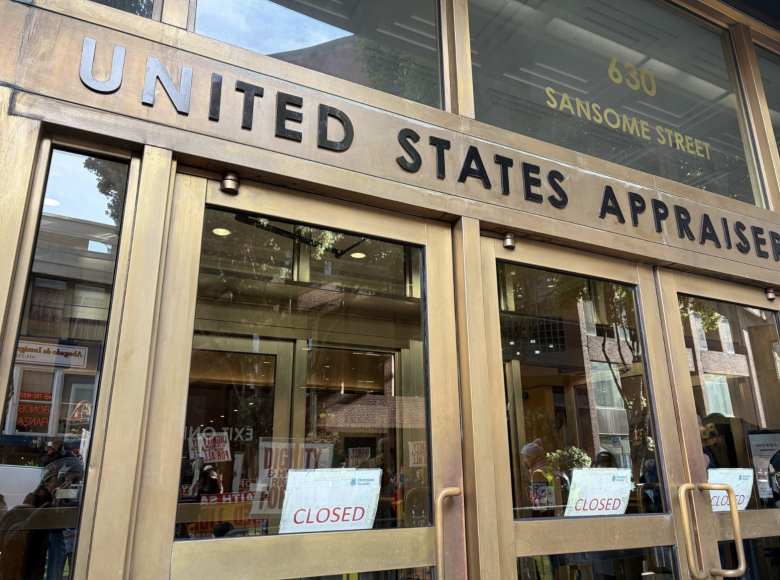

Mission Local has put together a guide for how to spot an immigration scam to accompany the piece below. You can read that guide here.
In the months leading up to his immigration hearing, Leon Garcia was desperate for legal advice.
All of the nonprofits he contacted had long waiting lists, and Garcia, who is seeking asylum in the United States from South America, needed to find an attorney in time for his November court date.
Out of options, Garcia, who, like others in this piece is using a pseudonym to avoid retaliation, messaged a lawyer on WhatsApp he heard about from fellow bike messengers.
The attorney agreed to take his case, so Garcia wired the first payment: $3,200 through a Western Union transfer. He promised to pay the remaining $2,800 once the work was completed.
Weeks passed with no updates from the attorney. When Garcia called to ask how the case was going, the attorney reassured him: “I’m revising the documents,” he said. “Relax, relax. Don’t worry.”
Then, the weeks became months. Garcia’s court date loomed. “I began to question if he was a real lawyer, and if he was a good person,” Garcia said in Spanish.
When Garcia reached out again, he saw that the attorney had blocked his number. Days later, that same phone line was disconnected entirely. When he called, it gave out a sharp noise before the line cut.
Garcia was left with neither the time nor the money to find a new lawyer. He eventually appeared in immigration court without one, and now faces deportation.
Garcia, unfortunately, is not alone.
Notarios, shoddy lawyers and fake attorneys
When the need for immigration lawyers is high, like it is today, scams proliferate, said Luis Rodriguez, an attorney at Catholic Charities, which provides free legal counsel to immigrants.
Rodriguez has heard of multiple scams in recent months, including one where scammers impersonated his own organization, promising legal services to asylum-seekers and then taking their money before disappearing.
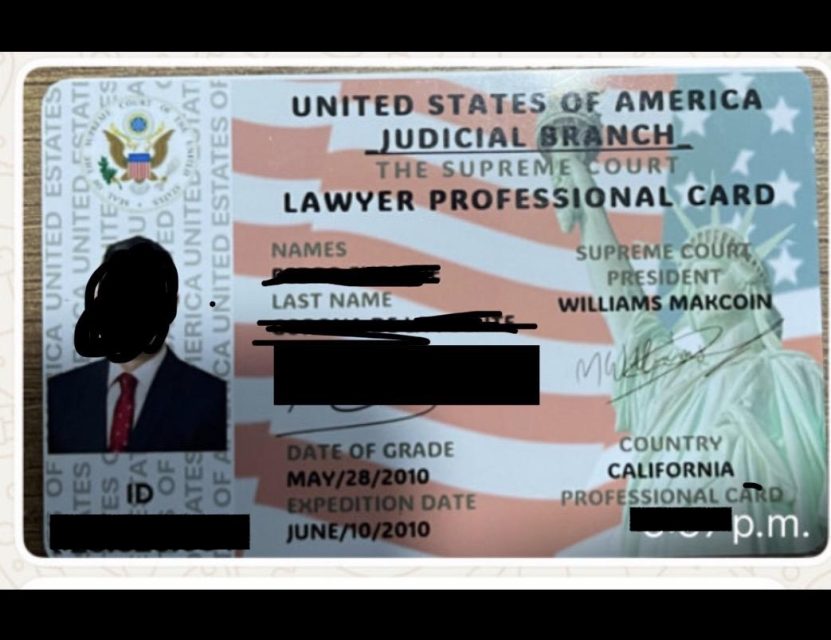
“People are getting contacted directly through WhatsApp, usually using a big name and sometimes a stolen attorney credential,” said Rodriguez.
They create a sense of urgency, ask for payment up front, and then block the client’s number once the money has been received, he said.
Dalia Blevins, a staff attorney for La Raza Centro Legal, which also provides free legal aid for immigrants, said she frequently hears about scams, and has had four clients who were victims.
She said there are three types of scams she comes across most often: Notarios offering services they are not licensed to provide, licensed attorneys who do work that is so shoddy it could be considered fraud, and people — some with no legal training at all — posing as attorneys.
Recognizing the prominence of scams in San Francisco, Supervisor Jackie Fielder from District 9 introduced a new ordinance to the Board of Supervisors on Tuesday that seeks to protect immigrants from notary fraud.
It would require individuals who notarize immigration documents to provide lists of low-cost legal aid services to each of their clients, and authorizes the city to assist those who need to file a complaint against a notary or consultant who committed fraud.
Fielder referenced the case of Leo Lacayo, a Mission District notary who was recently fined $600,000 by a San Francisco court for posing as an attorney.
Attorney fraud is on the rise. According to the Federal Trade Commission, the reported number of immigration scams more than doubled from 2023 to 2024 nationally, going from 613 reports in 2023 to 1,291 reports in 2024.
Those who are particularly vulnerable to immigration scams, said Blevins, tend to have limited literacy, or little experience fact-checking information they see on social media.
Scammers also target the friends and families of asylum-seekers who have been detained, Blevins said.
“When a loved one is detained, you’re desperate to get help.” Even savvy people can be taken advantage of, she added.
In one case, said Blevins, a Bay Area woman was detained in August, leaving behind four children, the oldest of whom was 19.
The kids found an attorney on social media whose profile seemed to check out: He was a real person who claimed to have a multinational immigration practice, and he sent them a contract to sign before he began working on their mom’s case.
But Blevins, who was working with the family as a caseworker, became suspicious when the attorney told the eldest child that their mom was eligible for bond; Blevins knew she wasn’t. She called the attorney and said he became aggressive and tried to intimidate her when she asked about the case.
Shortly after that call, they discovered that he, too, was fraudulent. He was using the name, headshot, and bar number of a real attorney in order to appear convincing. The family had already paid him $12,000.
Bay Area immigrants have lost thousands
Rodriguez said Catholic Charities began to see a rise in these scams in August; they had three cases where people lost money to impersonators, as well as a flood of calls from people who had encountered scammers.
One of them, Irma Matos (also a pseudonym), an elderly woman living in Pacifica, told Mission Local that she responded to an advertisement on Facebook for immigration help from Catholic Charities. She was living alone, not in the best of health, and desperate for a work permit.
Someone who called herself Jennifer Gonzales responded to Matos’ message, saying she was a lawyer and could help Matos get a work permit.
Matos wired $2,000 through Zelle as a down payment. When “Gonzalez” failed to follow through, Matos reached out to the San Mateo Rapid Response Hotline for help. By chance, Rodriguez, who is also a hotline volunteer, took her call.
Catholic Charities had, of course, not posted the Facebook ad. The organization never charges for its legal services.
Now, every single web page on the nonprofit’s website loads with a warning: “Catholic Charities San Francisco (CCSF) does not charge fees over the phone or through online ads. If you are contacted by someone claiming to be Catholic Charities and asking for payment, it is a scam.”
Rodriguez put Matos in touch with the California attorney general’s office, which is investigating the matter. The office did not comment on the investigation, but warned in a statement against believing in legal services that “fixes that sound too good to be true.’
Bevins said the same: Be suspicious of any attorneys who “promise the moon.” She recommended double-checking every aspect of a lawyer’s identity, and calling the attorney’s office to confirm they are listed as a client there.
Clients should also read any contract they are given carefully, she said, and have it checked out by someone who can help them verify it.
Meanwhile, Matos has been holding onto hope that she can recover some of her money.
“This has hurt me so much,” Matos said. She continued, “I pray to God that these people pay for what they’ve done” and added, “I share my story so that others don’t face this.”
In immigration court, little sympathy for scam victims
The consequences of scams are often dire. ICE arrested and detained Matos at a routine check-in two weeks ago at the city’s immigration court. She was arrested, even though she was complying with the law by showing up.
It is not yet clear what will happen with her case.
Meanwhile, the case for Garcia, the asylum-seeker from South America, remains tenuous. On a recent Thursday morning, he arrived for his asylum hearing without a lawyer. The Department of Homeland Security lawyer made a motion to move Garcia’s asylum case from the United States to Honduras.
Garcia, who is from South America, has never been to Honduras. Theoretically, he could continue to apply for asylum from there, but there is no guarantee that the Honduran government will allow him to do so.
Judge Patrick O’Brien granted Garcia a bit over a month to respond to the government’s motion — a small reprieve from the 10 days requested by the federal attorney. Now Garcia has until Jan. 20 to find an attorney to help him respond.
Outside of the courtroom, Garcia seemed calm, but visibly exhausted.
“I have to start practically from zero,” he said, with a deep exhale. “I have lost everything.”
“It was my error, because I trusted those people.”
Of Note: “Meta tolerates rampant ad fraud from China to safeguard billions in revenue”
https://www.reuters.com/investigations/meta-tolerates-rampant-ad-fraud-china-safeguard-billions-revenue-2025-12-15/