
La Raza Centro Legal’s offices were already bustling Friday by 9 a.m. About 40 people were lined up in the organization’s narrow corridors, paperwork in hand, questions for lawyers ready.
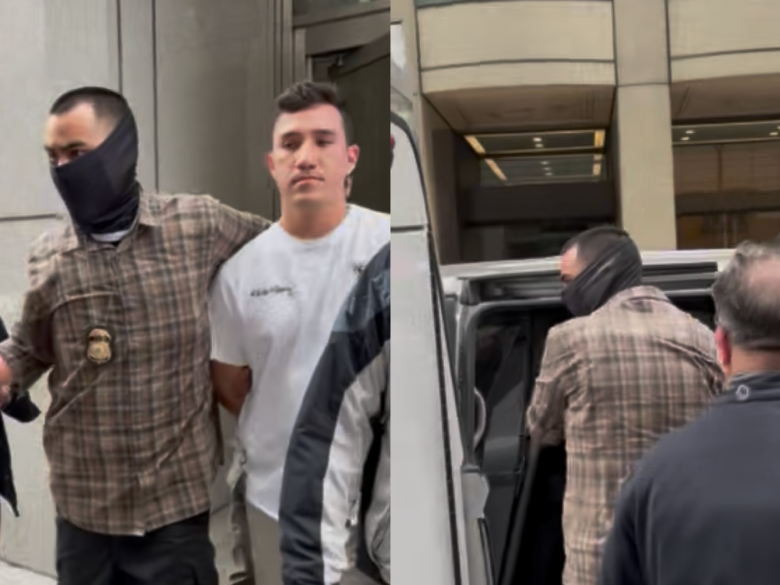
Friday was supposed to be a clinic for asylum-seekers who need help with their applications, said Jordan Weiner, legal director of the organization’s Removal Defense Program. But because of recent arrests at court hearings in San Francisco, staff pivoted.
The arrests have left many Bay Area asylum applicants afraid to attend in-person hearings, so staff and volunteers at La Raza spent Friday morning helping them apply to move their hearings online, Weiner said.
Moving a hearing online requires an asylum applicant to submit a motion to the judge overseeing their case. At La Raza, law students helped the applicants draft those motions. They gave them pre-stamped envelopes to mail them in.
Pilar Eslava, an immigration attorney who works at La Raza, met with a few dozen applicants over the course of about two hours.
No one has to give a reason why they would prefer to attend their hearing remotely. Nevertheless, many of the asylum applicants provided explanations to Eslava, to bolster the odds that the judge will approve their motion: No childcare, demanding work schedules and a lack of available transportation to the court in San Francisco from their homes, as far away as San Jose and Fremont.
Next, she told them where they could mail in the motions.
Then she had them scan a QR code to download the app they would need to log into court remotely.
Finally, she gave them a sheet of paperwork with the code for the correct virtual courtroom for the judge overseeing their case.
Eslava, Weiner, and others patiently answered applicants’ questions, in Spanish.
Were the blue mailboxes on the streets secure enough for these documents?
Yes, they were.
Is there someone who can come with me to court?
Yes, if you do not have a lawyer yet, there are nonprofits with volunteers who will accompany you.
One man’s case was coming up soon.
Is it worth trying to mail my motion overnight, rather than via regular mail, he asked Weiner, in Spanish.
It probably won’t make much of a difference. The only way to really speed up getting the application there would be to bring it to the court in person, but she imagines he does not want to do that right now.
The man gave a wry smile.
Call the court to confirm they received the motion in two days, Weiner said, in Spanish. And mail another copy if they did not.
Judges have sole discretion over whether someone can attend their hearing remotely. When Mission Local asked Eslava whether she was optimistic that the judges would sign off, she shrugged.
“We do what we can do,” she said.
Amanda Alvarado Ford, a lawyer with the Immigration Institute of the Bay Area who was volunteering at La Raza that morning, used to recommend her clients attend hearings in person. She has found that her clients often make their case for asylum more effectively face-to-face with a judge.
“I’m an old-school lawyer,” she said with a chuckle.
But now, she is advising her clients to apply to move their hearings online. In courtrooms, she said, “The risk of apprehension is too great.”