

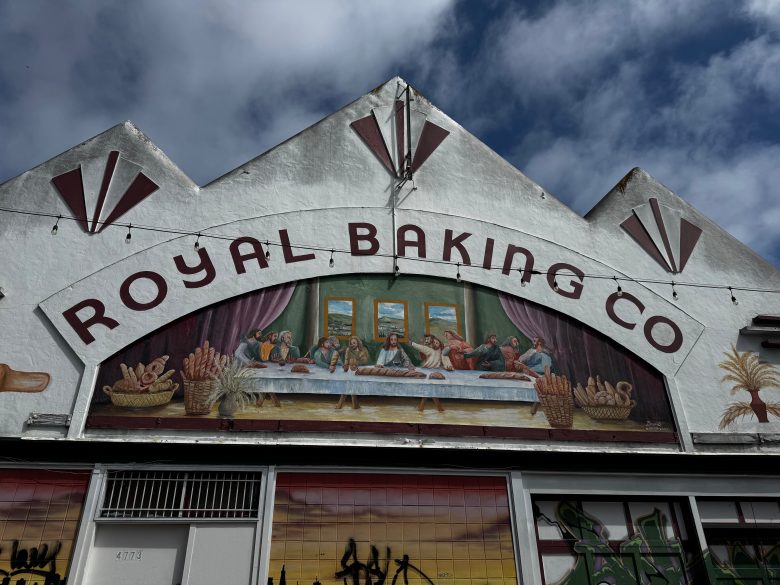

At 4773 Mission St. in the Excelsior, baguettes, bastones and loaves of ciabatta crowd together under the hands of Jesus and his 12 disciples, heaping in baskets that overflow to the corners of the biblical scene that is Royal Bakery’s front-facing mural of The Last Supper.
This rendition, if you can believe it, took some creative liberties with the bread. Who could have betrayed anyone with this many carbs around?
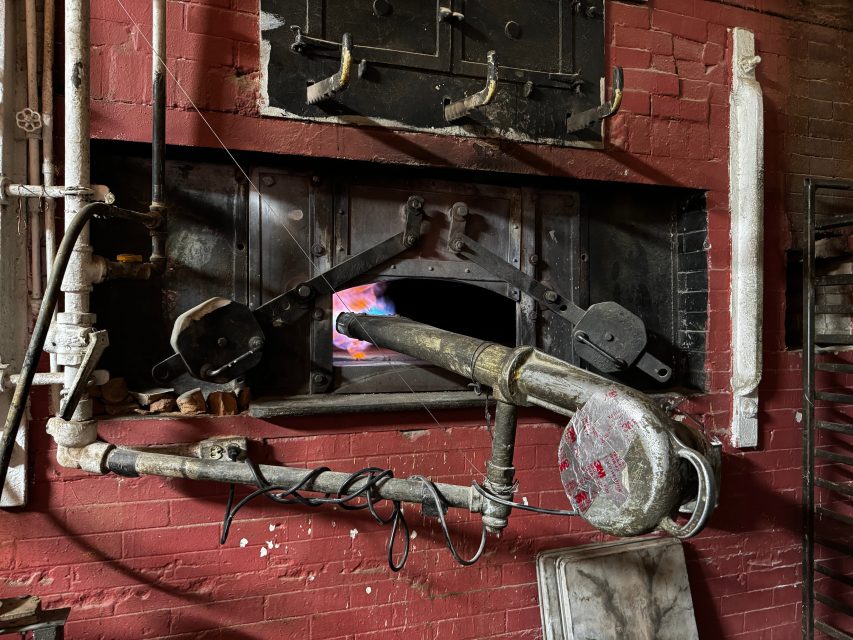
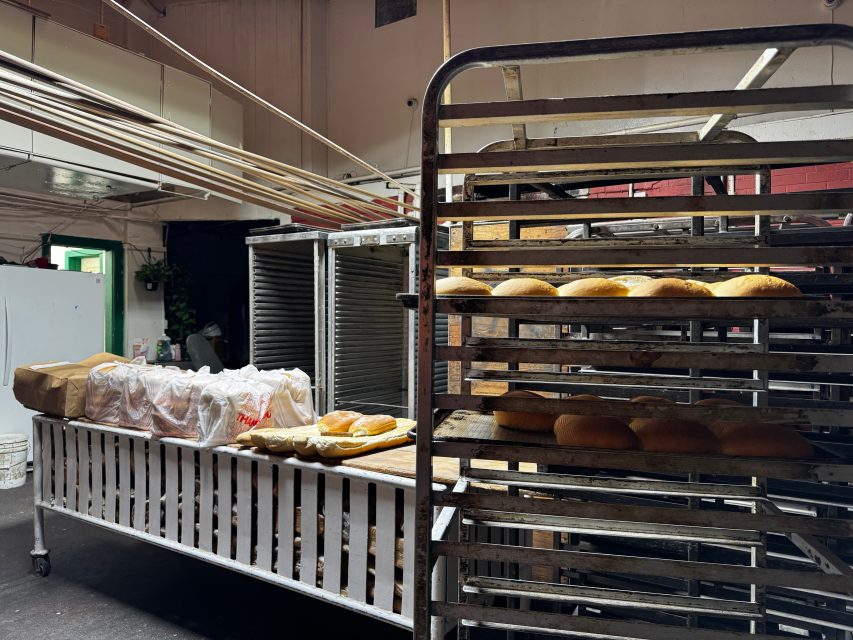
Beneath the glutenous scene, Royal Bakery has never stopped firing up its 90-year-old brick dutch ovens. But three years ago, the storefront, where neighbors used to stop by every morning to grab a coffee and some pastries, abruptly closed.
It’s a tough tale, one that shows the struggle of running a family business. Juana Nuno-Chavez, who has helped run the bakery since the 1990s, used to manage the storefront with her son, Juan Ramirez.
Three years ago, that 32-year-old son, who worked at Royal Bakery and was slated to take over the business, died in his sleep. Two years later, her husband — at the time, the owner of the bakery — died the same way.
Nuno-Chavez took over the business through a complicated transition. She and her husband, Isaac Monroy, were dating and running the business together in 2012, when Monroy was set to retire. Nuno-Chavez said he picked her to take over ownership of Royal Baking.
But Nuno-Chavez split up with Monroy — and then found herself facing a lawsuit. It was a messy and unpleasant affair, featuring allegations of falsifying business records and failure of payment.
The case was dismissed after two years. Three years later, the couple married, and ran the business together for another six years.
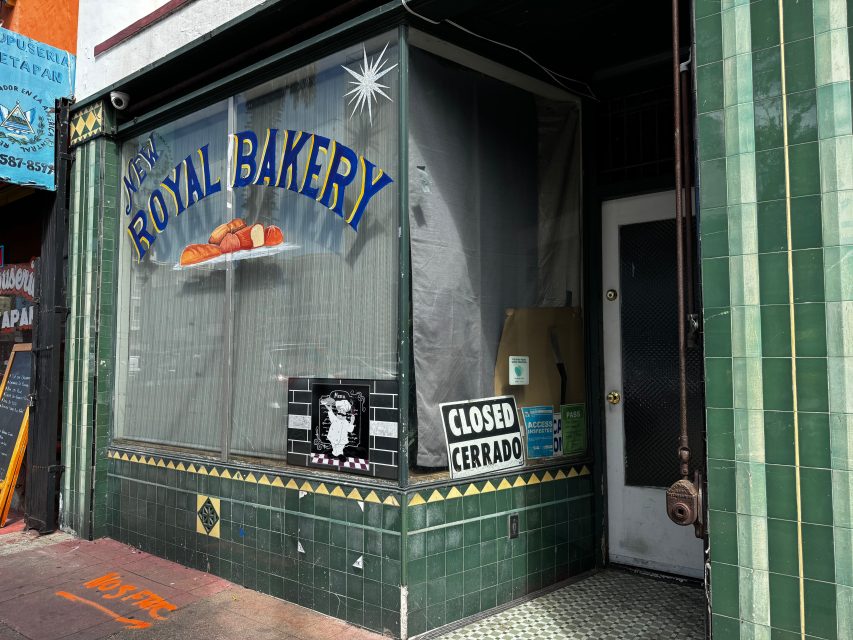
The storefront has been boarded up for the last three years, since her son, Juan Ramirez’s, death. Its doors have been shut and spray-painted with graffiti.
“I think back to what my husband used to tell me before he passed away, before my son passed away: That I had to keep going and be strong.” said Nuno-Chavez, who is now the sole proprietor.
“I was very depressed when my son passed away. [My husband] would say ‘your son is gone, and he’s not going to come back, but you have to keep going.’”
That’s easier said than done. Once a popular storefront where residents of the Excelsior could drop in to shop and grab coffee, now you can only purchase bread if you are one of the businesses they regularly supply, or if you’re lucky and knock on the unmarked bakery door.
Very few customers do, but Nuno-Chavez hopes to change that: She wants to reopen her storefront by Labor Day, she told Mission Local. Or, at the latest, before the holiday season.
There will be some changes, too: Alongside the Italian classics, Nuno-Chavez plans to add pan de muerto for Day of the Dead in November, and rosca de reyes for Three Kings Day in January.
The business could use the turnaround.
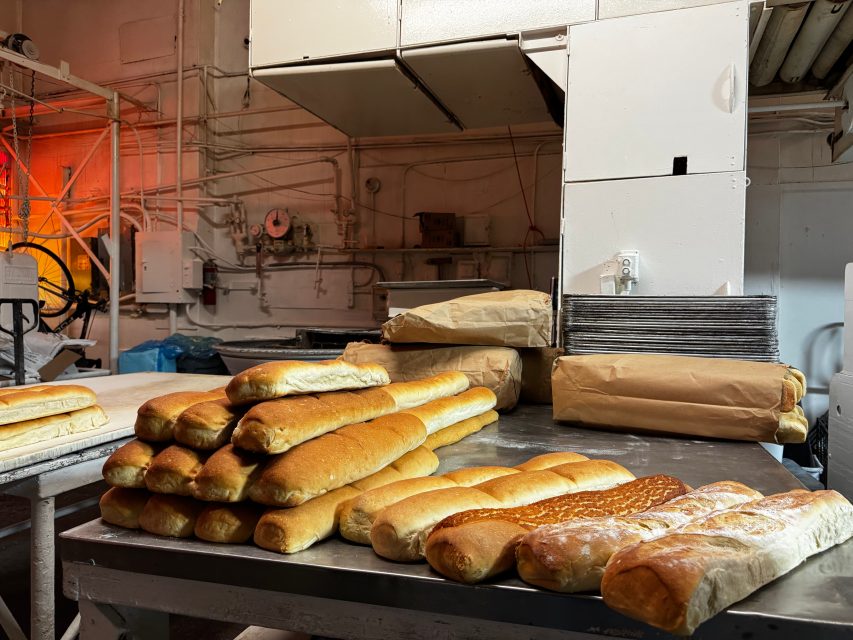
Nuno-Chavez said people assume the bakery was lost to COVID-19, though every day the legacy business bakes hundreds of loaves of Italian bread that it distributes to delis across San Francisco and Daly City, including Lucca Delicatessen in North Beach. That’s still a good slice of the business, but it’s not like it used to be.
“Without the physical storefront, we haven’t had any customers. The only things that get covered are rent and ingredients,” said Nuno-Chavez.
The bread Nuno-Chavez and her small team continue to make keeps the water running and the ovens hot, but barely.
Before COVID, there were about a dozen employees. Now, the bakery operates with only five, including owner Nuno-Chavez. Not all her workers are exactly blood, but they’re close: Most, like delivery driver Jorge, have been working there for more than 35 years. Some of her children spend their summer vacations working, too.
The Royal Bakery’s legacy is long: In 1925, the business was founded by Italian immigrants Pellegrino Matteucci, John Mazzini, Jack Cima, Mario Cafferata and Rudolph Paladini in North Beach. Ten years later, they moved the bakery down to the Excelsior, where it is today.
Monroy immigrated from Guanajuato, Mexico, from a family of bakers. He started working at the bakery under the Italian management, quickly learning new recipes.
When Monroy took charge in the 1980s, he taught his wife the ropes and they ran the business together, eventually opening up the storefront, New Royal Bakery, in the window attached to the bakery. They sold loaves of bread, Italian cookies, biscotti and sometimes churros alongside espresso drinks.
The couple kept the bakery menu the same from the beginning, though altered to taste. The bakery makes the same classic Italian bread — bastones, ciabatta and panettone — that they’ve sold for over 100 years, but maybe a little fattier: When the Monroys took over, they upped the butter content in their bastones to a pound of butter for every pound of flour. That gives the bread more flavor.
And maybe a little more Mexican: Despite its commitment to serving “pure Italian” goods, there are echoes of banda music from the kitchen, the occasional churros and the small batches of bolillos (otherwise known as the French bread used for tortas).
It took Nuno-Chavez some time to learn the ropes, but she does it all now herself.
“It did take me some time to learn, but since I had my [husband] next to me. He taught me how to do it all.”
I would love to chime in and offer some corrections to this story, if possible. Isaac Monroy was my grandfather, and I spent a very large part of my life in and around the bakery. Please feel free to contact me to discuss!
Thanks for the good news! We look forward to a great re-opening soon!
“Its doors have been shut and spray-painted with graffiti.”
Just all the vandalism and filth on the streets is depressing. I had some cretin spay my door with diarrhea. For your mental health it’s best to evacuate, don’t let the cretins on the street ruin your life
Conflating as if that represents all of SF is statistically and geographically absurd.
We’re all glad you’ve found that Utopia devoid of crime and mental illness, but many of us find Danville too hot and far away. You just enjoy your generalizations from afar.