
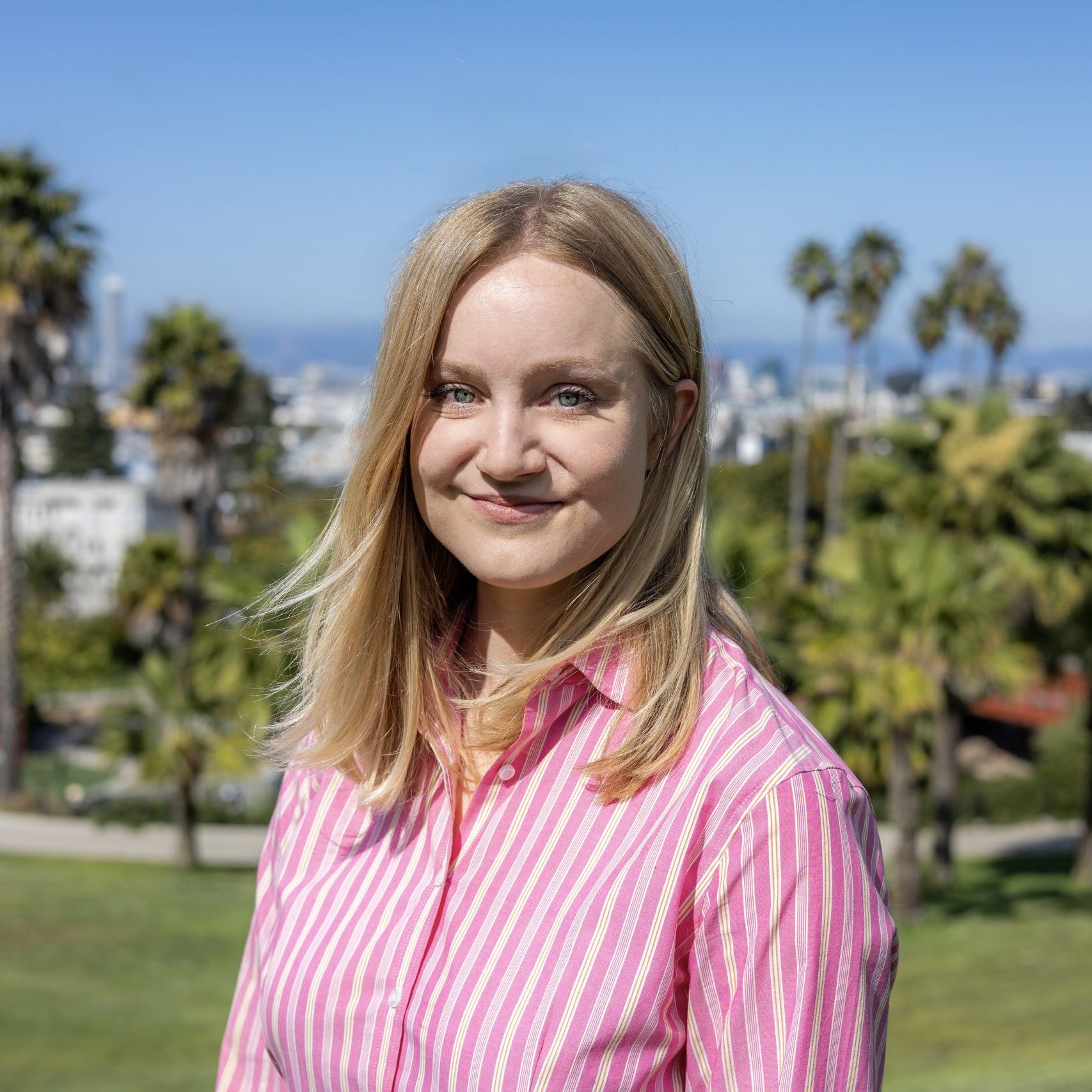

Steve Adami, the head of an abstinence-based recovery program run by the Salvation Army, will lead a new unit within San Francisco’s Department of Homelessness and Supportive Housing focused on recovery.
City officials confirmed Adami’s appointment this week after Mission Local’s questions to them about the rumored posting.
“Steve Adami brings a unique combination of public-sector leadership and hands-on experience developing recovery-focused services to this important new role,” said Mike Levine, executive director of the city’s homeless department.
“His appointment reflects our commitment to doing more for people who are in recovery or interested in pursuing recovery.”
The move comes at the behest of Mayor Daniel Lurie, who helped create the role for Adami, department sources said. As the director of the new “Department of Recovery,” which is not technically a city department, Adami will oversee the expansion of programs focused on sobriety.
Critics within City Hall and at homelessness nonprofits, however, have expressed concern over Adami’s views on solving San Francisco’s drug crisis, and questioned his lack of a medical background.
Adami, who is formerly incarcerated and himself in recovery, is a strong critic of harm reduction, a public-health approach long used in San Francisco that seeks to minimize the negative effects of drug use, but without requiring abstinence.
These include efforts like programs that provide sterile syringes and pipes to prevent diseases such as Hepatitis C, and the use of Narcan to prevent overdoses.
Adami, who worked at the adult probation department under Mayor London Breed until 2023 before going to the Salvation Army’s “Way Out” abstinence program, once called the city’s harm reduction approach on X “one of the greatest policy blunders of my lifetime.”
He frequently posted videos of people bent over on the street in the throes of addiction, referring to their stance as the “fentanyl fold” and drug users as “zombies” — drawing criticism for dehumanizing people who are suffering.
Adami’s new position would be tasked with helping those people. Days before news of his hire was to be announced, he deleted his X account.
Adami has pushed for San Francisco to adopt an abstinence-based approach instead, a philosophy that has been embraced in its extreme over the past year by President Donald Trump’s administration and the conservative think tank the Cicero Institute.
Adami, along with the Cicero think tank, also heavily criticizes “housing-first,” a policy championed by Califoronia homelessness advocates to provide homeless people with access to permanent housing as quickly as possible, without pre-conditions like sobriety.
But an abstinence-based approach hasn’t been wholly conservative. Both Lurie and Breed, moderate leaning Democrats, moved towards treatment and recovery programs and away from harm reduction in recent years.
Because of this, City Hall sources who learned of Adami’s appointment said it is “not surprising.”
Last April, Lurie banned nonprofits from distributing drug paraphernalia like clean needles without first connecting people to counseling and treatment.
This year, the mayor took things a step further and, in July, signed legislation sponsored by Supervisor Matt Dorsey mandating that new permanent supportive housing sites — long-term affordable housing for those experiencing chronic homelessness — be drug-free. This only impacts housing built without state funding.
Proponents of abstinence programs say the city went too far in approaching drug use with harm reduction and point to the fentanyl epidemic and rising deaths from overdoses. They say that the approach has done little to address the harm of drugs not just to the user, but to the surrounding community.
In a 2024 op-ed in the San Francisco Standard, Adami, who wrote the article with recovery advocate Cedric Akbar, wrote that San Francisco’s approach to drug-use “enabled” addiction.
“San Francisco’s approach of tolerating drug use and giving people the freedom to do what they want on our streets was not helping people address their addiction,” they wrote.
Keith Humphreys, a professor of psychiatry at Stanford University who served as senior White House drug policy adviser in the Obama administration, has also said that many programs fail to provide treatment in addition to clean drug supplies.
Such programs, he said in an op-ed, “frequently failed to take the responsibility to promote treatment seriously, and indeed, in some cases, has denigrated the value of treatment and recovery as goals.”
But critics of Lurie’s current policies say an abstinence-only approach is also not a one-size-fits-all solution, and often does not work for those with mental health challenges or severe drug addiction, including to fentanyl and meth.
They point to the science backing the efficacy of harm reduction and argue that the two approaches should work hand in hand.
In many cases, medical professionals say, an abstinence-first approach without harm reduction — which can prevent infection or an overdose — can kill.
Dr. Ayesha Appa, a clinician investigator in addiction medicine, said that harm reduction was “one of the most important tools” to help her clients move towards recovery. “Harm reduction and treatment are part and parcel,” she said.
For some, Adami’s appointment raised concern about the city’s direction.
Whit Guerrero, a commissioner on the Homelessness Oversight Board, said that “creating a costly new role for a politically controversial figure” would further erode trust between harm reduction service providers and recovery-focused communities.
“In my opinion,” said Guerrero, “This is a signal that this administration is not serious.”
The hiring of Adami, one City Hall source said, signals a transition.
“Generally speaking, the recovery community has wanted a bigger voice in San Francisco for a while now.”