

Legislation introduced this afternoon at the Board of Supervisors would be big news for San Francisco’s street food vendors, who have been sounding the alarm since February that new city rules could drive them out of business or push them to operate outside the law entirely.
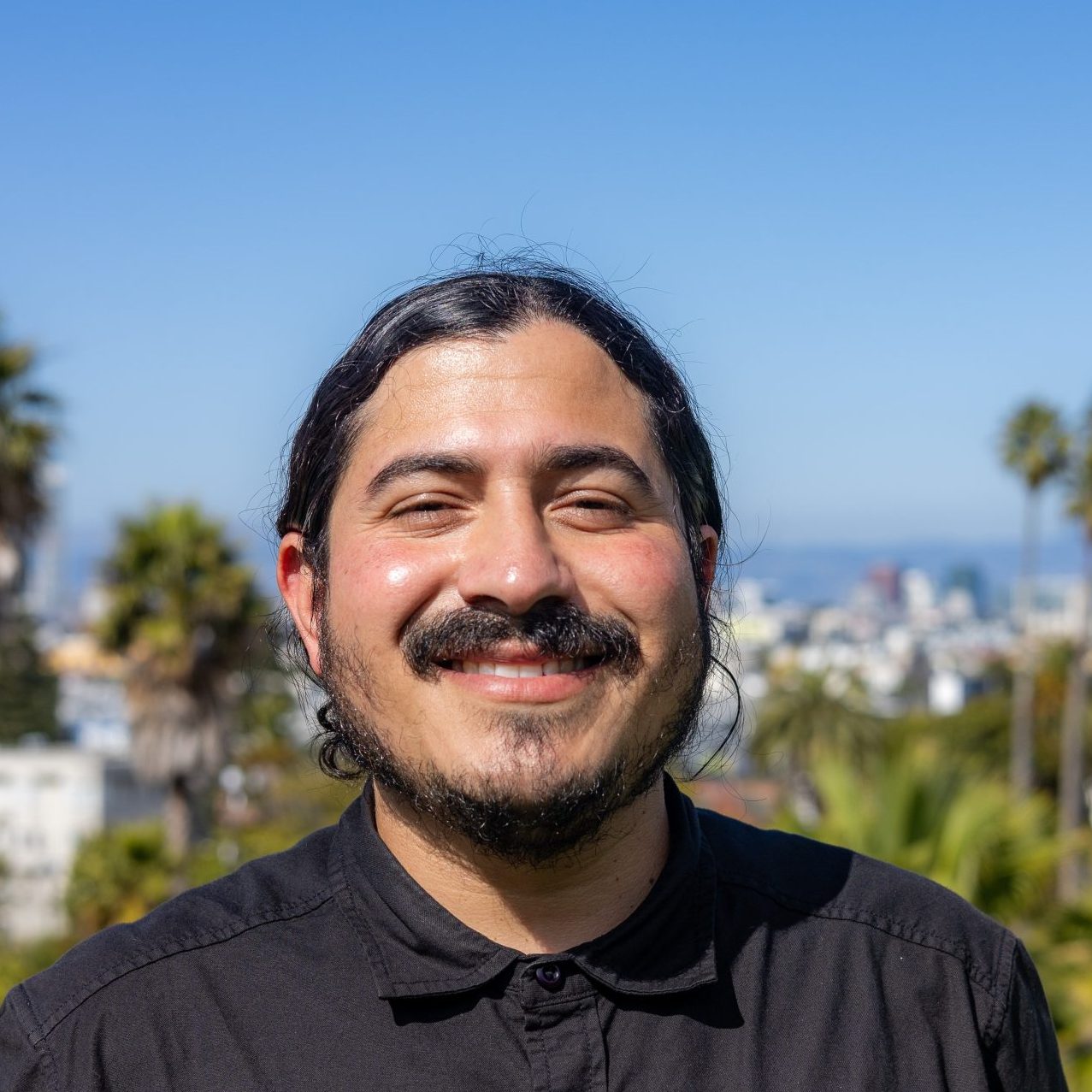
Supervisor Jackie Fielder’s bill would make it easier to run a licensed food business from a home kitchen, and has support from supervisors Shamann Walton, Myrna Melgar, Connie Chan, Chyanne Chen and Bilal Mahmood.
The legislation will sit for 30 days and then be assigned to a committee, which will vote on whether to send it with a recommendation to the full board.
“We should be creating pathways for successful small businesses to grow, not putting those pathways out of reach,” Fielder said as she introduced the legislation.
“The bottom line is simple: Street vendors are small businesses. They are entrepreneurs and they are an important part of our neighborhoods and our culture.”
Mission District street vendors said that the Department of Public Health’s new regulations, drafted in March, would make them buy or rent equipment that they cannot afford.
Equally safe, less expensive regulations already exist, they say, in the form of Microenterprise Home Kitchen Operation Program (MEHKO) state legislation that has already been adopted by nearby counties like Santa Cruz, Monterrey, Santa Clara, Sonoma, Alameda, San Mateo and Contra Costa, and the city of Berkeley.
The difference between city rules, which were adopted earlier this year, and MEHKO is largely about equipment. Under city regulation, many vendors would have to prove that they were doing their cooking and food preparation at certified commissary kitchens, which charge an average of $1,000 a month.
Under MEHKO, street vendors can get their home kitchens certified for small-scale preparation by agreeing to annual inspections and obtaining a food-managing certification and food-handling training.
Fielder began working on bringing MEHKO to San Francisco months ago.
In mid-July, Fielder requested the budget and legislative analyst to create a report evaluating the cost and other impacts of establishing the MEHKO program in San Francisco. Fred Brousseau, director of policy analysis for the budget and legislative analyst, said the report will be ready by mid October.
Setting up MEHKO took some work, said Olga Zuniga, deputy director of environmental health for Santa Cruz County, which launched a pilot program in 2024. The home kitchen inspections would require the collaboration of multiple city agencies, such as the health department, building inspection and the fire department.
But, Zuniga added, county officials were already doing some home kitchen inspections because of 2013’s Cottage Food Operation, a state law which allows Californians to sell shelf-stable foods (popcorn, jam, dried fruit) prepared at home.
While adopting MEHKO’s standards required new forms and training because of the more complex preparation that goes into selling perishable food, Zuniga called the program a success, and said the agency has moved to recommend Santa Cruz make it permanent.
Contra Costa County’s health department also adopted MEHKO, said Vanessa Cordier, a environmental health specialist at Contra Costa’s health department.
“Initially, the pilot was intended to identify challenges, complaints,” Cordier said, about a two-year pilot her county implemented in 2024.
“After two years, we had minimal issues come up. I’d say it’s a success, because it gave people an opportunity to open up a business.”
Leila Ovando, director of food justice equity at Nuestra Causa, described Fielder’s legislation as a critical step towards supporting business at the smallest level.
“For too long, talented food entrepreneurs, many of them migrants, working-class people, and families simply trying to build something of their own, have faced enormous financial and regulatory barriers just to participate in our local food economy,” Ovando wrote in a statement.
A vibrant community of street vendors, said Catherine Brinkley, a professor in human ecology at the University of California, Davis, also benefits a city in ways that go well beyond food.
“Studies have shown that street-food vendors are economic amplifiers. They bring dollars in and they activate streets, making them safer,” said Brinkley. “Some cities strategically create street-food-vending corridors or blocks in order to create economic development. So what local jurisdictions should do is work with their local vendors.”

Bravo Jackie Fielder!
Excited to open my home kitchen! Hopefully the city won’t ask for me to do health permits like they do for commercial businesses. Anyone know if drones can pick up and do food delivery? Last thing I want to do is cook and deliver…
Why don’t we just subsidize hawker centers instead? Singapore figured out the solution to this 50 years ago. This is just enabling more street chaos which most San Franciscans have been saying we are sick of for a while.
But no hawker centers for the vendors fencing stolen goods.
Heart warming, but largely this would put landlords and HOAs at risk of losing insurance on the building. Most. I imagine. will (be forced to) restrict this, as well as MEHKO restaurants.
There’s a reason we zone for housing or commercial, and in most cases try to keep them separate.
In my old building, there was a man who ran a catering business out of a one-bedroom apartment. It was pure hell for the rest of us. He used the community trash as his commercial dump, which brought rats and raccoons in droves. Not to mention the noise and mess of moving the food in and out of his unit. There was cooking oil drizzled on the stairs and trash everywhere. Once, he brought another cook to use his kitchen while he was away, and she blasted music for all of us to hate while she worked. We complained to the building management and to the city, but nothing was done. In short, our home was transformed into a commercial catering business, without the regulations and building requirements that would make it a clean, aesthetic space. And this was back when it was still illegal!
This new relaxed regulation will be abused.
Instead of turning homes into commercial kitchens, why don’t you create subsidized community spaces where people who want to launch a food business can do so for little or no money? You could have individual storage, like a communal garden, so people won’t have to drag their equipment to and from every day.
And how does this support the “brick and mortar” restaurants who pay taxes, pay employees (who pay taxes), maintain their spaces and sidewalks, pay for trash removal ?????
Fielder continues to create problems rather than solve them.
San Francisco in general and the Mission in particular have an abundance of restaurants. They pay taxes, employ workers, and have followed the city’s labyrinth of regulations for years.
Fielder wants to make sure that street vendors can undercut them.
Can licensed restaurants make food in their home kitchens to save money? Licensed restaurants are the businesses we should be supporting.
Let Jackie cook! This is smart, practical, and will help keep our city’s diverse cultures and cuisines here in San Francisco.