
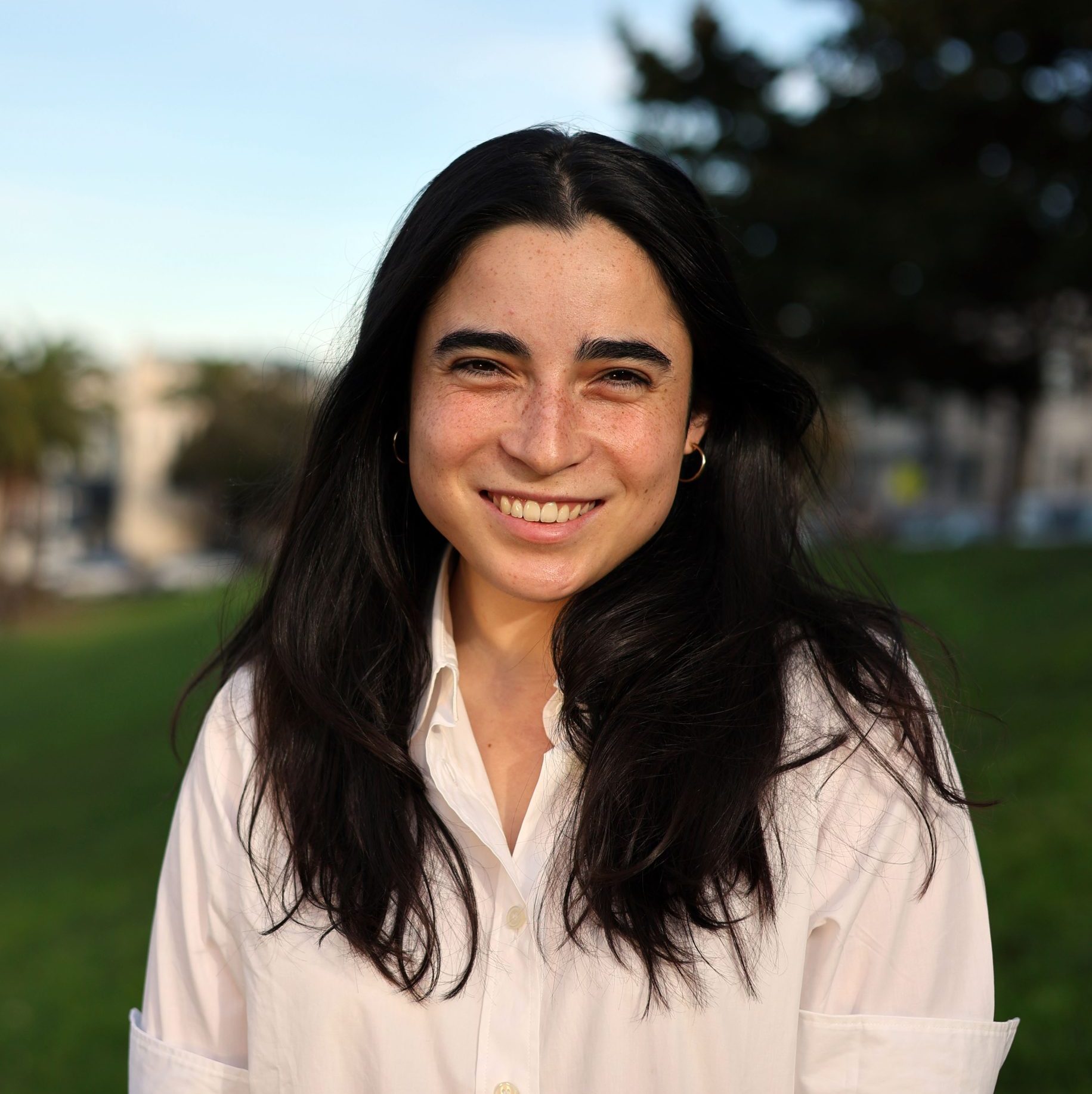

Scott Wiener continues to pull in the most dollars in the congressional race to succeed Speaker Emerita Nancy Pelosi — but his opponent, Connie Chan, is quickly gaining momentum.
Filings released on Wednesday show that in the seven-week reporting period from May 14 to June 30, 2026, Wiener raised $571,000, while Connie Chan, his opponent, raised just over $441,000. For Chan, that’s more than double what she raised in the last filing period. Wiener also improved, raising some 40 percent more than in the prior period.
Chan’s fundraising boost came after Speaker Emerita Nancy Pelosi endorsed her campaign about two weeks before the June primary.
Later that month, Pelosi’s own committee gave $4,000 to Chan’s campaign, and “PAC to the Future,” a committee sponsored by Pelosi, gave $10,000, according to filings.
“Connie Chan defied conventional wisdom with her strong showing in the June primaries, and we have felt the surge of momentum ever since,” said a spokesperson for Chan’s campaign.
“Fresh off Scott’s first-place showing in the primary, the campaign was proud to earn the support of over 2,000 new donors this quarter. These resources will fuel a winning campaign this November and help send Scott to Congress,” said Joe Arellano, the spokesperson for Wiener’s campaign.
According to their respective campaigns, Chan has more than 3,000 donors and Wiener has 5,320.
Additional money has come through to support Chan that is not yet reflected in the latest filings, according to her campaign.
The latest filings only include contributions up until June 30. The following week, Pelosi hosted a fundraiser for Chan in Jackson Square that brought in over $100,000, according to Chan’s campaign. Tickets to attend the event ranged from $500 to $3,500, the contribution limit for individuals.
Wiener had his own fundraising boost: a last-minute cash injection that came in the days after Wiener was accosted and made to leave the San Francisco Trans March on Friday, June 26, according to his campaign. In the four days following that confrontation, Wiener’s candidate committee received over $127,600 from 1,070 people.
While both campaigns — and the third-party PACs supporting Chan and Wiener — spent heavily in the run-up to the June primary, records suggest that both campaigns and PACs have shifted gears: They presently appear more focused on raising more, and are spending less.
Spending will ramp up again as Nov. 3, Election Day, approaches.
PAC vs. PAC
On top of their own fundraising, both Chan and Wiener have significant backing from PACs, which operate separately from their candidate committees and aren’t subject to contribution limits.
Notably: Abundant Future, a PAC supporting Wiener, spent heavily in the last period opposing Saikat Chakrabarti, who came third in the primary. That committee spent over $400,000 in the last two weeks of May. Families for an Affordable San Francisco, another PAC that is canvassing for Wiener, spent nearly $250,000 in the latest filing period.
Chan meanwhile has the support of the Working Families for San Francisco PAC, which is primarily funded by labor unions.
On top of that, the independently wealthy Chakrabarti, who spent millions of dollars funding his primary run, has redirected his former campaign staff to support Chan, and converted his candidate committee to a PAC to support her campaign.
Wiener, for his part, got a head start in fundraising long before he declared his run. As of June 30, he had a total of over $4.4 million in contributions. Chan had a total of close to $1.1 million.
That leaves Wiener sitting on a larger war chest: As of June 30, his campaign had over $1.2 million in cash on hand, while Chan had $362,000.


I think people underestimate how many supporters the “anyone but Scott” movement has.
The fact that Nancy Pelosi is supporting NIMBY Chan and her backward-looking perspectives, clearly demonstrates how extraordinarily out-of-touch the former Speaker is; how much her political arteries have hardened and what a reactionary she has become.