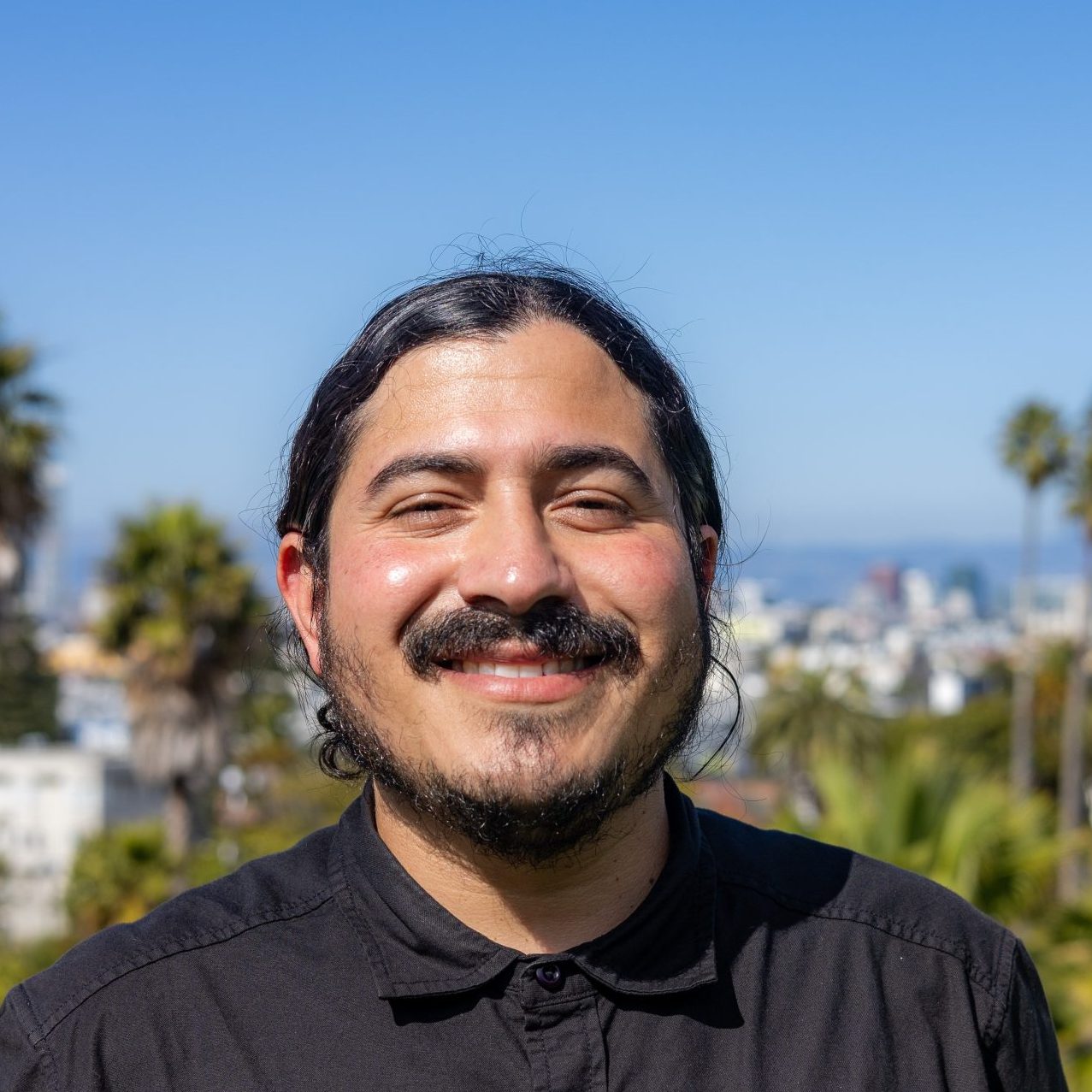

After a three month leave of absence for mental health issues, District 9 Supervisor Jackie Fielder held the first of a series of three town halls Thursday night and jumped right into the debate over how much to reduce the required number of affordable units in market rate housing projects.
Fielder proposes eight percent for the Mission District. That is down from the current 17 percent in the Mission and 15 percent citywide.
It is more than than the citywide five percent approved by the Planning Commission in a four to two vote on June 18. The matter moves next week to the full board of supervisors.
A citywide inclusionary rate, Fielder said to a packed house of nearly 100 residents, threatens to break a promise made to the Mission, “where historically the city has promised to provide more affordable housing in exchange for higher building limits and more density.”
The move to reduce the rate is being pushed by Mayor Daniel Lurie and District 7 Supervisor Myrna Melgar to stimulate housing development.
Fielder sat beside Ricardo Olea, city traffic engineer at the Municipal Transportation Agency, with Lieutenant C. Tam and Sergeant Adam Lobsinger from Ingleside Station, the police station serving Bernal Heights.
After housing, street safety was top of mind for the residents.
Neighbors demanded the city agencies present traffic calming measures across the neighborhood to avoid such tragedies as the hit-and-run on Cortland Avenue last year that killed 30-year-old Binod Budhathoki.
A woman who said she had worked advocating for AB 645, the state legislation that creates a five-year pilot for the installation of automated speed enforcement cameras in six cities, one of them San Francisco, asked Fielder to support adding more cameras across the city.
“My main concern is pedestrian safety,” said the woman. “I think it’s shown that it’s been absolutely working in changing drivers’ behaviors. So I’m hoping that you’ll you’ll be on board for that.”
Fielder took note. The supervisor supported Lurie’s street safety executive directive in December, which amongst other actions, continued to prioritize speed and red-light cameras.
Shortly after, another attendee shared concerns that federal agencies could access information and data collected by the cameras.
Tam responded by pointing out that speed cameras are regulated by SFMTA. Flock cameras, which the SFPD uses for surveillance and tracking vehicles, have shown to be effective in fighting crime, he said.
“There’s very strong protections in terms of who can see that data,” said Olea, jumping in quickly after Tam. “We feel that those protections will prevent the kind of concerns that you have. The cameras are only used to enforce speeds. They’re not used for law enforcement. They’re not shared for other purposes.”
“I believe Flock’s contract is up for renewal next year, so I’m sure there will be a robust debate at that point as well,” Fielder added.
Another attendee asked the panel what their plan was to address the repeated running of stop signs.
Tam said that the police department, when staffing allows, designates officers across identified high injury networks, which include both Mission Street and Cortland Avenue, to do enforcement.
Attendee Amy Morganstern asked if the city could install speed enforcement cameras at places where drivers ignore stop signs.
There is no state provision to install cameras at stop signs, according to Olea. Instead he encouraged Morgenstern to contact her local police station.
The last speaker of the evening was a representative from the city’s Neighborhood Emergency Response Team inviting attendees to take a free training on earthquake preparedness.

Attendees then proceeded to eat free pizza while Fielder received flowers and art from a constituent who thanked her for helping him with a housing issue.