

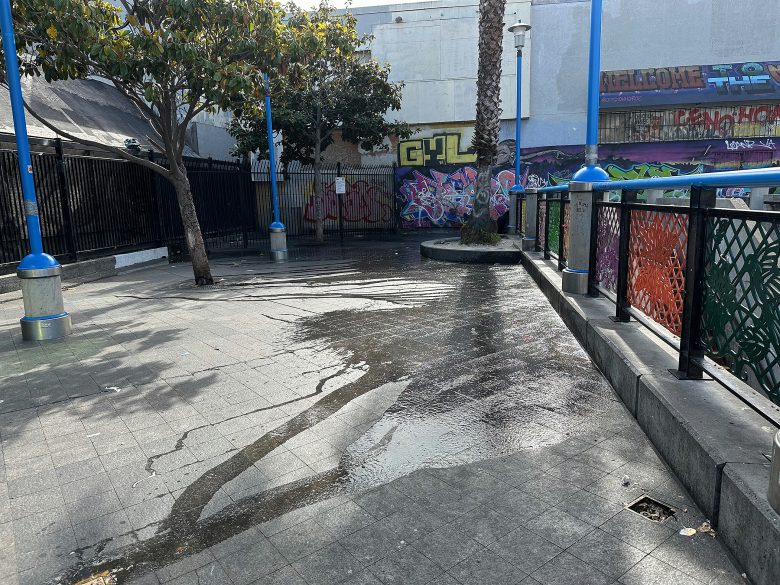
For the first time in five consecutive days of visiting the northeast 16th Street BART Plaza, the nook between the former home of Walgreens and the plaza entrance was clear and getting clean, thanks to a BART worker.
The BART employee, who declined to give his name, said he has a working relationship with the 16th Street regulars. He asks them to clear out while he cleans, and they go willingly; sometimes a few even help him, he said.
“It’s clean,” he said, “but they will come back.” Sure enough, by 10 a.m. a few people had already returned. One was slumped in a chair and in no condition to engage.
No one disagrees that open drug use has increased on Mission Street. Sam Moss, the executive director of Mission Housing, which developed La Fenix between 15th and 16th streets, said the families living within “have been forced to undergo trauma.”
Paul O’Driscoll, who owns the apartment building at 15th and Mission streets and has had an office in the area for 22 years. He called the recent influx of drug users “horrific.” He’s aware of two overdose deaths on nearby Shotwell Street in the last six weeks, and on Monday his wife was mugged as she took video of the street conditions.
The open drug use is so bad that on weekends, O’Driscoll is having trouble showing apartments. The tenants in his mixed-income buildings “cannot come out.”
What can and should be done when someone is openly using drugs at the entrance to a major transit hub or on Mission Street, as I witnessed Saturday, Sunday and Monday? Today, the streets were fairly clear this morning and the northeast 16th Street Plaza was clean for the first time in five days. That is, until I returned after 6 p.m.
Then again, I saw at least eight people on the west side of Mission Street between 16th and 15th Streets with their glass pipes out, and two actively using. As predicted by the BART cleaner earlier today, the denizens of the northeast plaza had returned to nook between Walgreens and the BART entrance.
The question of what the city and others can do about open drug use is something I have been asking about.
I caught San Francisco Police Sgt. Dennis Hoang on 15th Street, where he was checking on a homeless case.
Possessing drug paraphernalia or smoking a drug openly is a misdemeanor, he said. Officers can cite users and ask them to move on.
Technically, the citation is an arrest, but generally, the individuals are not taken to jail. There is already overcrowding in the jails, Hoang said.
Lydia Bransten, the executive director of the Gubbio Project at Julian Avenue and 15th Street, said the city needs to reclaim the space. “If you don’t want people using on the BART plaza, you have to put something positive there,” she said.
Very simple activities can change an environment, she said: For example, engaging people in sending postcards to family members they might not have been in contact with; setting up an art table; showing movies.
Allowing open drug use to overwhelm an area is not the answer. “It is complete and utter depression. … There is no lift, no hope,” Brantsen said.
Some Mission Local readers have blamed Gubbio for the influx of problems to the area. But as Mission police captain Liza Johansen explained to residents early in the operation, the influx was connected to SFPD operations “being done in the Tenderloin that, as we all predicted, would push things into the Mission.”
Veteran police sources tell Mission Local that 16th and Mission “was always a drug place.” It was the place plainclothes narcs were frequently sent to buy heroin.
Still, Bransten hopes to be part of the solution. Gubbio already places 28 clients a month into treatment programs, but it is also adding two teams of three outreach workers, who will be roving the nearby streets and inviting people to step inside. Once within, they talk, offer meals and a place to rest. It’s a step toward longer-term services.
Gubbio, additionally, will be contracting with a street cleaner “to make sure we are keeping the sidewalks clean.”
Dr. David Smith, who founded the Haight Ashbury Free Clinic years ago, supports Mayor Daniel Lurie’s approach, but thinks the city needs to be tougher on open drug use. The Lanterman-Petris-Short Act of 1967 allowed people with mental issues to refuse help.
Earlier on, “you were picked up by the police and you stayed at the state mental hospitals and you were mandated to stay there,” he said. This provided habitual drug-users“one to two years in a therapeutic environment.”
The laws have since changed in favor of community-based treatment. Smith is not a fan: “Well, the street can’t take care of it.”
Northeast 16th Street Plaza and east side of Mission Street
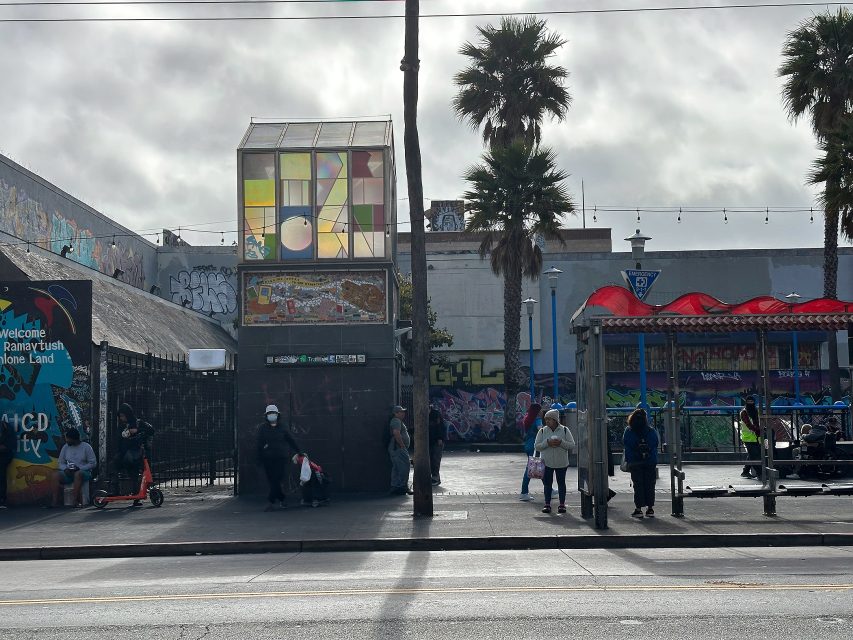
8:46 a.m. 6/03, northeast 16th Street BART Plaza. Photo by Lydia Chávez. 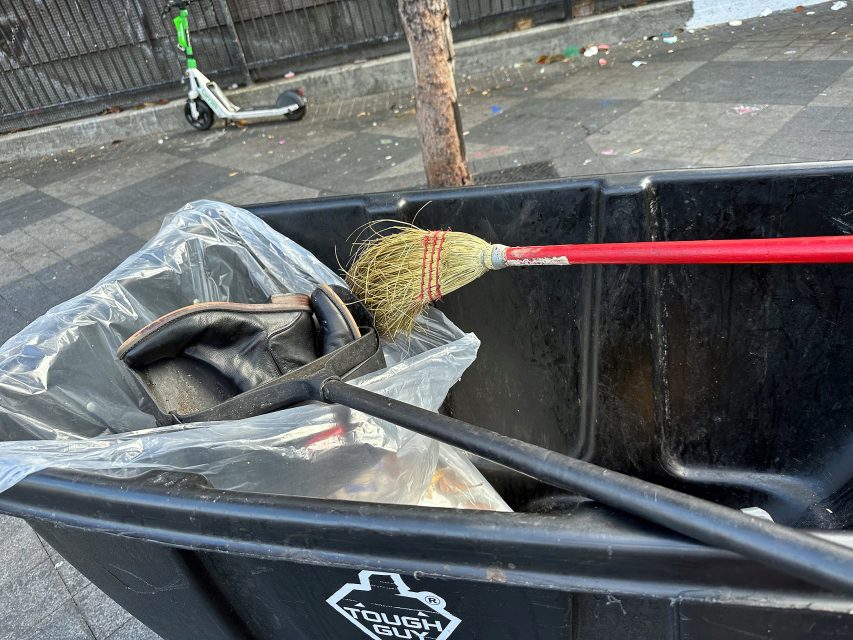
8:47 a.m. 6/03, northeast 16th Street BART Plaza. Photo by Lydia Chávez. 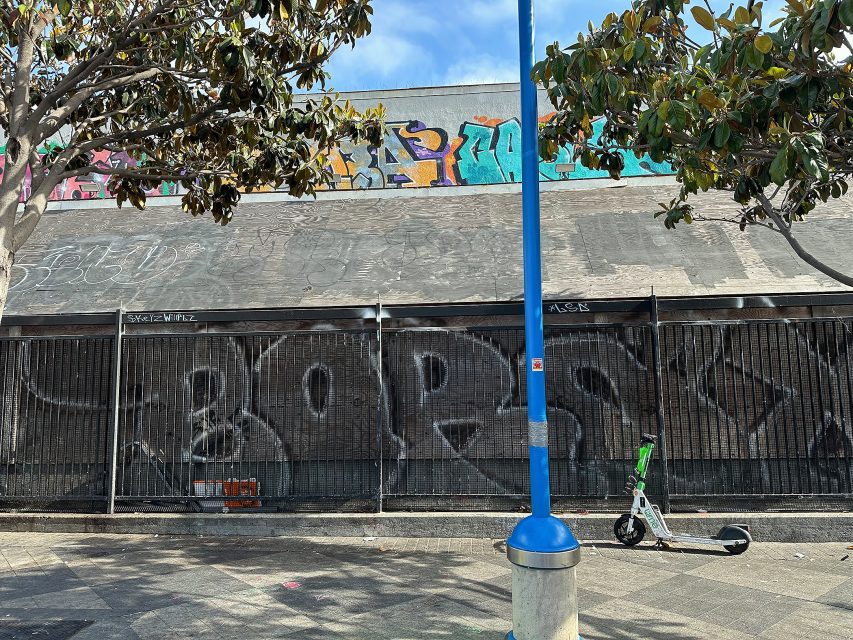
8:47 a.m. 6/03, northeast 16th Street BART Plaza. Photo by Lydia Chávez. 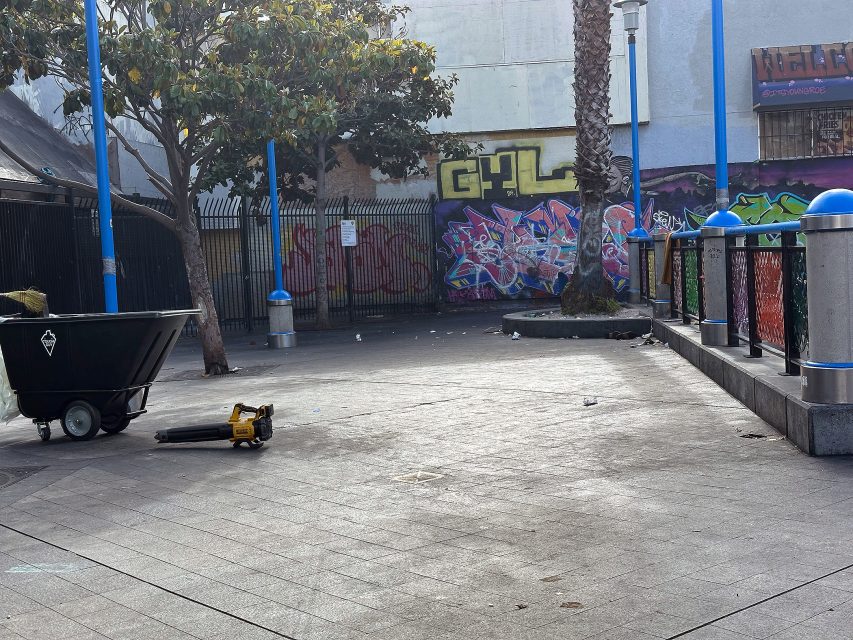
8:47 a.m. 6/03, northeast 16th Street BART Plaza. Photo by Lydia Chávez. 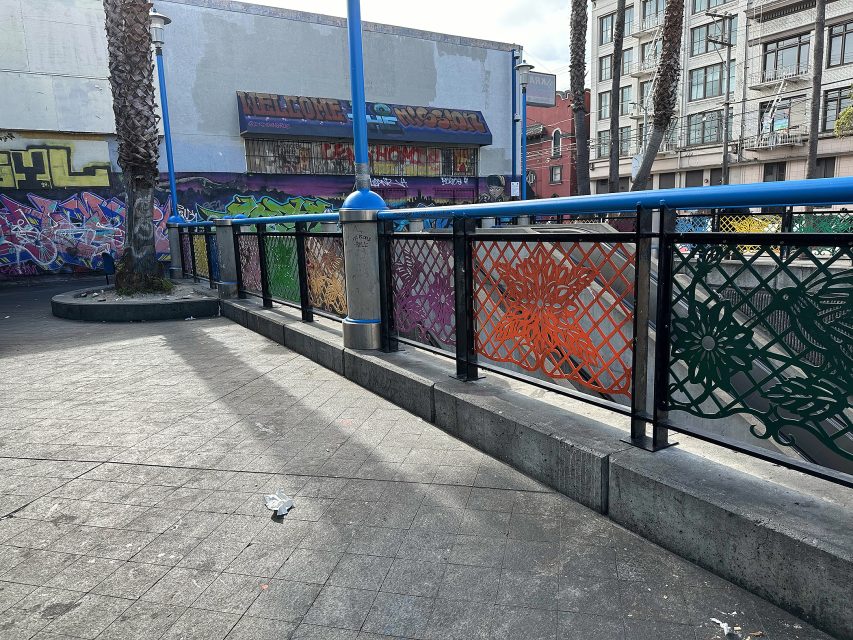
9:00 a.m. 6/03, northeast 16th Street BART Plaza. Photo by Lydia Chávez. 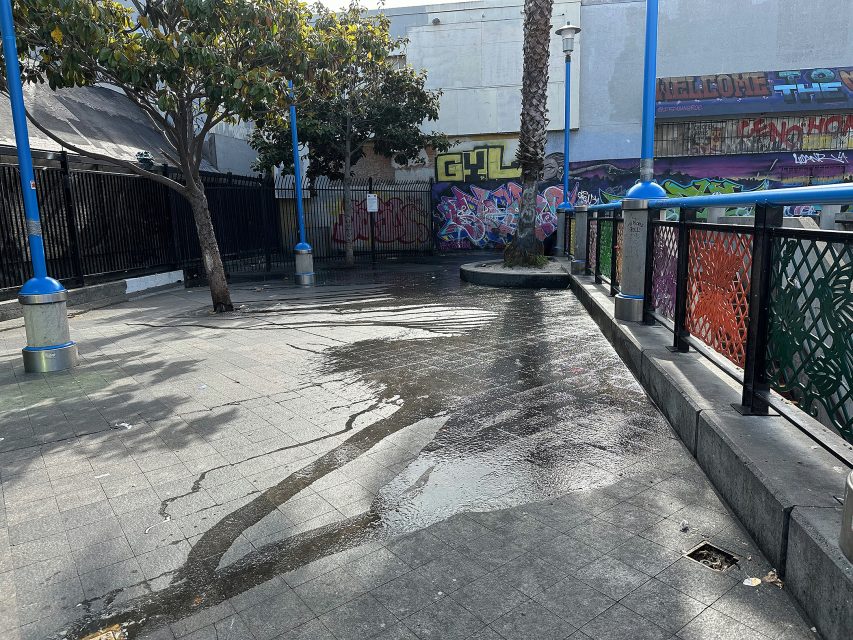
9:07 a.m. 6/03, northeast 16th Street BART Plaza. Photo by Lydia Chávez. 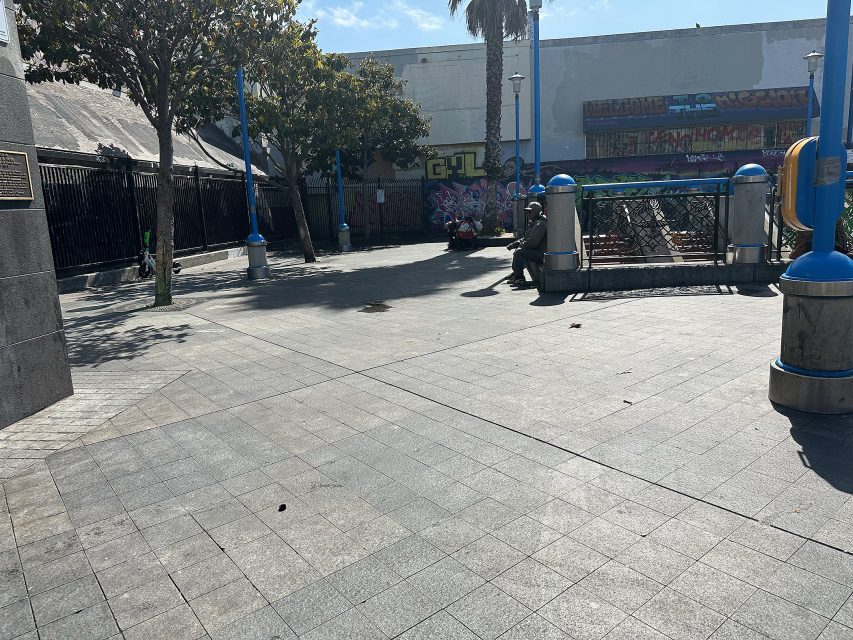
10:18 a.m. 6/03, northeast 16th Street BART Plaza. Photo by Lydia Chávez. 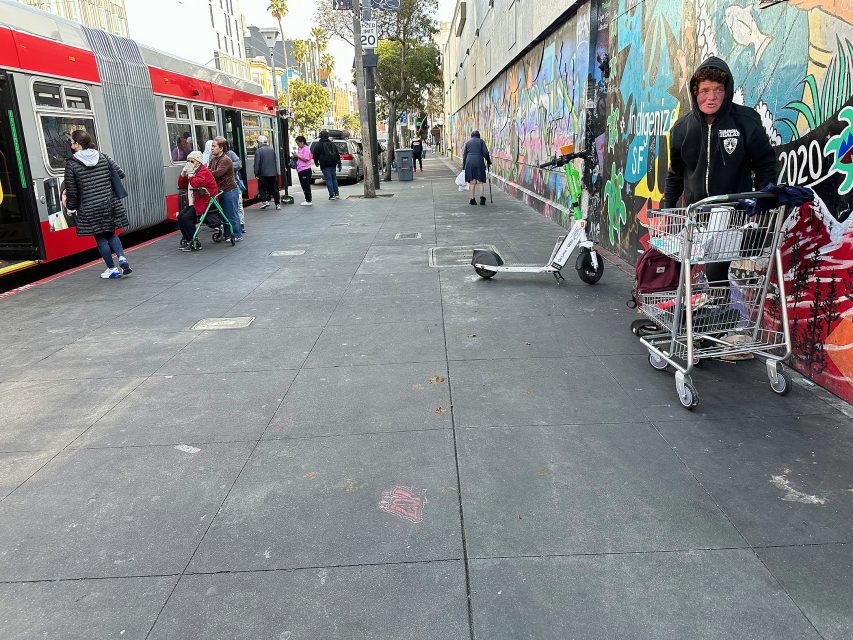
9:00 a.m 6/03, east side of Mission Street. Photo by Lydia Chávez. 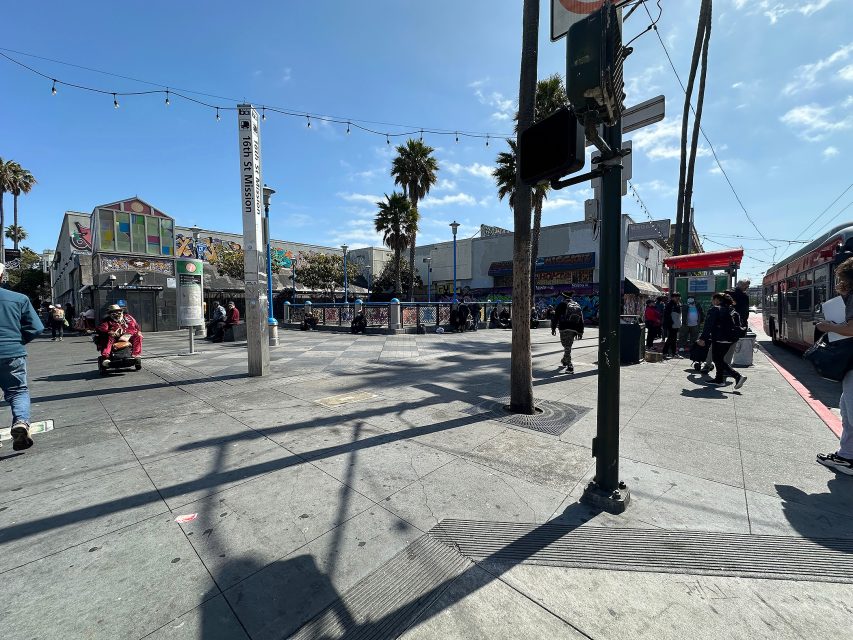
10:19 a.m 6/03, northeast 16th Street BART Plaza. Photo by Lydia Chávez. 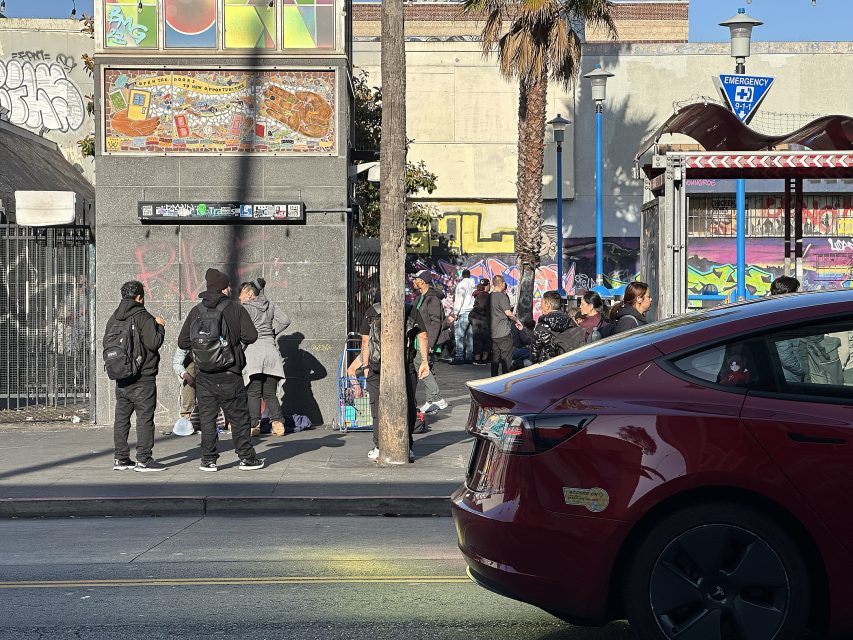
6:12 p.m.. 6/03, east side of Mission Street. Photo by Lydia Chavez.
Southwest 16th Street Plaza and west side of Mission Street
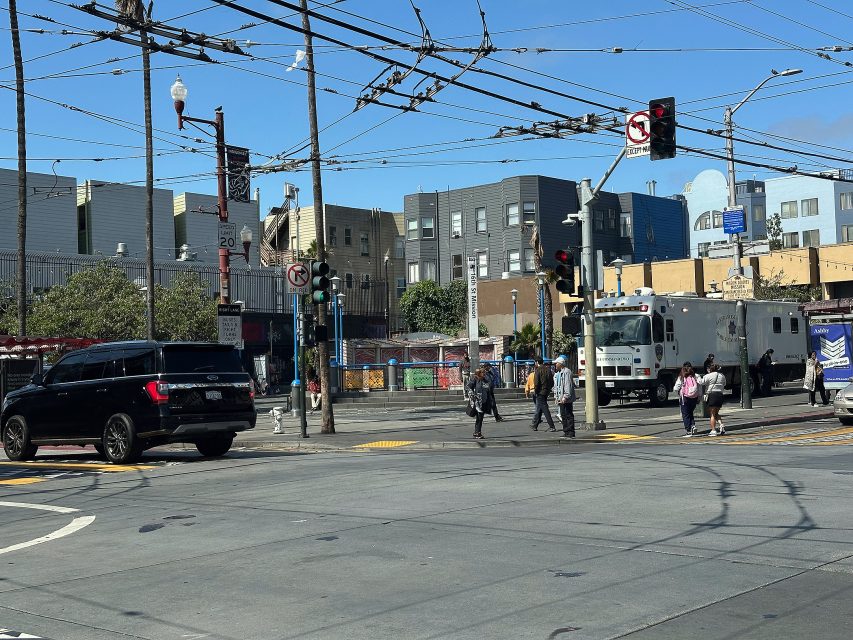
10:18 a.m 6/03, southwest 16th Street Plaza. Photo by Lydia Chávez. 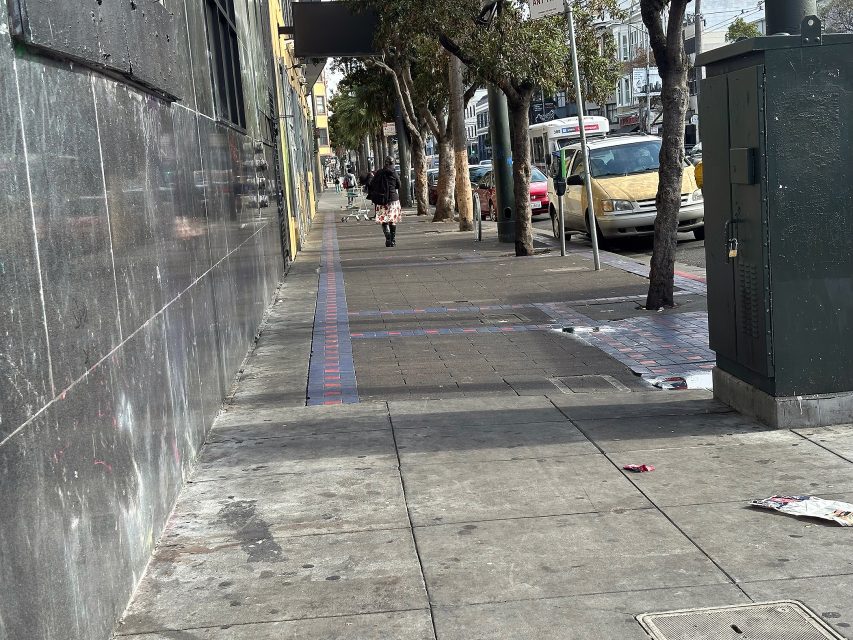
8:46 a.m. 6/03, west side of Mission Street. Photo by Lydia Chávez. 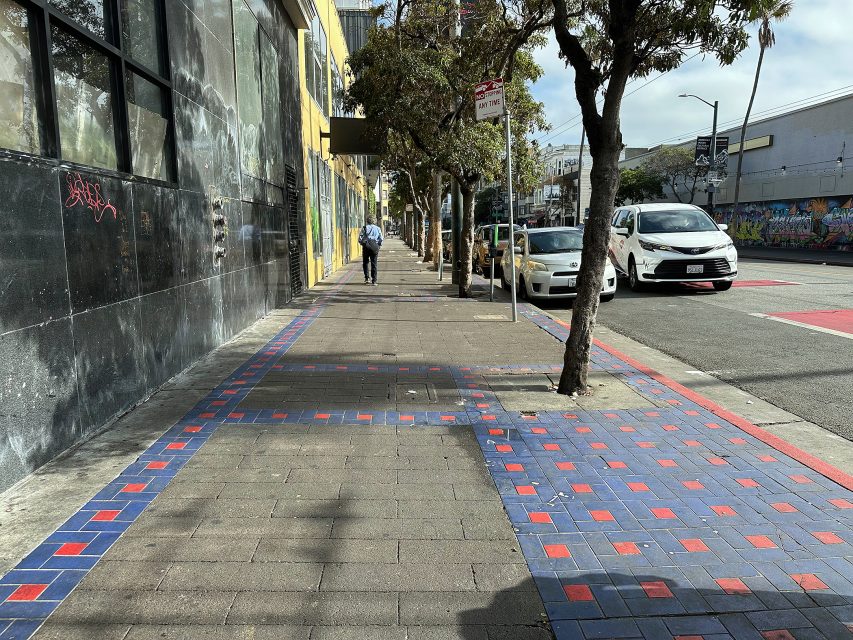
9:08 a.m. 6/03, west side of Mission Street. Photo by Lydia Chávez. 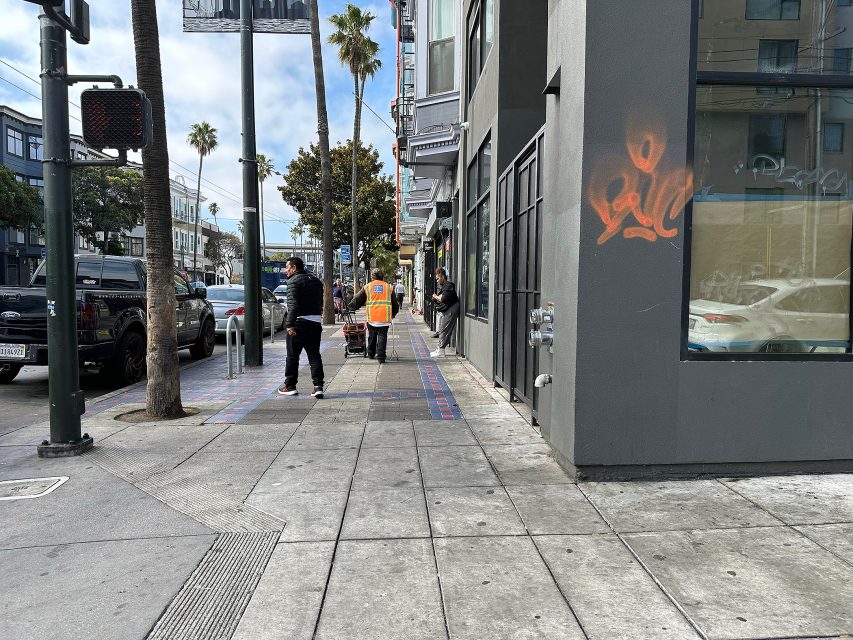
9:13 a.m. 6/03, west side of Mission Street. Photo by Lydia Chávez. 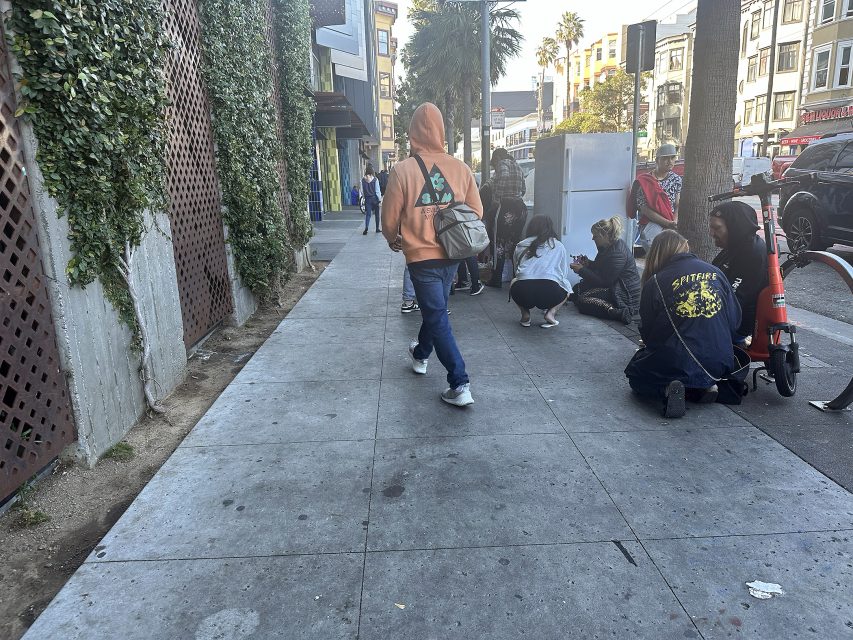
6:12 p.m.. 6/03, west side of Mission Street. Photo by Lydia Chavez. 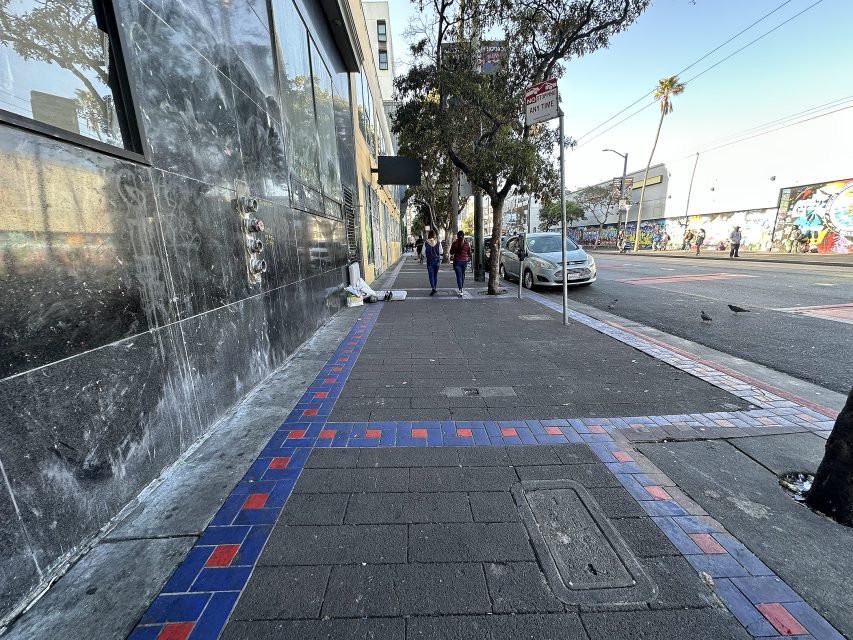
6:13 p.m.. 6/03, west side of Mission Street. Photo by Lydia Chávez. 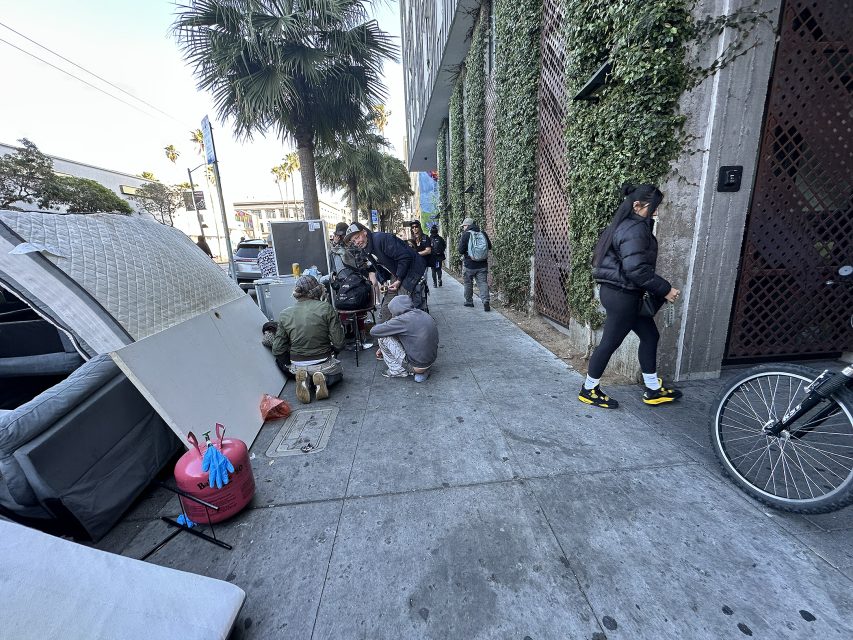
6:13 p.m.. 6/03, west side of Mission Street. Photo by Lydia Chávez. 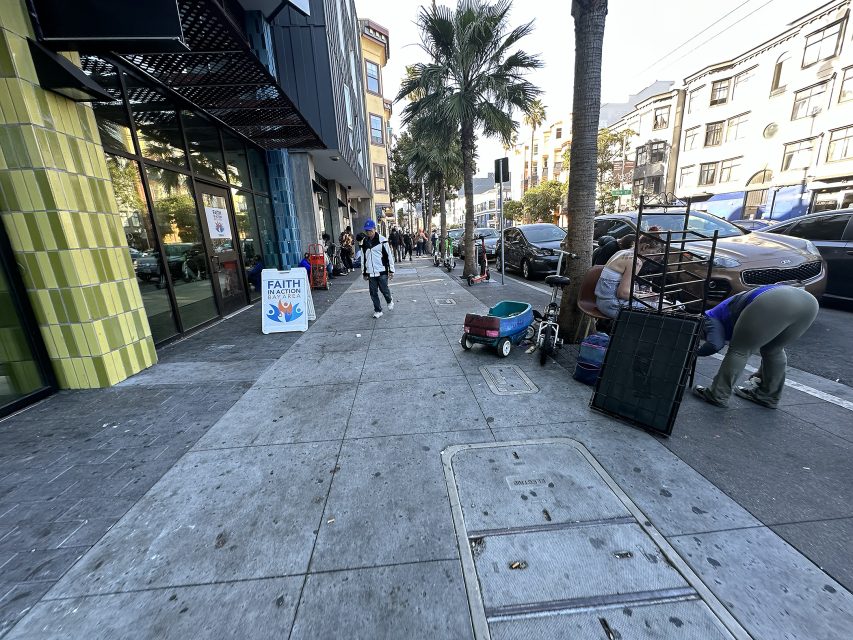
6:13 p.m.. 6/03, west side of Mission Street. Photo by Lydia Chávez.
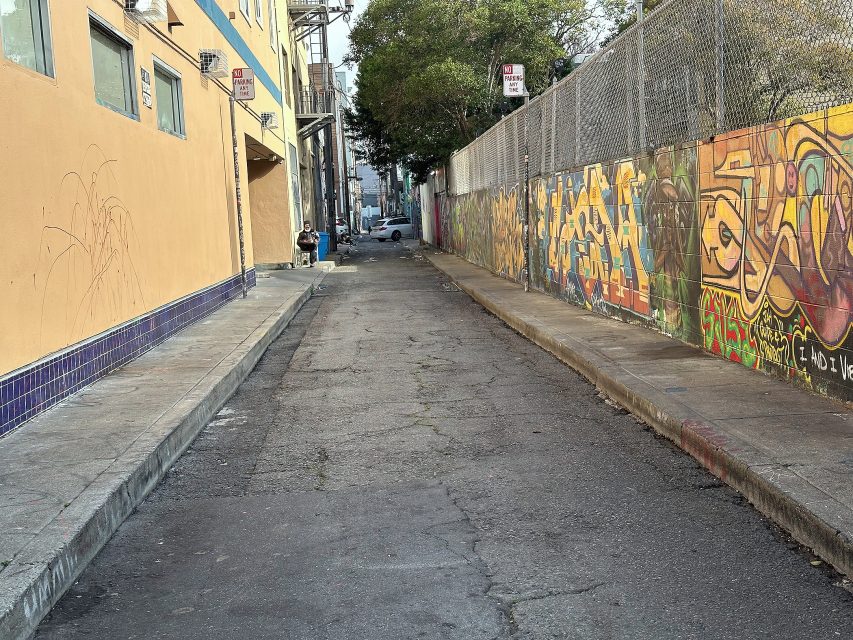
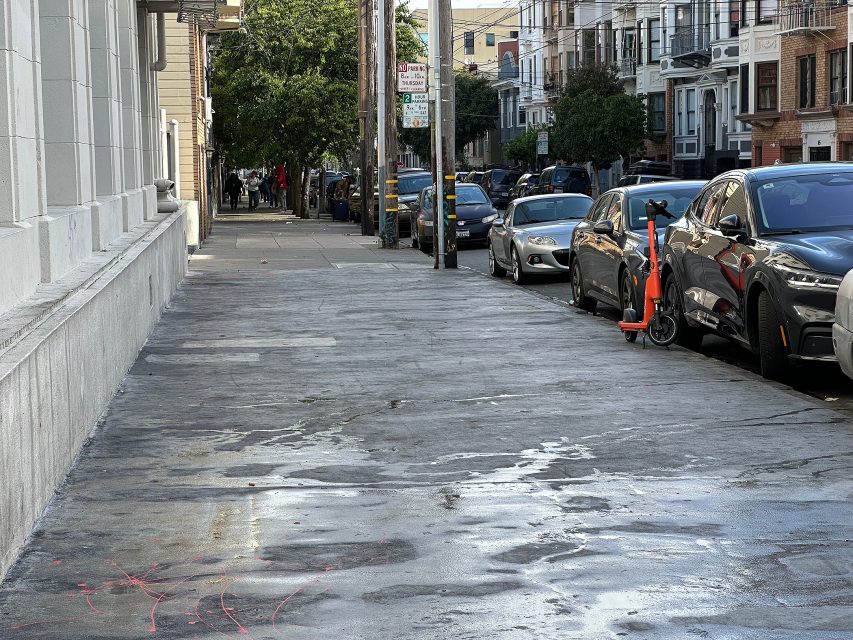
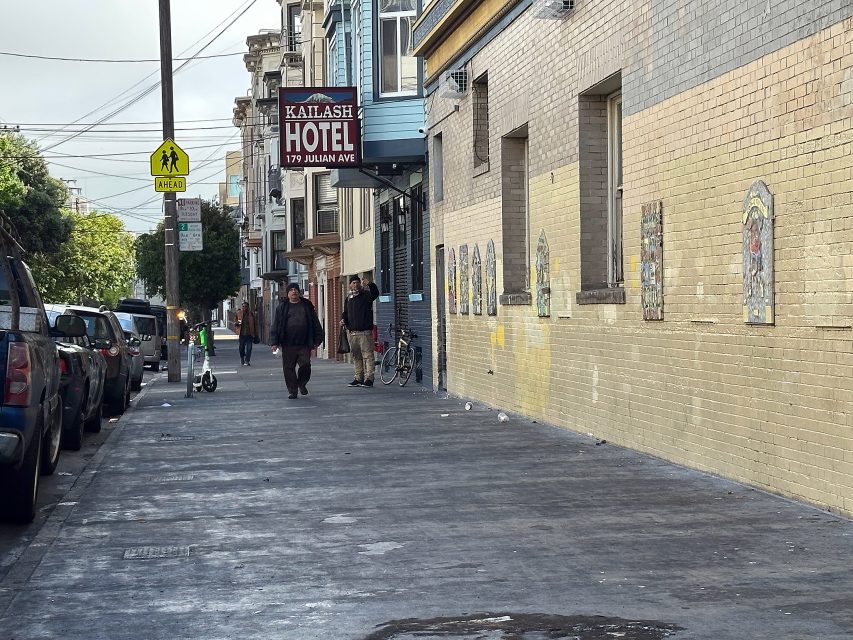
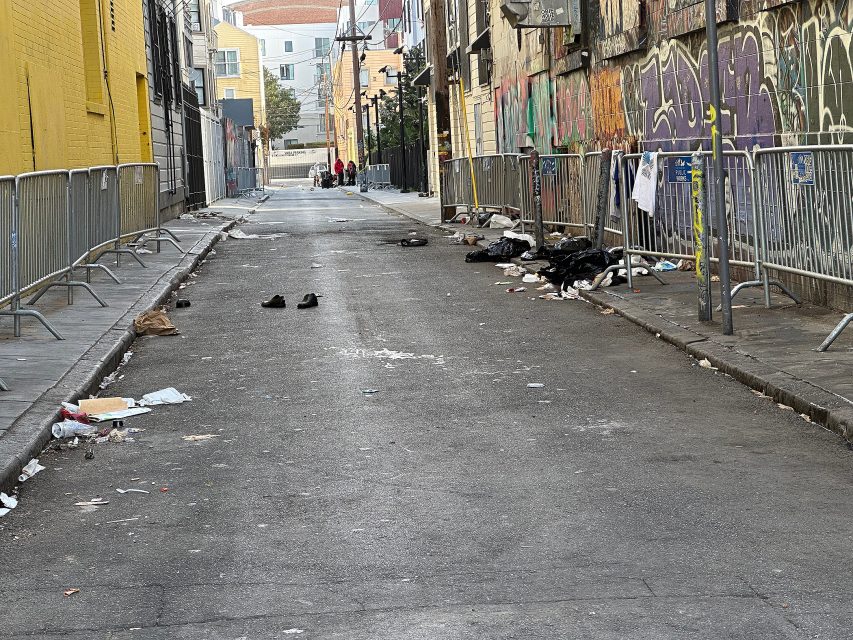
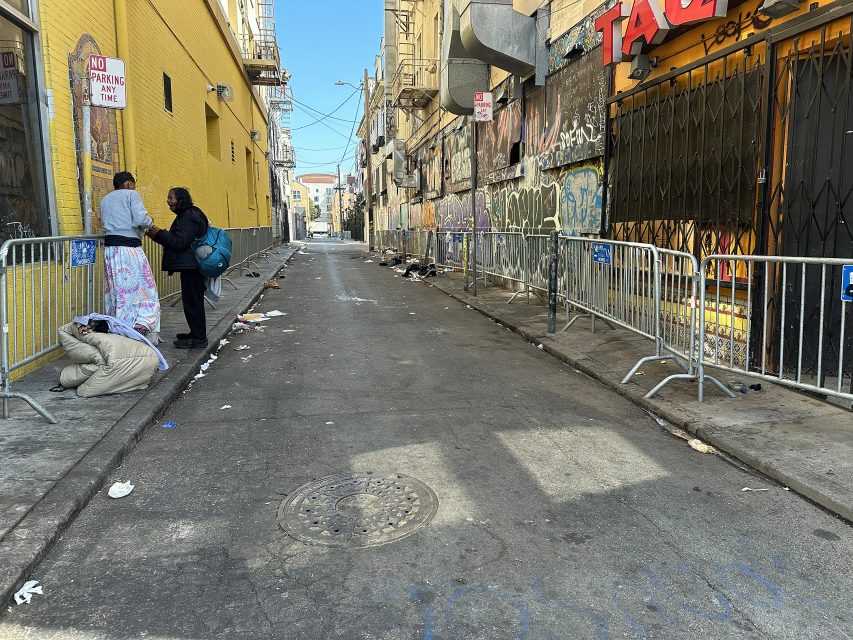
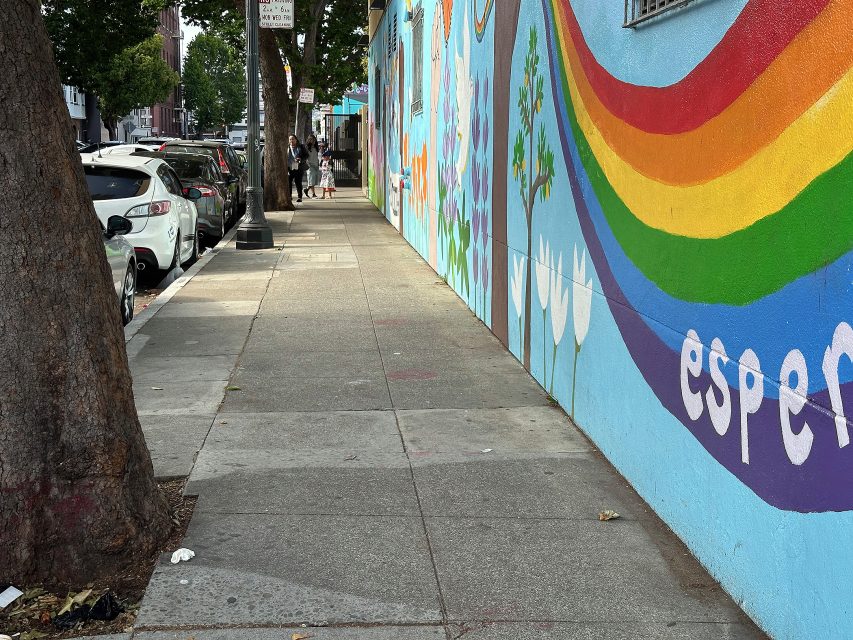
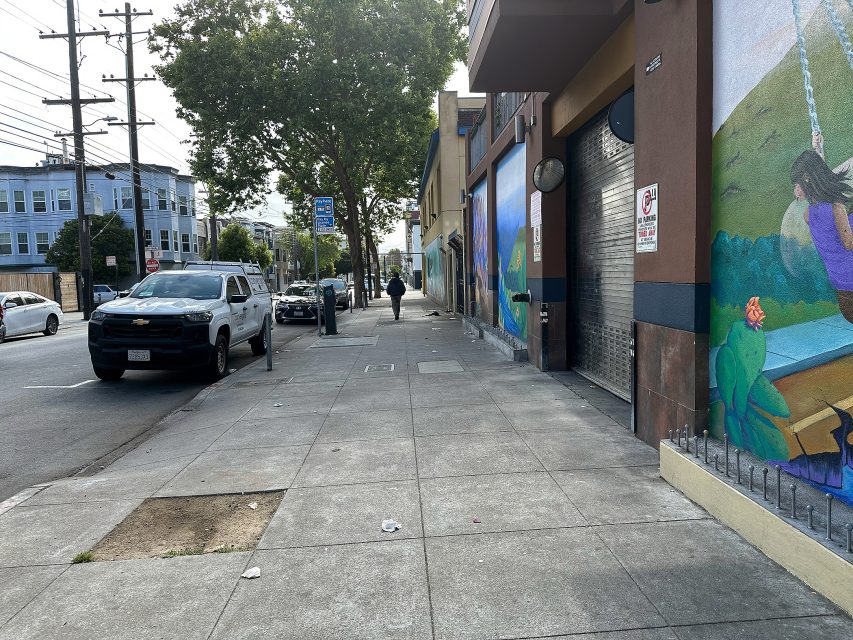
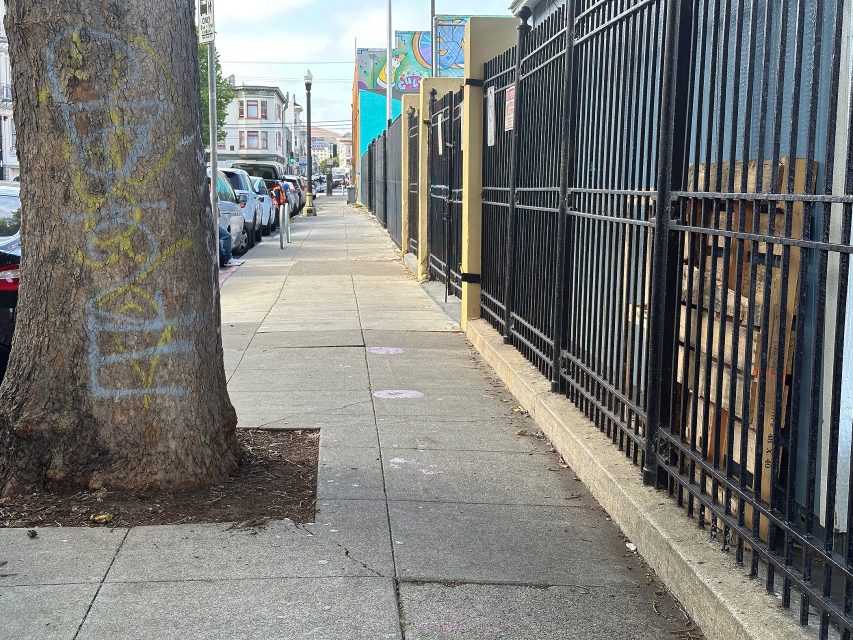
Caledonia Street
Lock em up. Whatever it takes to clean up the Mission, we residents are so sick of the conditions.
Thank you ML for your continued reporting on this.
I spoke with Sup. Mandelma, he said nothing can change because the police don’t know what to do here because the laws are now too complicated. Aghhhhhhh. Madness. Doge those laws.
Pass Weiner’s vending ban & make it 1 strike & jail.
” because the police don’t know what to do here because the laws are now too complicated”. And Supe Mandelmann is buying this and passing it along to the public? No wonder the streets look the way they do. Trust me, with these kinds of attitudes at the PD and political leadership, they can pass any number of ordinances and nothing will change.
I agree with Dr. David Smith.
This is a statewide problem and the LPS Act has absolutely failed the citizenry of the state.
Accordingly, CA should establish drug/mental health treatment facilities/camps in the Central Valley with compulsory treatment as an alternative to jail.
Patients can undergo the necessary rehabilitation and also participate in a jobs program to develop marketable skills and begin contributing back to society to the best of their abilities.
The drug addled and mentally ill will no longer be allowed to fester on the streets of CA cities and towns.
Dr. David Smith is correct. Addicts can’t be forced to enter treatment, any more than I, now an alcoholic in recovery, could be 13 years ago before I decided to join AA and got sober. But that doesn’t mean these folks should face no consequences for their actions. At the very least the courts should sentence them to locked residential drug and/or mental health programs.
The folks who oppose that approach are fighting for their right to live and die on the street. They are a danger to themselves just as much as if they were actively suicidal. The City has to take action. Lord knows what the solution is – and don’t tell me it’s to address the root causes of poverty, substance abuse and mental illness. We’ll be doing that for the next 50 years. Let’s get real. Try more approaches. If they don’t work, try something else.
Let’s think about their lives for a sec.. It’s not easy being homeless. Especially not in San Francisco.. The more that we “lock em up” the worse they become. Cries out for help turn into long term criminal addictive personalities, costing the city millions and transforming already sick, depressed, hungry, lonely, anxious people into outcasts and criminals. It’s societies fault these these young men and woman are the way they are.
These are the spiritual warriors of our future, believe it or not.. They have bared the cross for all of us for years, if you ask me.
Q How about all of the people that hang around 16th and mission 24th and mission, and civic center constantly asking the homeless if they have anything for sale? The illicit street vending market is fueled by these customers looking for a deal so they can buy ANYTHING for next to nothing.. so they can turn a profit, acting like they are helping these poor innocent people when it just causes them to become thieves. You people should be ashamed of yourselves .. have a little bit of compassion. Show a tiny ounce of compassion. Help on of these guys out with a job, or a meal. In the mean time, San Francisco has and always will be a sanctuary city for those that live an alternative kind of lifestyle… Know that this city is 65 percent empty housing there is no excuse for all these homeless people.
BY THE WAY I am homeless myself, mentally ill, and institutionalized.. I have been a resident of San Francisco for year attempting to get housing through one of the “coordinated access points.” It is a complete joke..I was finally shown my first housing offer in 2 years, directly across the shelter I am in on six street. I am in recovey as well and the fact that my only offer was in a drug addled neighborhood when I voiced my concern about drug use in the area. After waiting 3 months for my application to clear for this spot I was pressured to saying yes to, I was denied because of my criminal background.
Folks, In the past year while awaiting emergency housing I have been sexually assaulted and sexually harassed by countless people holding a warm place to lay down for the night over my head like a back of heroin. I have been robbed at gunpoint, pepper sprayed for not participating in homosexual activity ( a male) I’m still without housing and I’ve toldu housing navigator all these things.
” They ” are not the problem.
I’m assuming that not one of you has any fist hand experience with addiction or homelessness. Especially not in San francisco.. Similar to Daniel Laurie, the spoiled “Levis King .”The more that we “lock em up” the worse they become. Turning cries out for help into long term criminal addictive personalities, costing the city millions and transforming already sick, depressed, hungry, lonely, anxious l people into outcasts and criminals. It’s societies fault these these young men and woman are the way they are.
These are the spiritual warriors of our future, believe it or not.. They have bared the cross for all of us for years, if you ask me. How about all of the people constantly asking the homeless if they have anything for sale? The illicit street vending market is fueled by these customers looking for a deal so they can buy ANYTHING for next to nothing.. so they can turn a profit, acting like they are helping these poor innocent people when it just causes them to become thieves. You people should be ashamed of yourselves .. have a little bit of compassion. Show a tiny ounce of compassion. Help on of these guys out with a job, or a meal. In the mean time, San Francisco has and always will be a sanctuary city for those that live an alternative kind of lifestyle… I’m praying for you all
Sounds like we gotta build some more jails! Maybe a new purpose for floors 2-15 of the Marvel in the Mission!