
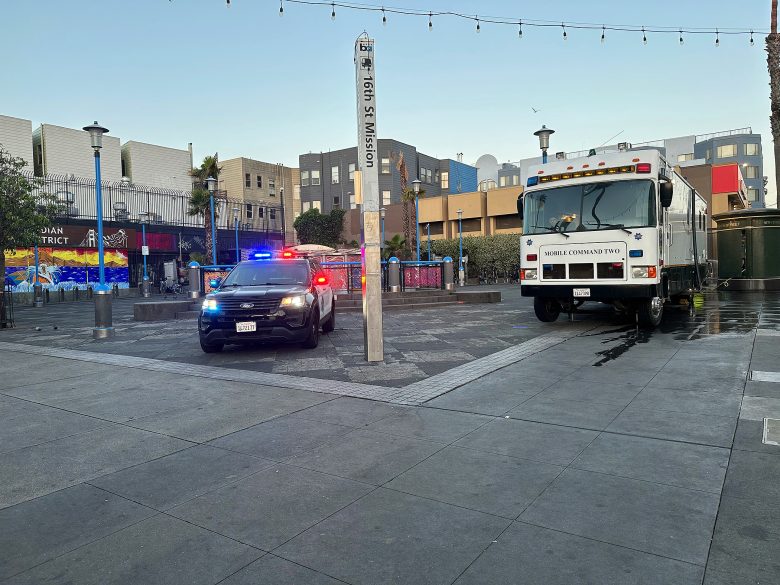
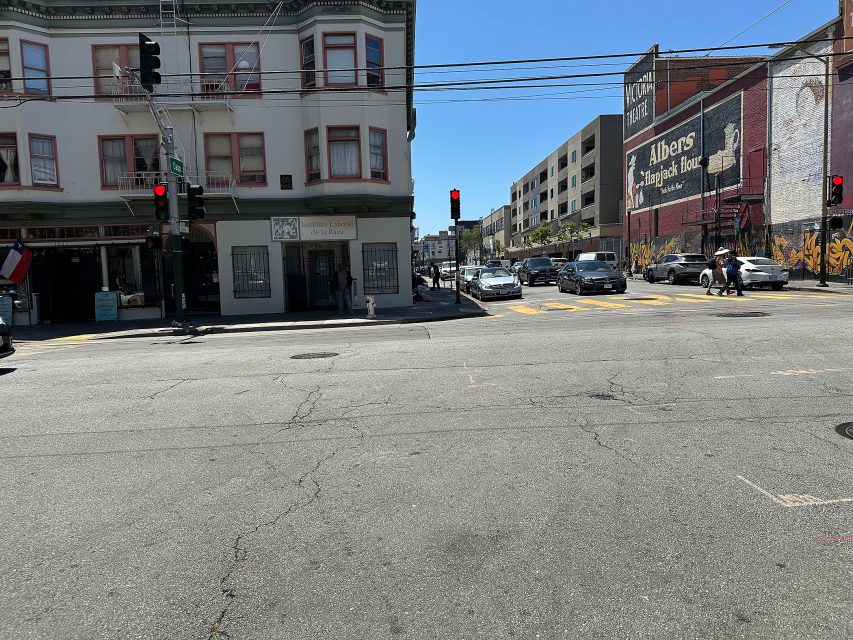
For many weeks now, it’s been clear that the southwest 16th Street BART plaza, where the San Francisco Police Department has parked a mobile unit, is close to pristine. The northeast plaza, however, sits worlds away. The nook at the north entrance of BART is basically an encampment without tents.
Often, the men and women there are using drugs, pipes out. Others are just hanging out or slumped over. At 6 a.m today, it appeared that many had been there all night.
When I asked a man wearing a black Pismo Beach hoodie if he had slept there, he said, “This is where we are,” and punctured the bottom of a cannister that then spewed what appeared to be nitrous oxide. He declined to say.
He sat in a circle of three men, two with glass pipes. Another man behind the circle stretched out his arms as if he was just waking up, and then bent over and vomited into a decorative planter. It’s no surprise that fewer transit riders appear to enter BART from the northeast side.
No pictures, the man in the Pismo hoodie said. Unless, of course, I wanted to offer some money.
It’s been 81 days since Mayor Daniel Lurie made 16th and Mission streets ground zero for his efforts to clean up the city, and readers are correct in wondering what the strategy is here.
Essentially, the city has gained control over the one plaza, where it has parked an RV-sized mobile unit with flashing lights. From the start, that was the least problematic plaza, simply because the businesses around it remain open.
The officer working at the mobile unit on the southwest plaza slid open his window to talk this morning. He’d been there since 9 p.m. Officers, he said, do visit the northeast plaza, but those inside the unit have to remain in the unit.
In three visits to the plazas and side streets today, I saw one police car driving down Wiese Street and another (empty) police car parked near the mobile unit. No uniformed police were on patrol. But storekeepers who are there daily say they see more of a police presence. They’re unsure it is working. Once the officers leave, the activity resumes, they said.
The northeast plaza was always going to be more of a problem because of the abandoned Walgreens that runs along the north and eastern sides of the plaza. Could the mobile unit do more good there?
Vending starts slow, picks up at noon and, by 6 p.m., it’s mostly about drugs
At 6 a.m. today, one young man with pinkish hair said he had just gotten off a bus to sell two items on the east side of Mission Street. One of the items was a packaged brush. Otherwise, there was little going on.
When I returned at noon, more than three dozen vendors packed the west side of Mission street. They sold everything from packaged chicken to batteries and cauliflower; they covered the sidewalk from 16th Street, across 15th Street, and all the way to the entrance mid-block of a flea market run by Arriba Juntos.
A few pupusa stands gave Mission Street the feeling of a legitimate market, but the random nature of the goods made it more likely that they were stolen, picked up at food banks or maybe scavenged from elsewhere. Inside the permitted market run by Arriba Juntos, everything seemed orderly and less frantic than the street.
The east side of Mission Street remained fairly quiet at noon. Gustavo, who works at Medithrive, said the vendors switch sides without any apparent reason, and the vending can go on all night. Mark, who works next door at a liquor store, said that when he leaves at 2 a.m., vendors are still there.
When I returned at 6 p.m., it quickly became clear that there was more activity. Julian Avenue and Wiese Street were fuller. I turned north at Mission Street to walk through the vendors again, but most had picked up and left.
Still, the place was buzzing. This time with misery. It seemed like every fourth or fifth person had a glass pipe out, a few smoked openly (no, they did not want their photographs taken). Some slumped over. Trash from the earlier vending abounded. The pupusa stands were long gone.
I again knocked on the door of the mobile command unit. The officers there are friendly and helpful. I asked about their strategy. The officer paused, explained that they do confiscate drug paraphernalia and write citations, but the users are just back out again. Then, the officer suggested I talk to the captain. We will try to do that this week.
I stopped in to see Adam Manson, the owner of the Big Finish wine tavern, who hosted the first 16th Street Alliance meeting with Mayor Daniel Lurie back in mid-March. He remains positive about the mayor, but says the city doesn’t seem to be “treating the problem holistically” and instead putting out fires here and there: “There’s just no consistency.”
Visits at 6 a.m., noon and 6 p.m.
The northeast plaza and east side of Mission Street
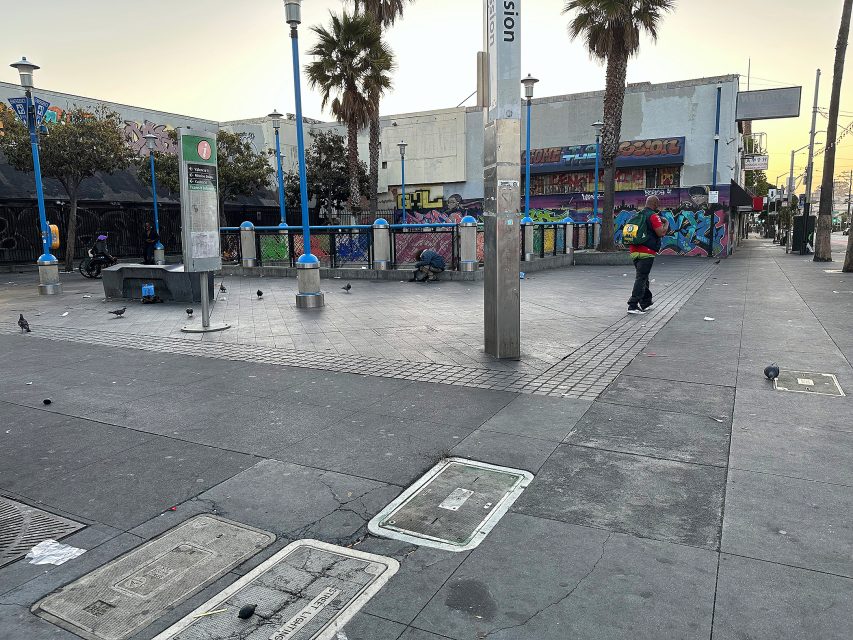
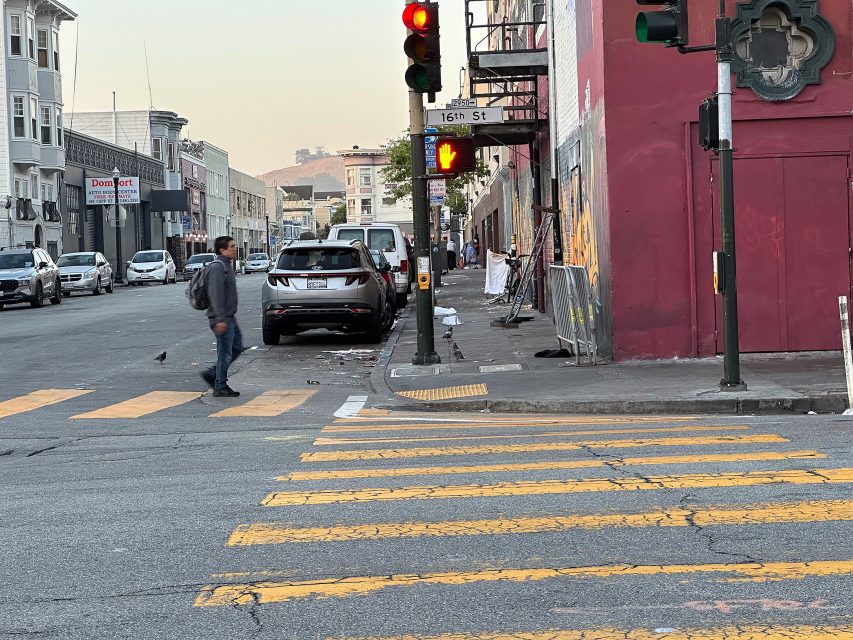
5:55 a.m. 5/31 northeast plaza. Photo by Lydia Chávez. 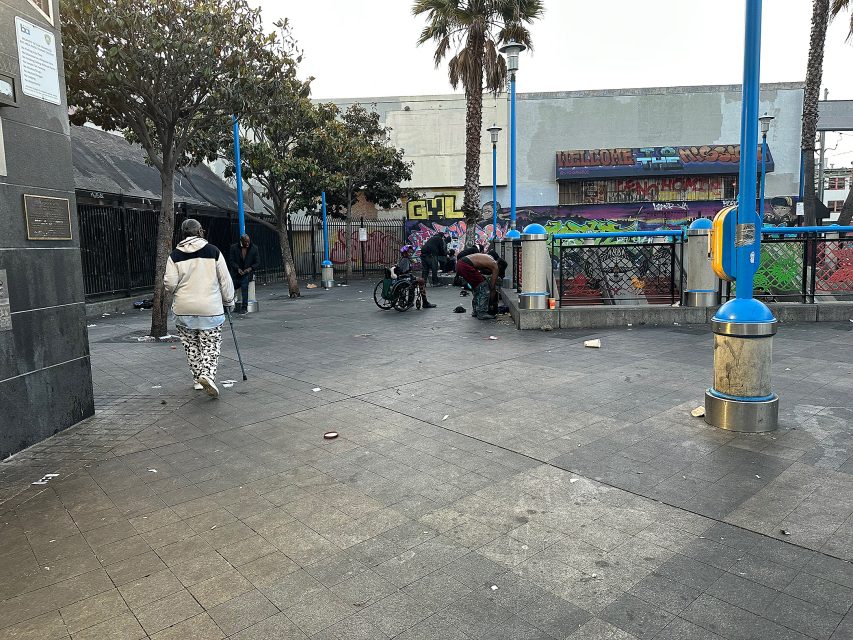
5:55 a.m. 5/31 northeast plaza. Photo by Lydia Chávez. 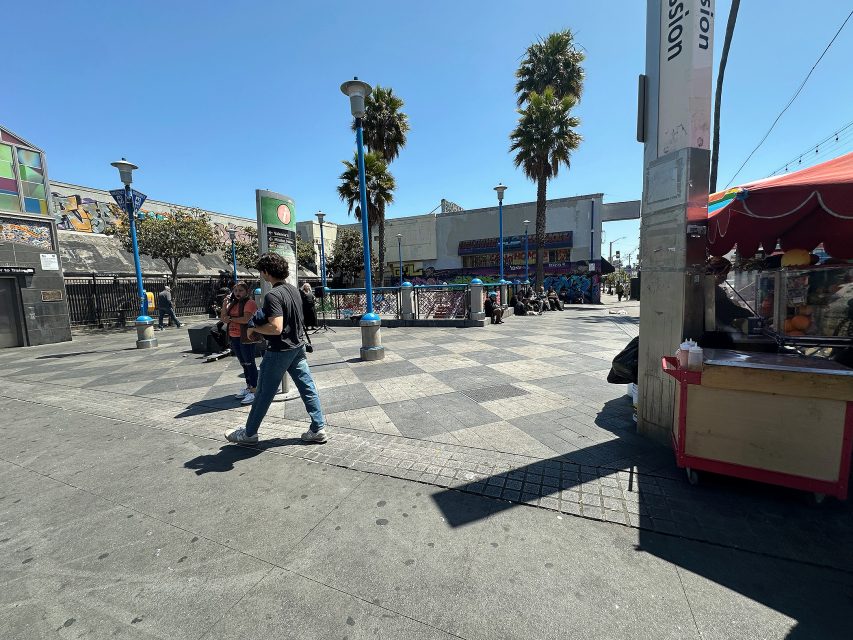
11:55 a.m. 5/31 northeast plaza. Photo by Lydia Chávez. 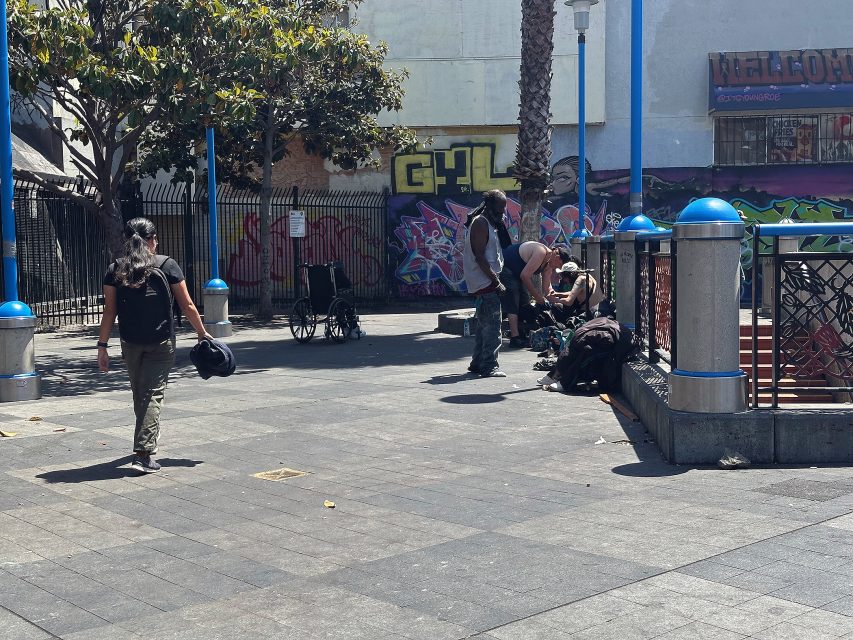
11:55 a.m. 5/31 northeast plaza. Photo by Lydia Chávez. 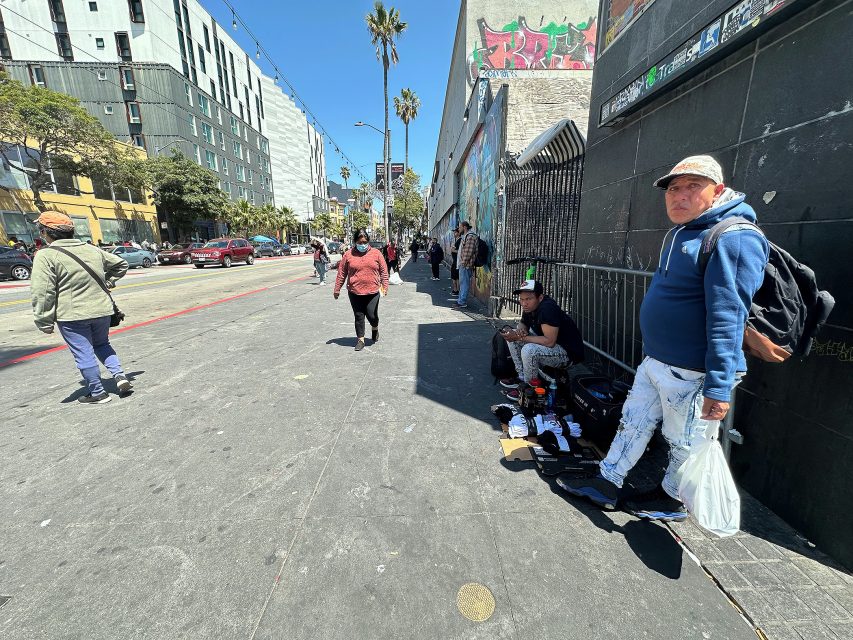
11:55 a.m. 5/31 northeast plaza. Photo by Lydia Chávez. 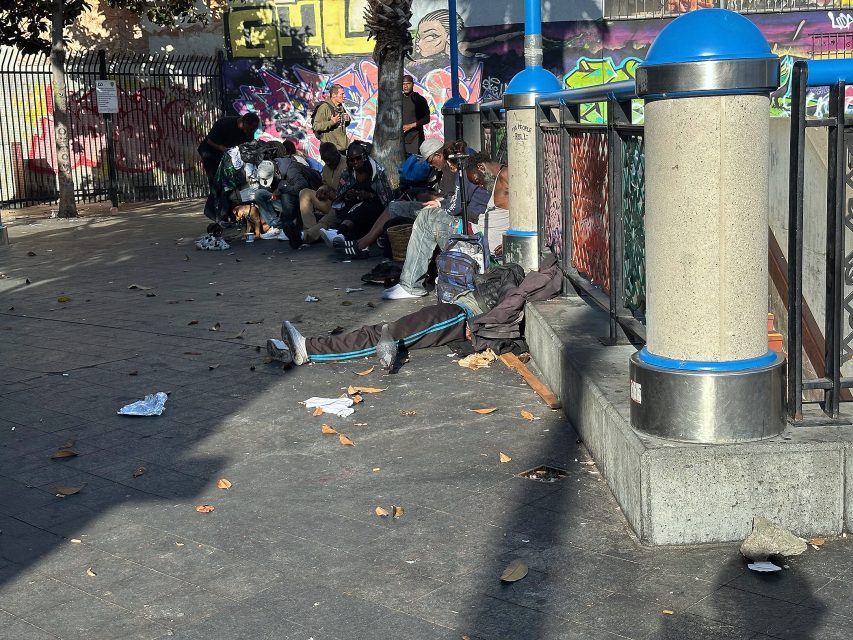
6:12 p.m. 5/31 northeast plaza. Photo by Lydia Chávez. 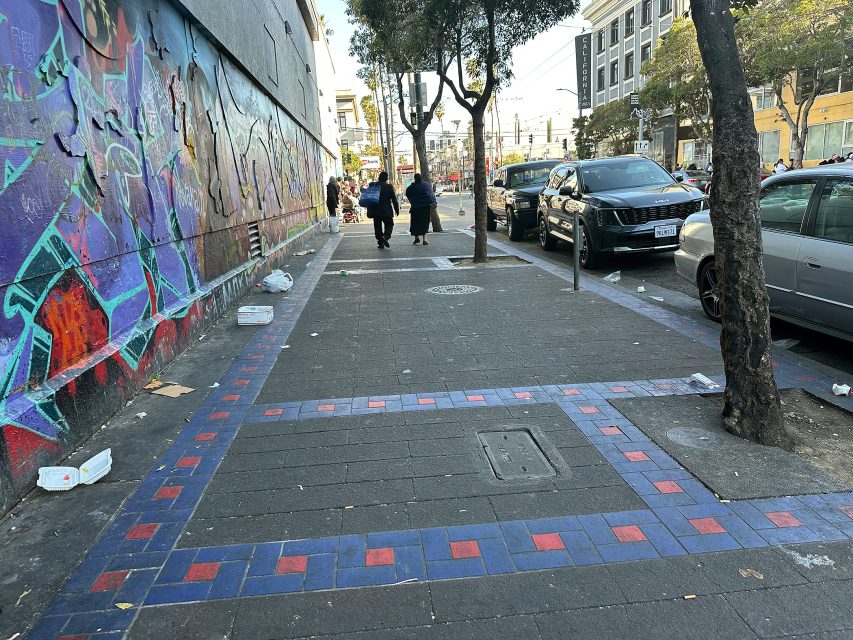
6:12 p.m. 5/31, east side of Mission Street, Photo by Lydia Chá
The southwest plaza and west side of Mission Street
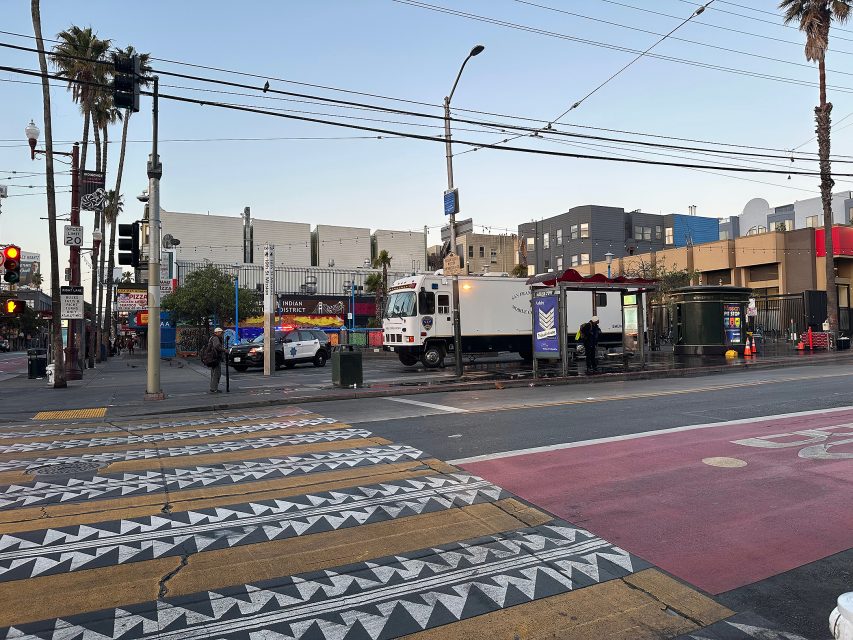
5:53 a.m. 5/31 southwest plaza, Photo by Lydia Chávez 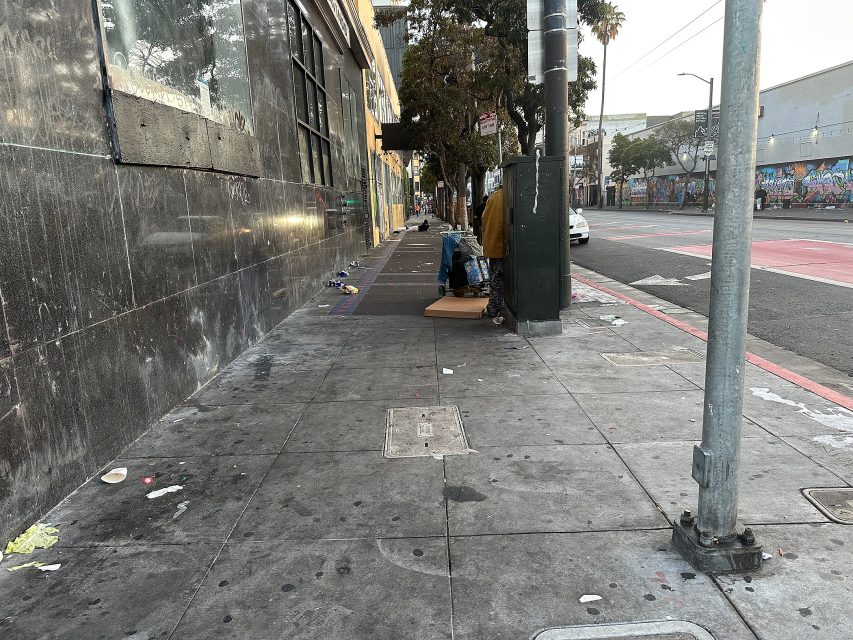
6:02 a.m., 5/31 west side of Mission Street. Photo by Lydia Chávez. 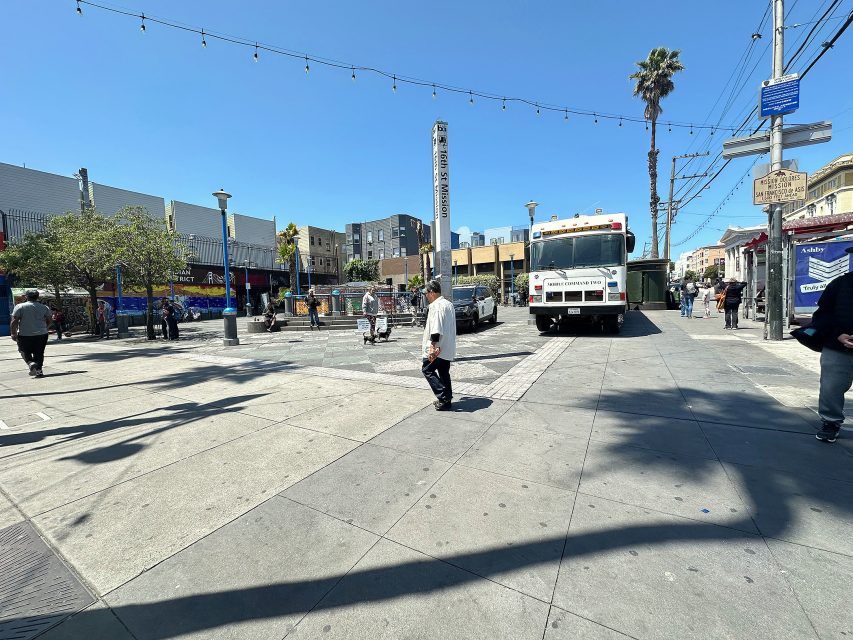
11:54 a.m. 5/31 southwest 16h Street BART Plaza. Photo by Lydia Chávez. 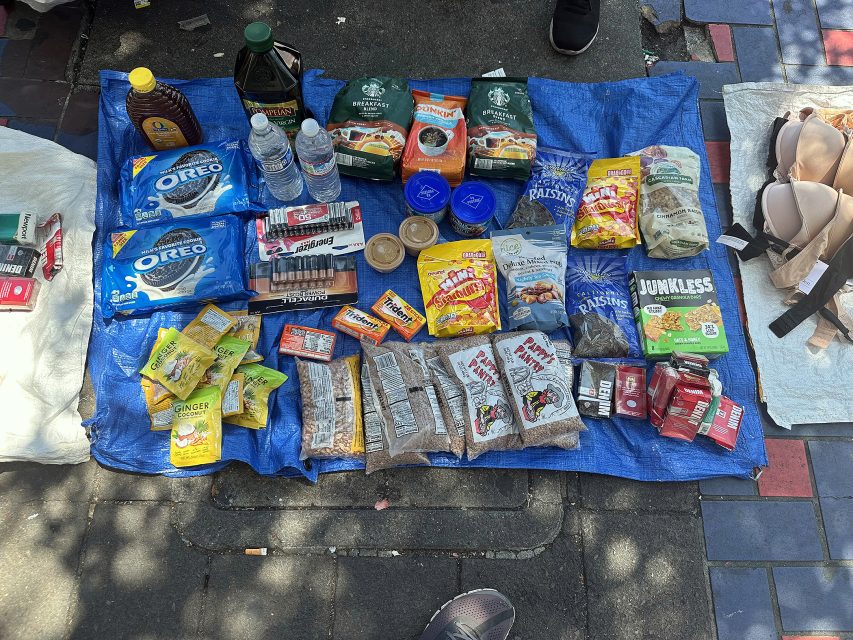
11:59 p.m. 5/31, west side of Mission Street, north of the plaza. Photo by Lydia Chávez. 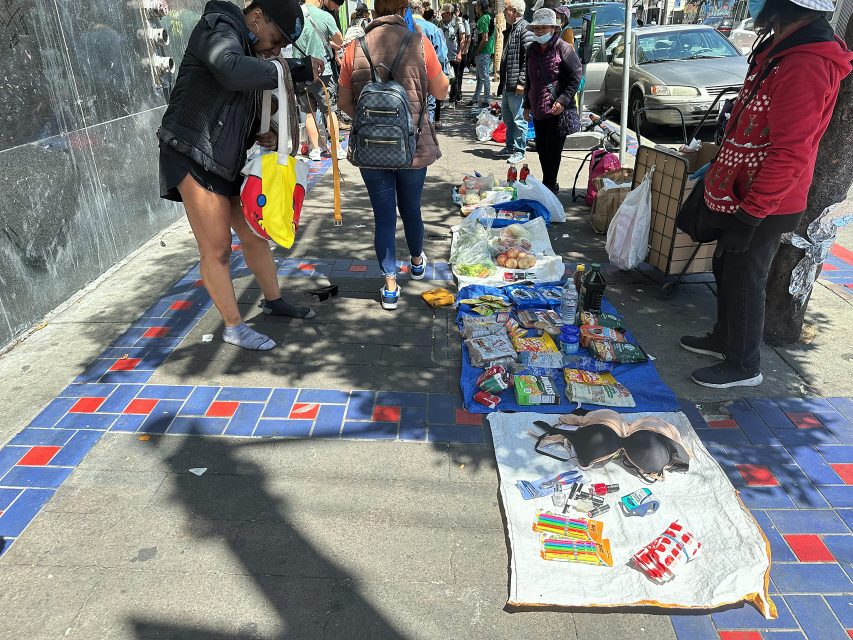
11:58 a.m. 5/31, west side of Mission Street near 16th Street BART Plaza. Photo by Lydia Chávez. 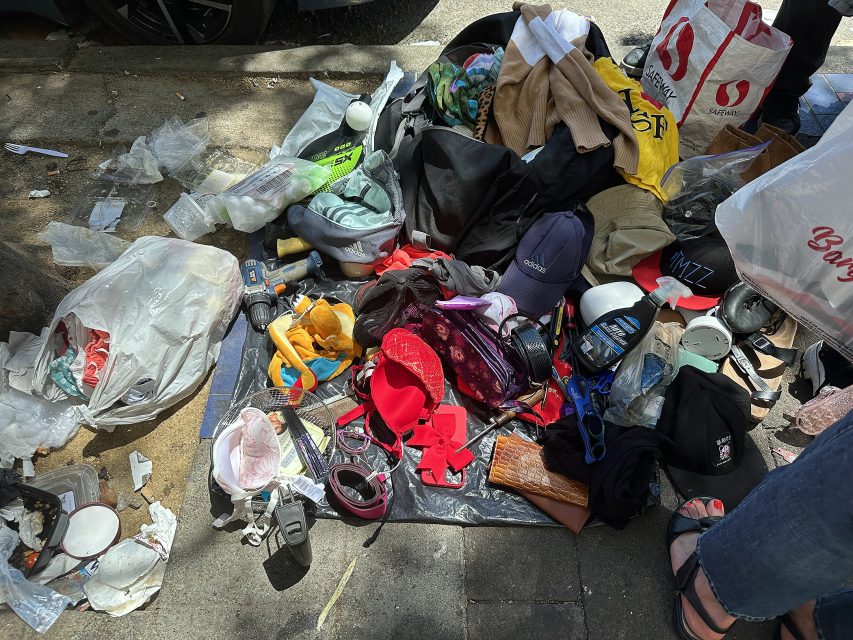
12:01 p.m. 5/31, west side of Mission Street north of the 16h Street BART Plaza. Photo by Lydia Chávez. 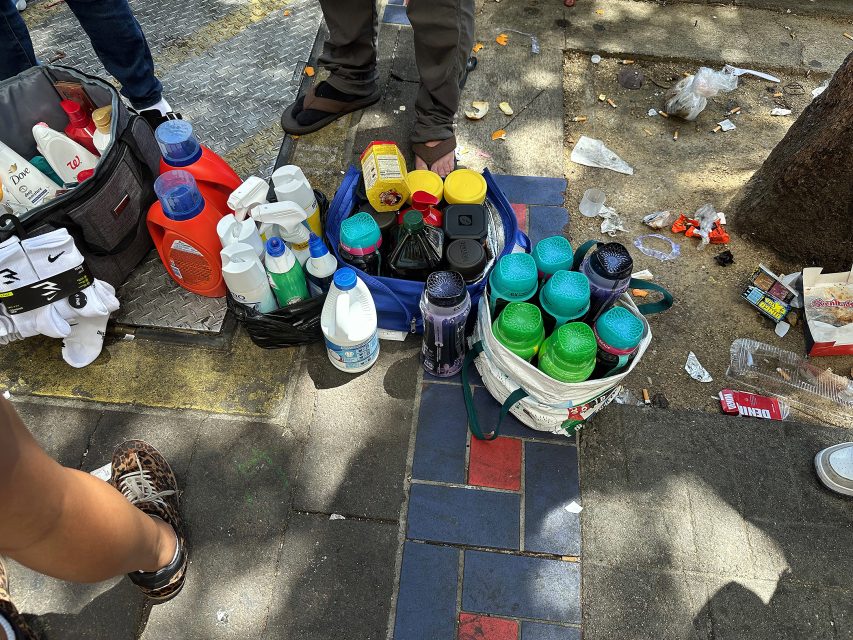
12:01 p.m. 5/31, west side of Mission Street, north of the 16th Street BART Plaza. Photo by Lydia Chávez. 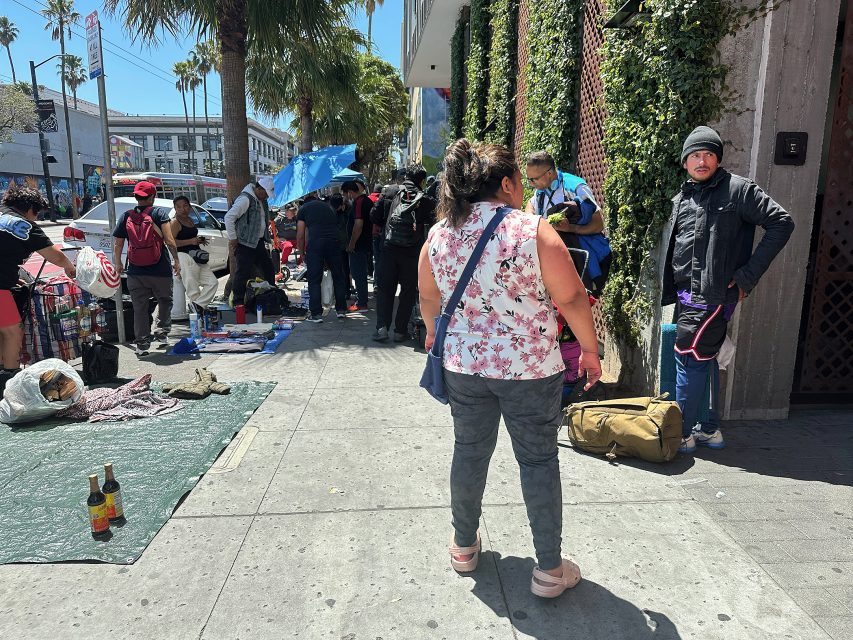
12:02 p.m. 5/31, west side of Mission Street north of the 16th Street BART Plaza. Photo by Lydia Chávez. 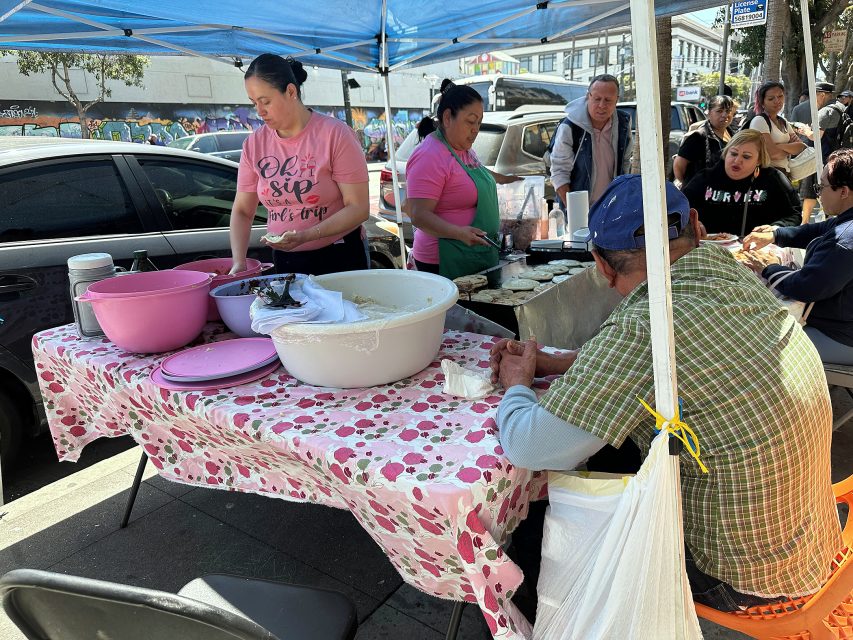
12:02 p.m. 5/31, west side of Mission Street north of the 16th Street BART Plaza. Photo by Lydia Chávez. 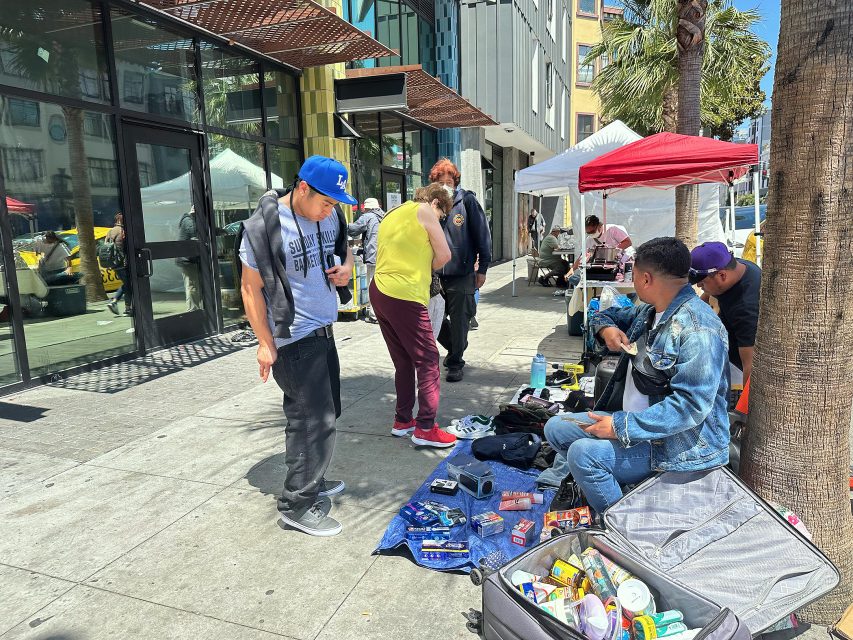
12:03 p.m. 5/31, west side of Mission Street north of the plaza 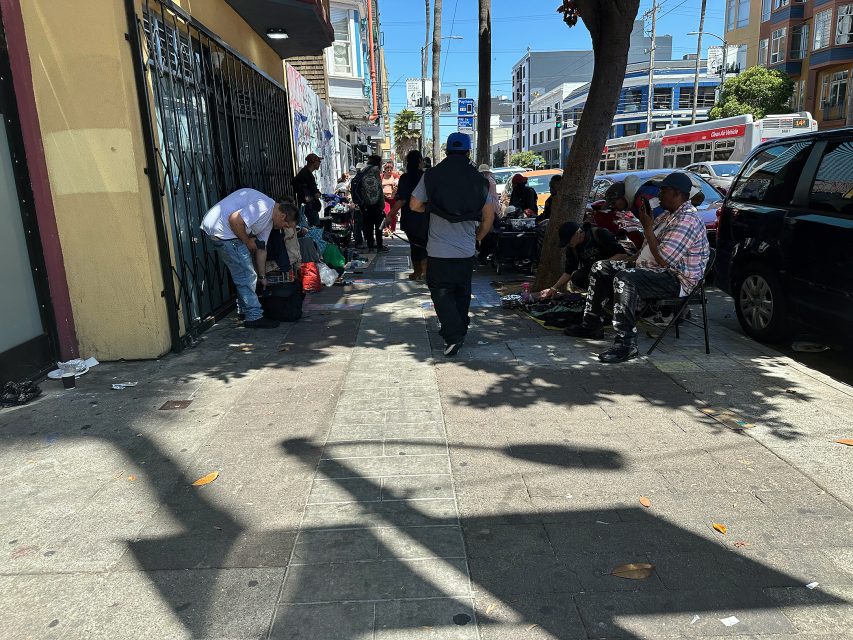
12:03 p.m. 5/31, west side of Mission Street north of the 16th Street BART Plaza. Photo by Lydia Chávez. 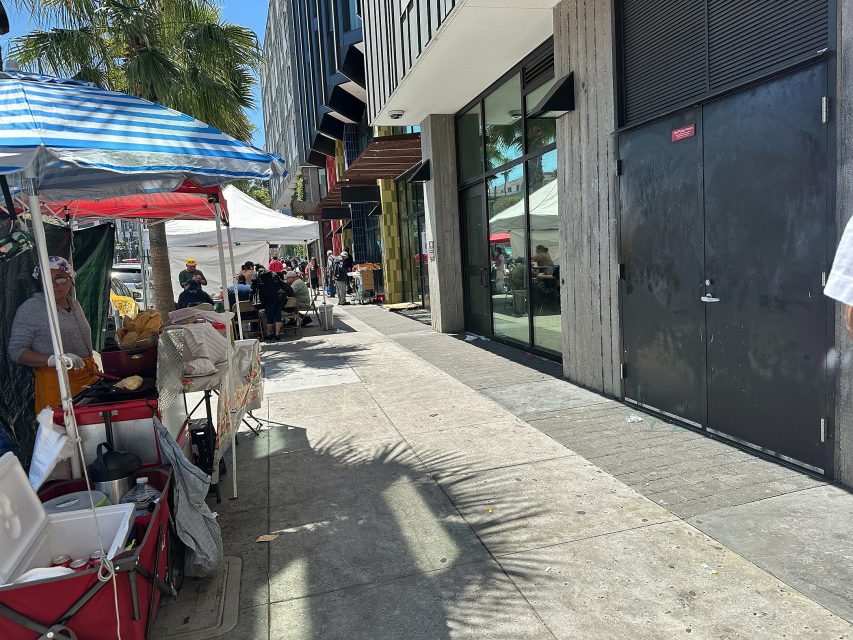
12:03 p.m. 5/31, west side of Mission Street north of the 16th Street BART Plaza. Photo by Lydia Chávez. 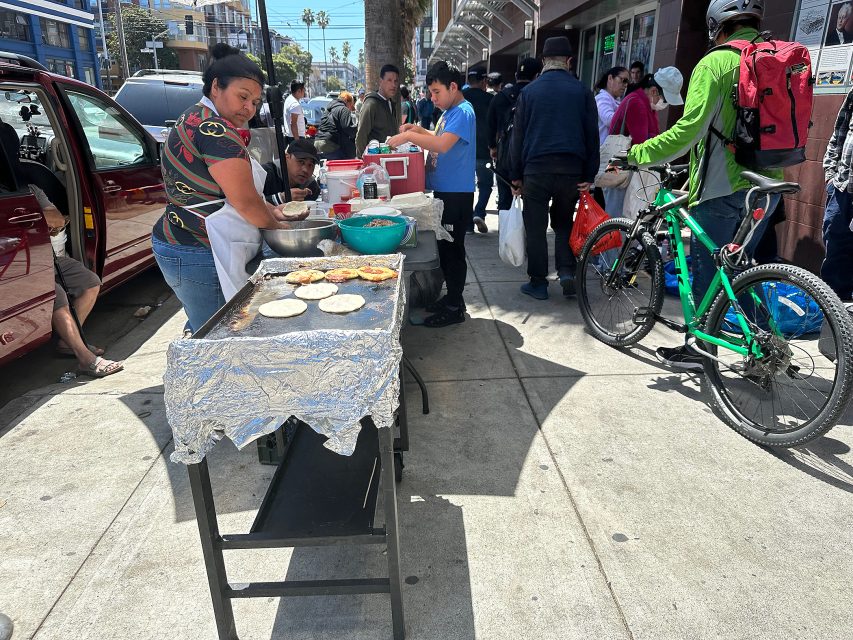
12:05 p.m. 5/31, west side of Mission Street north of the plaza 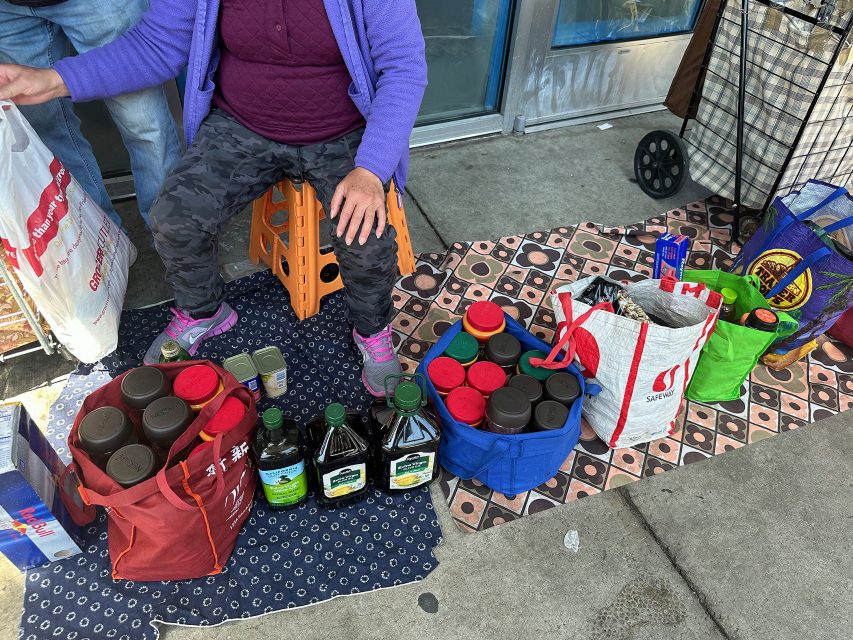
12:05 p.m. 5/31, west side of Mission Street north of the 16th Street BART Plaza. Photo by Lydia Chávez. 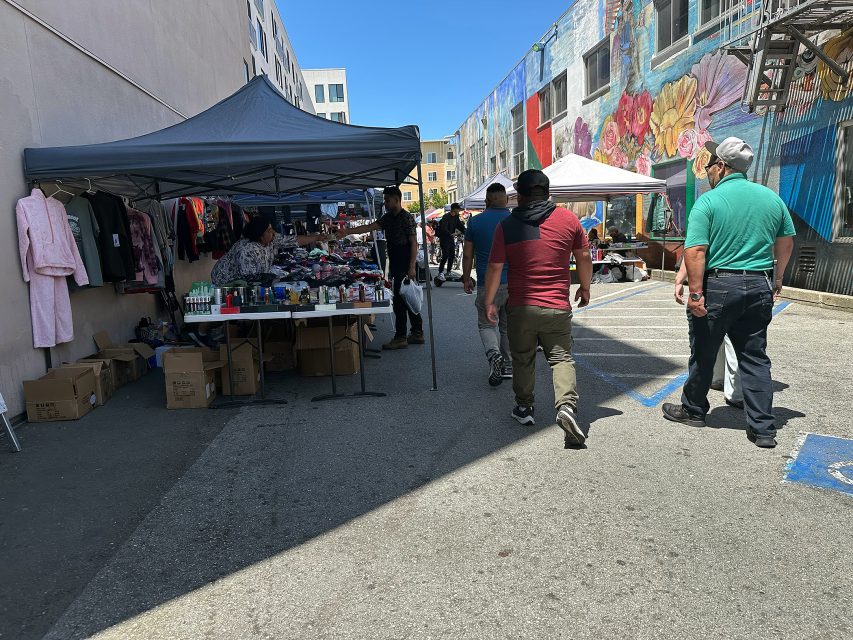
12:05 p.m.. 5/31, entrance to Arriba Juntos market. Photo by Lydia Chávez. 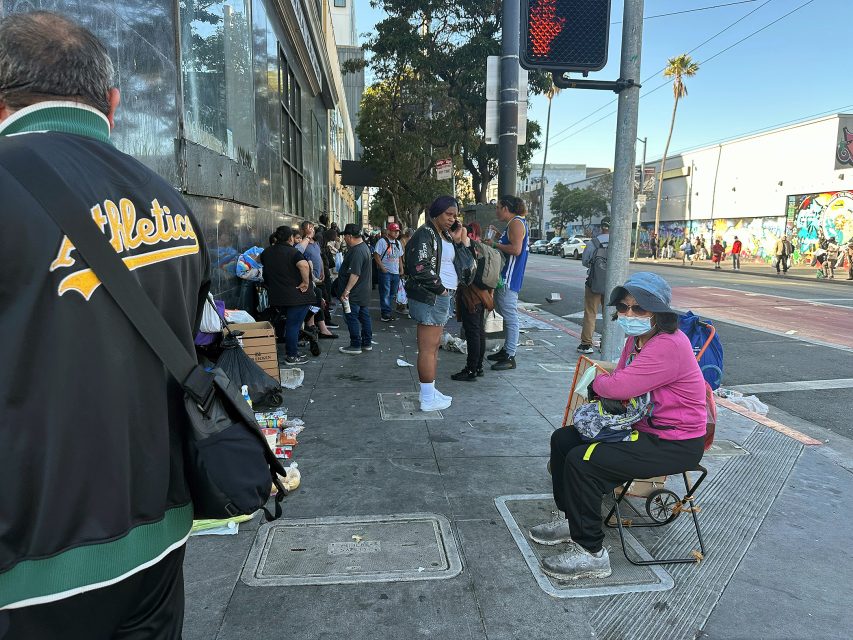
6:04 p.m. 5/31, west side of Mission Street. Photo by Lydia Chávez. 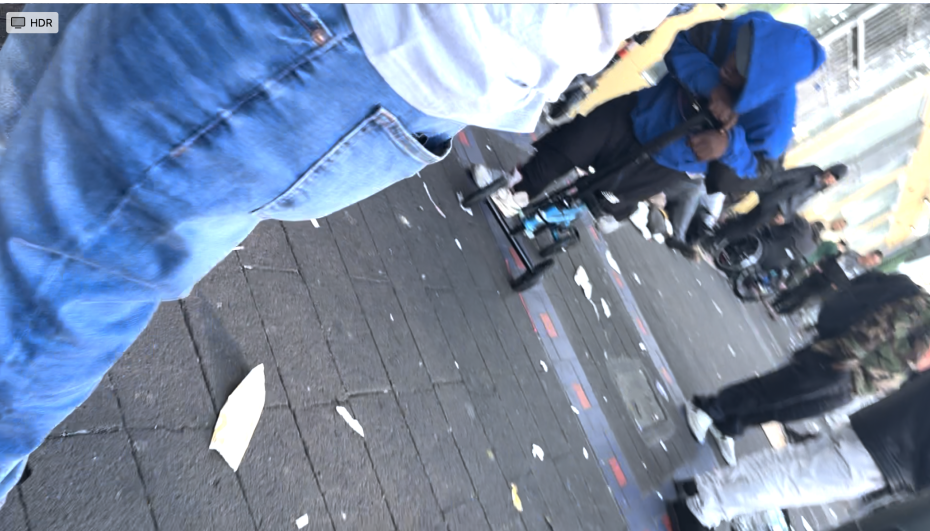
6:07 p.m. 5/31, southwest 16th Street BART Plaza. Photo by Lydia Chávez. 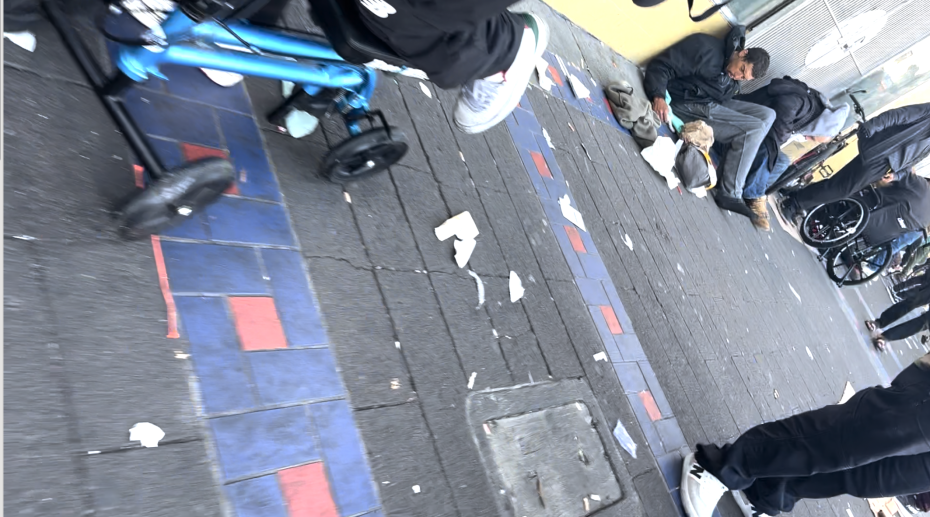
6:07 p.m. 5/31, southwest 16th Street BART Plaza. Photo by Lydia Chávez. 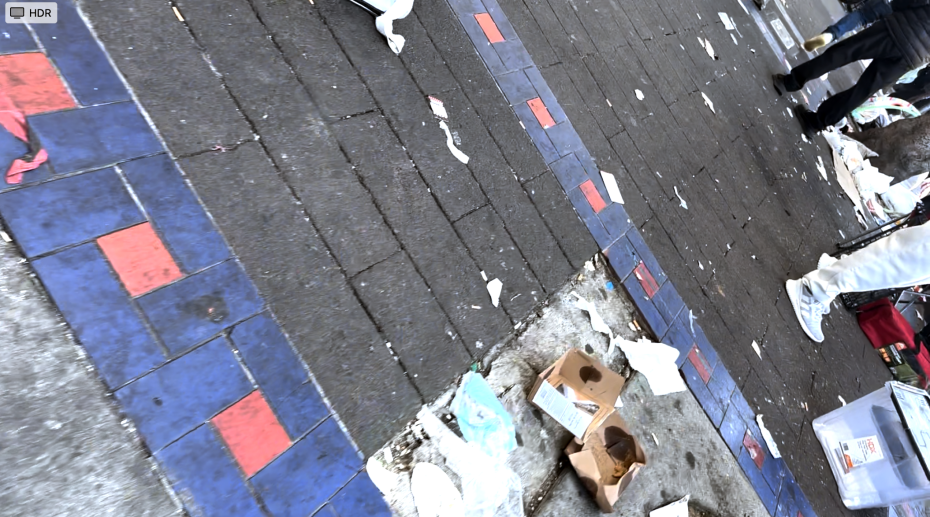
6:07 p.m. 5/31, southwest 16th Street BART Plaza. Photo by Lydia Chávez. 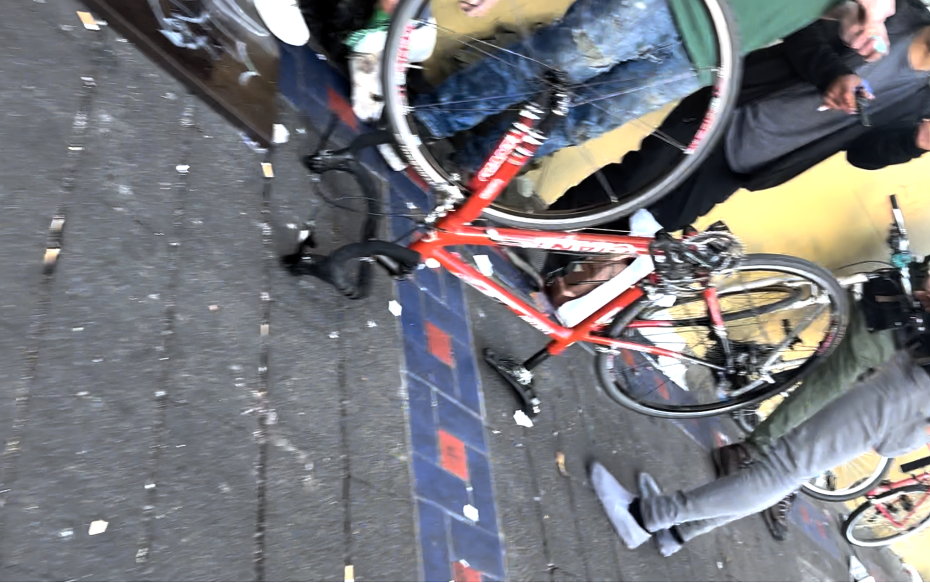
6:07 p.m. 5/31, southwest 16th Street BART Plaza. Photo by Lydia Chávez. 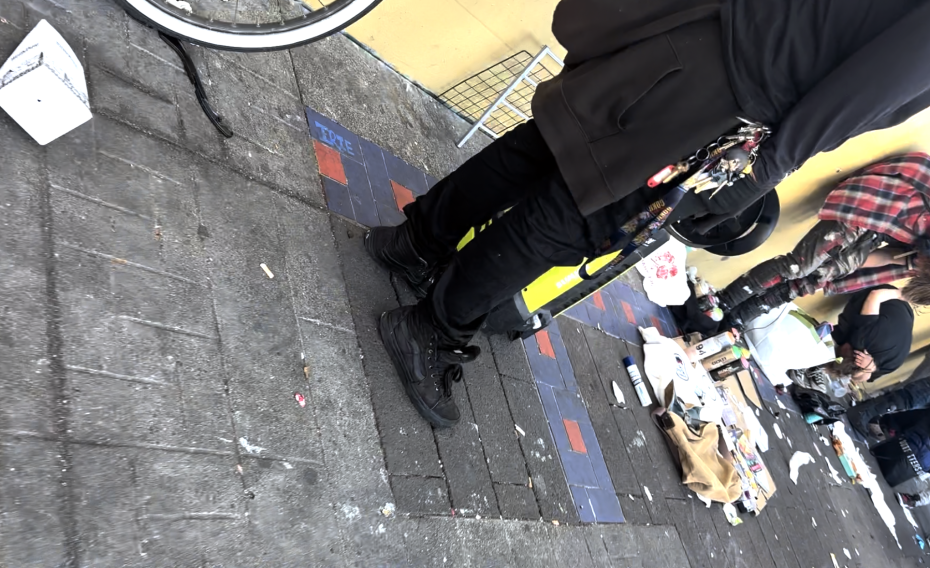
6:07 p.m. 5/31, southwest 16th Street BART Plaza. Photo by Lydia Chávez. 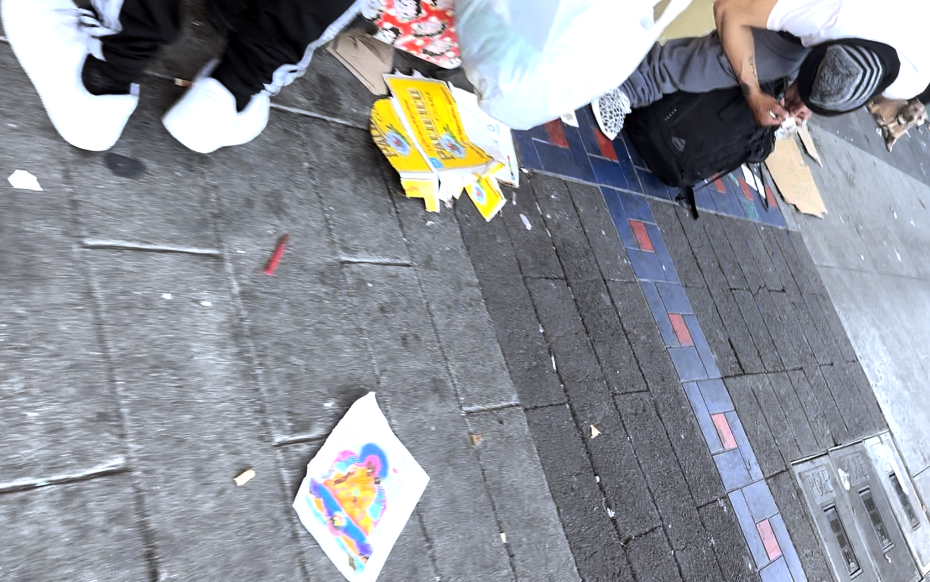
6:07 p.m. 5/31, southwest 16th Street BART Plaza. Photo by Lydia Chávez. 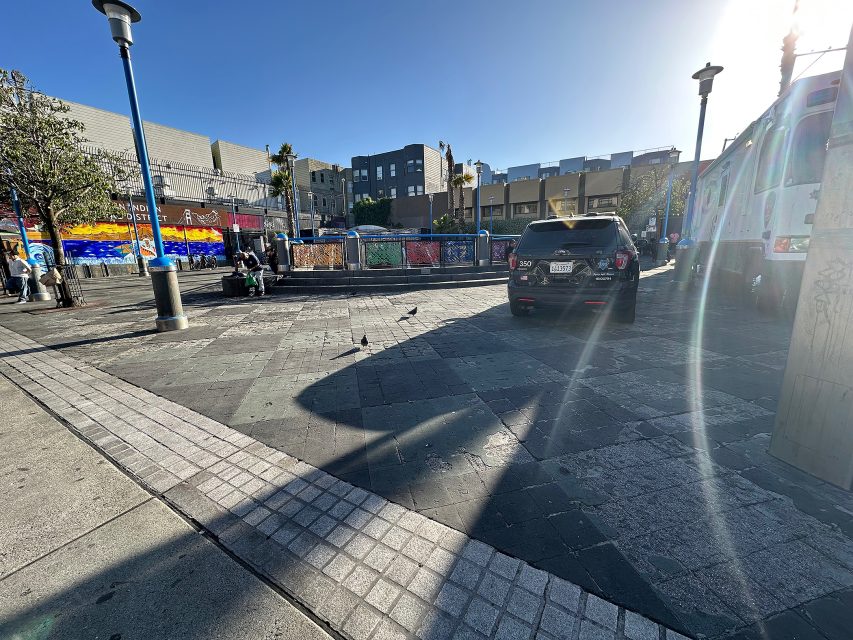
6:18 p.m. 5/31, southwest 16th Street BART Plaza. Photo by Lydia Chávez.
Caledonia Street
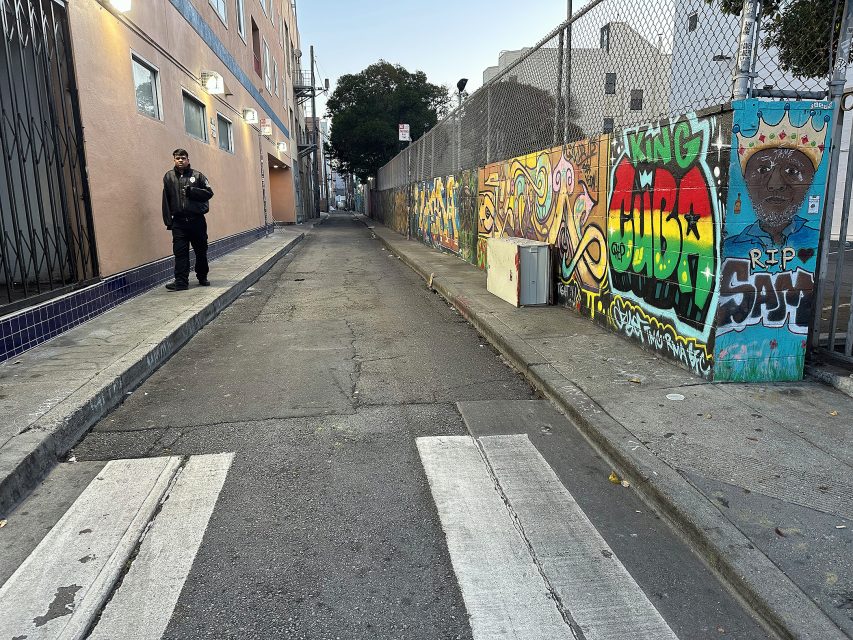


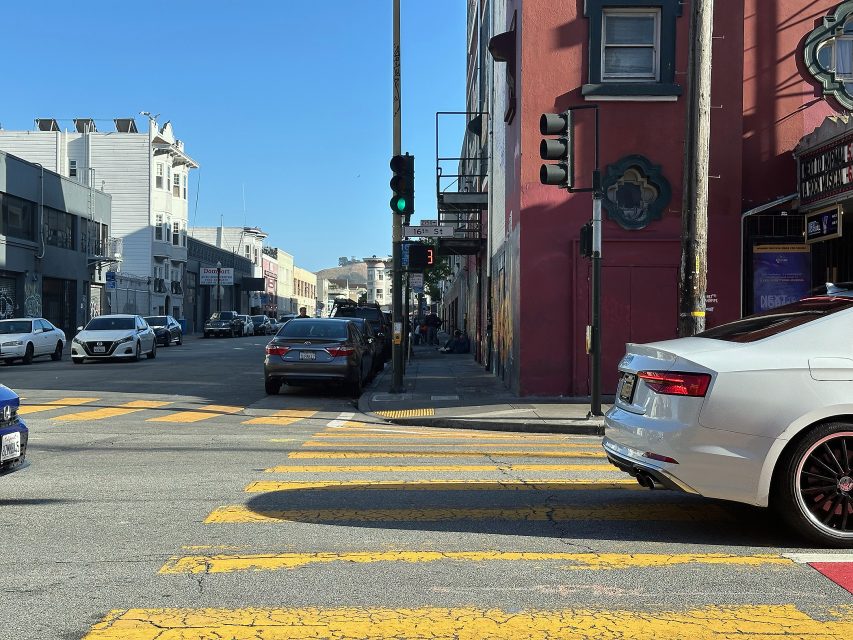
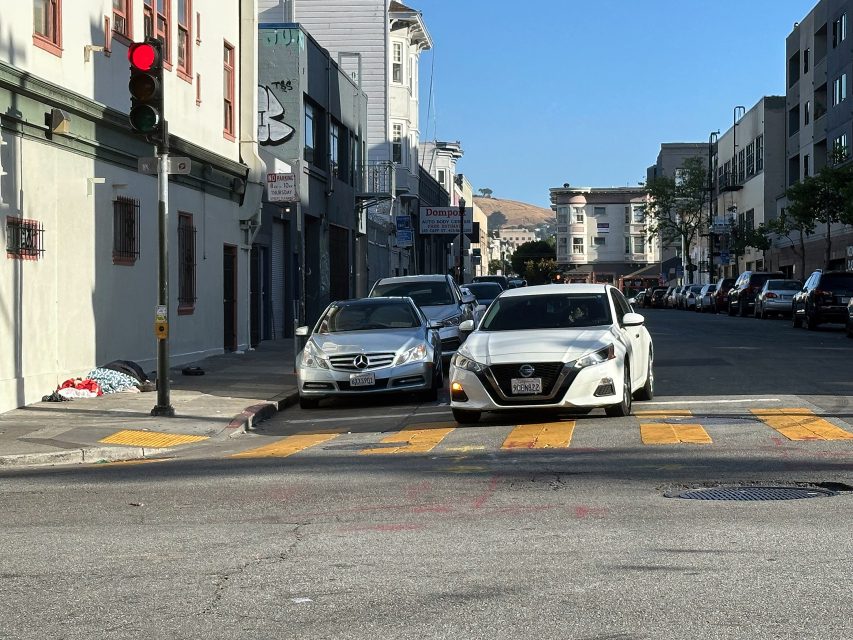
Julian Avenue
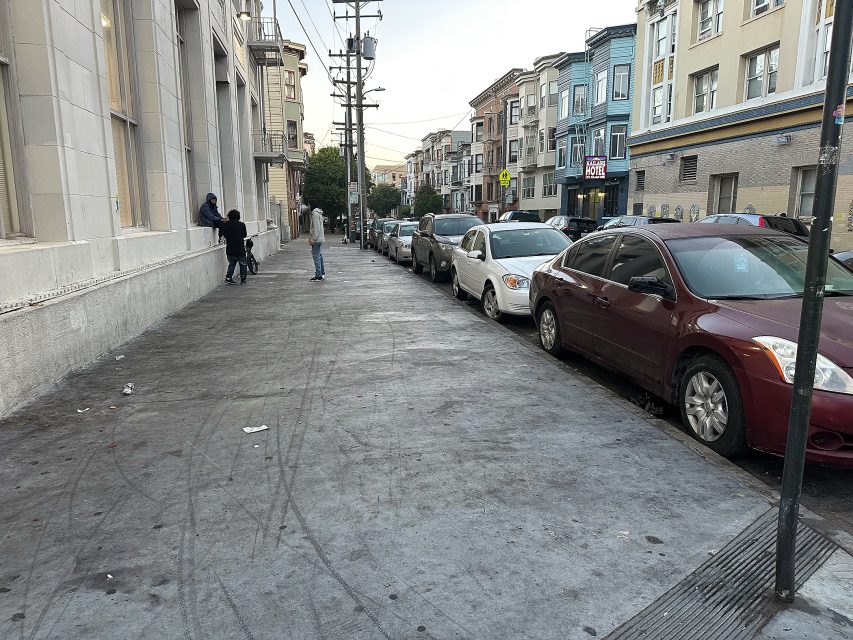
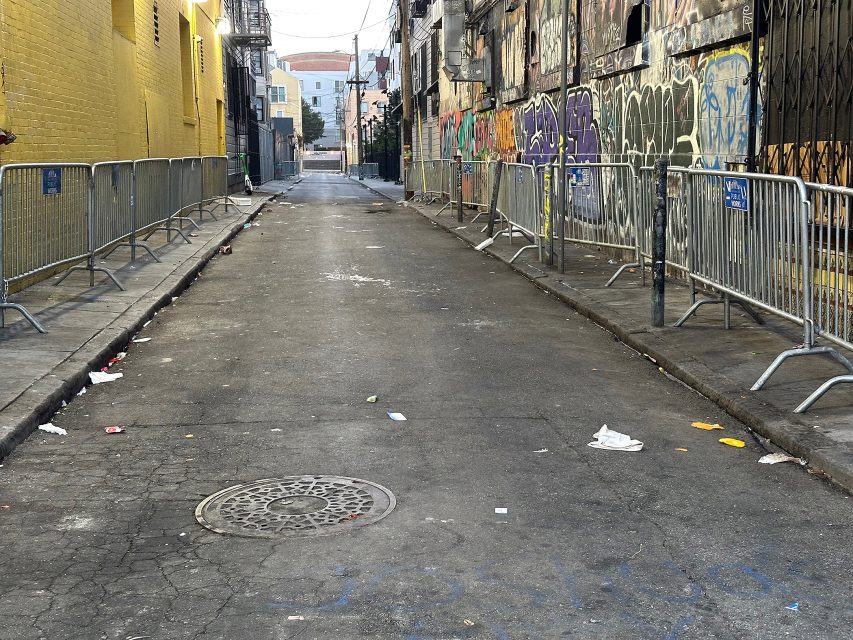
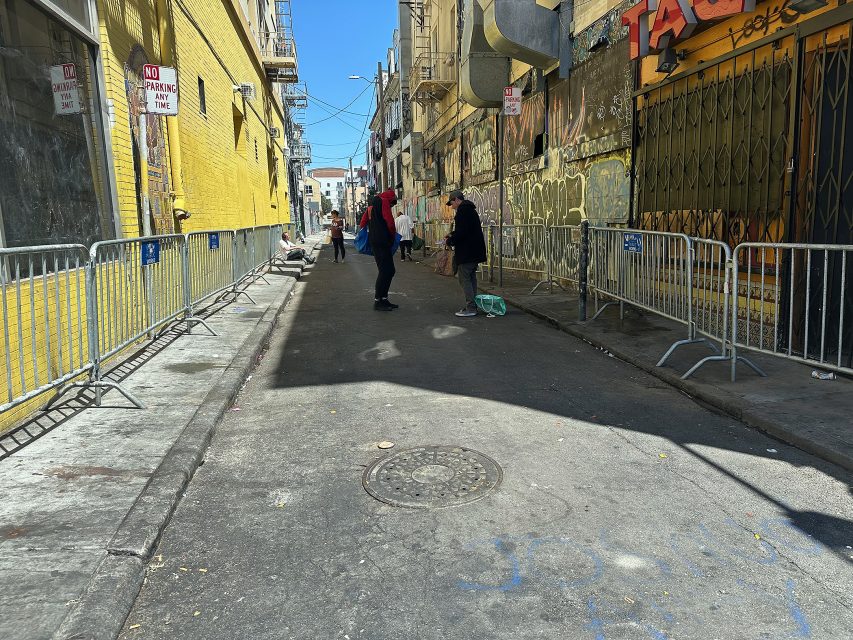
5:52 a.m. 5/31, west side of Julian Avenue. Photo by Lydia Chávez. 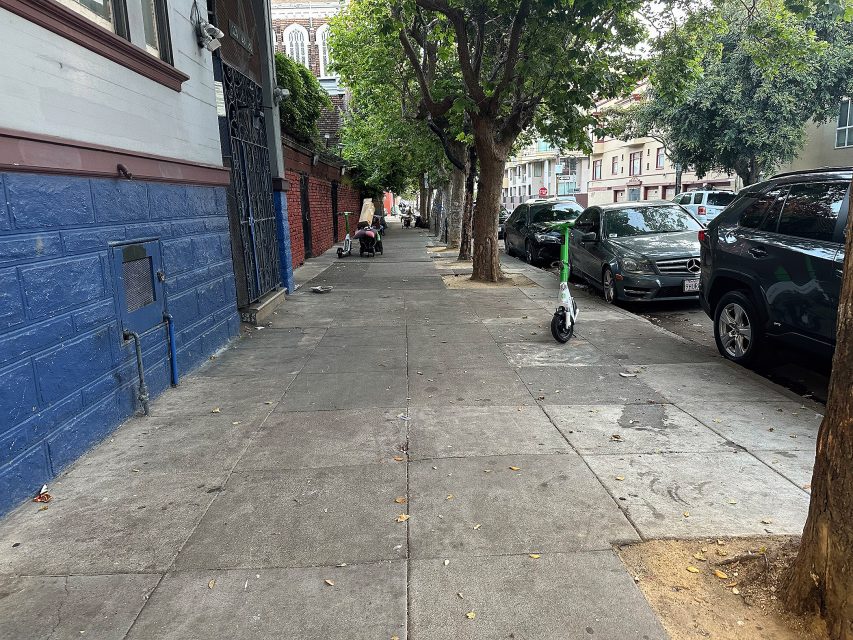
6:14 a.m. 5/31 west side of Julian Avenue. Photo by Lydia Chávez. 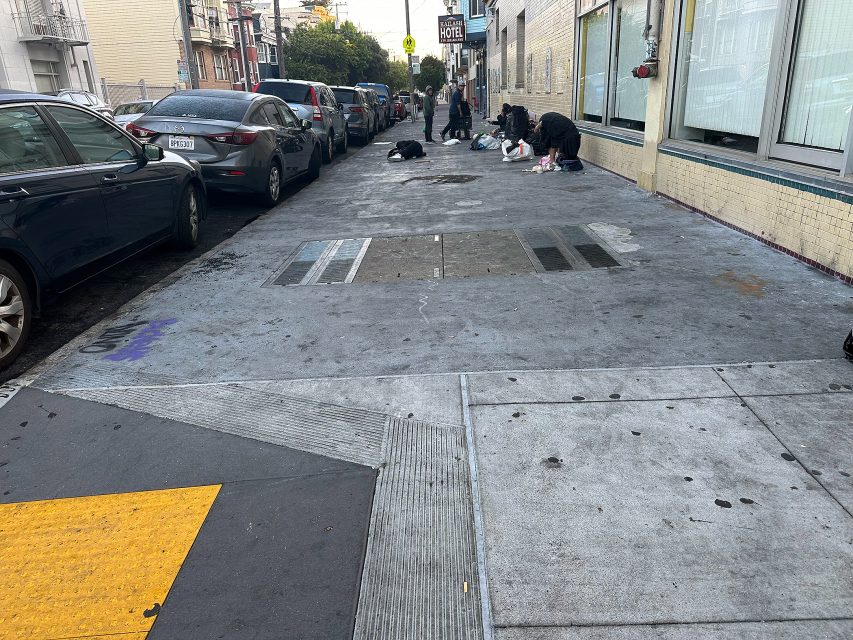
6:12 a.m. 5/31, east side of Julian Avenue. Photo by Lydia Chávez. 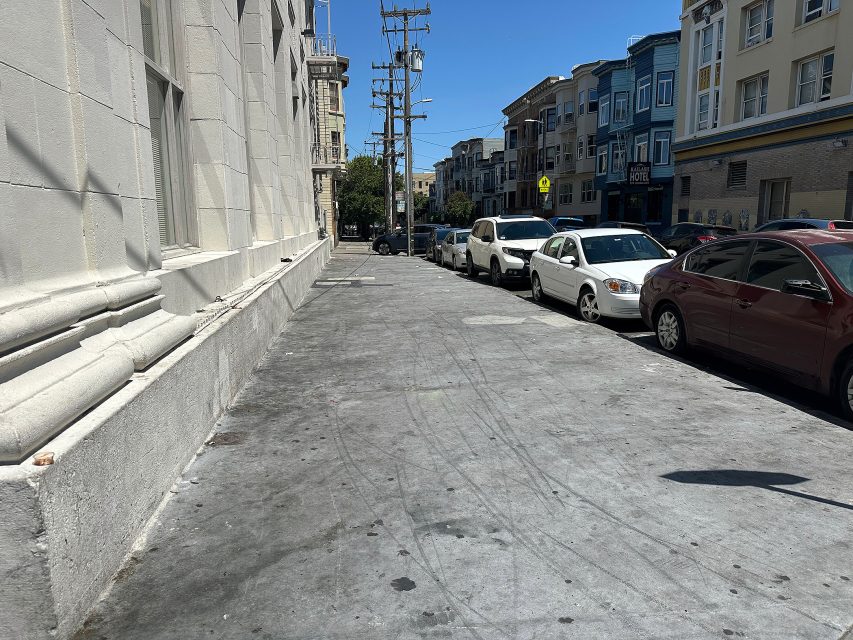
11:52 a.m. 5/31, west side of Julian Avenue. Photo by Lydia Chávez. 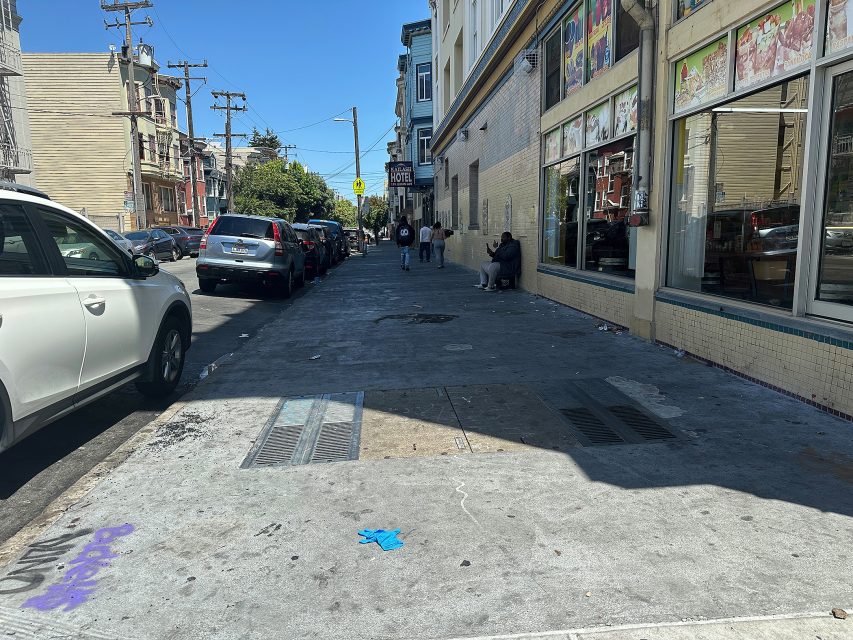
11:52 a.m. 5/31, east side of Julian Avenue. Photo by Lydia Chávez. 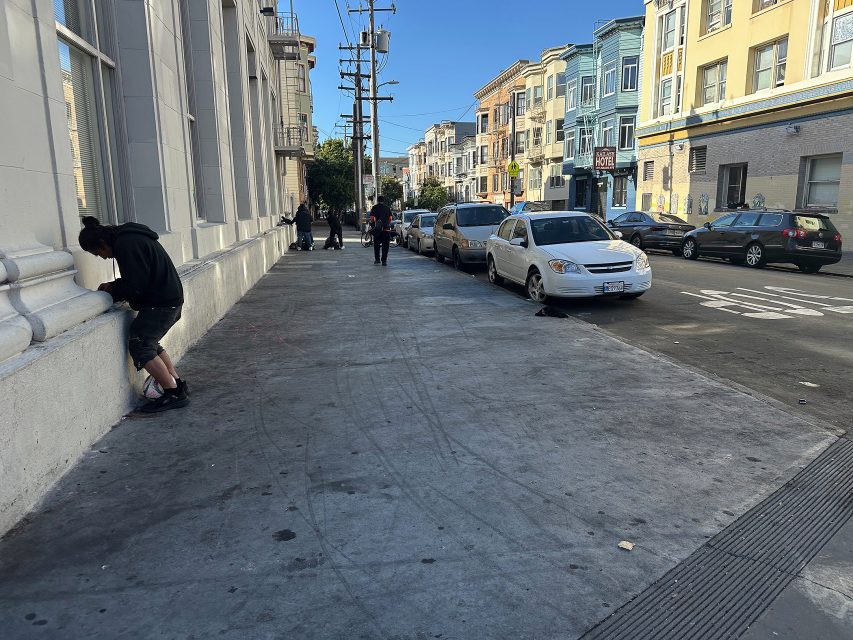
6:03 p.m. 5/31, west side of Julian Avenue. Photo by Lydia Chávez. 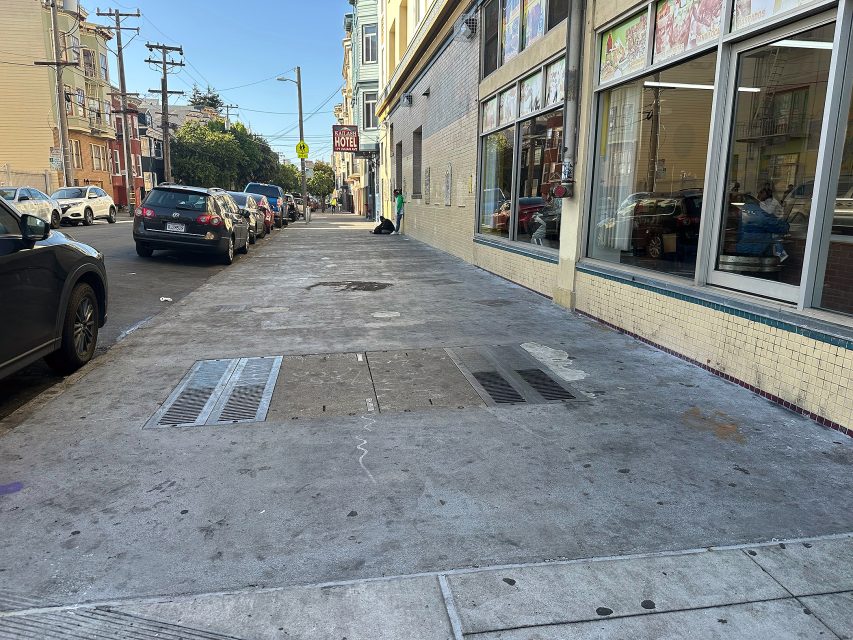
6:03 p.m. 5/31, east side of Julian Avenue. Photo by Lydia Chávez.


Just a few days ago, I was at the Northeastern plaza at the 16th BART station and I saw several people doing drugs with pipes and tinfoil. There was a cop car parked just a couple of feet away. The two cops inside were scrolling on their phones. I knocked on the window and told them there people doing drugs just a few feet away. They said they’re going to wait for homeless outreach to come by and rolled up their windows. Why can’t they get out of their cars and enforce the laws that are currently in place? If the public doesn’t agree with the laws in place, okay let’s change them, but it’s still their jobs to enforce the laws that have been put in place for a reason. They’re letting folks do drugs right around an elementary school and on top of a bus stop and BART entrance. SFPD please do better!
Put a Feinstein era Police Koban at the BART stops like Mayor Feinstein did.
Gangs shot em up (no cops hit) and SFPOA engineered abandoning them to Walter Wong’s back yard.
24/7/365
I actually drew out a Foot Patrol Route and Schedule for 3 officers working out of the Koban and presented it to the Police Commission to blank stares …
I get that alot.
go Niners !!
h.