



I don’t have to tell you things are bad. Everybody knows things are bad. …
Punks are running wild in the street and there’s nobody anywhere who seems to know what to do, and there’s no end to it. … We know things are bad — worse than bad. They’re crazy. It’s like everything everywhere is going crazy, so we don’t go out anymore.
Those of you old enough to remember AstroTurf at Candlestick Park know these words. It’s the exhortation of deranged anchorman Howard Beale in the 1976 film “Network,” urging his viewers to reject the status quo, not with their votes or with tangible policies or solutions but inchoate rage, bellowing out their windows: “I’m as mad as hell and I’m not going to take this anymore!”
God help us, this speech was in the back of our heads throughout the 2024 San Francisco mayoral campaign as candidates proposed punitive measure after punitive measure to crack down on the punks running wild in the streets.
They didn’t have to tell you things were bad. Everybody knew things were bad. And voters reacted. They were as mad as hell. But whether or not they’re going to take this anymore, to apply a Clintonian parsing, depends upon what the meaning of the word “this” is.
San Francisco, which for many years had a charter-mandated police headcount of 1,971 officers — and should have more than that, according to an outside consulting firm — only had 1,475 full duty officers, according to a Jan. 31 budget document. This is a historically low level.
And yet, crime — particularly, violent crime — is also at historic or near-historic lows. Property crime, endemic in this city for decades, has dropped precipitously. Violent crime has ebbed even more so: There were 35 homicides in San Francisco in 2024, the lowest tally since 1961.
Is property crime underreported? Of course it is. Even police officers we spoke with didn’t bother calling the cops when their car windows were smashed. But here’s the thing: That’s long been the case. And, significantly, there is no era anyone can point to when people dutifully reported property crimes, but now, they don’t. Violent crime, meanwhile, tends to be reported. Sure, marginalized communities may not want to get the police involved in internecine violent exchanges. But this, too, has long been the case.
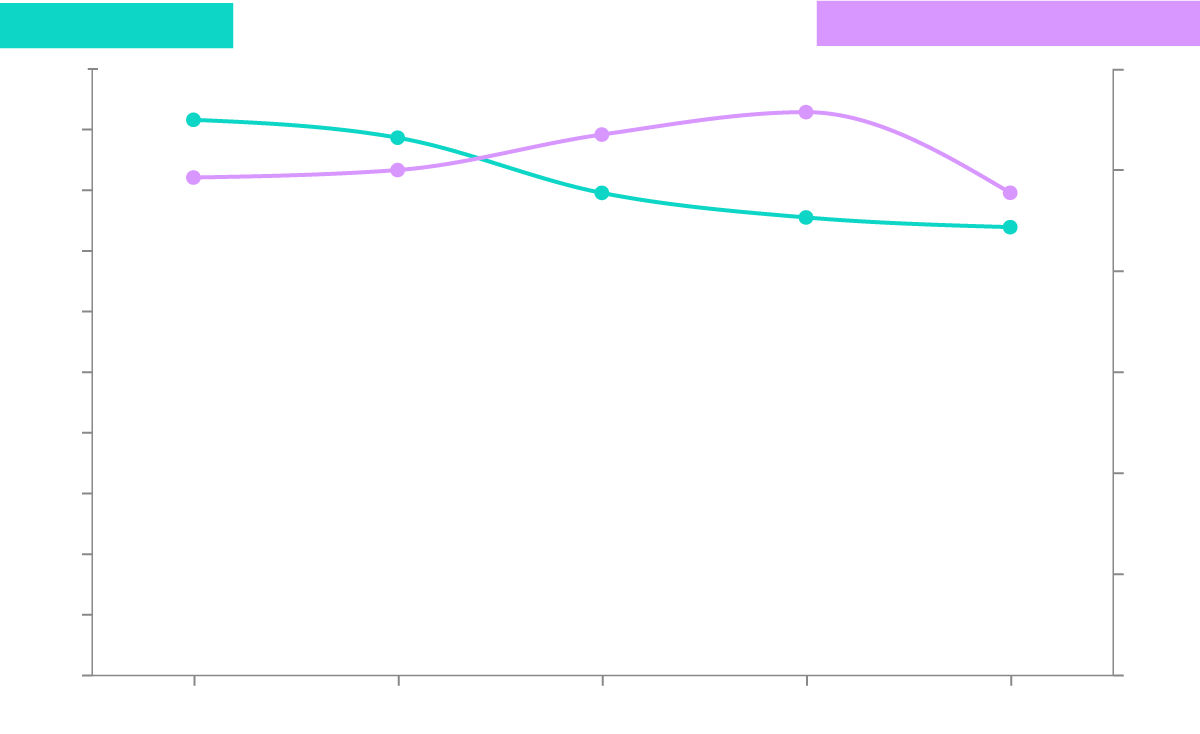
The fact of the matter is, San Francisco’s crime rate is plummeting hand in hand with its plummeting police staffing. In 2023, a Mission Local statistical analysis revealed much the same. But in 2025, the statistics are even starker. There are many good arguments to staff the police at a far higher level than the present, but there are no clear correlations between higher staffing and a lower crime rate.
So, that’s weird and counterintuitive. But, then again, so is a city with a crime rate at historic or near-historic lows becoming the national avatar for dangerous liberal misrule. And, while most San Francisco voters probably don’t habitually watch Fox News, citywide polls showed crime was a top priority for city voters.
Everybody knows things are bad. But the actual statistics aren’t so bad. But that doesn’t make everything good. San Francisco has lots of problems that make people fearful, angry and uneasy, but aren’t crime, per se.
We’ll get to that. As for the crime statistics, they are perplexing, fascinating and complicated. Simply adding cops, cops, cops — the mantra of most every serious mayoral candidate — may not have the impact that politicians and the general public would want. On the contrary, the city’s crime rate and police staffing have been erratically coupled. And, of late, the crime rate has fallen, even while the city’s police headcount has melted away like polar ice.
The following graphs, then, ought to be inspiring deep and existential questions about just what San Franciscans expect and need their cops to do.
How have crime outcomes fared amid low staffing levels?
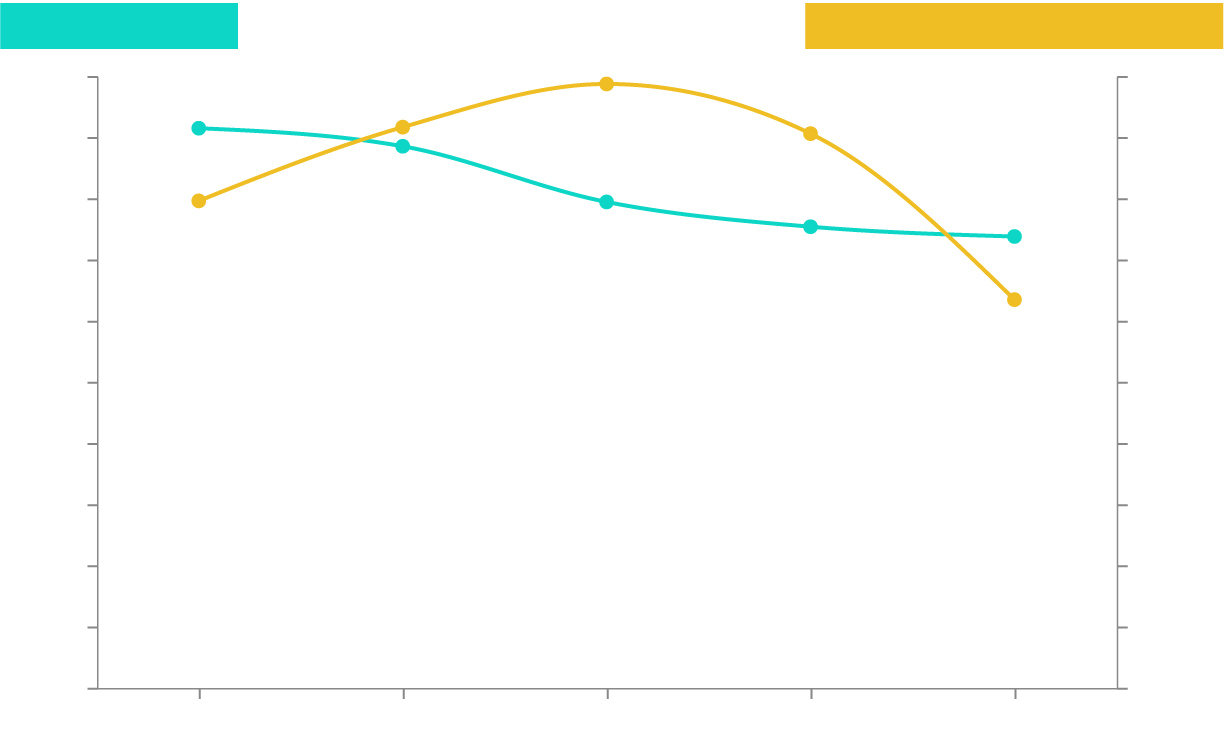
When comparing staffing levels and crime rates, the patterns are not intuitive.
Property crime rates dropped by a stunning 30 percent in 2024, compared to the previous year. Violent crime also decreased, albeit by less: about 14 percent. These drops follow an existing trend of lower crime rates: In 2023, crime decreased overall by 7 percent.
Police officers
Reported property crimes
2,000
50,000
1,800
45,000
1,600
40,000
1,400
35,000
1,200
30,000
1,000
25,000
800
20,000
600
15,000
400
10,000
200
5,000
2021
2023
2024
2020
2022
Police officers
Reported property crimes
50,000
2,000
45,000
1,800
40,000
1,600
35,000
1,400
30,000
1,200
25,000
1,000
20,000
800
15,000
600
10,000
400
5,000
200
2020
2021
2022
2024
2023
Sources: SFPD budget report and dashboard. Note: The number of police officers represents full duty sworn officers. Chart by Kelly Waldron.
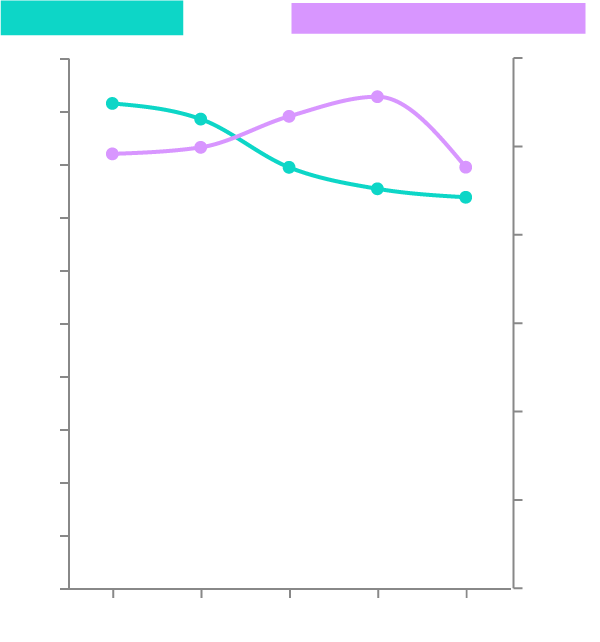
In some years, crime rates have followed staffing levels, but that is generally not the case — not for property crime, or for violent crime.
Reported violent crimes
Police officers
6,000
2,000
1,800
5,000
1,600
1,400
4,000
1,200
3,000
1,000
800
2,000
600
400
1,000
200
2023
2024
2020
2021
2022
Reported violent crimes
Police officers
2,000
6,000
1,800
5,000
1,600
1,400
4,000
1,200
1,000
3,000
800
2,000
600
400
1,000
200
2020
2021
2022
2024
2023
Sources: SFPD budget report and dashboard. Note: The number of police officers represents full duty sworn officers. Chart by Kelly Waldron.
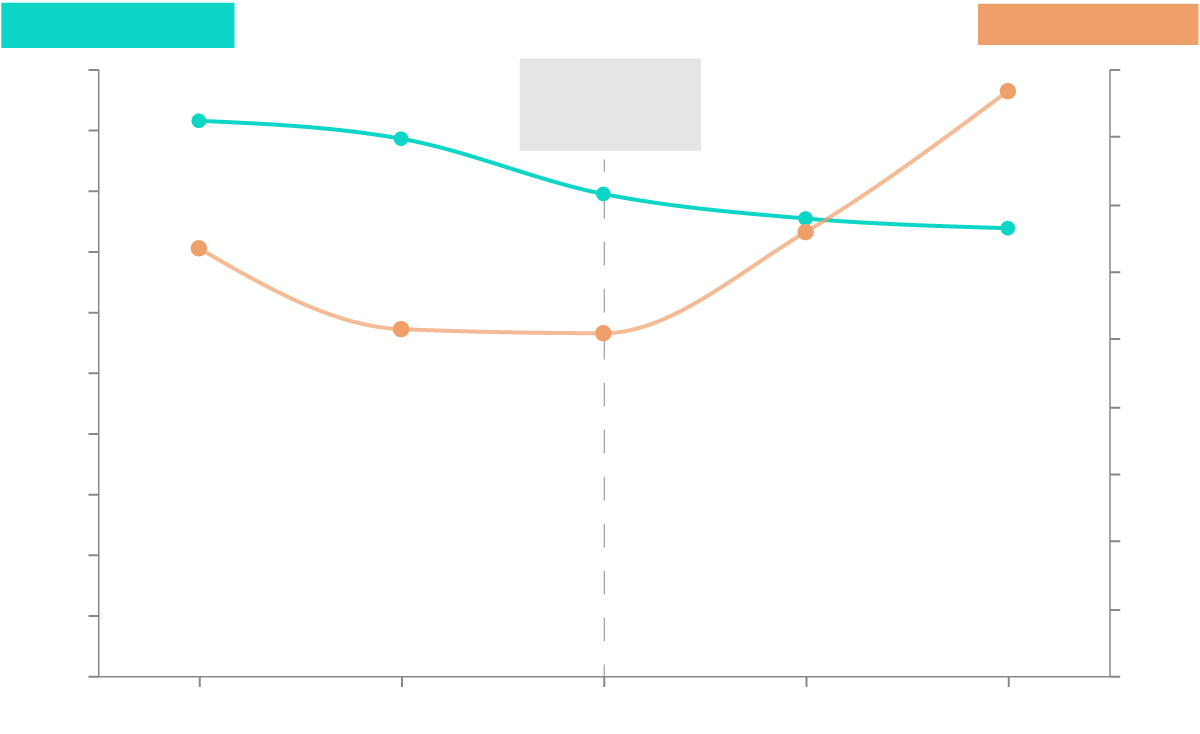
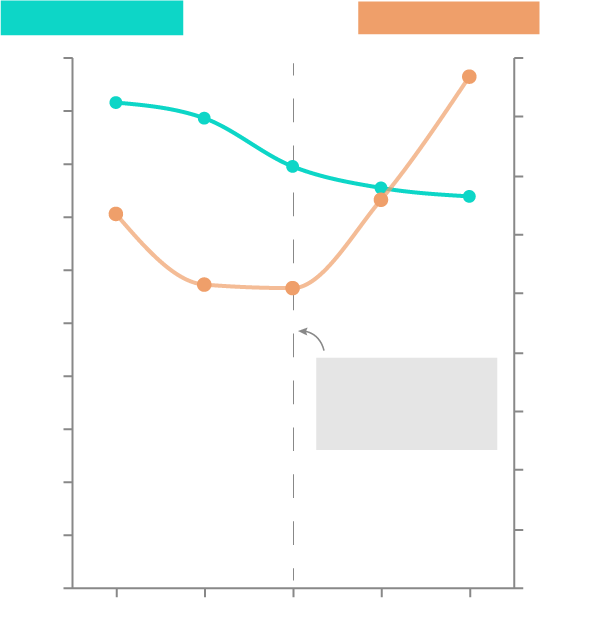
Arrest rates have shot up since District Attorney Brooke Jenkins assumed office in 2022, even though there are fewer officers available to make arrests (Put another way: Police sure weren’t arresting people while Chesa Boudin was DA). Historically, arrest rates going back the past 15 years have not gone hand in hand with staffing levels.
Police officers
Arrest rate, %
9
2,000
District Attorney
Brooke Jenkins
assumes office
1,800
8
1,600
7
1,400
6
1,200
5
1,000
4
800
3
600
2
400
1
200
2020
2021
2022
2023
2024
Arrest rate (%)
Police officers
9
2,000
1,800
8
1,600
7
1,400
6
1,200
5
1,000
4
800
District Attorney
Brooke Jenkins
assumes office
3
600
2
400
1
200
2020
2021
2022
2023
2024
Sources: SFPD budget report and DA dashboard dashboard. Note: The number of police officers represents full duty sworn officers. The arrest rate is calculated excluding some sensitive incidents as noted here. Chart by Kelly Waldron.
It might be worth taking a moment to emphasize just how low a citywide full-duty police headcount of not quite 1,500 really is.
In the early to mid-1980s, when San Francisco’s population hovered around 705,000, the city had around 1,900 officers. And yet, around three times as many people were murdered every year than the 2024 tally, in a smaller city.
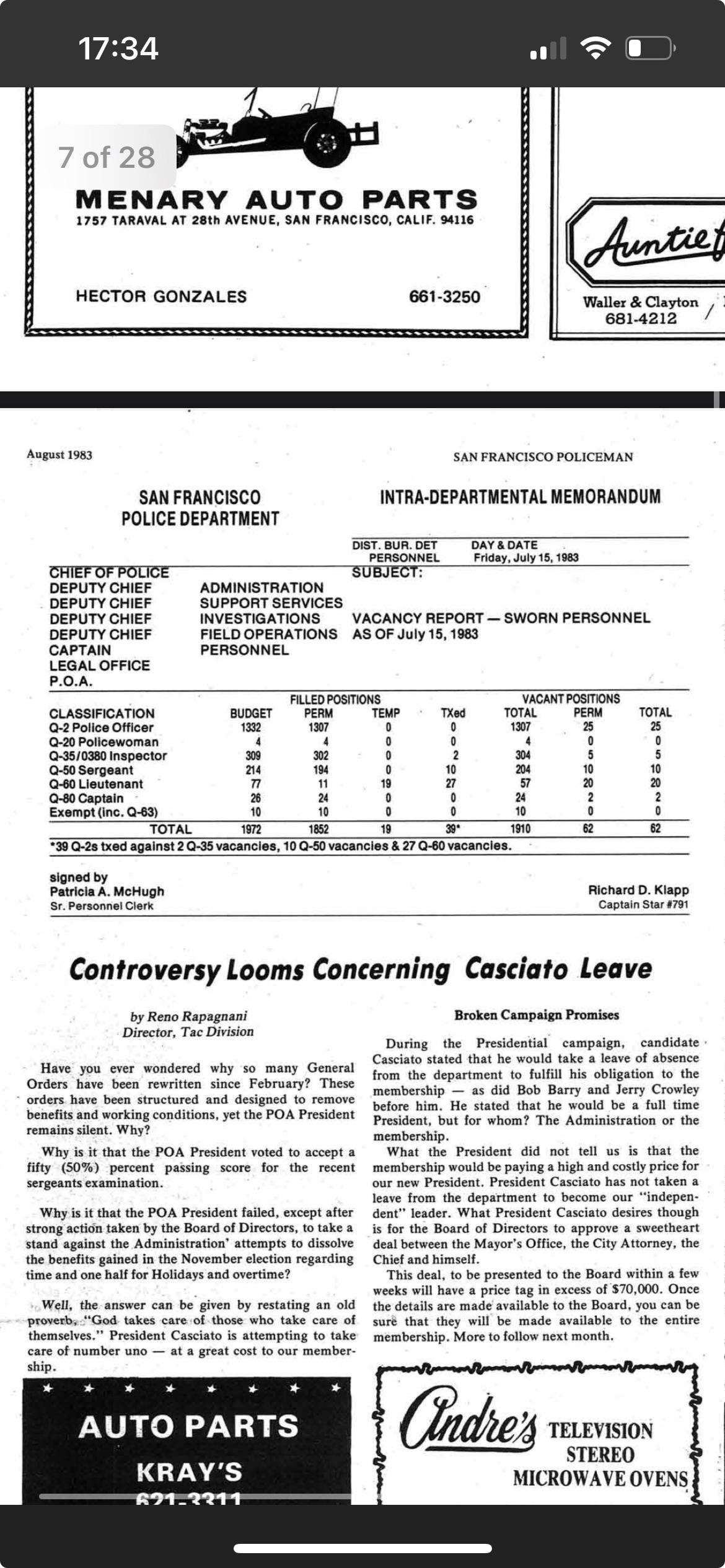
In the late 1970s, by which time San Francisco’s chaos and lawlessness had inspired three Dirty Harry films, teams of serial killers roamed the city and blood ran in the corridors of City Hall, there were 1,625 sworn officers. Well over 100 people were murdered every year in a city of around 680,000.
So the low staffing and low crime in today’s city of around 810,000 are counterintuitive. Also counterintuitive: With its staffing at a historic low, the SFPD’s budget is at a historic high.
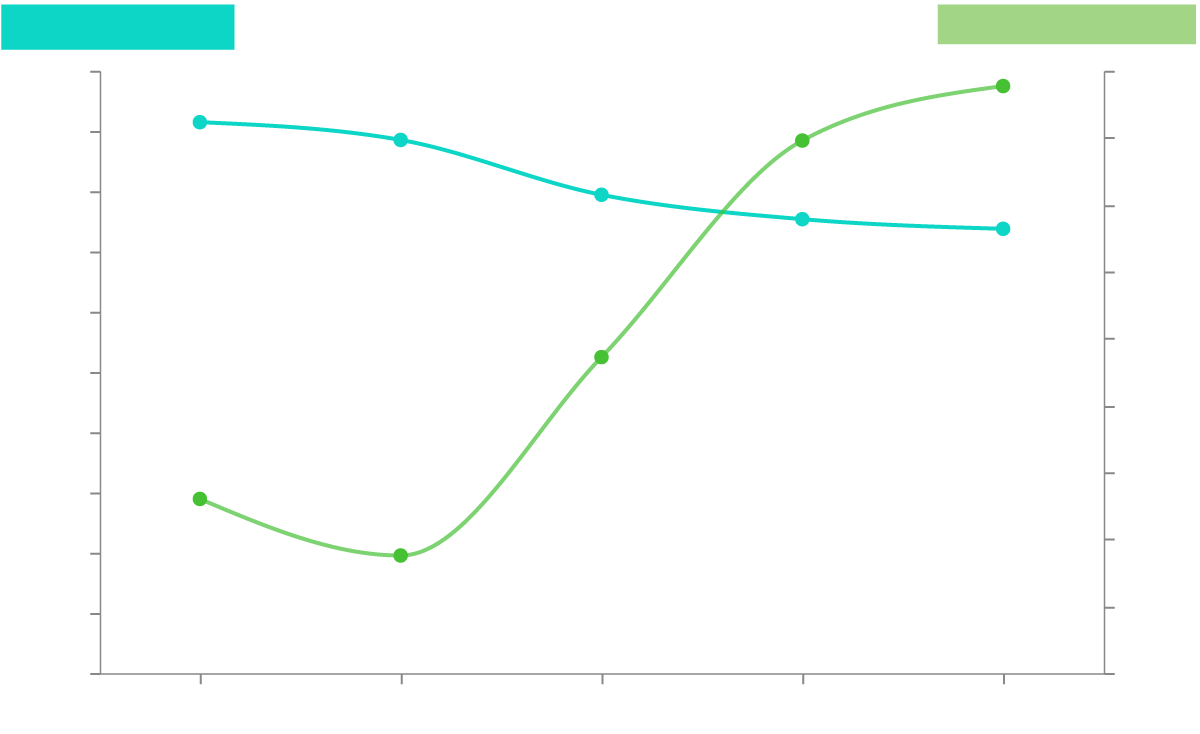
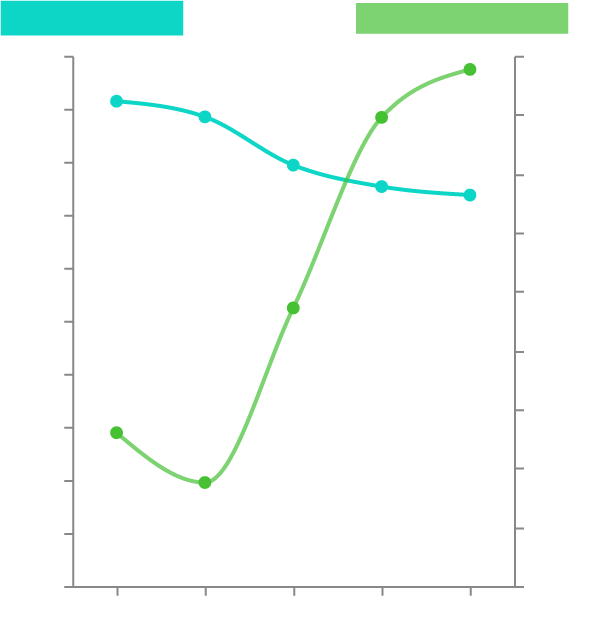
In large part, that’s because the city is now spending massive amounts on police overtime; nearly $88 million in fiscal year 2024, a sum equivalent to 16 percent of the total paid out in salaries. This is a surefire way to grind down the workforce, or worse. A December audit found that a small number of officers earned a disproportionate amount of the overtime money. What’s more, some officers were found to have called in sick so they could go work security gigs, requiring an officer to be called in to backfill for them — while earning overtime pay.
Overtime cost, $
Police officers
90M
2,000
1,800
80M
1,600
70M
1,400
60M
1,200
50M
1,000
40M
800
30M
600
20M
400
10M
200
2023
2024
2020
2021
2022
Police officers
Overtime cost ($)
90M
2,000
1,800
80M
1,600
70M
1,400
60M
1,200
50M
1,000
40M
800
30M
600
20M
400
10M
200
2020
2021
2022
2024
2023
Sources: SFPD budget report. Note: The number of police officers represents full duty sworn officers. Only overtime costs paid from the general fund are included. Chart by Kelly Waldron.
Adding personnel would surely help. But to call the department’s effort to onboard new officers sclerotic is an understatement. Only 12 of 40 candidates in the most recent class graduated, an appalling 70 percent attrition rate. The 28 candidates who failed that class almost equal the 36 candidates who failed 20 classes between 2016 and 2020. Only two of those classes had a graduation rate drop below 50 percent, and neither by much.
So, that’s bad. And, in the meantime, officers tell us that they can earn upward of $400,000 a year with overtime, clocking in and riding around in a patrol car “taking reports. Not breaking a sweat,” in the words of one veteran former officer.
That’s bad, too. Worse, in light of that December audit.
A police force stretched thin is prioritizing how it deploys its personnel. Gone are the days when the cops would promptly show up after an exasperated mother called the police to convince her truculent teenager to go to school (yes, this happened; “juvenile beyond parental control” was the dispatch title).
SFPD response times for high-priority calls have risen dramatically in the past several years, even as call volume has significantly decreased. For lower-priority calls the response times are far worse: One retired cop says he recently called in a well-being check for an acquaintance, and saw that it wasn’t picked up for more than 24 hours.
But there’s a lesson to be learned here: You don’t need an armed peace officer earning armed-peace-officer pay (let alone overtime) to be taking reports. With San Francisco in a deep, dark budget hole and the police hiring process moving about as quickly as the city’s progress on its state housing mandate, veteran cop after veteran cop told us that it would make sense for routine, nonviolent calls — cold burglaries, cold theft reports, non-injury traffic accidents, etc. — to be handled by police service aides or field evidence technicians earning a fraction of the pay. This, of course, would free up police for the sort of work that cannot be done by aides or technicians.
And this gets back to just what San Franciscans expect police to do.
San Francisco is a place with overt drug use and misery and filth and unaffordability that ensures you’re seeing all this in front of you: In other parts of the country, people can do all of the above indoors, in the homes they can afford. It’s awful, it’s heartbreaking and it’s maddening, but it doesn’t necessarily equate to crime.
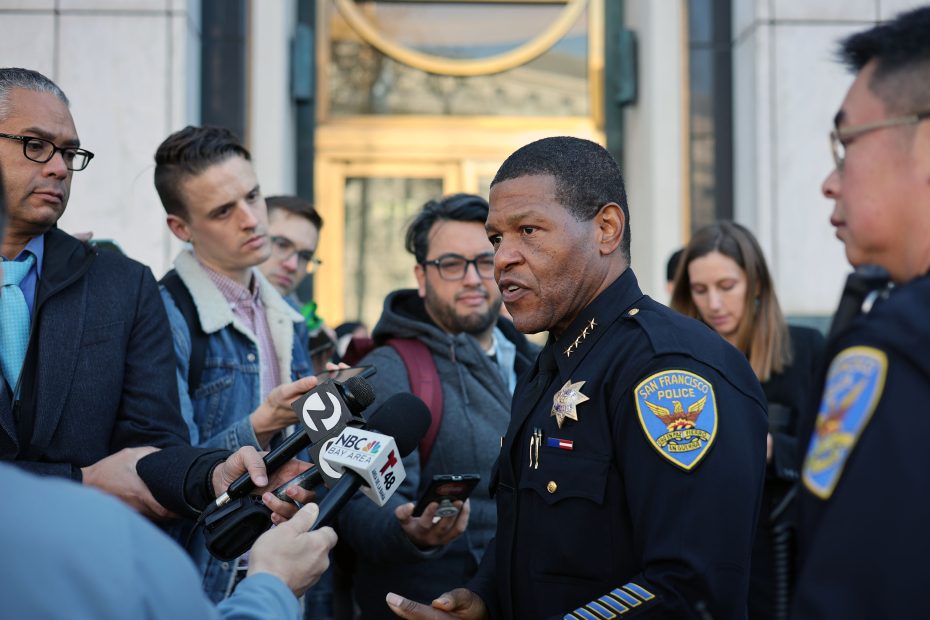
Random, violent crime is blessedly rare in San Francisco, although it can and does happen. But seeing chaotic scenes and irrational people on city streets makes people feel unsafe. And seeing uniformed police makes people feel better.
“Police in uniform,” says a retired department veteran, “are society’s Valium.”
It’s an apt comparison. Valium doesn’t solve your underlying problems. But it puts them out of mind. And police, certainly not just police, cannot solve San Francisco’s underlying problems. Yet they can put them out of mind (but, notably, not for the people interacting with the police).
What the city is asking police to do, then, transcends addressing crime. We are asking them to do an awful lot. But we are also asking them to do very little; their mere presence alleviates anxiety. In fact, a number of them are doing very little. It remains to be seen if greater numbers of officers getting out of their cars and breaking a sweat is the future of San Francisco policing, or a vestige of its past.
But there’s a complication here, too: The police, we’re told, are making a concerted effort to target the proportionately small number of criminals who account for a proportionately large amount of crime. That’s a smart way to, you know, actually solve the problem. But, frustratingly, it won’t make people feel safer — not when San Franciscans aren’t measuring safety in numbers.
Ay, there’s the rub. That’s a perplexing and maddening situation. And a bad one.
But I don’t have to tell you things are bad. Everybody knows things are bad.
At the age of 71 as a retired attorney and 36-year resident of San Francisco, it never ceases to amaze me that it seems perfectly “normal” here that the SF Police Department is 100% relied upon to accurately report crime rates – about themselves! Talk about the fox reporting about the hen house!
I was going to say the same. The sound of one POA hand clapping while the other one writes a pre-signed resignation letter right into Breed’s circular file. “Crime had BETTER be down, or ELSE.” They know who triples their pensions…
An informative bird’s eye macro view of a complicated series of issues to solve, food for thought. I thought it was well-written. For people who are too OUTRAGED! to read the article, hold your breath and give it a shot. It’s not actually taking a side either way, it just lays out some of the layers to the counter-intuitive data. If you can’t get through an informative and well-written article without foaming at the mouth about party politik, you might not be the arbiter of policy and good judgement you wish to see in the world. Let’s all get a grip. Political BS will be there regardless of the crime rate. Vent spleens usefully or keep it in your DM’s.
I’m sure most of us would agree on the importance of bringing the right tool to the job.
Police are not the tool for mental/public health problems.
What is understaffed is the capacity to address the blight spawned by mental/public health related issues.
I would argue that the biggest reason for the fall in crimes across the board is because we have far more private security in San Francisco now than we used to and criminals are smart enough to realize that there are cameras watching.
That’s an interesting addition not considered in the article.
“There are many good arguments to staff the police at a far higher level than the present”
No, there are not. It is clear that SFPD has become a gang of thugs, just like every other police department, arresting people at a far higher rate since Jenkins took office, just because they want to exercise their power. The graphs and this article sustain an argument that SF is actually *overstaffed* with police and could instead use *unarmed* city employees to do basically all of a cop’s job.
When was the last time you had a cop actually help you, instead of being a poor stenographer for your complaint and then later in the day deciding to arrest some random non-white person because they profiled them to be someone dangerous? Exactly, they have never been helpful.
Crime stats don’t show the real problem in San Francisco. A lot of crime happening by 16th Street and Mission on a nightly basis and not being reported or police turning a blind eye, same on 6th street and Tenderloin. We need to start arresting these people. They have ruined this city for the rest of us. I’m sure the progressives who support criminals will downvote or block this comment.
> I’m sure the progressives who support criminals will downvote or block this comment.
Level-headed, rational folks as well!
I am sort of progressive on certain issues, believe in the importance of police following the law and the rights of the accused to a fair trial, but I agree with them. SFPD is not willing or able to handle the job in problem areas so they largely ignore them as able. Stats are down because the perception over time is that SFPD reporting is a waste of time and people don’t go out of their way to do that, in these problem areas. So the cops get more money per capita, the stats look rosier, but the situation on the streets is exactly the same or worse as ever. I guess you got stuck on the political jab rather than having anything to add that was above political jabs in reaction. I blame you both for throwing those in there for no useful purpose. Now please do your duty against people you disagree with and thumb down me for saying so, your apparent argument and point lost somewhere in cyberspace without enumeration.
It’s a fair point and I appreciate your response. The original post was devoid of effort and nuance, so it felt appropriate to respond similarly. But I will respond to you.
> SFPD is not willing or able to handle the job in problem areas so they largely ignore them as able.
I agree with this assessment. A decade ago, I had someone cut my motorcycle helmet off my parked motorcycle (ruining the helmet in the process — no idea what their step-two was). I filed a police report, and even back then I was pressured to drop it. It wasn’t worth the paperwork.
I think there’s probably a difference between folks when it comes to deciding where we go once we’ve accepted that SFPD isn’t effective. Do we give them more funds until they are effective? Do we give them less and redirect funds to other groups (e.g community ambassadors, social workers)? I’m more in the camp of the latter. I don’t think SFPD can be effective any longer. I think their officers literally don’t know how to do their job without crossing ethical (and potentially legal) boundaries. And with the collective gaze of the cities population, and their phones in hand, they are paralyzed.
I’d like to see some diversification of our strategy. Unfortunately, that will take time. It’ll take time to implement, and it will take even more time to tune and figure out what works. I don’t think enough people are willing to give it that time and experiment.
“The original post was devoid of effort and nuance, so it felt appropriate to respond similarly.” – But, eye for eye, you know how it ends… anyway we agree on the merits. It’s easier to react automatically in kind, but it just perpetuates the thing.
“It wasn’t worth the paperwork.” Or the wait in line to even get to that point, knowing nothing would ever come of it. Exactly. And when you’re a marginalized individual, quadruple that.
“Do we give them more funds until they are effective?” – Tried, and trying that. It doesn’t work – even for recruitment. Now we’re paying them salaries + overtime WHILE they collect their already generous pensions, and they can even moonlight on top of that if they want. (!) Half-million a year public servants. Now if it were really the level of service that ought to buy we could afford it and it might make sense in a stopgap kind of way, but we don’t really.
It’s like PG&E, more money, less doing – and what are you going to do, police yourselves?
I think diversification is realistic IF you put the standards and careful planning into the augmenting services, IE ambassadors. It only takes a few misapplications to bring a lawsuit that makes the entire ordeal infeasible. There’s no simple solution. Instead I see them handing over the reigns to private companies to install and AI-operate ubiquitous camera systems. We’ll see if those pay off the tens/hundreds of millions spent on them comparatively, but meanwhile that’s not tangible safety-wise in terms of public perception.
Then there’s the whole issue of the courts, an entire series of cans of worms that don’t really adapt to the reality on the streets well. Incremental inaction, ever expanding costs, backlogs, revolving doors, chronic understaffing, now add a HUGE deficit… it’s going to be tough. I agree that diversification of the effort makes sense, how exactly that pencils out to what effectiveness, I guess we’ll see. But there’s no question it would be cheaper than the current dysfunctional solution that people seem to have lost faith in, while spending ever-more on.
We need to throw the ball into Supervisor Fielder’s court and say that if she does not support a police response to the Tenderloinization of 16th/Mission, that would not be my first choice either, then she and the nonprofit “community leaders” that are not under house arrest to figure out how to solve the problem otherwise.
I can’t stand reading article. I live in downtown San Francisco. At times it’s like living in a ghost town as fewer people live, visit or work here. In this ghost town, dangerous humans using drugs and struggling with severe mental illness terrorize you on the streets. These humans still regularly urinate and poop on the streets. Yes, there are moments things feel normal but that’s only because store and building owners pressure wash the streets and encourage dangerous humans to move along all without any support from the police! Store front windows are also regularly smashed as dangerous humans express their rage due to intoxication or delusions. But needless to say, you are always on guard walking or driving in San Francisco never knowing when the next dangerous human will terrorize or threaten you. My child also lives here and walks here. These articles never think about the affect the mismanagement of the city has on children and families and how very few children actually live in this city. Please note: the reason why homicide rates and crime rates are lower is that fewer people come to San Francisco or live here because people around the Bay Area and in the US consider the city of San Francisco a “hellhole.” How could people in power allow this beautiful city to become a hellhole where residents and visitors are terrorized on filthy streets? We need more police and people in power to take action not just talk and appoint people. Hire the new police now and force people who are gravely disabled due to severe substance addiction and severe mental illness to get help and be removed from the streets. You have the money. We pay very high taxes in San Francisco. Thank you for considering my thoughts.
So that begs the question, why do you stay? Downtown has been bad to worse in recent years and there’s a ~Billion dollar deficit coming down. Even if it means leaving the City, why do you stay? What obligates or forces or entices you to stay, assuming the cost of housing isn’t the sole driver (it may well be).
so leave
Blame the left wing SF Progressives who only cares about protecting the criminals and letting the mentally live on the streets. They probably oppose this law. Progressives have ruined this beautiful city.
Wow! It is so counterintuitive, but fascinating.
Drug crimes are down a lot too! Good news, everyone, we solved the opioid problem! Don’t look at any other measures!
There’s a lot of good reporting and statistical analysis here. Yet unfortunately even more is missing.
The authors fail to fully analyze unreported violent serious crime and simply say that the underreporting for them is not and bad as it is for property crime. In truth with the exception of murder it’s very bad – especially sexual assaults. The NCVS puts the report rate at less than 1 in 3 and some studies put it at less than 5 percent.
What about retail closures as an example of failed public policies and non violent crime underreporting in San Francisco? In some ares sales tax revenues are down 80 percent and citywide sales tax is off 28 percent citywide from pre-pandemic levels. Still want to talk about “reported” thefts? The proof is in the empty storefronts – hundreds of them and more are closing.
In regards to police staffing they fail to analyze the decline in staffing from 2020-2023 and exactly who left. Senior officers with years of education and experience are being replaced by younger inexperienced officers who are not as good at their jobs. This was the result of the clamor for defunding and blaming police for a murder thousands of miles away they had no hand in. Further look at the DPA’s own statistics regarding police “misconduct” investigations. Barely any are sustained.
Which brings me to crime clearance rates – in short, they are terrible. Only 10 percent of sexual assaults, 32 percent of robberies, 36 percent of assaults… are solved in San Francisco. Why? The experienced cops are gone.
And what about drugs and homelessness? Thousands have died and continue to die on the streets of San Francisco where along with open air drug use, drug marketplaces, stolen good sales, prostitution, and homelessness have become almost normalized. Your response that its not as bad as in the cities because in those cities they have homes in which to do all of that strikes me as utterly tone deaf and frankly cruel. It is worse in San Fransisco because California decriminalized drug use based on the flawed belief that prisons were full of non violent offenders and then released tens of thousands of violent criminals onto the streets then lied about rearrest and re-conviction rates.
Finally, you dismiss the serious damage some by the Boudin administration with barely a sentence along with the publics recall.
Policing and criminal justice is more than just reported crime and cops on the beat.
It’s one part of the failed social contract between a city and its people.
Some pretty selective use of statistics, Steve. Your math isn’t mathing.
NVCS violent crime reporting is up overall in 2023 (the last full year of statistics), to about 44%. Sexual assault was 46%. Not a third or less as you try to suggest.
Same with crime clearance. SFPD improved their clearance rates across the board last year, which makes sense when reported crime overall was down 29%.
Retail is suffering because a lot of people are working from home most of the week and not going downtown (or not even coming to the city), and a lot of people are buying more stuff online. That’s a real problem for the city, but it’s not a crime.
Some chains like Walgreens made a big stink about shoplifting, saying that was why they were closing stores. But they closed a lot of stores nationally at the same time. And then when talking to investors — the context where they can get into actual trouble for lying — they admitted it wasn’t really about theft after all, but about economic changes like, again, people buying a lot more stuff online.
The clearance rates sure do look bad. I’d love to see a piece from Joe sometime (or anyone else who can do a good job) about why they’re so bad, including how that compares to history and to other cities.
> And then when talking to investors — the context where they can get into actual trouble for lying — they admitted it wasn’t really about theft after all, but about economic changes like, again, people buying a lot more stuff online.
No actually that’s not what they told investors. They reported that shrinkage was indeed a serious issue. The $WBA CEO later said they may have over-invested in preventing theft, but they never said it wasn’t a problem.
I’ve never understood why some folks here keep on blaming Chesa. It’s 2025 — Brooke Jenkins has been the DA for going on three years now. If the DA has such a big impact on how well the police do their jobs, why is it not about the incumbent DA, and instead about a former DA who’s now a professor over at Berkeley?
Every chord on the full Wurlitzer of SFPD excusifying.
What about that time that Mission Station shut down for two weeks last summer to mourn the young cop who died, not protecting San Franciscans, but while playing rugby in San Diego, all while lead was flying from gunshots at 16th BART, leaving residents to dodge the hail of bullets?
prove it
Another explanation – it took a while for ppl to realize how long they would have to wait to report crimes. the more residents got this fact, the less they reported crimes. Not counterintuitive at all that arrests are up, while cop no’s are down. Yes, Jenkins and Breed realized the old laxness wasn’t working so cops got the directive to be less warm and fuzzy and arrest. They did and are. And things are better, but we are far from out off the woods yet, and more cops are still needed, and cop assistants of various kinds.
Yeah, I am now convinced that underreporting has increased over time and that it has increased to non-trivially impact the ‘official’ magnitude of the drop in crime.
Joe, Kelly, it’s just a little bit rich to suggest that high-priority call response times are rising, as was heavily implied in the article (“risen dramatically in the past several years”). The data you linked to just doesn’t support that assertion – it’s been on a downward trend since peaking in September 2022.
Priority A? January 2025 was lower than any month since January 2022, and only 27 seconds (about 5.6%) above target.
Priority B? Second lowest since December 2021. Still 1/3 above target, but 50% closer to target than the peak in July 2023!
Priority C? Second lowest since July 2021. Also still 1/3 above target, but also 50% closer to target than the peak in June 2023!
I’d love to see some more digging like your outstanding work in 2023 on police staffing. Also it would be good to look at any more local NVCS data on crime reporting. Nationally, a higher proportion of violent crimes are being reported, even as violent crime is dropping overall.
(Sorry for the late reply. Flu ain’t fun.)
A few short-sighed graphs do not mathematicians or prognosticators at ML make.
We need more cops and now. Brooke Jenkins can not be the only one standing between SF and total Armageddon. She needs more cops and better judges.
Cops=criminals. Fewer cops means less crime.
Bad neo-marxist, no socialist paradise.