
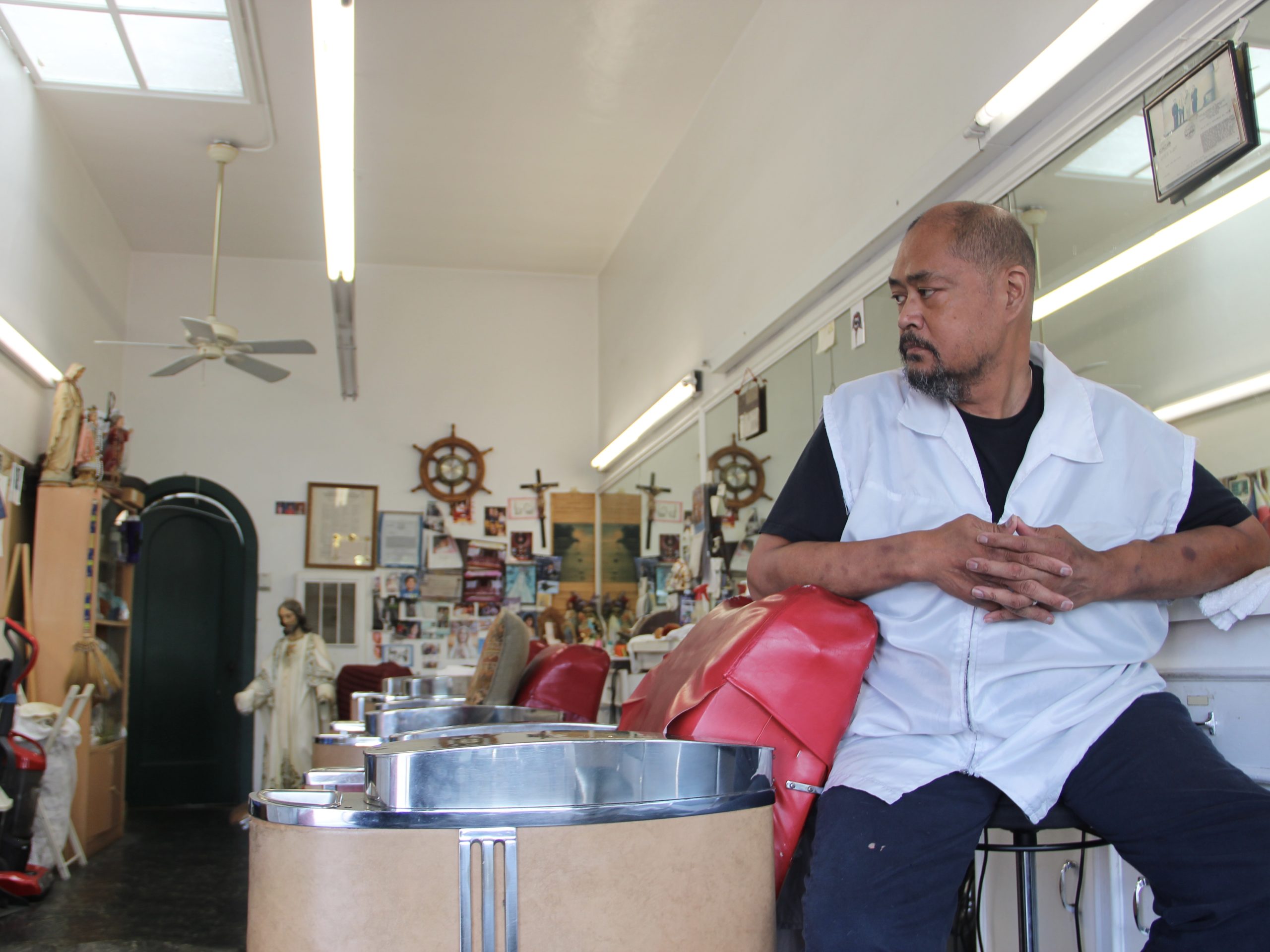

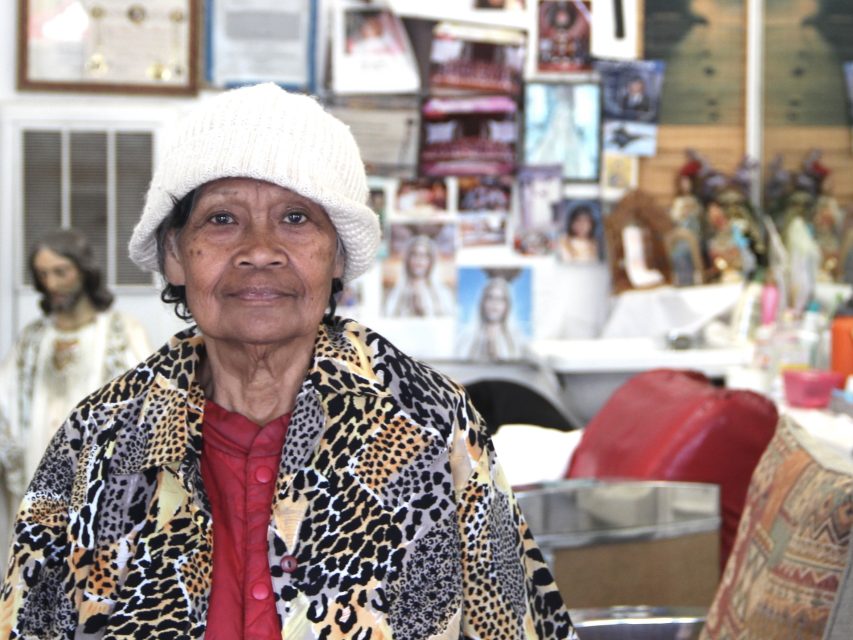
Maria Bollozos sat looking quietly out the window towards Mission Street while her son, Abner, swept and sanitized his scissors and buzzer after finishing a haircut for a longtime friend and customer of their shop. After almost 40 years in business, Abner’s Barbershop looks much different than in its “golden days” in the 1990s, when Abner Bollozos had a sign-up sheet that came with a three-hour wait. Today, the seats are empty and the floors are shiny, with hardly a hair in sight.
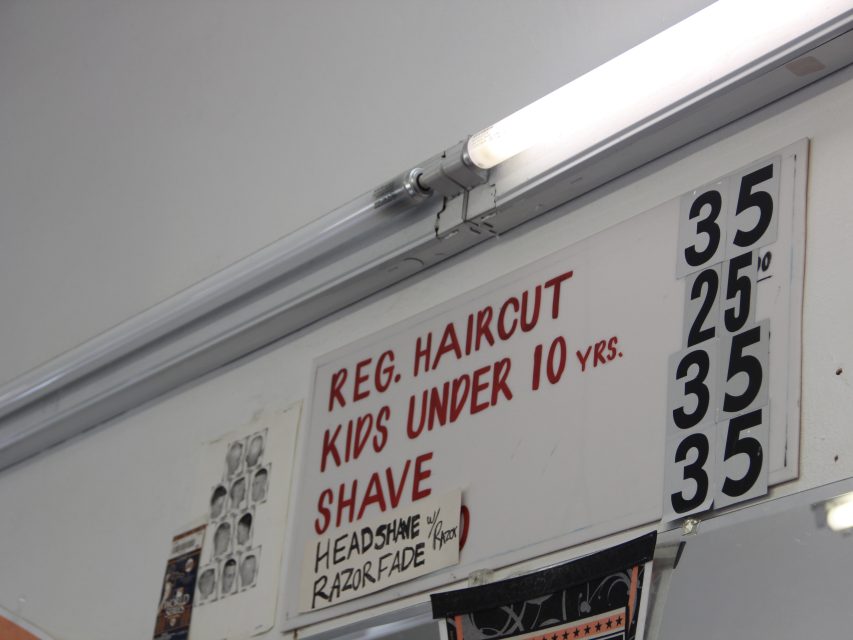
The shop, at 3359 Mission St., is now at risk of closing its doors. It is struggling in the midst of an influx of new barbers in the neighborhood, many of them high-end shops that charge as much as $185 a haircut. At Abner’s, that’d get you five haircuts.
But new shops have also been started by residents who learned how to cut hair during the pandemic; some are working in proper brick-and-mortar spaces, while others are cutting hair from their garages.
What’s clear is that nearly all of the two dozen or so barbershops along Mission Street and 24th Street appear to be in a heated competition. Not only did the pandemic have its effect, but competition from newer salons has meant fewer customers for the burgeoning number of barbers.
Mission Local spoke to six barbershop owners and eight employees for this story. All agreed: Business has still not recovered since the pandemic. At the same time, however, they have seen more barbershops open up since 2020.
There are 16 barbershops and salons on the 12-block stretch of 24th Street between Mission Street and Potrero Avenue, with prices varying from from $8 to $185 a haircut; there are three alone in the block between Bryant and Florida streets. At least a third of those have opened in the last four years.
“I don’t understand how the city allows the same type of businesses to be right next to each other,” said Carlos Reyes, a barber at San Francisco Hair Cut at 3366 19th St. “The owner had to get another job to pay rent for the shop. This is the last push he will make, so if things don’t change, he’ll have to close the shop.”
There are another 12 barbershops and salons on Mission Street between 16th and 21st streets, including five in one block between 18th and 19th streets, just around the corner from San Francisco Hair Cut. Again, at least a third of those have opened in the last four years.
Reyes said he averages between three and four haircuts daily in the 11 hours the shop is open. Charging $25 apiece, that’s $15, after the owner receives the stipulated 40 percent — not nearly enough to survive in San Francisco, he said.
“I’ve heard the new shops are struggling from my friends and colleagues I know in the area,” said Ana Olivares, who has owned Ana’s Dream since it opened in 2004 at 2870 24th St. “When I started, the place I worked at had three different shifts, and everyone kept busy. Now, business is almost 40 percent slower compared to pre-pandemic levels.”
Across the street at Stephany Beauty Salon, Susan Bautista and Blanca Alas sat in the back, waiting for customers. The two recalled their “good times” on Saturdays when they easily did 15 haircuts each. Today, that number has gone down to three.
To compete, their boss purchased new equipment in the hope of making the shop more attractive to customers: new and larger cabinets, as well as new and larger lights.
But there is a catch-22: “You need customers to use the equipment,” said Bautista. “This situation is horrible. I’m desperate. I’ll have to find another job, because I’m not even making enough to pay rent.”
Already, Bautista said, their boss works a second job to keep the business afloat.
“Yesterday I only did one haircut, and I was here until 7 p.m.,” said Bautista. “Today, I haven’t done one yet in the four hours I’ve been here.”
Bautista also charges $25 a haircut, and she has to give the owner of the salon 40 percent of that amount. Most barbers are independent contractors, who rent space from salon owners in exchange for a cut of their income.
Ernesto Cabello, owner of Ernesto’s Hair Salon at 2041 Mission St., agreed with Alas’ theory. Some of those self-taught barbers, he added, were “cutting in their garages after the pandemic” without a state license.
In California, barbers must undergo training before they can take the licensure exam that issues a barber license. It requires 1,000 hours, with an estimated cost ranging from $10,000 to $15,000.
But as much as the competition is frustrating, he and others would not report anyone to the authorities. Regulators, he said, should figure this out on their own.
Apolonia Gomez, the owner of Clean Cut at 2263 Mission St., agreed with Cabello. She said barbers without permits have increased competition and slowed business down.
Gomez, who opened in 2021, said that, in the last couple of years, she has also seen a new dynamic in the industry: More migrants from Venezuela, Colombia and Guatemala going straight into the haircutting business. That, she said, could explain why so many more shops are opening up on Mission Street.
In April, Alexander Martinez, a recent immigrant from Venezuela, was shot dead on his first day on the job outside of Modern Haircuts at 2359 Mission St. between 19th and 20th streets.
“I know everyone is trying to make a living, so you wish them good luck,” said Gomez. “But it has been hard. I’m not gonna lie.”
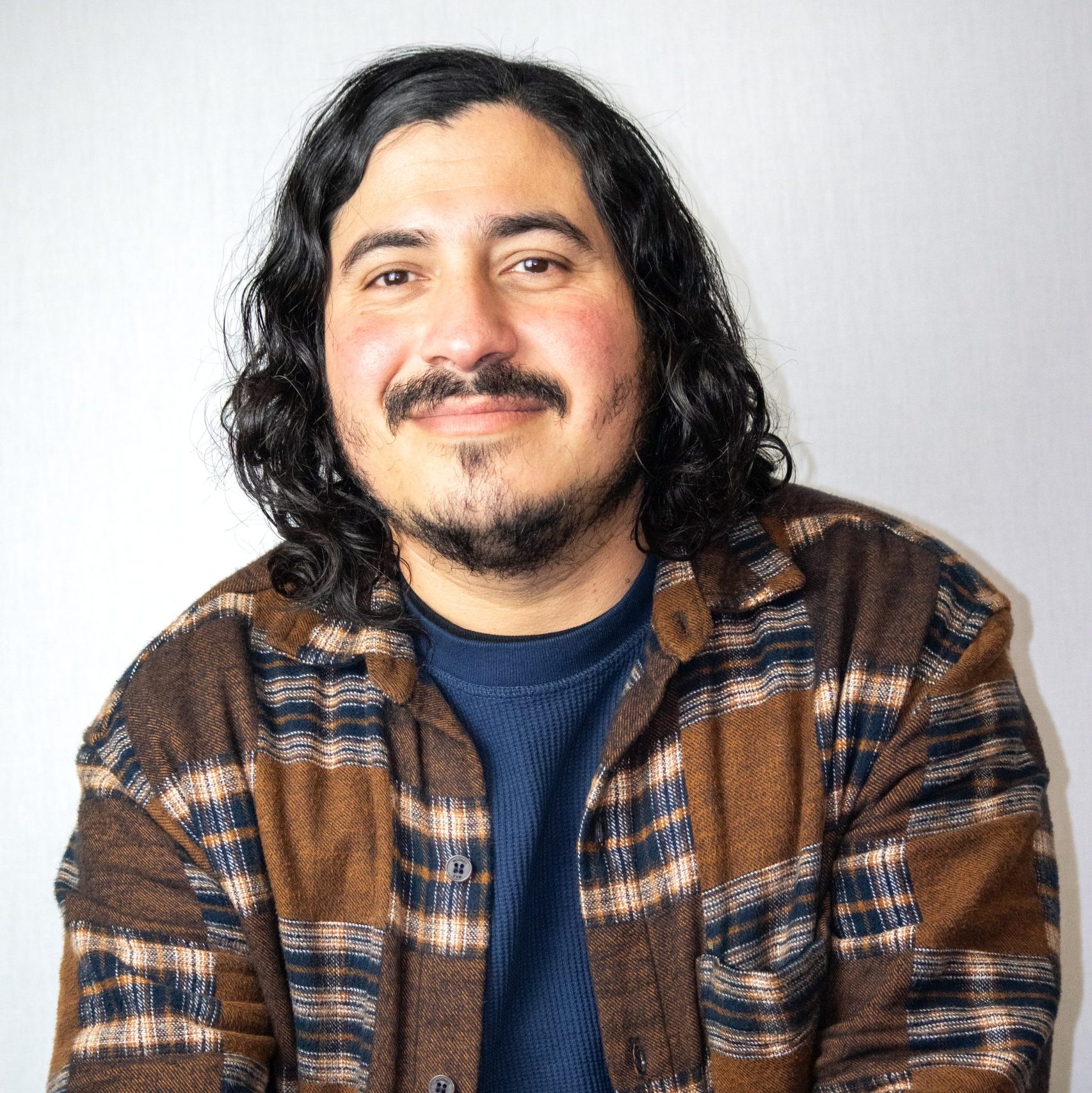
Like Gomez, Abner Bollozos also said he wishes nothing but good luck to the newcomers, despite the difficulties his business is facing.
“I’ve always been in favor of open competition,” said Bollozos. “Everyone should have the opportunity to make a living. Now, it’s up to me to get better skills on my end in order to attract the clients that I need to have.”
Closing the shop, Abner said, would break his mother’s heart, so he, too, has taken on a second job to supplement his funds and keep business alive.
Abner, who has lived in Sacramento since the early 2000s, drives for Lyft five to six days a week after closing his shop. He leaves his home at 9 a.m to open the shop at 11 a.m. and doesn’t get home until 2:30 a.m from having worked the two jobs.
On Fridays, he spends the night at the shop, because he drives until 3 a.m. and opens the next morning at 11 a.m.
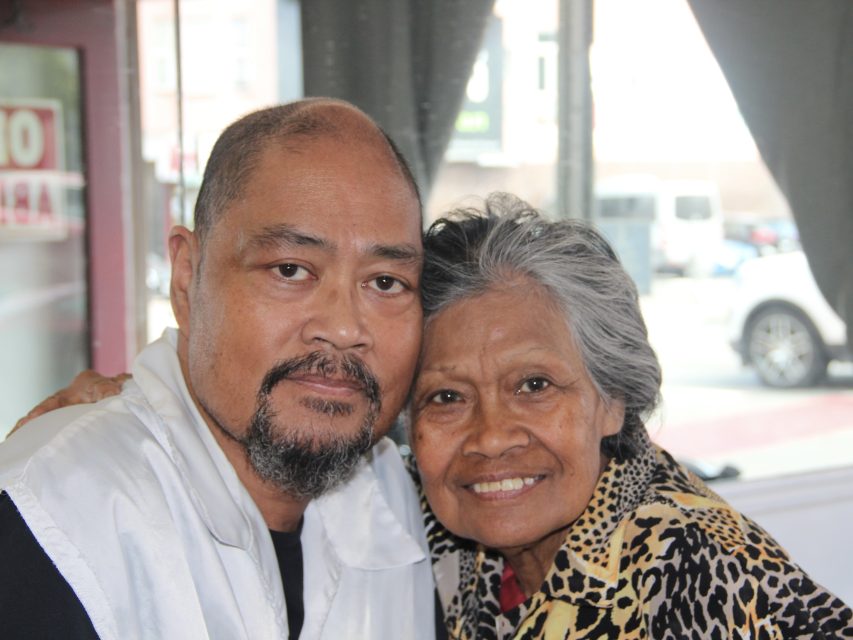
“I started about seven years ago just to get extra cash, but now it is a necessity in my life,” said Abner while Maria waved goodbye to a friend named Ray who had been a loyal customer for decades. “I love you. Visit more,” she said.
used to go to Abner’s in mid 90’s till I moved out to east bay. Always did a great job and felt like a million bucks! Wishing them the best and hope they stay open!
For one thing, the pandemic isn’t over (still at 1,000 US deaths-per-week: https://peoplescdc.substack.com/p/peoples-cdc-covid-19-weather-report-a4e ). Only the lockdowns are past-tense (for now).
Secondly, this is what happens when (1) gentrification, (2) a lack of protection for small business, and (3) unregulated gig economy proliferation all meet head-on at the same point. Add to that all the people who are sick (or dead) from the still-ongoing pandemic, then the picture of the above story becomes all the more clear… and all the more sad.