
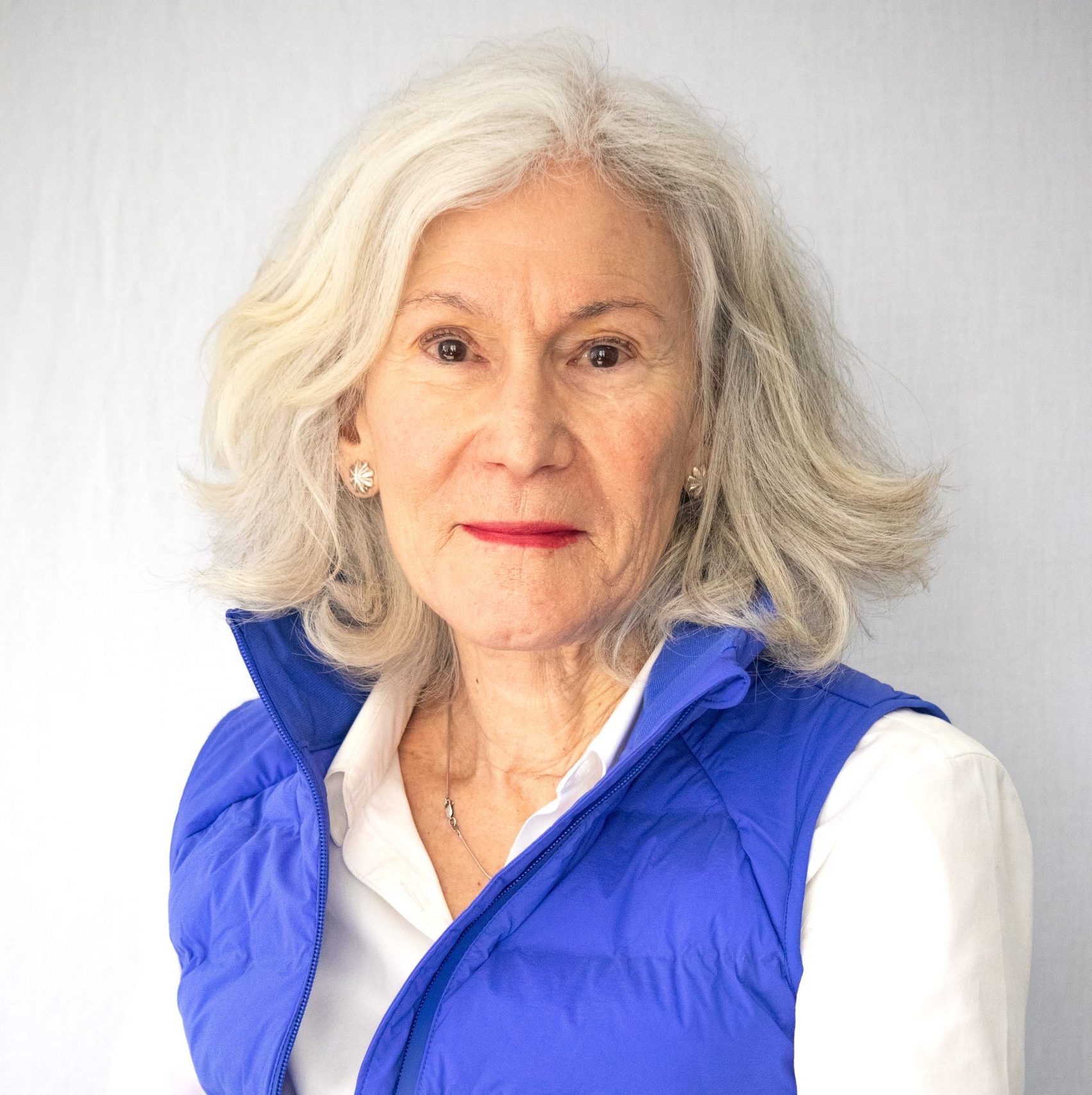

Barbara “Bobbi” Lopez has seen the good and the bad of children’s lives in San Francisco. When 14-year-old Ivan Miranda was stabbed to death this July, Lopez—who knew Miranda from her work advocating on behalf of disadvantaged youth throughout the city—took the news harshly.
“I was really, really depressed after his death,” says Lopez, 30, a Mission District resident. But now Lopez hopes to translate her experiences with troubled youth into a position on the Board of Education, where she believes she could have a greater impact on students’ lives.Four seats are up for re-election this November 4. And with a looming budget crisis, a widening achievement gap between white and minority students, a school assignment policy that has middle-class parents upset, and stagnant enrollment numbers, newly elected school board members will have a tough road ahead of them.
Among the 13 candidates running, Lopez—who came to San Francisco eight years ago—is something of an outsider. Born in Mexico City to a pair of university professors, she is the only gay or Latina candidate in this year’s race, and she has neither children nor experience working directly for the school district to add to her resume, as do most of the other candidates. Nevertheless, Lopez has won the endorsement of the current School Board president Mark Sanchez and the San Francisco Bay Guardian.
“I’ve worked directly with kids, and I know how inequities play out at school sites,” Lopez says at her office, which she shares with Sanchez.
Sanchez says of her, ““She is the only LGBT candidate, the only Latina candidate. She’s an immigrant and works with Latino families and poor families who are living this achievement gap, so she understands these issues better than anyone else.”
Instead of education, Lopez’ experience comes in a different form. Since 2000, she has worked as the Youth Law Coordinator at La Raza Centro Legal in the Mission, a job that has brought her into some of the roughest high schools in the city. In them, she provides youth facing suspension, expulsion and special education hearings with legal advice, in addition to fighting for equal rights for immigrant and minority youth.
Lopez is also as an organizer for the Tenderloin Housing Clinic, a job that has brought her into the home of many of the parents of students she’s worked with.
Because of these experiences, Lopez believes she understands better than other candidates the issues that matter to parents and students.
“If you ask children in the district what their number one concern is,” says Lopez, “they’ll say violence and safety.”
And violence, Lopez believes, is directly connected to the widening gap between the academic performance of white and minority students.
“When some students are forgotten or neglected,” she says, “and you take away programs and opportunities for them, it’s not a surprise that violence and academic problems result.”
The “achievement gap,” as the discrepancy between the academic performance of white and minority students is known, is “the greatest civil rights issue facing our country today,” said Superintendent Carlos Garcia last August, after the most recent test score results were released.
Mission students, many of who are poor or minority, are disproportionately affected by this gap.
“I’m one of few candidates who’s worked with disenfranchised youth,” says Lopez.
Yet despite her work with students, some candidates are critical of Lopez’ lack of more typical experience.
“Having a school board that has a balance of knowledge and experience is key,” says Jill Wynns, 61, who has served on the board for 16 years and is running for re-election.
“After this election we’ll have the least experienced board in years, and we need some people with a lot of experience there. Like me.”
Other candidates disagree with Lopez over what issues are most important.
For example, according to audio interviews done with all the candidates by an SF parent and blogger, one of the top issues for candidate Emily Murase, the 43-year old executive director of the San Francisco Department of Women, is reinstating the district’s controversial JROTC program. It will be discontinued at the end of this year unless voters pass Proposition V, which promises more funding for the program.
In addition to JROTC, other candidates have stressed the school assignment policy as the top issue, some of whom said race should be introduced as a criterion for school assignment so as to counteract de facto segregation.
On the other end of the spectrum are candidates like Alexander Lee, 34, a business manager, who believes school assignment should be determined primarily by one’s neighborhood—a policy that Lopez believes would result in even more ethnic and economic segregation of San Francisco schools.
Whether or not Lopez is elected, she says she will continue working with the city’s disadvantaged youth and parents.
One of them is Yolanda Interian, a mother of three from Yucatan, Mexico who met Lopez at John Muir elementary when Interian’s daughter was being bullied and having trouble getting the English-language translation she needed.
Interian offers a straightforward reason for supporting Lopez: “She’s shown she’ll fight for kids who need it, and she’ll fight for mothers. That’s who I want on the School Board.”
To find the location of your polling place, visit the San Francisco Department of Elections: http://www.sfgov.org/site/elections