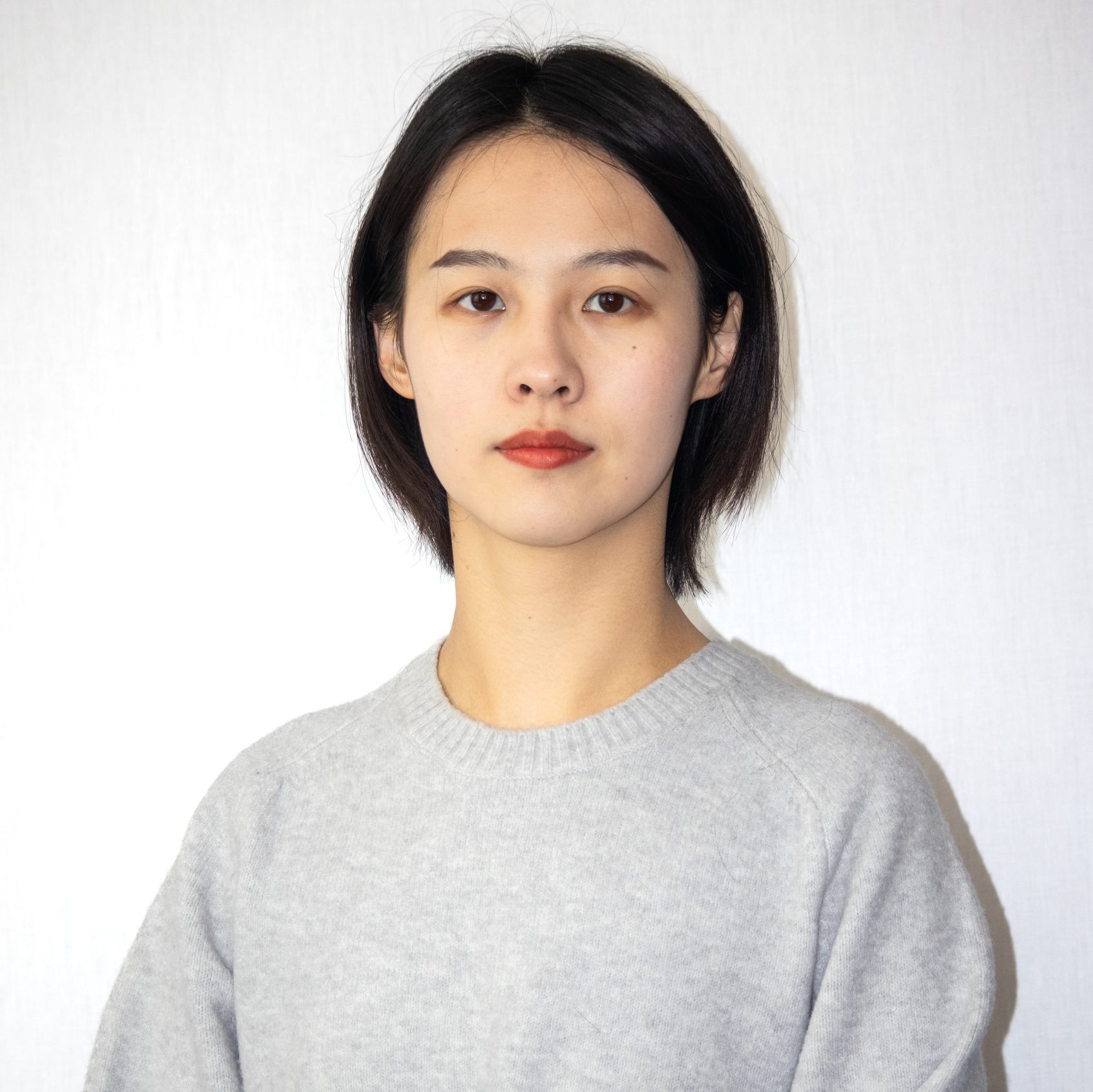

Nora Hylton served on the San Francisco Youth Commission for three years — from 2018 to 2021. The District 5 resident, who was appointed to the body by Mayor London Breed, knows the benefits private school brings: She attended Lick-Wilmerding High School, and then Yale.
But when she heard that all of the six appointees selected by Mayor Daniel Lurie to serve on the Youth Commission attended private school like her, she balked.
“It’s important that the Youth Commission is getting as diverse an experience of being young in San Francisco as possible,” Hylton said. The role of mayoral appointees, she said, is “to make up any deficits in representation on the commission.” The city charter, in fact, stipulates that five of the mayor’s appointees must be “from underrepresented communities.”
“Going to private high school speaks to some kind of experience of privilege, even if you’re on financial aid,” she said.
The San Francisco Youth Commission is made up of 17 members who are between the ages of 12 and 23. Each of the 11 city supervisors gets to appoint one member, and the mayor gets to appoint six.
The commission is not wholly symbolic: The Board of Supervisors is required by the city charter to seek the Youth Commission’s input on any matters that affect children and youth. Its members helped implement the Free Muni for Youth program, which was expanded to all people 18 and under in 2021, and worked with community groups and supervisors to vote on closing juvenile hall in 2019. (Supervisors approved the closure, but juvenile hall is still open.)
Lurie’s appointees were sworn in on Sept. 9. He had a sufficient number of public school youth to pick from: Of the 12 applicants recommended by Youth Commission staff to the mayor’s office this year, three attend public high schools, seven attend private schools, and two had already graduated from SFUSD, according to Joy Zhan, the commission’s acting director.
The mayor, however, picked six from private schools. By contrast, six of the 11 members appointed by supervisors attend public schools. Overall, that means 11 of the 17 youth commissioners now attend private school.
This also marks the first time since the 2016-17 term that none of the mayoral appointees has been from a public school, according to a decade of appointment records provided by the Youth Commission and the Office of the Clerk of the Board of Supervisors.
In a statement, Lurie’s spokesperson, Charles Lutvak, said that though the mayor’s appointees all go to private schools, they have diverse backgrounds. “We are proud to have appointed a slate of youth commissioners who come from different backgrounds and walks of life … The Youth Commission does not oversee SFUSD.”
Joshua Rudy Ochoa, who is on staff at the Youth Commission, confirmed the mayor’s appointees come from different city districts, bring a wide range of racial representation, and include at least one who receives financial aid to go to private school.
All of the former commissioners and city officials who were part of the appointment process concur that the commission’s makeup should represent San Francisco youth — some 70 percent of whom attend public schools — if not skew more toward public school students.
The appointment is a resume booster for aspirational young people, after all, that should not only be awarded to those from a more privileged background, critics of Lurie’s said.
“It says a lot about the mayor being out of touch with those folks that are in public school,” said Sunny Angulo, a former longtime legislative aide who was previously involved in picking youth commissioners. Angulo now runs a progressive advocacy group that has been critical of the mayor.
The right thing is “to focus on those young people that are most impacted by the challenges that everyday families are facing in their communities,” she added. In the 2024-25 school year, for example, SFUSD recorded 2,794 homeless students.
“I don’t think people realize how many people under the age of 24 were literally living and doing their homework and applying for schools and college out of homeless shelters … every one of these children are our children and our responsibility.”
Apart from communicating the needs of young people to City Hall policy makers, many of the former commissioners have gone on to attend top universities, and some have embarked on political careers as city officials.
Being a commissioner “really sets up young people in San Francisco for success within politics, local government” and in community organizing, said a former youth commissioner, who went to Lowell High School. It is “a very important intentional place for young people.”
Crystal Chan, a former commissioner who went to Lowell, said that in organizing for Free Muni for Youth, for example, it was important to have more commissioners who understood transit “firsthand” rather than those who were “more well off” and did not ride public transit.
Still, the private-school trend may continue: In recent years, a position on the Youth Commission — whose members aren’t compensated and receive no stipend — seems to have become more appealing to private school students.
A lot of public school students nowadays really want a paying job, said Zhan. About 55 percent of the 156 applications received this year were from students in private schools, she said, though the commission’s staff has tried to focus more on public schools in its outreach process.
“I do applaud those who were selected and wish them and our city tremendous success,” said Vanessa Pimentel, a political strategist and former youth commissioner who went to Galileo Academy of Science and Technology.
“But we have to ask: Who precisely gets access to these opportunities? Who else gets a seat at the table?”