
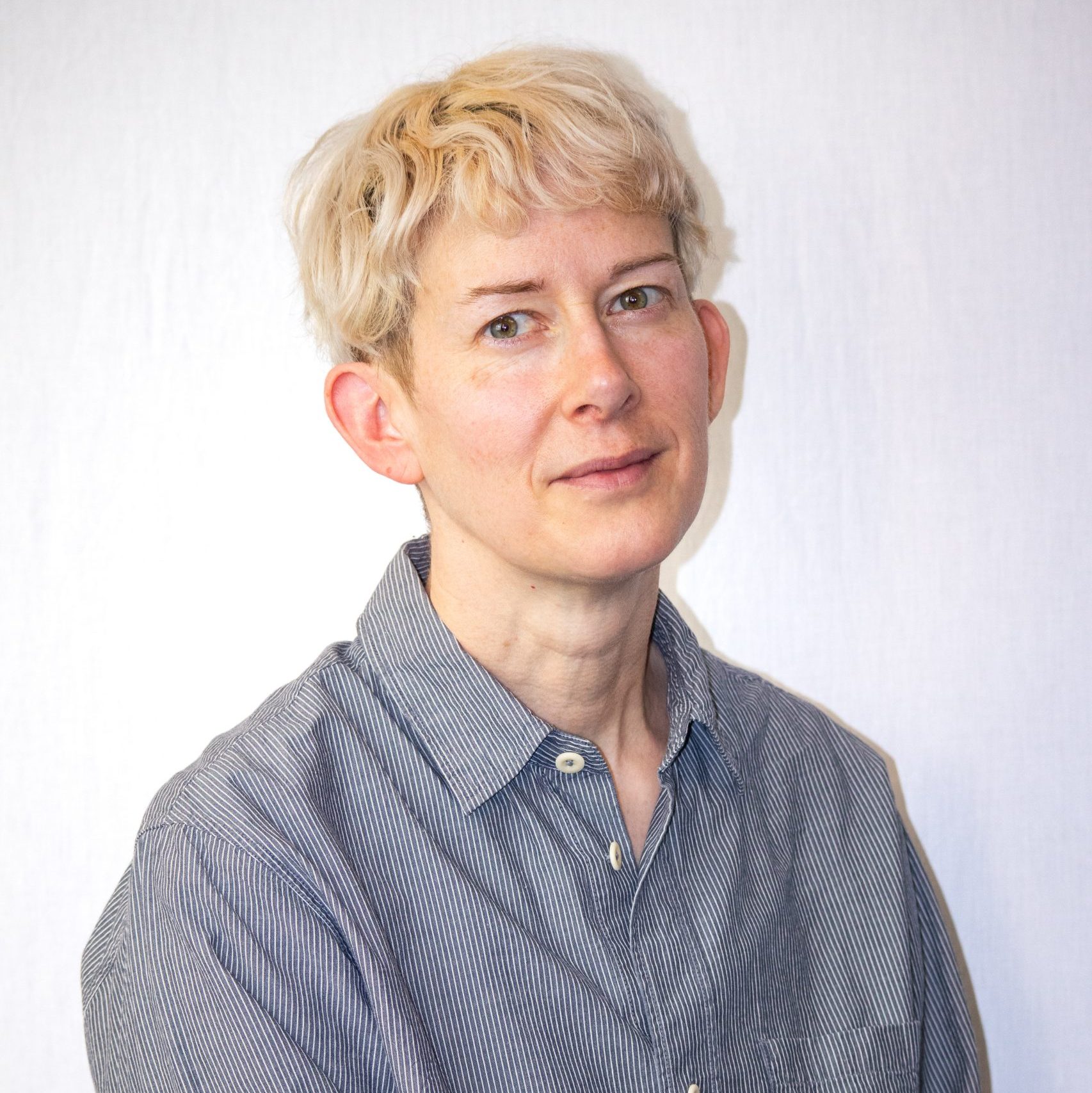


Aaron Peskin’s brutal campaign schedule for mayor, which has included everything from house parties to farmer’s markets to galas, appears to be paying off. Peskin is once again in the lead in individual donations; his campaign raised $121,363 from mid-September to mid-October, coming from contributions under the city’s $500 limit.
On Thursday, every campaign was required to file its totals for money raised and spent from Sept. 22 to Oct. 19. Former mayor Mark Farrell raised $100,999, and current mayor London Breed raised $65,815. Daniel Lurie raised $2,715,300 — but the majority of that amount came from Daniel Lurie. When it comes to donating money to one’s own campaign, there is no $500 limit.
With the election just two weeks away and voting already under way, the race is on to spend down campaign reserves. Any remaining funds on election will have to be donated, saved for future campaigns — or, in the case of public financing, returned to the city.
Candidates do not always follow those rules; in 2016, Farrell used leftover campaign funds to wine and dine guests at more than three dozen meals after he had already been elected. Breed also has a history of dipping into campaign funds while not officially campaigning: After being sworn in as supervisor in 2016 she continued to collect donations to her campaign fund, and spent the proceeds on couches, computers, and a Pride float.
Currently, the Peskin campaign has reserves of $483,097, Farrell has $344,311, Lurie has $265,599, and Breed has $44,453.
Peskin’s campaign reported spending $311,286 during this period, with the largest expenditures going to digital ads, campaign literature and mailings, as well as $12,138 in advertising on Sing Tao Radio, and a $10,000 tracking poll from Public Policy Research.
The Lurie campaign also spent handsomely on polling during this time period, paying out $115,000 to David Binder Research. During that same period, the Lurie campaign paid out nearly $1 million to local television stations, as well as more than $2 million to Thematic Campaigns, a firm that Politico has described as “The gold standard among democratic TV ad-makers.”
Mark Farrell’s campaign reported spending more than $350,000 on television ads, and more than $75,000 on mailers and door hangers, as well as $29,500 to TogetherSF Action for its voter guide, and $17,000 to TogetherSF Action for fieldwork. His close ties with the group have drawn scrutiny.
The Breed campaign reported spending several hundred thousand dollars on digital ads, and donating $10,000 to the San Francisco Democratic County Central Committee. The DCCC has endorsed Breed for mayor.
San Francisco’s $500-per-individual-donor limit was first established in 1973. Peskin has, historically, been a big supporter of it. But since running for mayor, he’s been having second thoughts. “When I first ran for office 25 years ago, it was $500,” he said recently. “It should be higher, okay?” Adjusted for inflation, a $500 donation in 1973 would have the buying power of $3,550 today.
Aaron is the candidate for those who understand the city’s need for affordable housing, an efficient and ethical administration, and responsible expenditure of public funds. His detractors claim he opposes housing, but he has supported it when it creates what normal people need. He understands most city residents are renters, and has been a vigorous supporter of rent control. His insistence on fiscal prudence and honest government have saved taxpayer money. He has been elected board president so much for a reason: his peers respect his ability to produce results. It’s hard for me to feel optimism about a politician, so Aaron’s candidacy is particularly refreshing. He’s in the trenches for us, addressing the issues that matter against moneyed interests.