

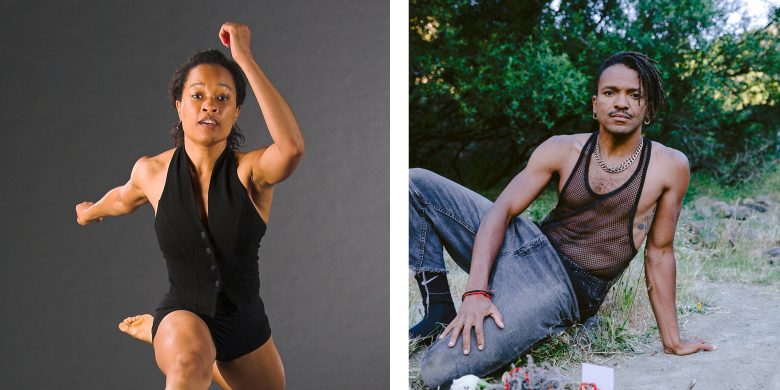

In the two decades since Laura Elaine Ellis cofounded the Black Choreographers Festival, she’s been a first-hand witness to more evolving styles and emerging talents than she could ever count.
On the eve of the festival’s 21st iteration — it begins on Feb. 21 and runs through March 1 at the Dance Mission Theater — Ellis’ top priority remains collaboration and partnerships, she said.
The festival’s choreographers, she said, “express their narratives and invite audiences into their creative journeys — encouraging openness, curiosity, a willingness to engage and participate — to be immersed in the experience. Perhaps a transformative experience. Certainly a memorable one.”
As with previous editions, the 18 choreographers in this year’s festival will showcase an eclectic range of Black dance styles from the diaspora: Traditional West African, jazz, post-modern, and even contemporary ballet.
The majority of choreographers are based in the Bay Area, save for William L. Miller from Los Angeles and Isha Tobis Clarke from the East Coast.
The primary themes for this year’s festival, known by its acronym, BCF, are “identity and autobiography,” two topics that have become more important to Ellis in recent years, particularly in light of the attempted widespread erasure of Black history across the United States.
“We know what our contributions are to this country, all that we have created, designed, built, fought for, and continue to cultivate as a people,” said Ellis. “We are culture creatives, and our identity is in the doing, and in the making. It is important for us to share our narratives.”
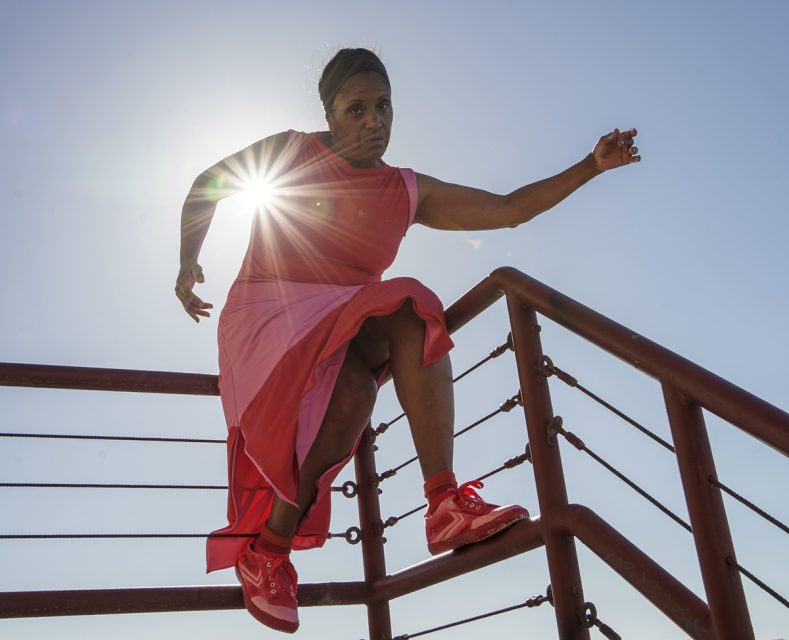
The feeling is reflected by local choreographer and participant Raissa Simpson of PUSH Dance. By coincidence, Simpson founded PUSH the same year Ellis co-founded BCF (with Kendra Kimbrough Barnes of K*Star*Productions).
PUSH spent much of its existence without a permanent home until Simpson founded the Sanctuary at 447 Minna St. For her, events like the festival are all the more important in a Bay Area art scene in a near-constant state of flux.
“Black art survives in the Bay Area because of our ability to collaborate,” says Simpson. “PUSH opened The Sanctuary three years ago, and now we’re navigating our role as an arts leader during direct peril to our funding from anti-DEI political pressure.
“But we’ve stayed grounded in what Laura and Kendra taught me 20 years ago when they first supported my work: ‘You invest in emerging artists, no matter what.'”
Simpson’s work is known for incorporating cutting-edge technology, and her piece, which incorporates audio and visual elements, will be no different. She sees technology “as a tool for speculation,” she said.
“Questions about what role technology plays in how our bodies navigate the world in front of us, our relationships, [give us] our sense of what’s human,” she said.
For Ellis, the work of Simpson and other festival alumni never ceases to amaze and inspire her. It’s why, after 21 years of producing the festival, she has no interest in slowing down.
“The impact of the festival over the years, that is what continues to surprise me and to uplift as well — directly, indirectly — the ripple effect,” she said.
The 21st annual Black Choreographers Festival runs from Saturday, Feb. 21, to Sunday, Feb. 22, then from Saturday, Feb. 28 to Sunday, Mar. 1, at Dance Mission Theater, San Francisco. Tickets are $20 to $35.