

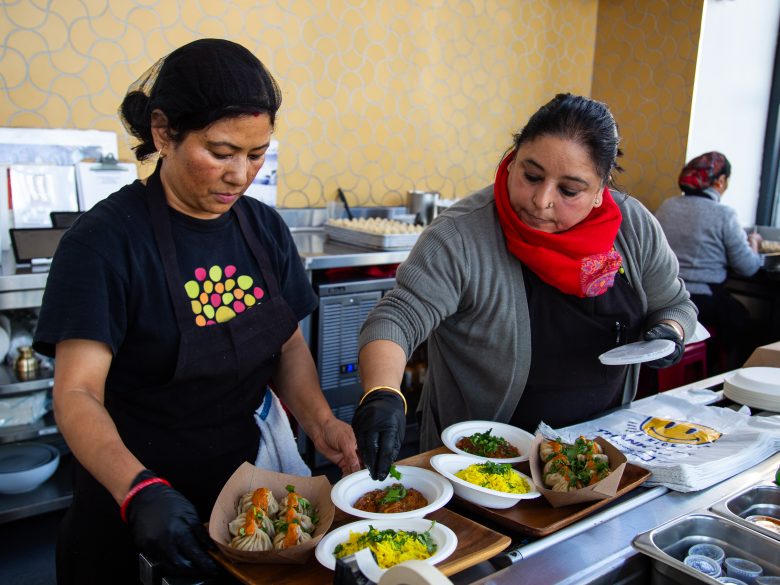

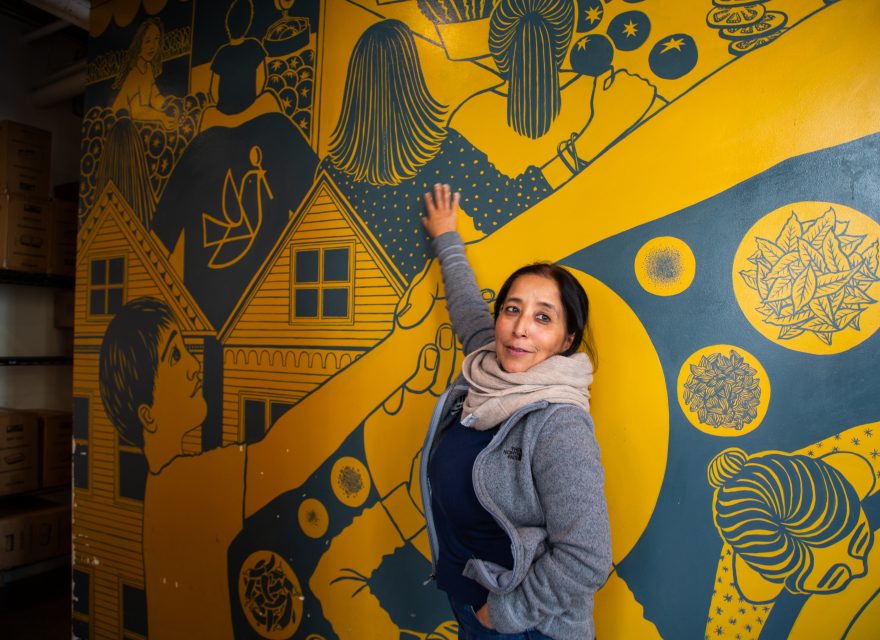
On a recent Thursday, shortly after opening at 11 a.m., Binita “Bini” Pradhan and her sister, Sumita Giri, sit at tables meant for their customers. It’s the lunch hour rush, but the tables will remain empty in their family-run restaurant, Bini’s Kitchen on Sixth and Howard Streets.
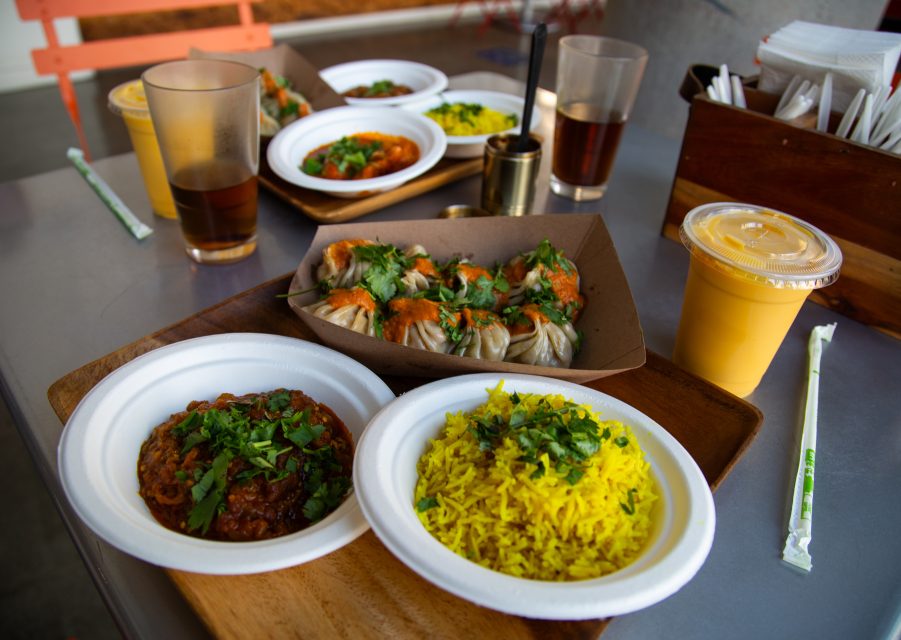
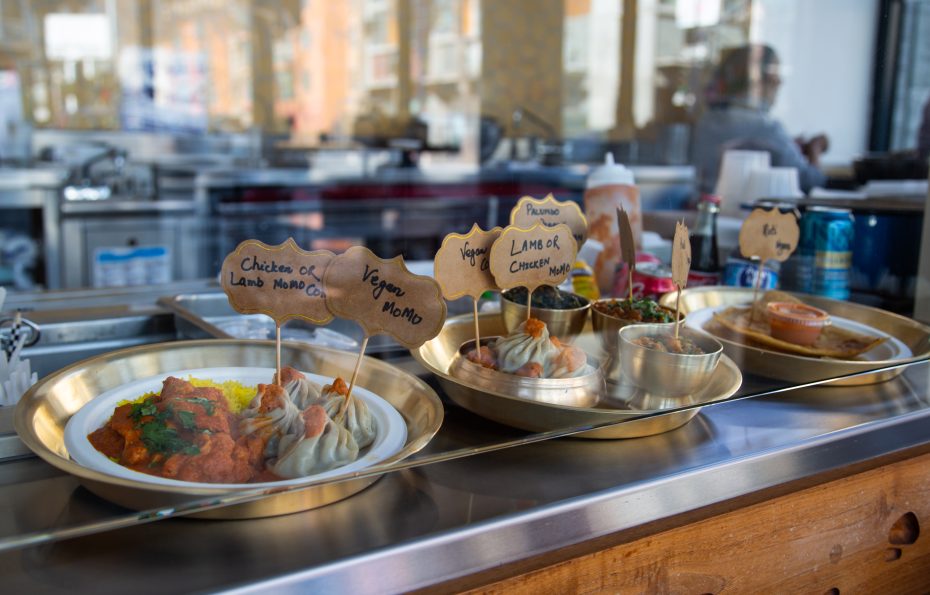
Years ago, Pradhan’s food — home-style Nepalese dishes rooted in memories of her mother’s cooking — earned her a spot in La Cocina’s incubator. She graduated, opened a pick-up window near Union Square that is still running, and in 2019 opened her SoMa sit-down restaurant.
“It used to be hustling and bustling. There were lines, so many people around,” she said.
Then the pandemic hit. The restaurant survived COVID-19, but the neighborhood never fully recovered, she said. Foot traffic dwindled. Poverty became more visible. Vandalism followed.
In January, there were days the sisters didn’t open at all because staff were afraid to come to work, and the front entrance was so heavily soiled.
“I don’t know how long we can stay here,” Pradhan said. She’s made sure City Hall knows.
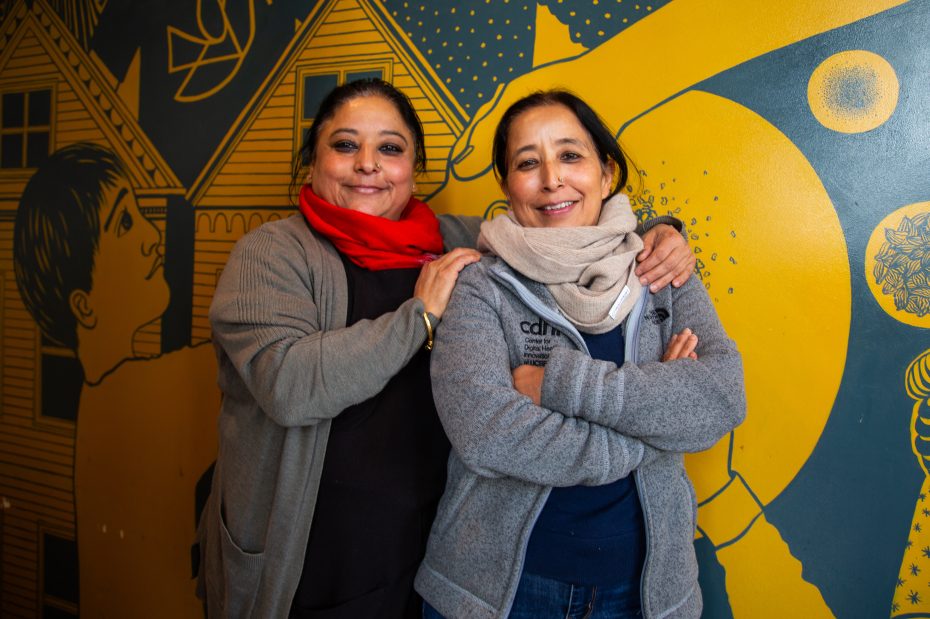
“I get back on my feet every day and then try to come to work,” Giri told supervisors at a City Hall meeting in January, where lawmakers advanced an ordinance to impose a corner-store curfew in their South of Market neighborhood, in an effort to curb crime in West SoMa and parts of the Tenderloin. (Supervisors passed the ordinance in early February.)
Pradhan is hopeful that will make a difference.
Pradhan said she and her sister sometimes spend hours each day clearing people who appear to be suffering from addiction from the restaurant’s entrance — and also cleaning what they believe to be human feces.
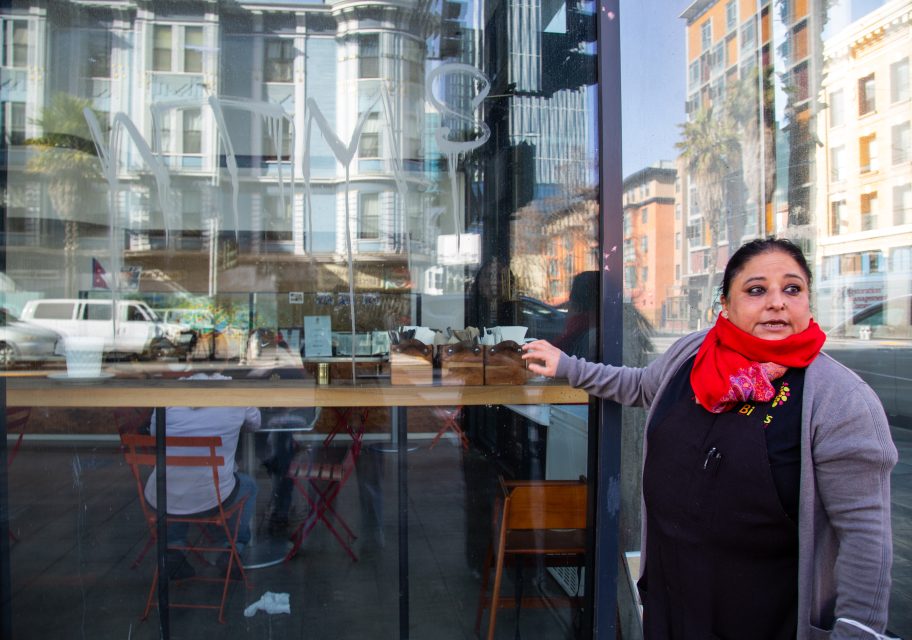
She gestures toward a series of soaring windows, one patched over with tape after an attempted break-in. “This window has been broken twice, and we are in a state where we cannot fix it anymore,” she said.
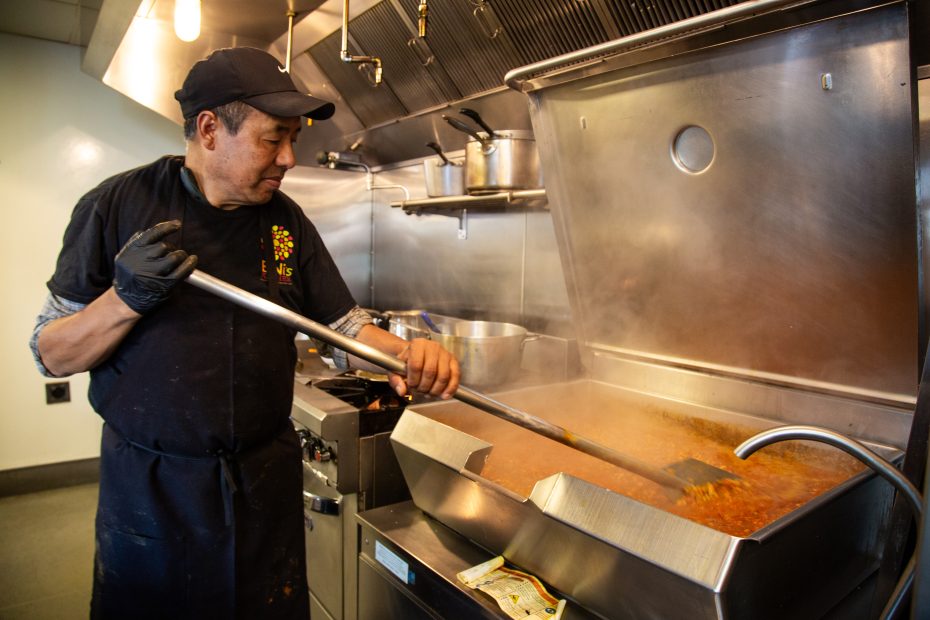
Sunlight illuminates an immaculate kitchen lined with a rainbow of spices imported from her native Nepal. Her employees prepare food behind a gleaming walnut counter designed pro bono, along with the rest of the space, by a local architecture firm.
Pradhan and Giri want to stay, and they are hoping for a sea change in the neighborhood. But they don’t know how much longer they can wait. Nowadays, Pradhan says walk-in customers are almost nonexistent some weeks, though they do steady business through online food-delivery platforms.
Otherwise, Pradhan and Giri said they sustain the business through catering events elsewhere in the city, like festivals and markets. They know they can sell their food. They just can’t bring customers in to enjoy the space.
City data suggests that SoMa has not regained its pre-pandemic restaurant momentum. According to the most recently available figures, openings peaked in 2019, then fell sharply between 2020 and 2023 and have yet to rebound. A total of 167 restaurants and bars closed between 2019 and 2023, mostly west of Fifth Street.
“We love this community. We love the landlord. We love our staff. They’ve been with us for 12 years,” Giri said. “But Bini and I haven’t taken a salary this month because business has been so slow.”
The toll isn’t just financial. Pradhan and Giri said they often wake in the night to watch security camera footage, and can only fall back asleep when they’re sure the restaurant is safe.
Shelves once lined with Nepalese art now stand partially bare, due to petty theft, the sisters say. They no longer keep a tip jar. Once, a stranger barged into the restaurant and demanded to use the bathroom, grabbing Giri by the throat. The phone number for the San Francisco police stands etched on a whiteboard near the kitchen.
Pradhan doesn’t claim to have easy answers for the conditions outside her door. She says she understands that people on the street are struggling, too. But she feels abandoned by a city she thought would protect small businesses like hers.
Though she said calls to her local supervisor, Matt Dorsey, have been met with a sympathetic ear, she and her sister wish the city offered more resources for cleaning and vandalism, to help supplement their skyrocketing insurance rates, and more frequent police patrols.
“I share their concerns,” Dorsey said in an interview with Mission Local. “There are a lot of things the city has done poorly over several years, starting with an issue I’ve been working on — police staffing.” He said that a multi-layered strategy of business curfews, higher police staffing and a new sobering center represent “hope on the horizon.”
“The city is doing nothing about small businesses like us. It’s like they’re forcing us to move from here and go somewhere else,” Pradhan said.
For now, Pradhan and Giri keep showing up each morning, cooking food that carried them through hard years.
“If there was no hope, then we would have closed this place long back. We are still trying,” Pradhan said, gesturing toward three empty storefronts framed in the restaurant’s windows.