
Closing soon
- “Manet and Morisot” at the Legion of Honor closes March 1.
- “Suzanne Jackson: What is Love,” at SFMOMA closes March 1,
Coming soon
- “The art of Cece Carpio,” at SOMArts Jan. 30, 2026 with an opening reception on Jan 29 from 6 p.m. to 9 p.m.
- “Trina Michelle Robinson: Open Your Eyes to Water” at 500 Capp Street and Root Division Feb 11 with an opening reception on Feb 14, 2026 from 12 p.m. to 3 p.m. at 500 Capp Street and from 3 p.m. to 5 p.m. at Root Division.
The gallery scene
Ashley Voss updates a local gallery guide weekly. Check out the guide’s Instagram account and website.
At the Museums
de Young Museum
Tuesday to Sunday, 9:30 a.m. to 5:15 p.m.
Saturdays are free for residents of the Bay Area’s nine counties.
There is a lot happening at the de Young.
“Boom and Bust: Photographing Northern California,” featuring photographs of “San Francisco before and after the 1906 earthquake and fire, the construction of the Golden Gate Bridge and Bay Bridge, and the development of San Francisco’s South of Market neighborhood.”
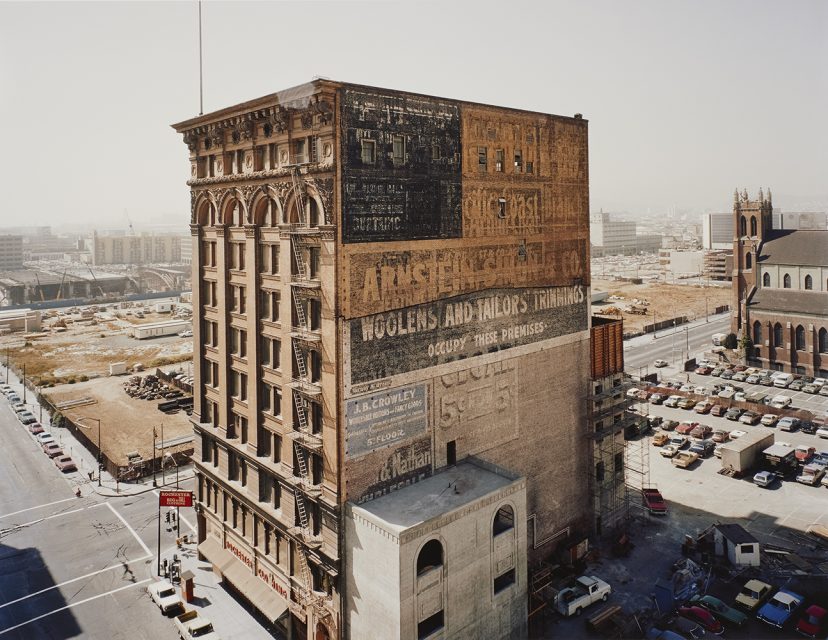
Janet Delaney, “Mercantile Building, Mission and 3rd Street,” 1980.. Photograph by Jorge Bachmann, courtesy of the Fine Arts Museums of San Francisco 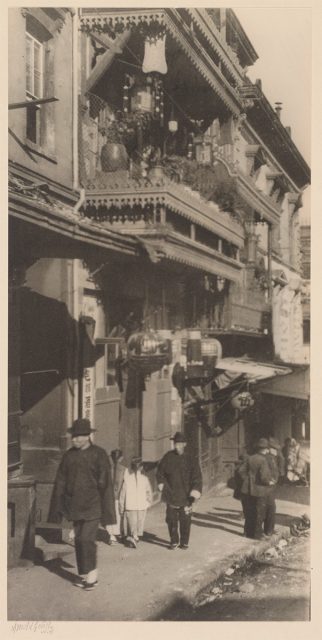
Arnold Genthe, “The Street of Painted Balconies, from the Chinatown Series,” ca. 1896 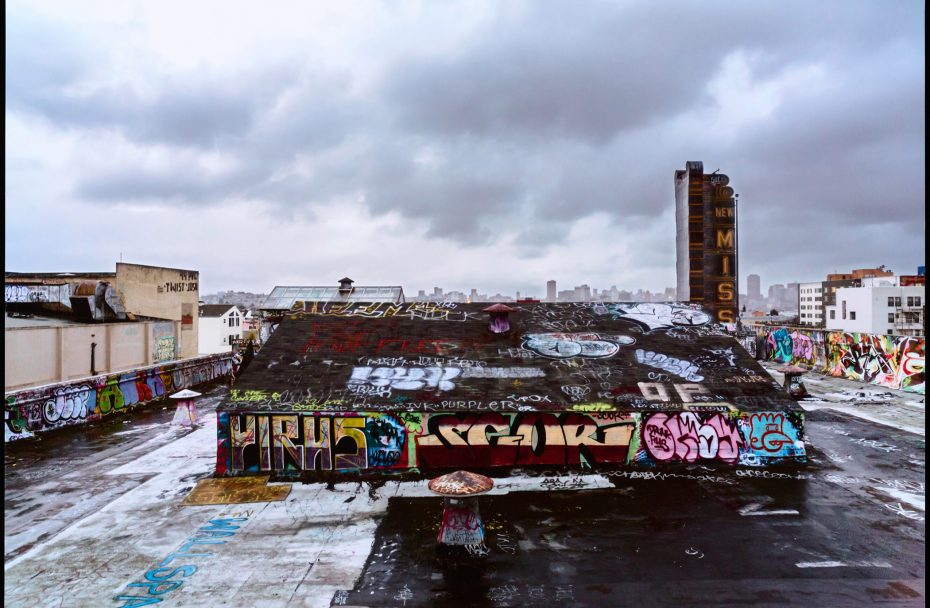
Daniel Postaer, “San Francisco, Fillmore Street,” 2012 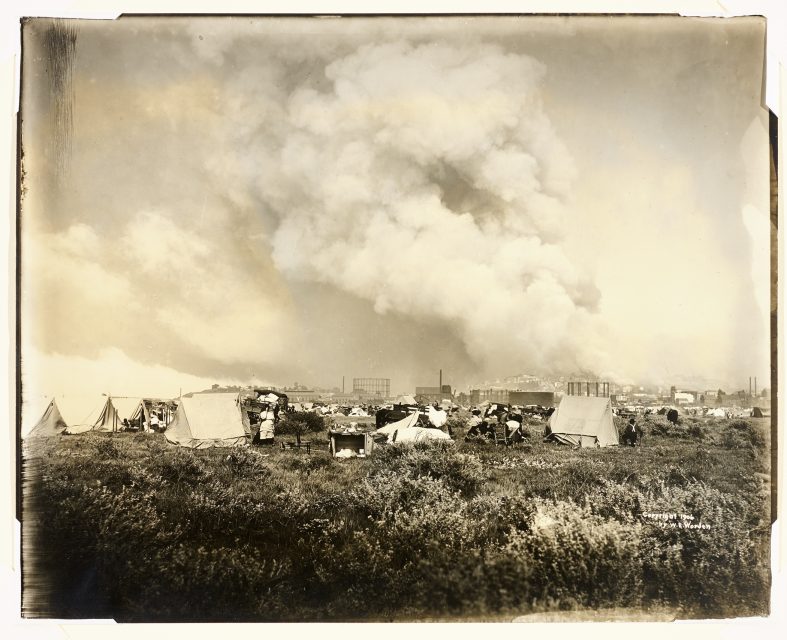
Willard E. Worden, “An Awe-Inspiring View of the Burning City from a Hastily Improvised Campsite West of Van Ness Avenue and Fort Mason, in the District Now Known as the Marina,” 1906 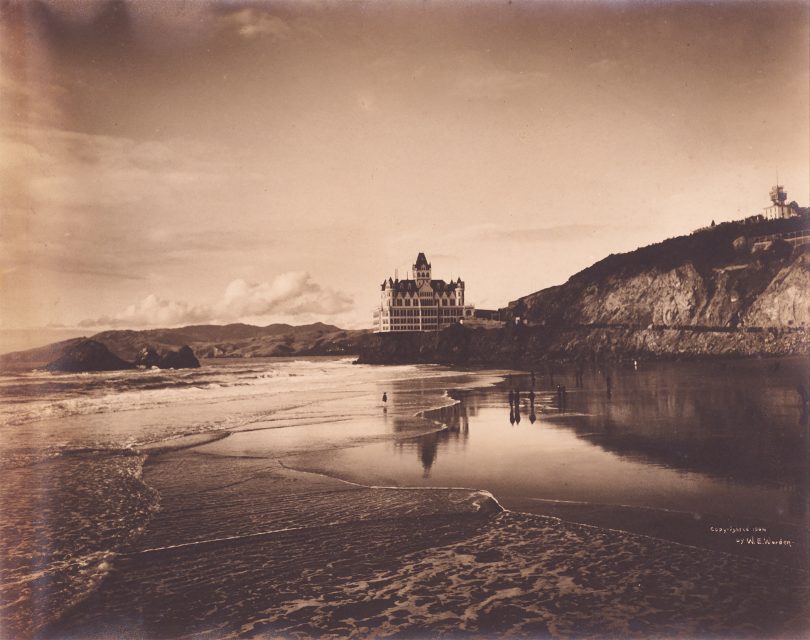
Willard E. Worden, “The Cliff House (Low Tide),” 1904 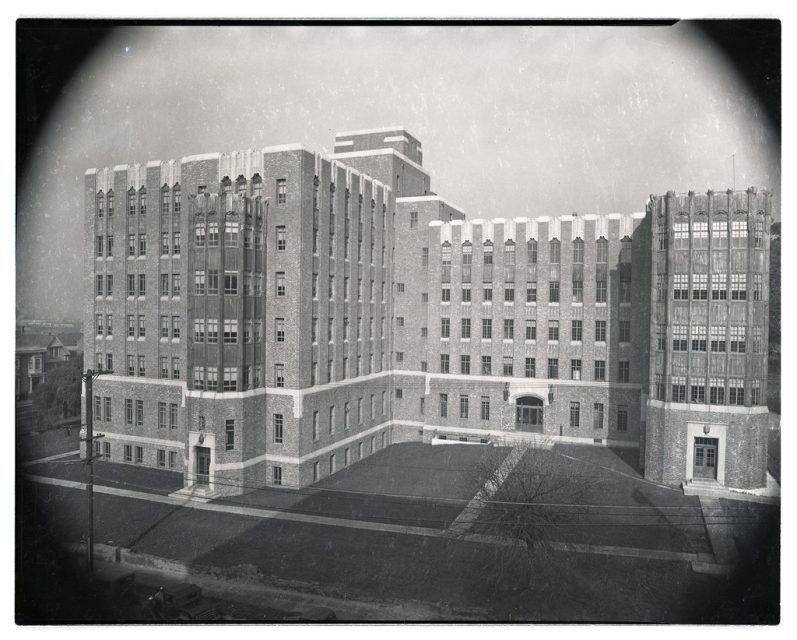
San Francisco General Hospital Buildings 80 and 90 circa 1937. Photo courtesy UCSF, San Francisco General Hospital archives. 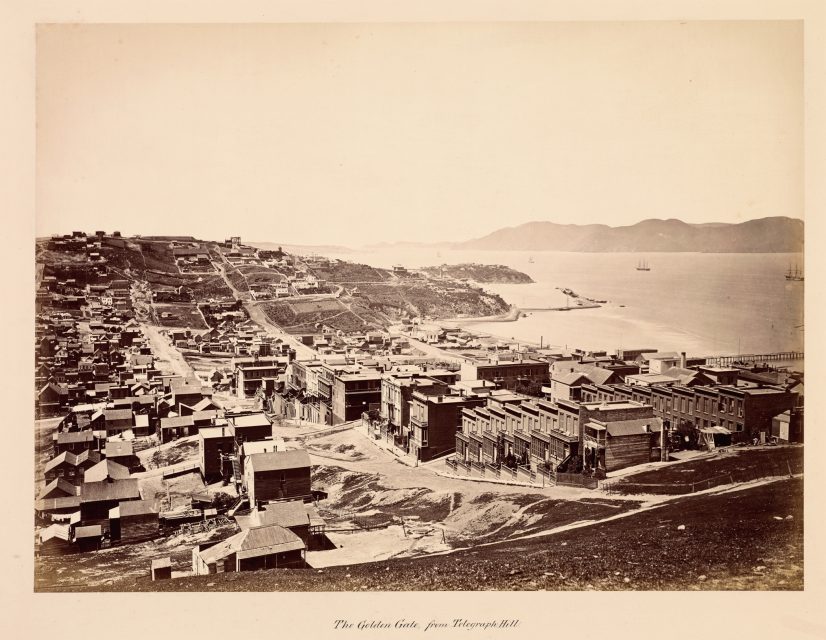
Carleton E. Watkins, “The Golden Gate from Telegraph Hill, San Francisco,” 1868
Artist Rose B. Simpson’s show “LEXICON” opened, and will be on until 2026.
Noma Faingold writes in her review, “Coming from a long line of Native American ceramic artists of the Santa Clara Pueblo (Kha’po’oe Ówîngeh), based just south of Española, New Mexico, pottery is in Simpson’s DNA. While she still lives at the pueblo and has her studio close by, she has forged a different creative path, while examining the past, present and future.”
Read the full review of Simpson’s show here
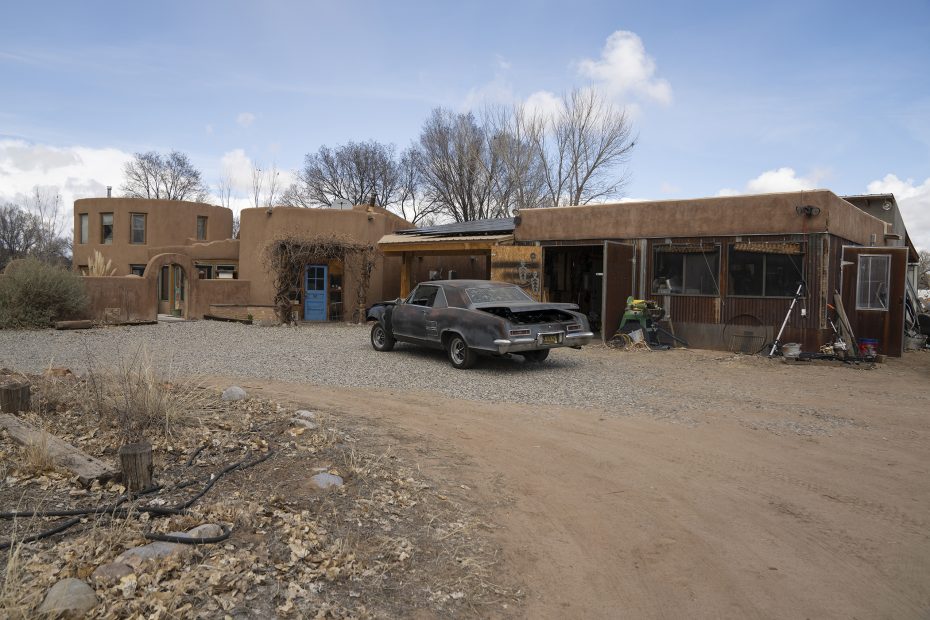
Simpson’s exhibit is all part of the opening of four galleries dedicated to Arts of Indigenous America, which draws on the permanent collections, new acquisitions and artists like Simpson.
The New York Times has an excellent piece by Carolina A. Miranda on the development of the Arts of Indigeous America galleries.
“Leilah Babirye: We Have a History” opened earlier this summer gives the artist, born in Uganda and based in New York, her first solo show in the United States. It closes May 26, 2026, Babirye creates sculptures in ceramic, wood and discarded objects.
I don’t know her work, but am excited to get to know it. Here is an excellent introductory video with Babirye and the curator of SFMOMA’s African collection, Natasha Becker. Contemporary artists like Babirye are being invited to have their work in conversation with the museum’s excellent permanent collection.
Museum of the African Diaspora
Tuesday, Wednesday, Friday, Saturday, and Sunday, 11 a.m. to 5 p.m. Thursday, noon to 8 p.m.
The Museum of the African Diaspora has reopened and has two new exhibitions, “Unbound: Art, Blackness and the Universe,” which opened Oct. 1 and runs through Aug. 16, 2026 and “Continuum: MoAD Over Time, which also opened October 1 and will run through March 1, 2026.
More on the Museum aT 20
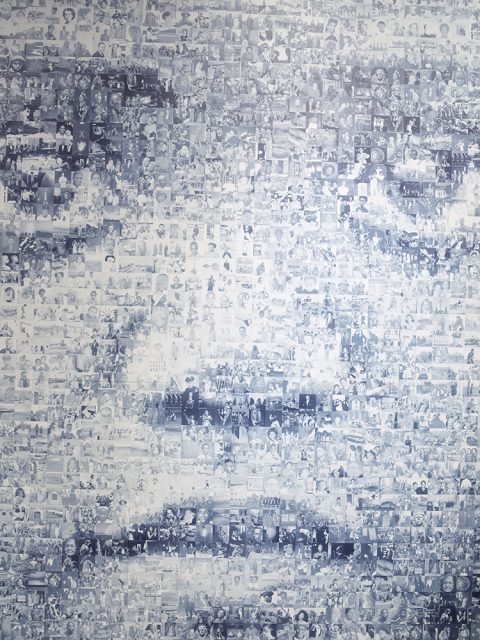
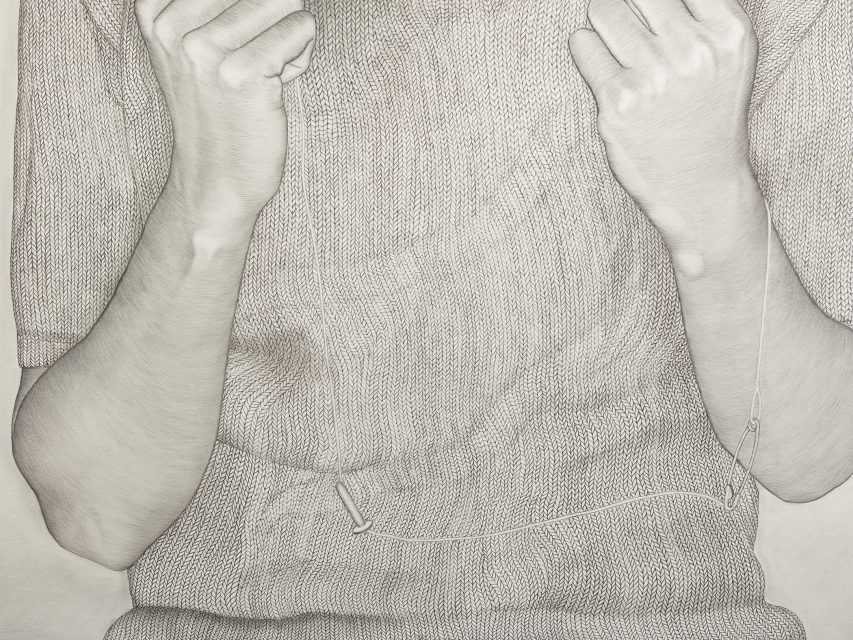
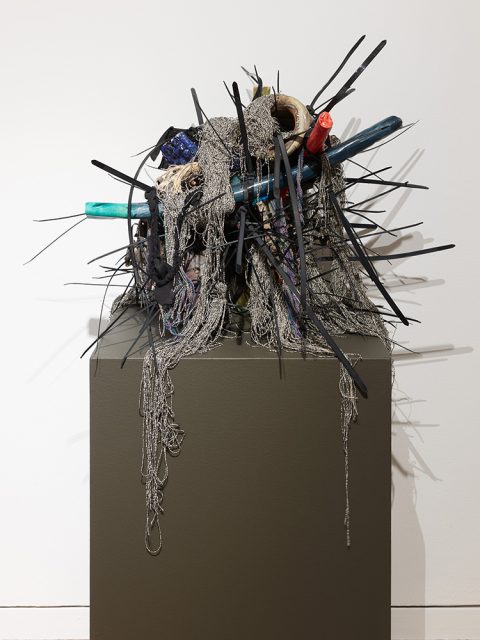
Teresa Moore reviews “Unbound” this week writing, “Over three floors, she (curatorial chief Key Jo Lee) presents an African diaspora that is “unbound” from earthly and chronological conceptions of diaspora.”
Read the full review
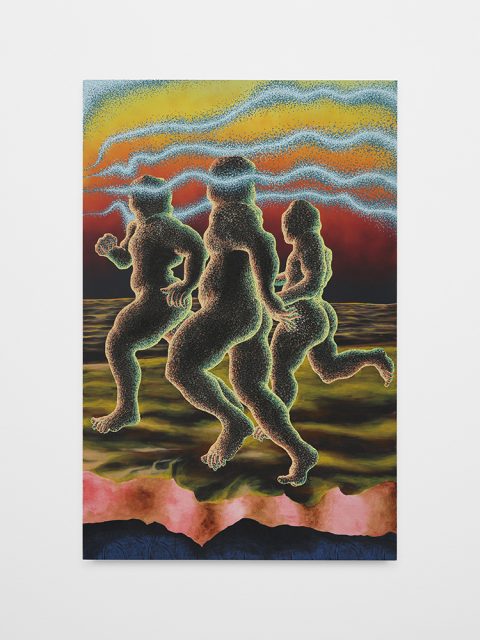
Didier William Dark Shores,2024. Courtesy of the artist and Altman Siegel 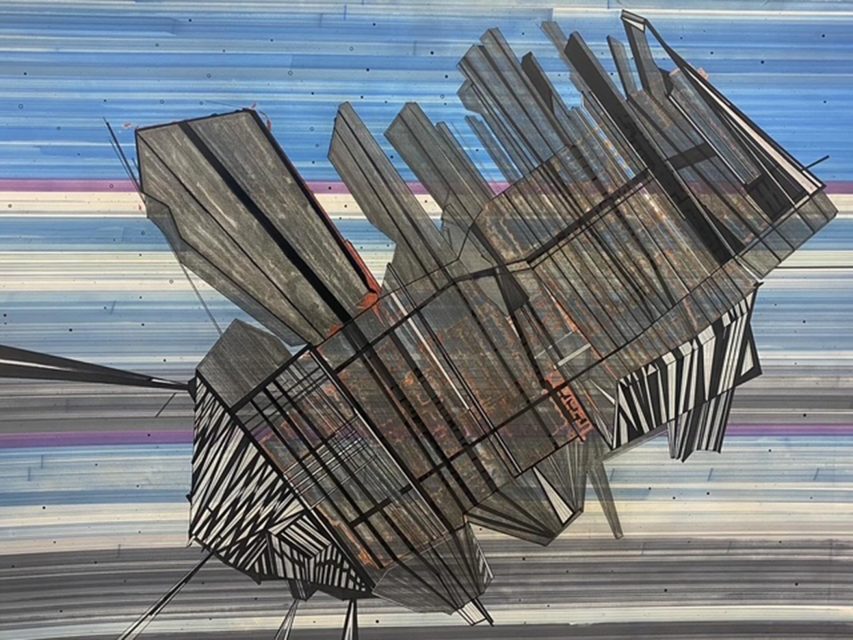
Rodney Ewing. Light Years: A Cenotaph for a Better Place,2025. Courtesy of Rena Bransten Gallery, SF and the artist. 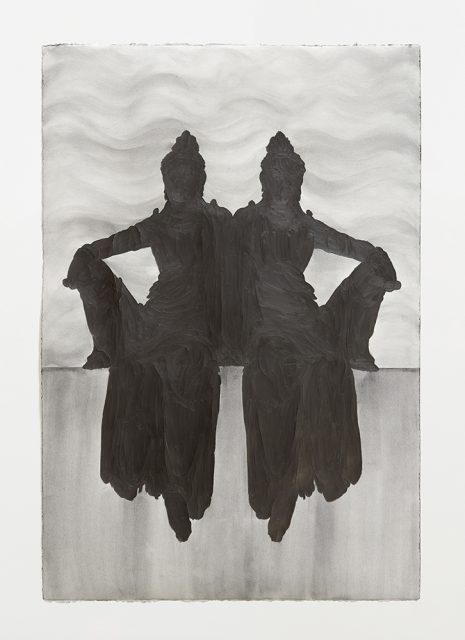
Oasa DuVerney BLACK POWER WAVE as Bodhisattva Manjushri Sankofa, 2023, Courtesy of the artist and Welancora Gallery
Asian Art Museum
Monday, Thursday, Friday, Saturday, Sunday, 10 a.m. to 5 p.m; closed Tuesday and Wednesday.
“Jitish Kallat: Covering Letter (Terranum Nuncius)” invites visitors to reflect on the things that unite humanity.
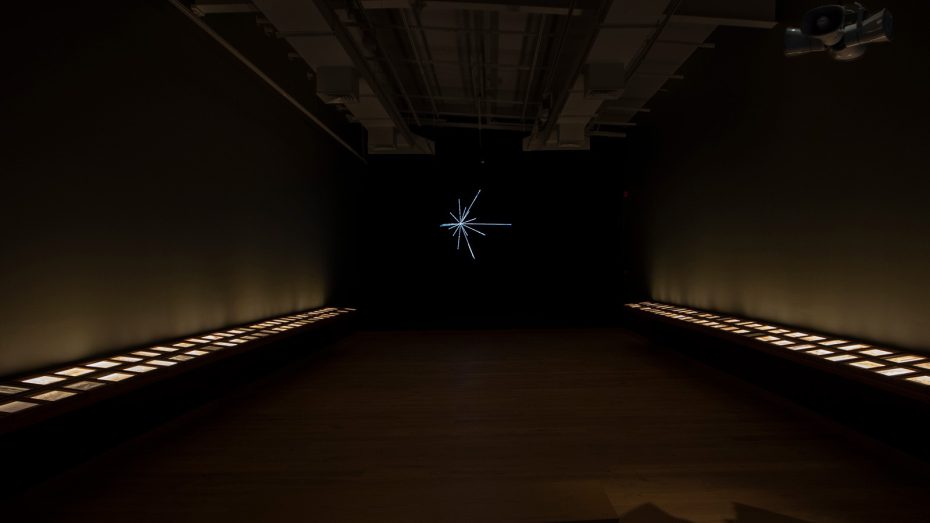
Chandigarh-based artist Gurjeet Singh’s show “When Words Hurt” is open through March 23, 2026.
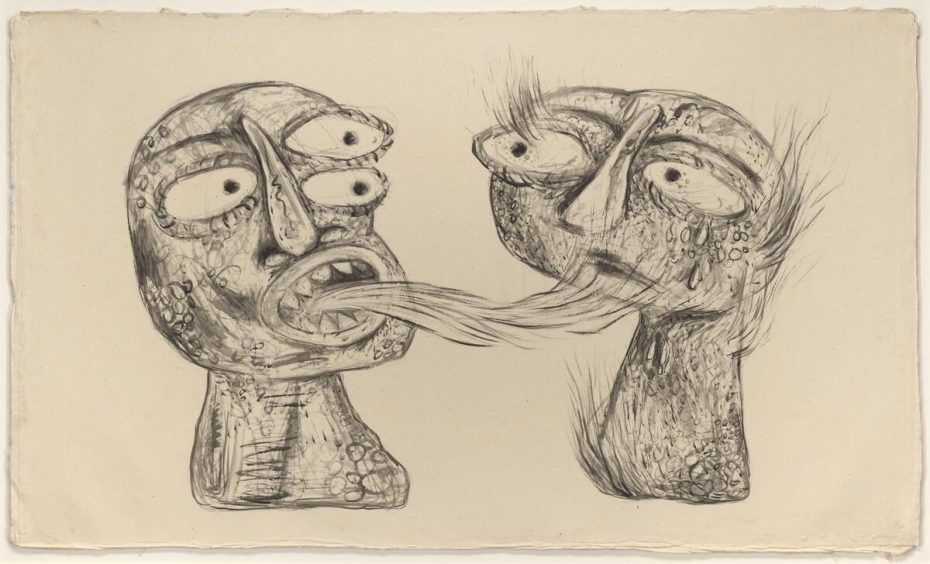
You will also see cutting-edge claywork from Japan in “New Japanese Clay.”
The museum also has a series, “Takeout Tuesdays,” where you can meet online to talk about a piece of art with docents and others.
General admission is free on the first Sunday of every month, and the special exhibitions are discounted. Here is more information for free and reduced-cost admission. The museum also hosts a robust list of events.
I love the outdoor murals along Hyde Street by artist and activist Kayan Cheung-Miaw. “This Asian American Life” shows scenes from Chinatown from the POV of a child. It is part of a public-art series on Chinatown’s mothers, workers and tenants.

Legion of Honor Museum
Tuesday to Sunday, 9:30 a.m. to 5:15 p.m.
The museum offers Free Saturdays to residents of the Bay Area’s nine counties.
“Drawn to Venice” opened and will be on to Aug. 2, 2026. The exhibition is designed to be “in dialogue with Monet and Venice, on view March 21, 2026–July 26, 2026 at the de Young.”
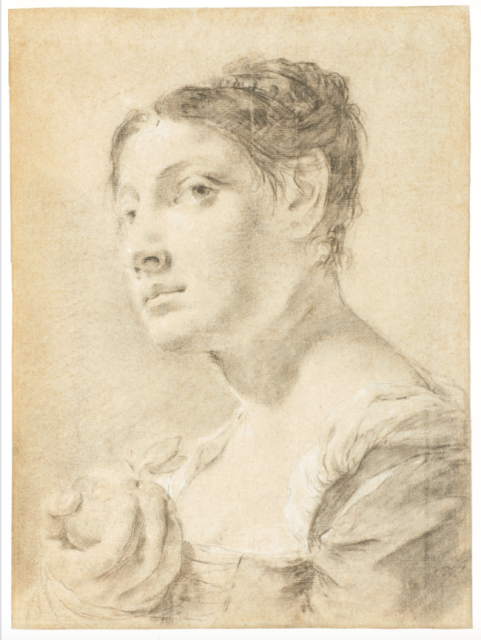
Bust of a Girl Holding an Apple. Drawing. Giovanni Battista Piazzetta (Italian, 1682-1754). Museum purchase, Bruno and Sadie Adriani, Ludwig A. Emge, Ruth Haas Lilienthal, Roscoe and Margaret Oakes Income Fund, and Lucie Stern Fund. 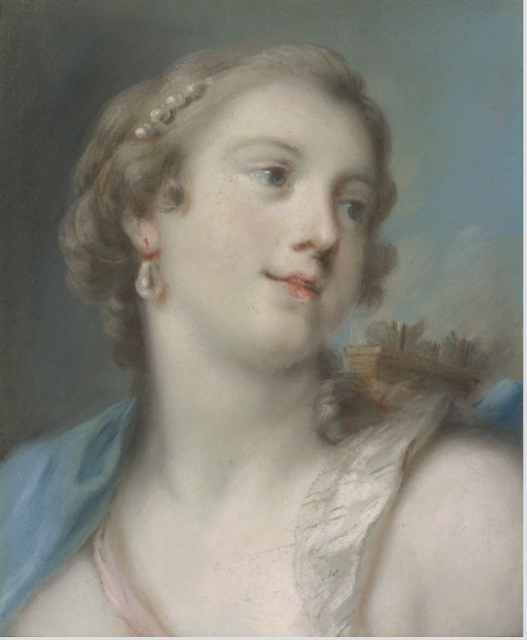
Portrait of a Lady as Diana. Drawing. Rosalba Giovanna Carriera (Italian, 1671-1757). Gift of Mr. and Mrs. Prentis Cobb Hale Jr.
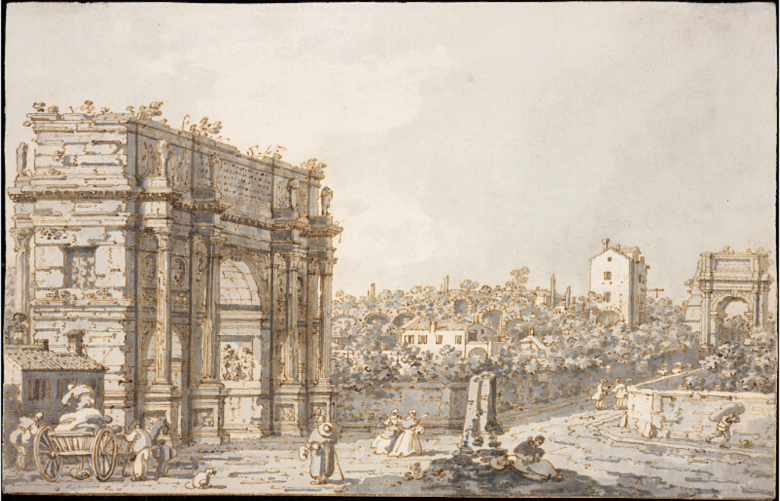
The exhibit includes 30 drawings and prints from 16th-century Venice – landscapes and figure studies – from such artists as Giovanni Battista Tiepolo (1696–1770), Rosalba Carriera (1673–1757) and Canaletto (1697–1768).
Julie Zigoris writes that “Manet and Morisot” open through March 1 at the Legion of Honor “will give museum-goers the opportunity for the first time to understand how deeply the two French painters were in conversation with one another.”
It’s a wonderful exhibit. Paintings that make you want to get closer.
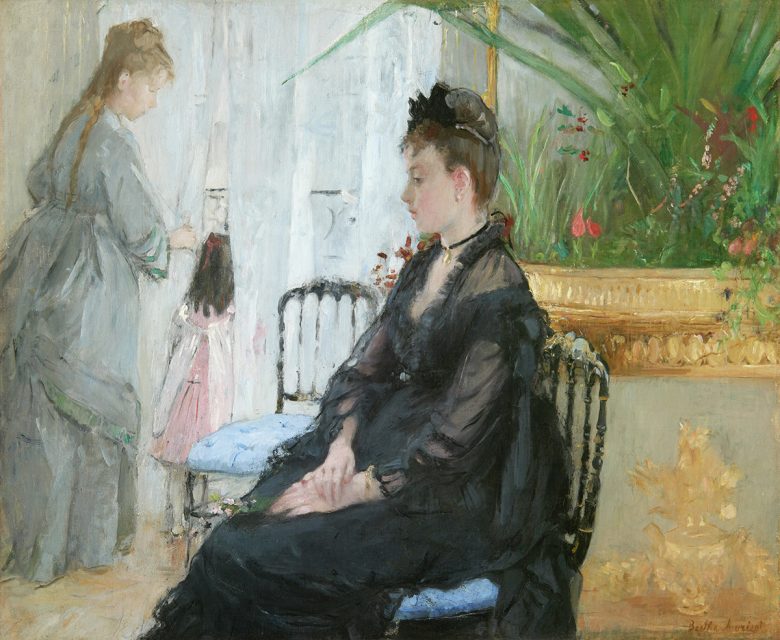
Berthe Morisot “Intérieur,” 1872 Oil on canvas, 23 5/8 x 28 11/16 in. (59.944 x 72.898 cm) Private Collection Photograph by Randy Dodson, courtesy of the Fine Arts Museums of San Francisco 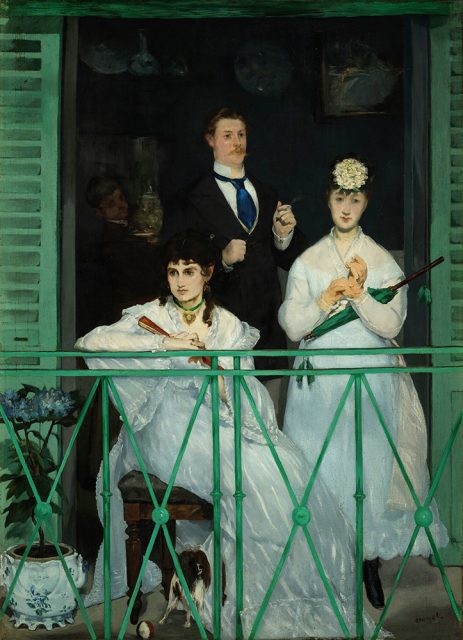
Édouard Manet “The Balcony,” 1868-69 Oil on canvas, 66 15/16 x 49 3/16 in., (170 x 125 cm) Musée d’Orsay © RMN-Grand Palais / Art Resource, NY 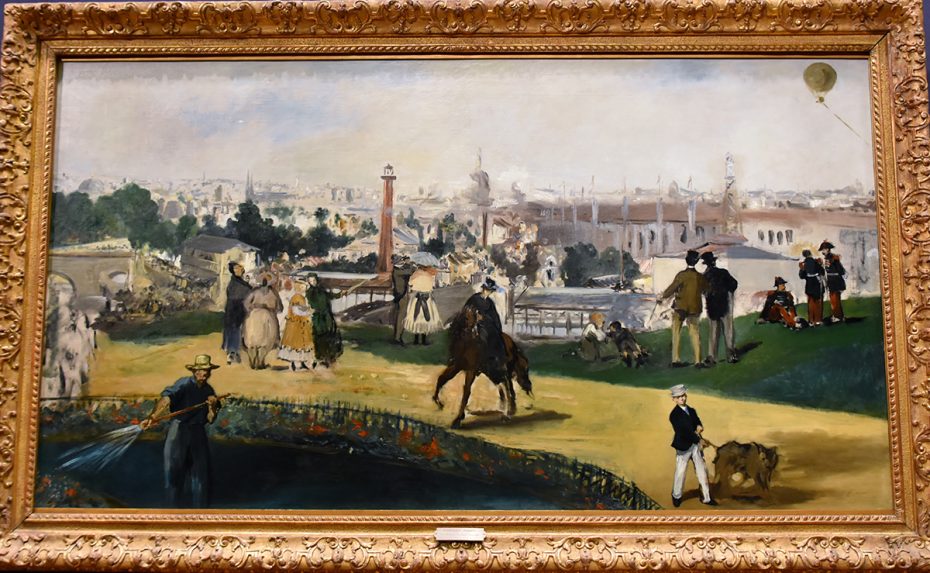
Édouard Manet, The Exposition Universelle , 1867. 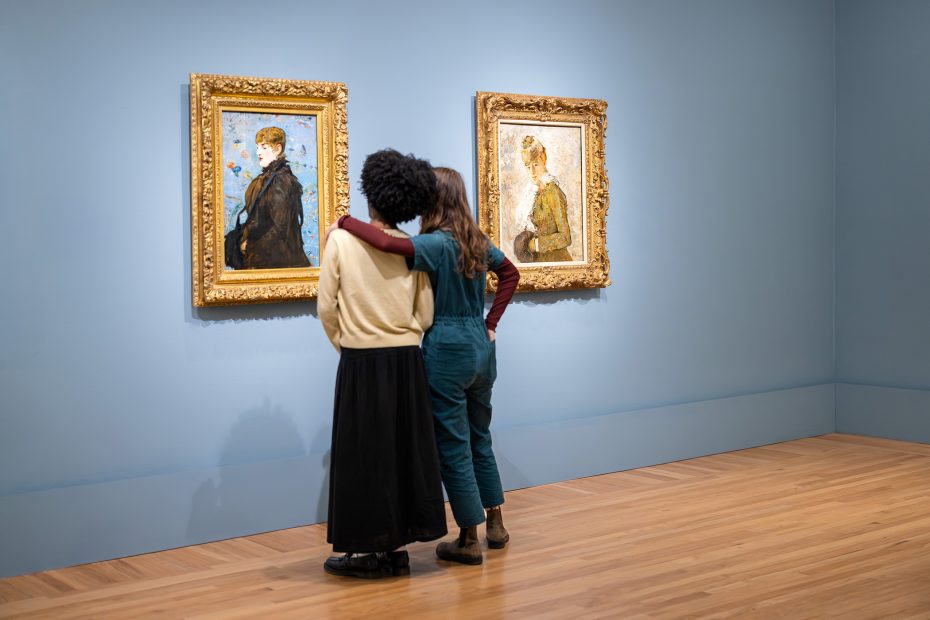
Installation view of “Manet & Morisot” at the de Young Museum, San Francisco, 2025. Photograph by Gary Sexton. Image courtesy of the Fine Arts Museums of San Francisco 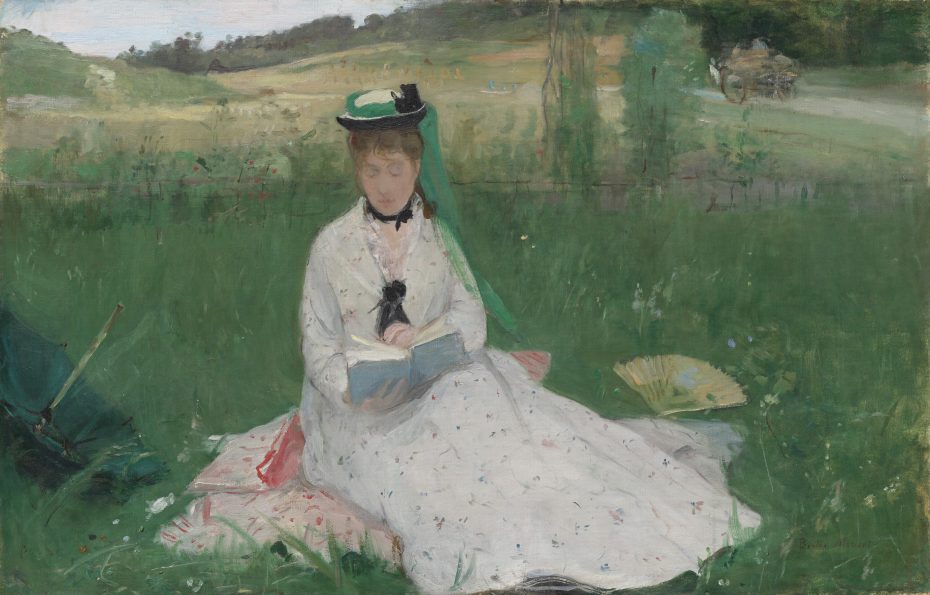
Berthe Morisot “Reading,” 1873 Oil on fabric, 18 1/8 x 28 1/4 in. (46 x 71.8 cm) Cleveland Museum of Art, Gift of the Hanna Fund, 1950.89
“Ferlinghetti for San Francisco” draws from the museum’s collection of prints, etchings and lithographs. Here is a 2012 profile from SFGate of the poet, artist, activist and founder of City Lights Book Store.
Our Review and Guide
Ferlinghetti died in 2021, but what a life. Even before arriving in San Francisco, he had earned a master’s degree from Columbia University and a doctorate from the Sorbonne.
If you get into Ferlinghetti‘s history, visit the Counter Culture Museum, City Lights Book Store and the Beat Museum.
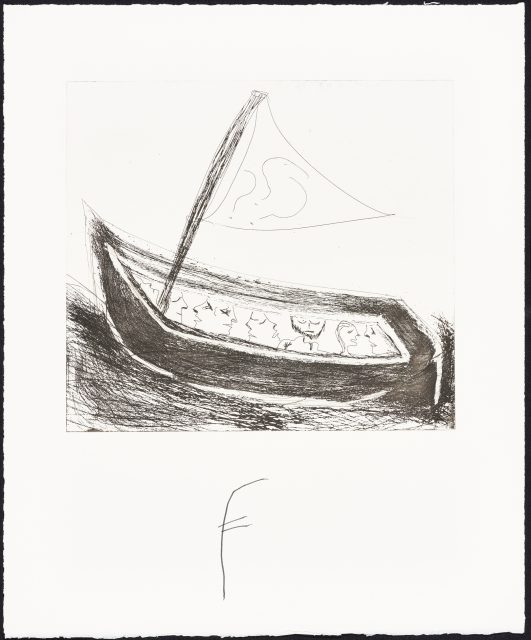
“Printing Color: Chiaroscuro to Screenprint,” closing Jan. 4, promises to take you across time, from 18th Century etchings to contemporary artists like Kiki Smith.
You can view the Legion of Honor’s full list of exhibitions here.
SFMOMA
Monday, Tuesday, Friday, Saturday and Sunday, 10 a.m. to 5 p.m; Wednesday, closed; Thursday, noon to 8 p.m.
“Rose B Simpson: Behold,” is on view on SFMOMA’s fourth-floor terrace a bronze sculpture visible from multiple locations.
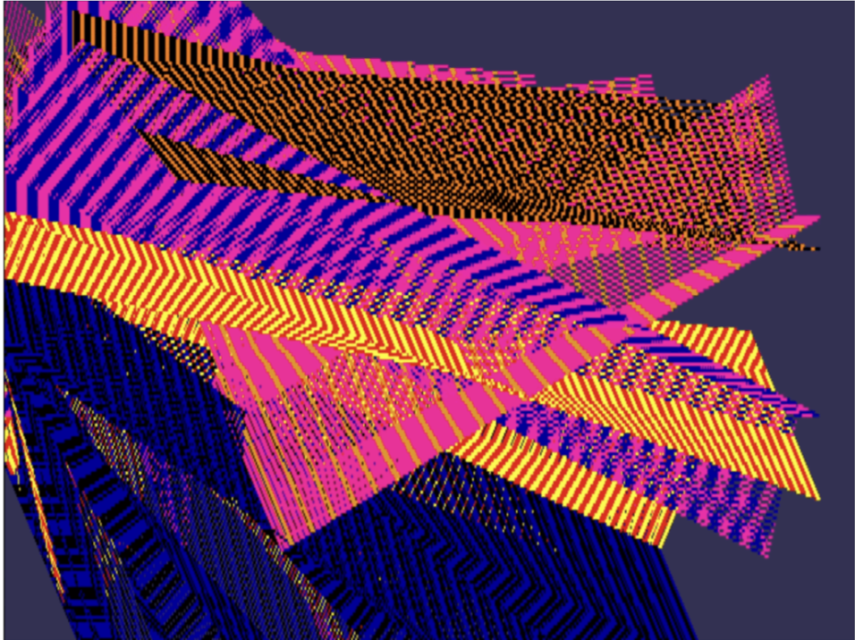
Also new: “Samia Halaby: Kinetic paintings,” four new works in SFMOMA’s Evelyn and Walter Haas Jr. Atrium.
“Alejandro Cartagena: Ground Rules” is on view until April 19.

Alejandro Cartagena, Rivers of Power #71, from the series Rivers of Power, 2010–16© Alejandro Cartagena, courtesy the artist 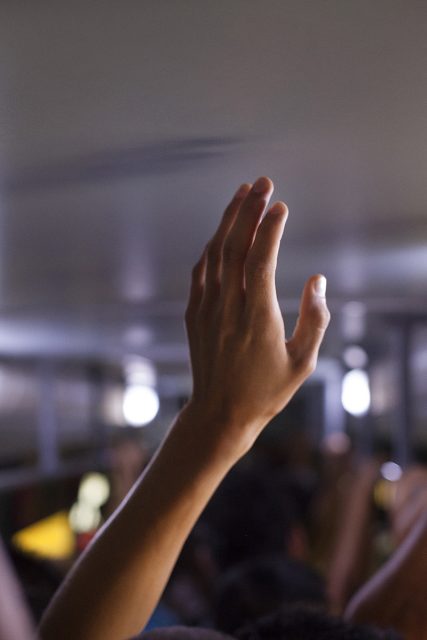
Alejandro Cartagena, Suburban Bus #56, from the series Suburban Bus, 2016; © Alejandro Cartagena, courtesy the artist 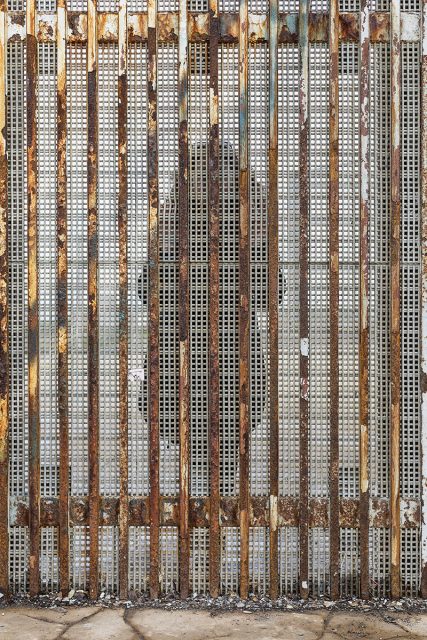
Alejandro Cartagena, Invisible Line DAUGHTER #34, from the series Invisible Line, 2010–17; © Alejandro Cartagena, courtesy the artist 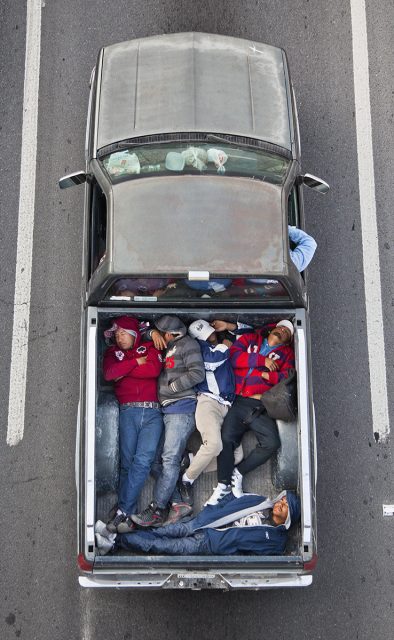
Alejandro Cartagena, Carpoolers #21, from the series Carpoolers, 2011–12; © Alejandro Cartagena, courtesy the artist
Mission Local’s Marina Newman went to Cartagena’s talk in November, to discover that the photographer has moved away from photography.
Read more about Cartagena
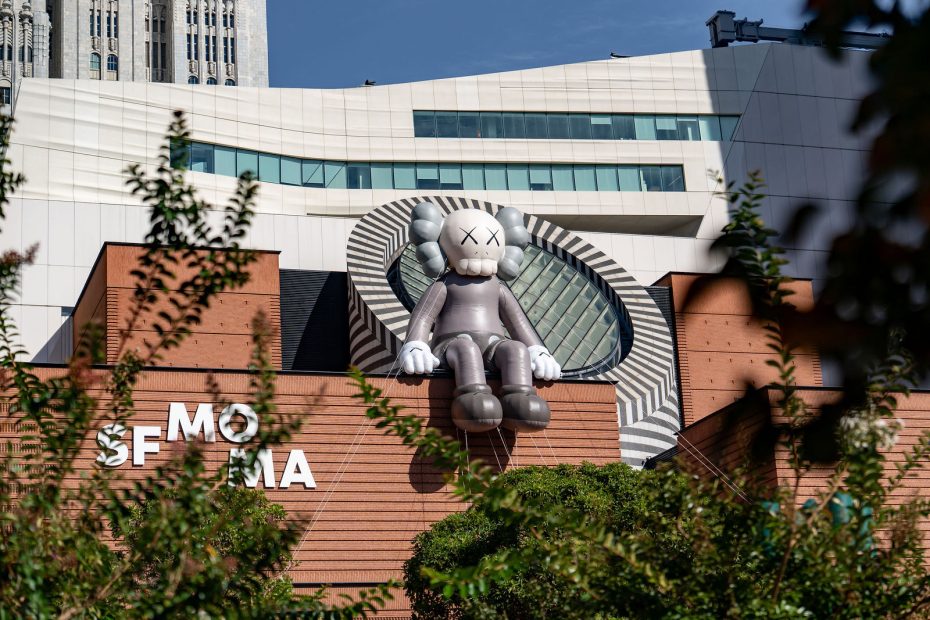
KAWS: Family is open until May 3, 2026. The exhibit features more than 100 artworks created over three decades. KAWS (Brian Donnelly) began painting graffiti in Jersey City and Manhattan, but in 1996 received his BFA in illustration from the School of Visual Arts.
We sent Charles Lewis III to take a look.
“In his younger days, Donnelly would snatch subway advertisements, integrate his own characters and then replace the advertisements, making it seem as if his designs were always a part of the image,” Lewis writes. In the new show, he writes “for KAWS, family is about the art of marketing.”
Read Mission Local’s full review
The New York Times has a 2021 profile of KAWS here. He’s controversial, to say the least.
The exhibit includes a 36-foot-tall inflatable sculpture on SFMOMA’s rooftop.
The photo exhibit, “(Re)Constructing History” fills three rooms on the third floor. The title plays on Carrie Mae Weems’ featured series “Constructing History,” asking viewers to consider “the layers of history we encounter through a seemingly fixed image.” A contemporary Black artist — including Nona Faustine, Carla Williams, and Dawoud Bey — anchors each room.
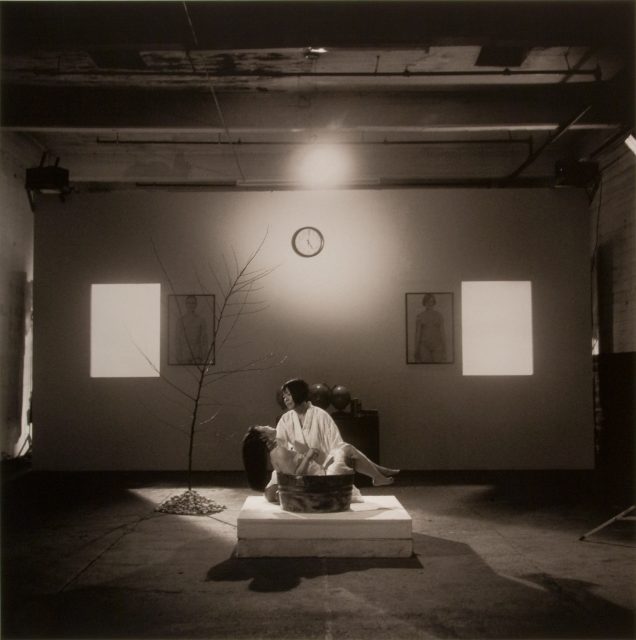
Carrie Mae Weems, The Tragedy of Hiroshima, from the series Constructing History, 2008; promised gift of Paul Sack to the Sack Photographic Trust; © Carrie Mae Weems. 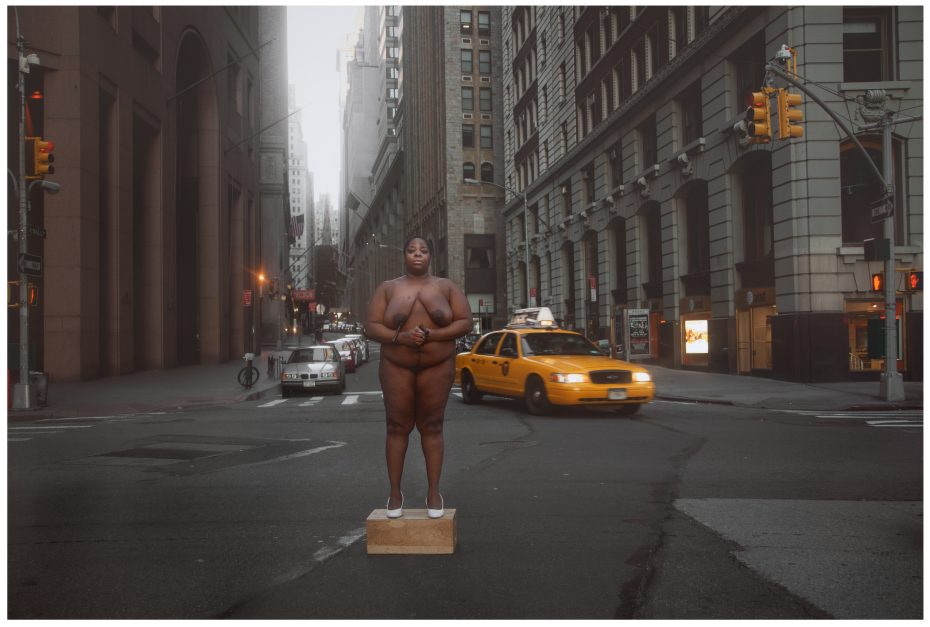
Nona Faustine, From Her Body Came Their Greatest Wealth, Wall St, NYC, 2013; San Francisco Museum of Modern Art, purchase through a gift of Ty Ahmad-Taylor and Accessions Committee purchase, by exchange, through a gift of Michael D. Abrams; © Nona Faustine. 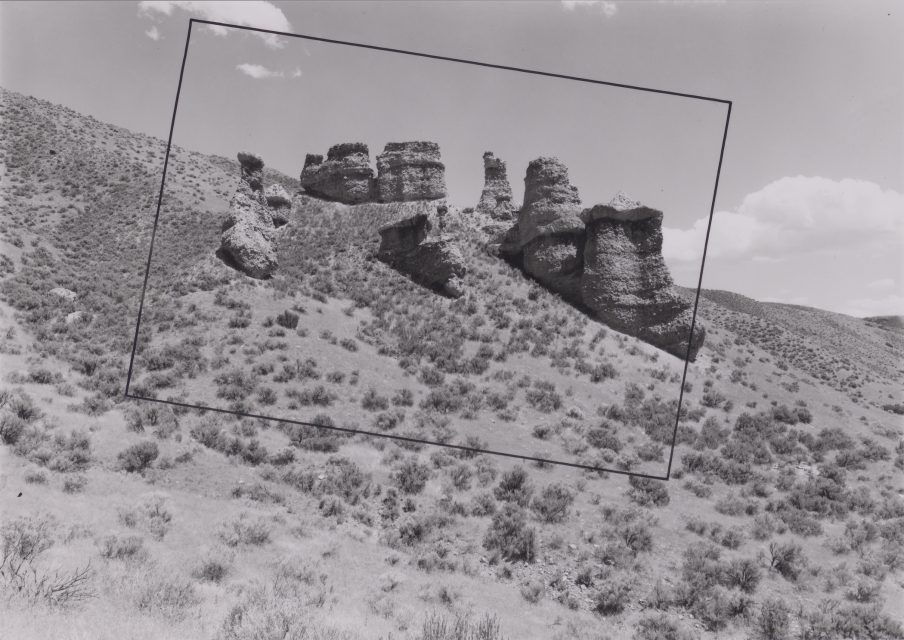
Rephotographic Survey Project, Rick Dingus for the Rephotographic Survey Project, 1978. Witches Rocks, Weber Valley, Utah., 1977–79; San Francisco Museum of Modern Art, Accessions Committee Fund purchase; © Rephotographic Survey Project. 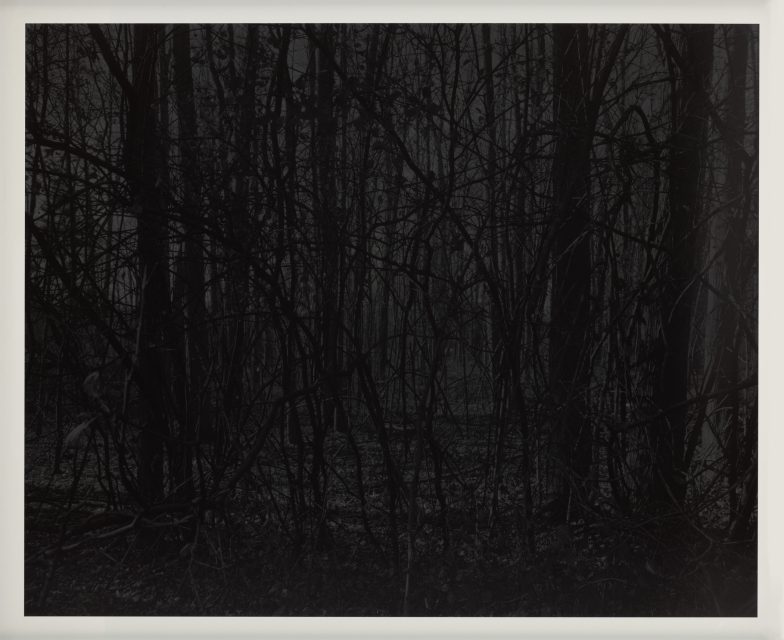
Dawoud Bey, Untitled #17 (Forest), from the series Night Coming Tenderly, Black, 2017; San Francisco Museum of Modern Art, Accessions Committee Fund purchase; © Dawoud Bey. 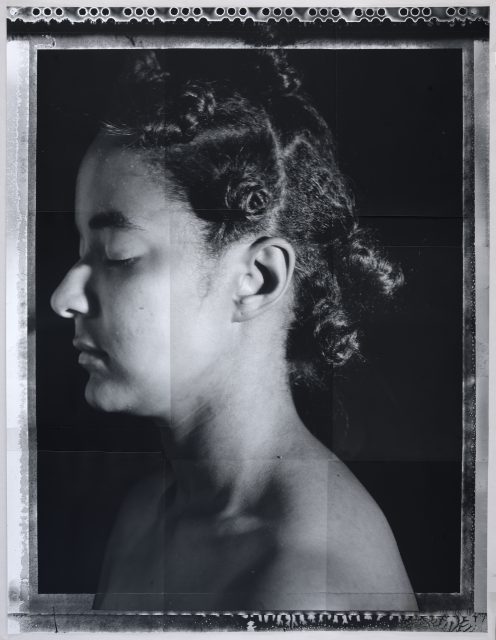
Carla Williams, Side, from the series How to Read Character, 1990, printed 2024; San Francisco Museum of Modern Art, Accessions Committee purchase, by exchange, through a gift of Michael D. Abrams; © Carla Williams.
“Suzanne Jackson: What is Love,” on view through March 1, features 80 paintings and drawings, marking the first retrospective of her career. Teresa Moore writes in Mission Local that it “a fitting show for a phenomenal artist.”
Read our full review here
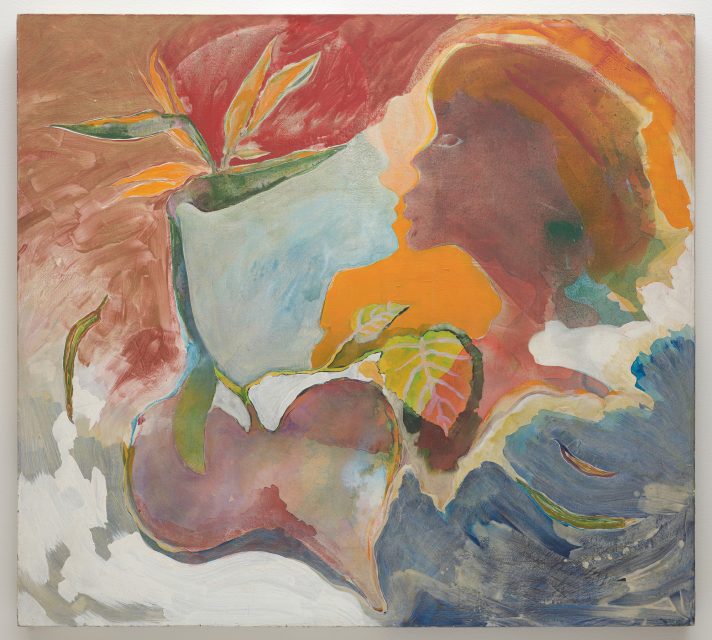
Suzanne Jackson, El Paradiso, 1981–84; San Francisco Museum of Modern Art, Accessions Committee Fund purchase, by exchange, through a gift of Michael D. Abrams 
Suzanne Jackson, High Frost, 1982; the Joyner/Giuffrida Collection 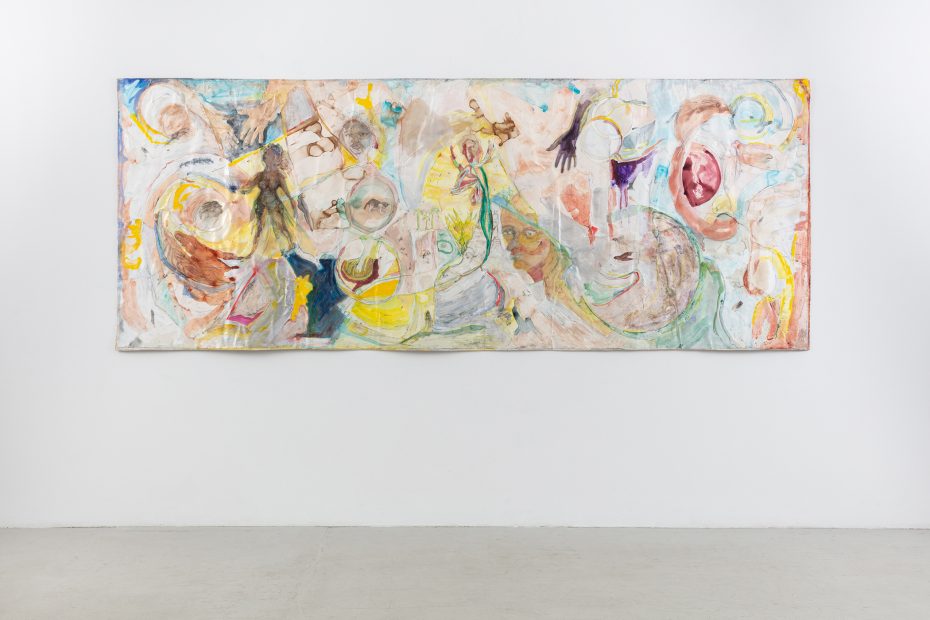
Suzanne Jackson, a history drawing-cracked wall, 2016–19; collection George and Keren Davis 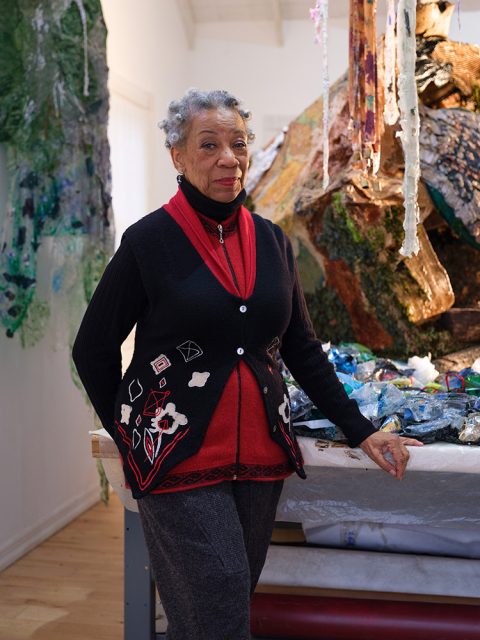
Portrait of Suzanne Jackson, 2025
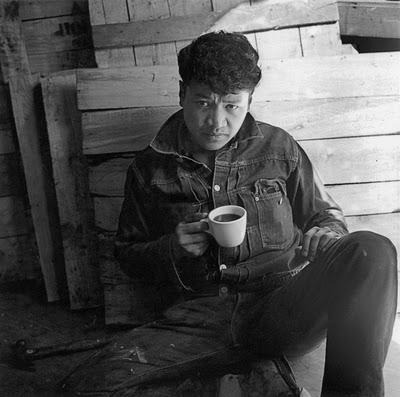
“People Make This Place: SFAI Stories” is open through July 5, 2026, at SFMOMA. The exhibit looks at the the San Francisco Art Institute’s importance to the local arts eco-system and includes work from 50 alumni and former faculty in the museum’s collection.
“New Work: Sheila Hicks” on the fourth floor illustrates how Hicks turns fiber into sculpture.
SOMArts
Thursday, 3 to 7 p.m.; Friday, noon to 7 p.m.; Saturday and Sunday, noon to 5 p.m.
“Tabi Tabi Po: Come Out with the Spirits!” featuring the works of artist and muralist Cece Carpio will have an open recepting on Thurs. Jan. 29 from 6 to 9 p.m. and will b eon view until March 29.
The Letterform Archive
Thursday,1 to 8 p.m. and free to all; Friday to Sunday: 11 a.m. to 6 p.m.; closed Monday to Wednesday.
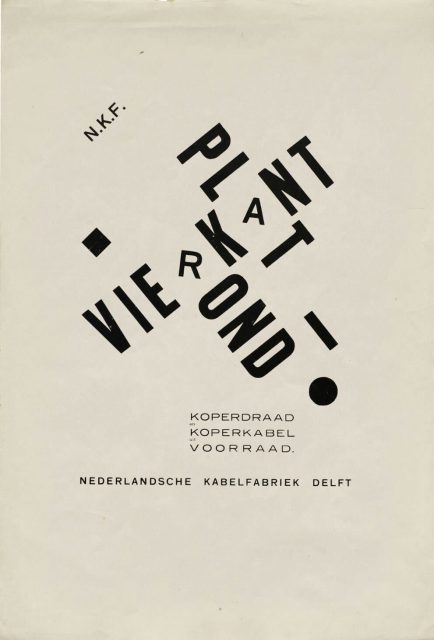
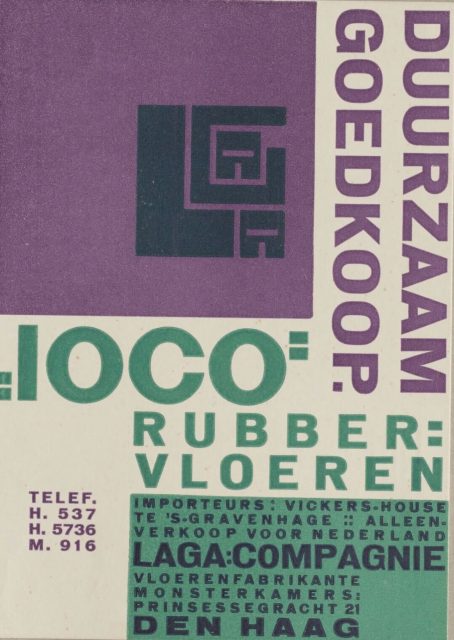
“Piet Zwart: Brand Architect” opened Nov. 8.
From the website: “From the 1920s to the 1960s, Zwart profoundly influenced both the Netherlands and the international graphic design community, and many of his works are celebrated as milestones in design history.”
There are many great examples of his work in this piece by Steven Heller, a former senior art director at The New York Times.
And here is more from the Letterform Archive when it reprinted “Inside NKF: Piet Zwart’s Avant-Garde Catalog for Standard Cables, 1927–1928.” It also publishes his seminal essay, “from old to new typography.”
The new, he writes, “rejects a predetermined formal structure, but builds up forms according to the function … the new typography incorporates active red as a functional element: as a signal, an eye-catcher.” Sounds like an interesting fellow.
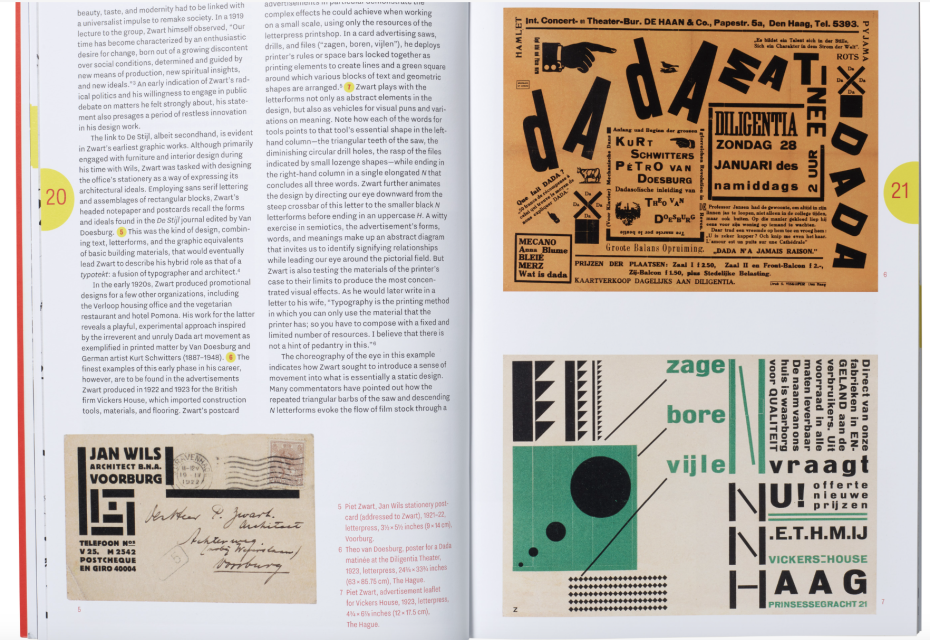
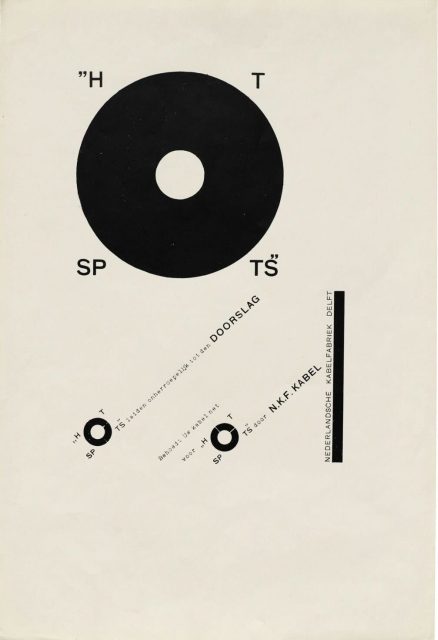
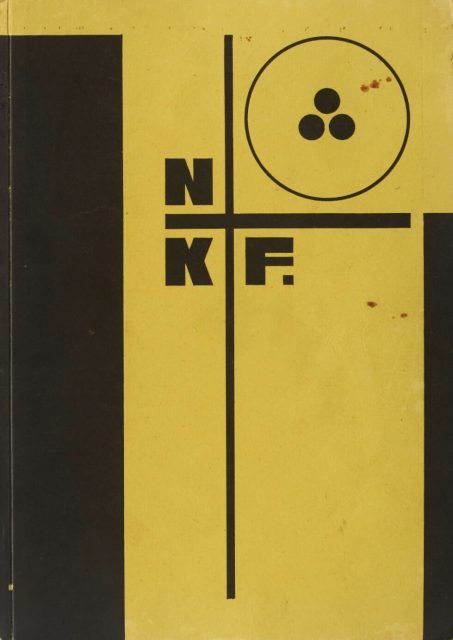
See all events and programming here.
“Localization: 15 Years of LetterSeed” opened in mid-August. It explores Korean typography.
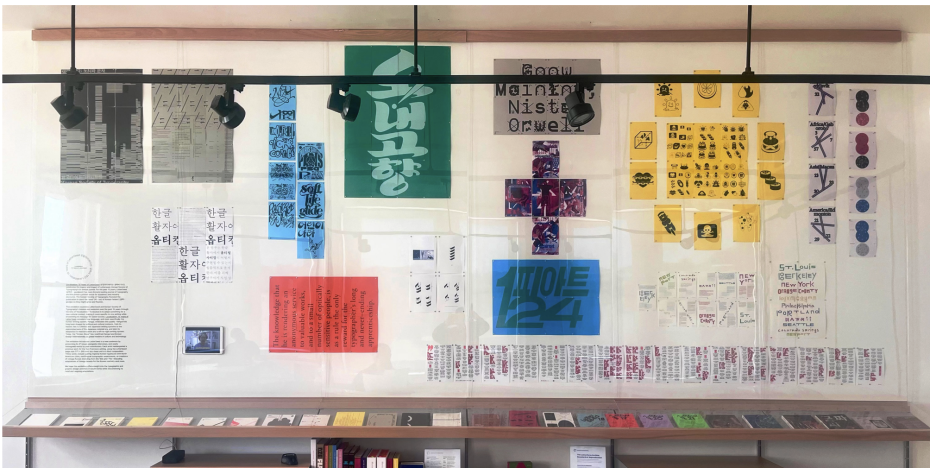
The Letterform Archive is a nonprofit arts center focused on graphic design.
California Academy of Sciences
Monday to Saturday, 9:30 a.m to 5 p.m; Sunday, 11 a.m. to 5 p.m; Thursday, NightLife (21+ with ID): 6 to 10 p.m. (Last entry is always one hour before closing time.)
There’s a lot going on here.
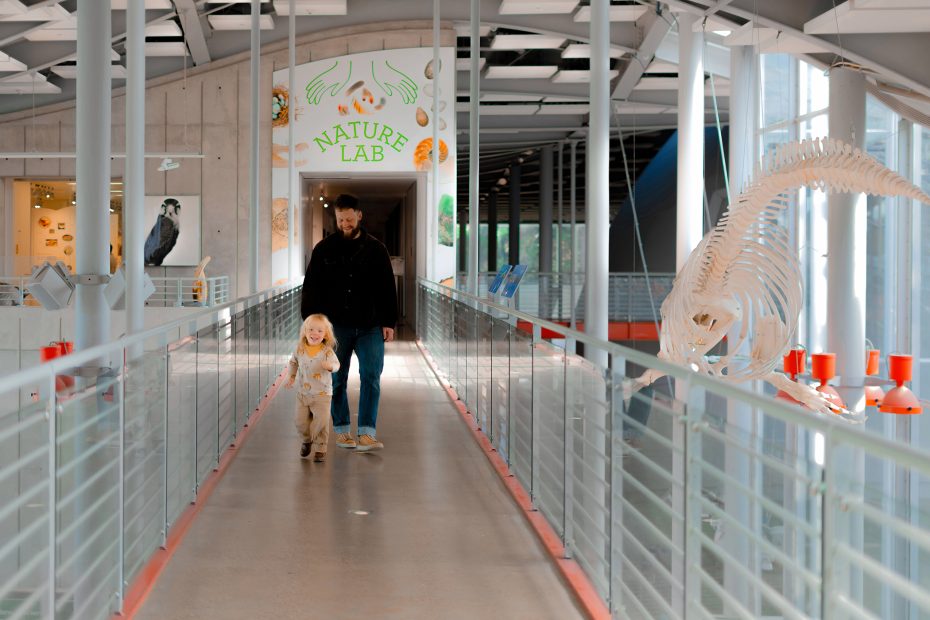
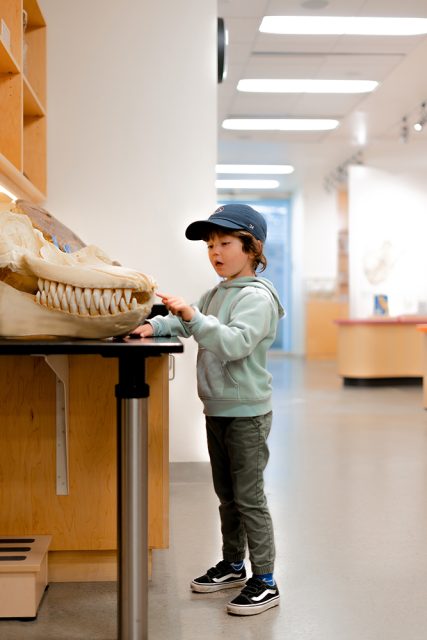
The newly renovated Wilson Family Nature Lab is open with lots of hands-on learning.
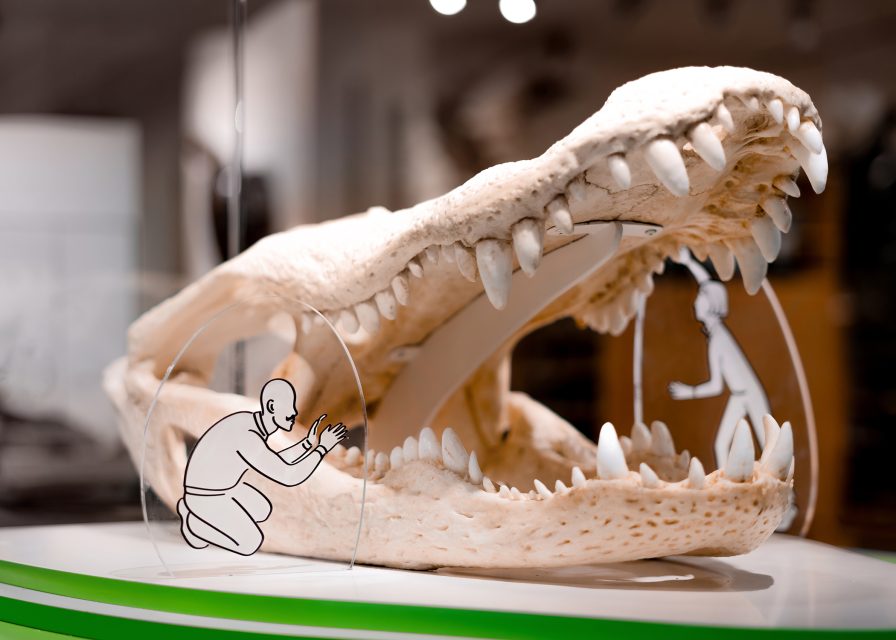
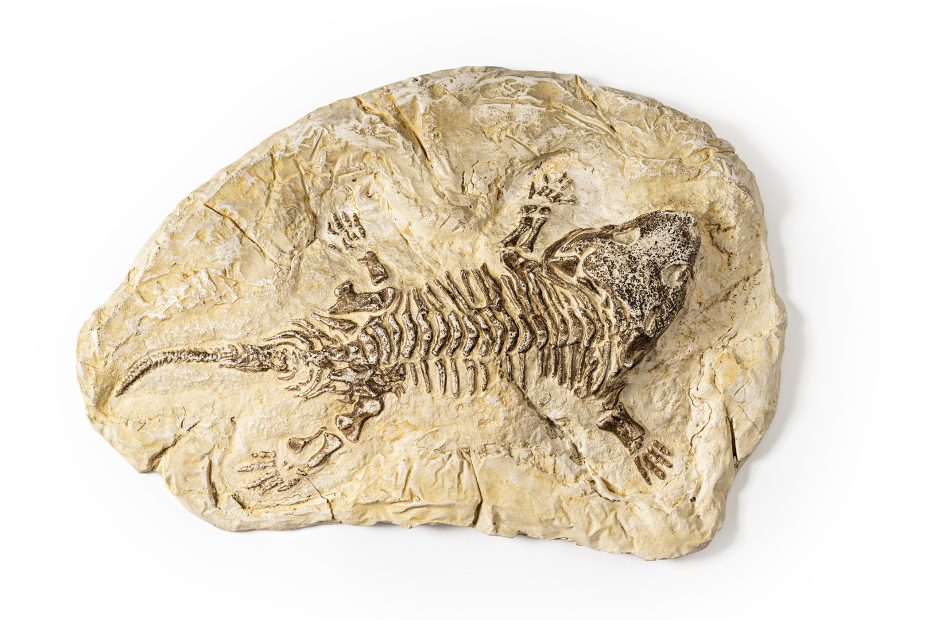
“Big Picture” competition winners are on view.
Make sure to plan ahead and see the admission and ticketing page for more information. Also, see how you can get a free or reduced rate for your next visit.
Counterculture Museum
Wednesday to Sunday, 11 a.m. to 6 p.m.
We have more museums in town. This one is at the corner of Haight and Ashbury streets with a whole lot of San Francisco history.
I could see a whole weekend, or a couple of weekdays, spent between the Counterculture Museum, the Beat Museum and the “Ferlingetti for San Francisco” show at the Legion of Honor. It would be like a graduate seminar on the late ’50s, ’60s and ’70s.
Beat Museum
Thursday to Sunday, 11 a.m. to 7 p.m.
The Beat Museum is at 540 Broadway, across the street from City Lights, the bookstore founded by Lawrence Ferlinghetti.
“We are dedicated to carrying on the Beats’ legacy by exposing their work to new audiences, encouraging journeys — both interior and exterior — and being a resource on how one person’s perspective can have meaning to many,” according to a statement from the museum.
This sounds like a great place to visit.
500 Capp St.
Friday and Saturday, noon to 5 p.m.: Free self-guided tours. Saturday at 4 p.m.: A guided tour for $20.
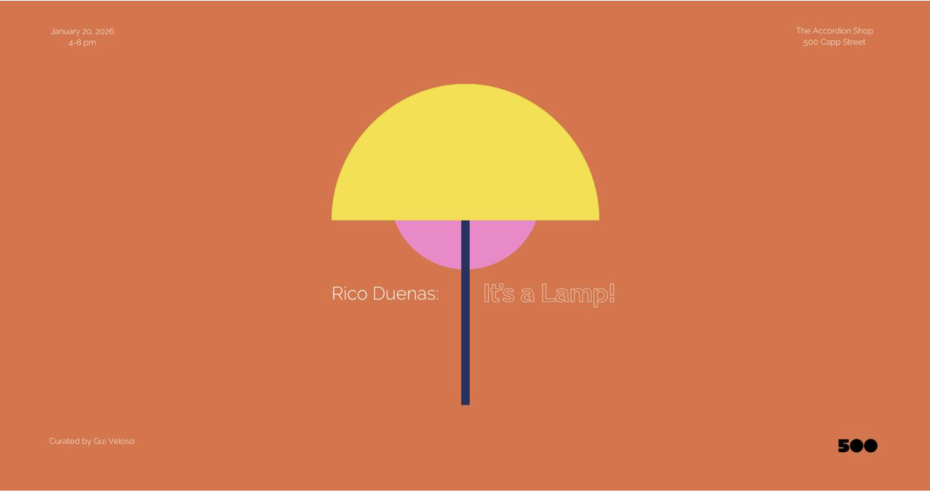
“It’s a Lamp: Rico Duenas” has a solo exhibit in the foundation’s concept store, The Accordion Shop. This looks very cool and is open through Feb. 3.
Artist-in-residence Catherine Wagner is at 500 Capp St. Her work has long focused on the philosophical and material qualities of the color blue. Her new exhibit is “Blue Reverie” runs through Jan. 10, 2026.
From the website: “Wagner has invited the members of her team to each contribute a piece to Blue Reverie installed in various sites throughout the house including work by Sophia Ramirez, Deirdre Visser, Nathan Kosta, Martín Rodriguez Serrano, Anika Murthy, and TZ Jiang.”
Yerba Buena Center for the Arts
Wednesday to Sunday, 11 a.m. to 5 p.m.; free on Wednesdays and second Sundays.
“Bay Area Then” runs through Jan. 25, 2026. It features work by 21 artists from the ’90s and into the new century, including Beatrix Fowler, Arnold Kemp, Margaret Kilgallen, Rigo 23, Spie One, and many others. The quest curator is Eungie Joo.
Museum of Craft and Design (MCD)
Thursday to Sunday, noon to 5 p.m.
“Judith Schaechter: Super/Natural” and “Wunderkammer: The Collection of Susan Beech” are both open until Feb. 8, 2026.
The Chinese Historical Society of America
The museum is closed for renovations through January.
San Francisco State University’s Fine Arts Gallery
The gallery is open Tuesday to Friday, noon to 4 p.m.
“Slowburn” opens Feb. 21 with a reception from 1 p.m. to 3 p.m. “Guest curated by Lorena Molina, slow burn centers how BIPOC artists use slowness as a form of refusal and a way to highlight the systems of oppression that structure their lives,” according to the press release.
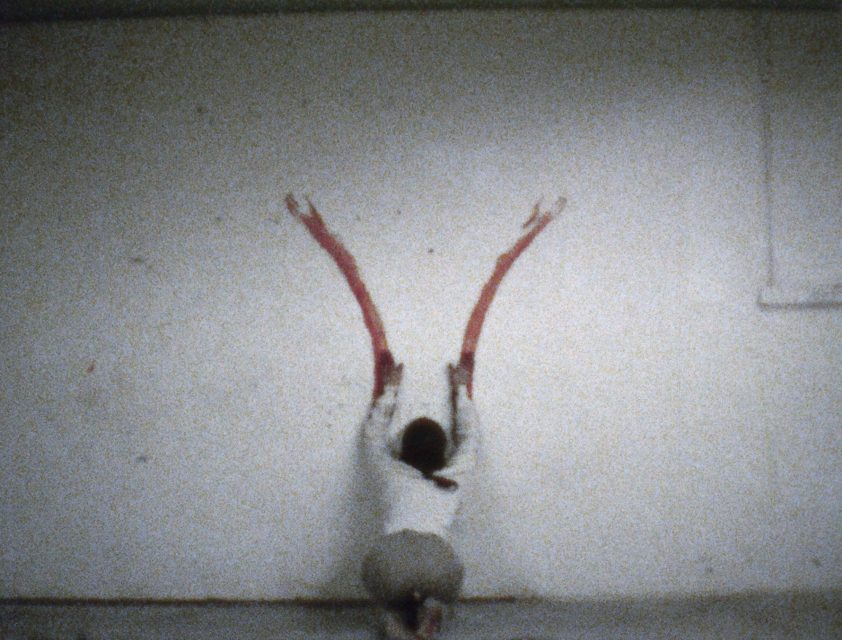
Ana Mendieta- Title Untitled (Blood Sign #2/Body Tracks) Video, 1974 (Courtesy of Walker Art Center) 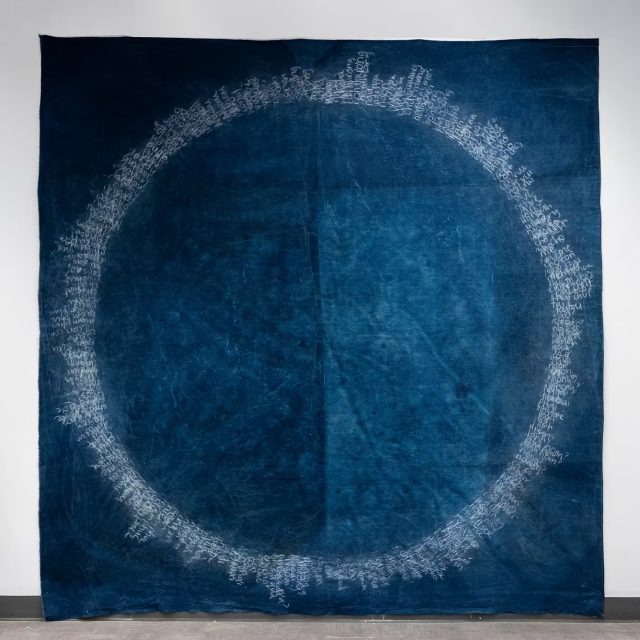
Elaine Nguyen Title: Ngoại ăn, Ngoại có sức khỏe, 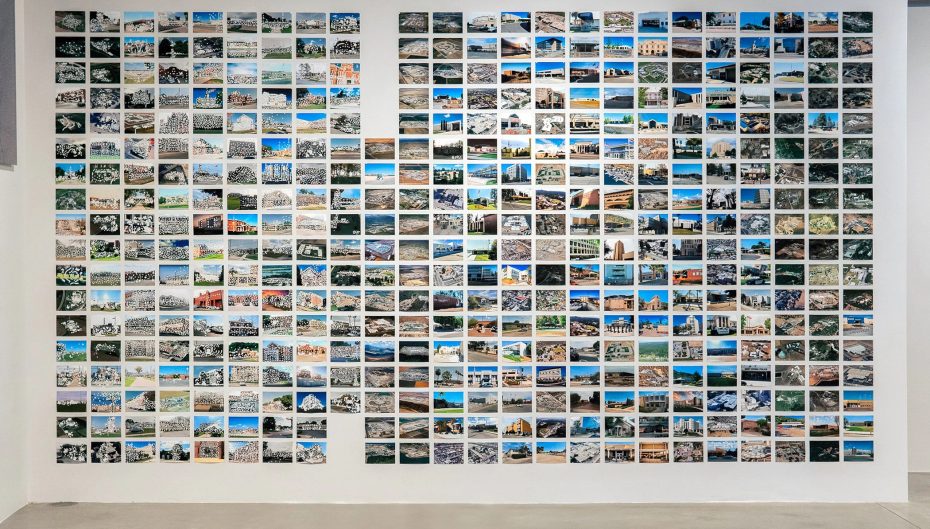
Maria Gaspar Title: Disappearance Jail (excerpt series) Hundreds of perforated Archival Inkjet prints on rice paper, 5 x 7, 2021-Ongoing (Courtesy of the Artist) Photo documentation credit: Clare Britt 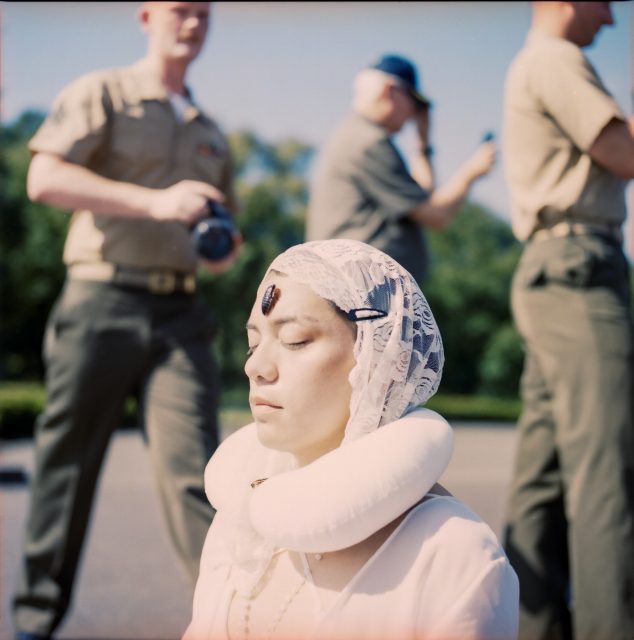
Tesora Garcia. Tesora’s Third Eye
The Walt Disney Family Museum
Thursday through Sunday, 10 a.m. to 5:30 p.m.
Happiest Place on Earth: The Disneyland Story” is open. The museum described it as a “treasure trove of Disney history” taking “will take “guests behind the scenes of one of the most groundbreaking endeavors of the 20th century—the creation and opening of Disneyland in Anaheim, California.”
The museum is showing rare objects featured in the book “Walt Disney Treasures: Personal Art and Artifacts from The Walt Disney Family Museum.” The objects will change every two months.
Visit the museum’s website for more information on admission costs and reduced ticketing options. The special exhibits are free with a suggested $5 admission fee.
Exploratorium
Closed Mondays. Sunday, 10 a.m. to noon (members/donors only); noon to 5 p.m. for everyone. Tuesday to Saturday, 10 a.m. to 5 p.m. Thursday, 6 to 10 p.m. for 18+.
“Glow,” looking at the art and science of light, is at the museum until Jan. 26. It looks very cool, focusing on a multitude of views, including Robin Baumgarten’s 2023 LED lights and Tristan Duke’s “Aperture Lucida.“
Experience After Dark at Pier 15. Every Thursday evening, immerse yourself in more than 700 interactive exhibits. For people 18 and older. The museum advertises a carefree environment with new themes each night. Here is information for reduced admission.
The Mission Cultural Center for Latino Arts
Closed for the holidays until Jan. 13.
Tuesday to Friday, 4 to 8 p.m., Saturday, 11 a.m. to 3 p.m.
“Mission Grafica, The Public’s Voice.” through Jan. 30.
See the center’s website for offerings.
The Tenderloin Museum
Closed for renovations until Jan. 15, 2026.
I did not know about the Tenderloin Museum until the San Francisco Chronicle wrote about its planned expansion to 10,000 square feet from 3,000, adding a room for San Francisco’s neon history, including a sign from Hunt’s Donuts, once based in the Mission District and known as the “epicenter of crime.”
There is a lot more going on at the Tenderloin Museum, including the permanent collection that explores the neighborhood’s history and upcoming events, such as a walking tour focused on the area’s LGBTQIA+ history. Other walking tours are listed here.
Institute for Contemporary Art
The Institute is now nomadic and leaving its permanent home. You can read more about the decision here.
Jewish Contemporary Museum
The museum closed in December for at least a year as it works out its financial situation. You can learn more here. Laura Waxmann wrote a good piece for the San Francisco Chronicle about the difficulties museums are facing.
Its closure is a reminder to visit our museums.