

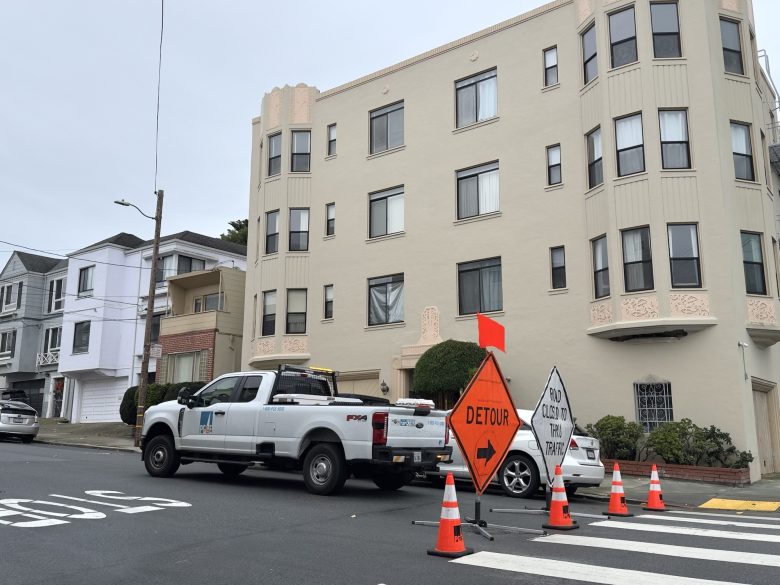

The blackout is officially over: PG&E announced Tuesday morning that power was fully restored after Saturday’s outage, which saw a third of the city lose electricity.
“As of 4:31 Tuesday morning, power has been fully restored to all customers impacted by Saturday’s substation outage in San Francisco,” the utility wrote.
“Crews completed the necessary electrical connections to safely restore service to the remaining 3,800 customers who were without power. The root cause of the outage remains under investigation.”
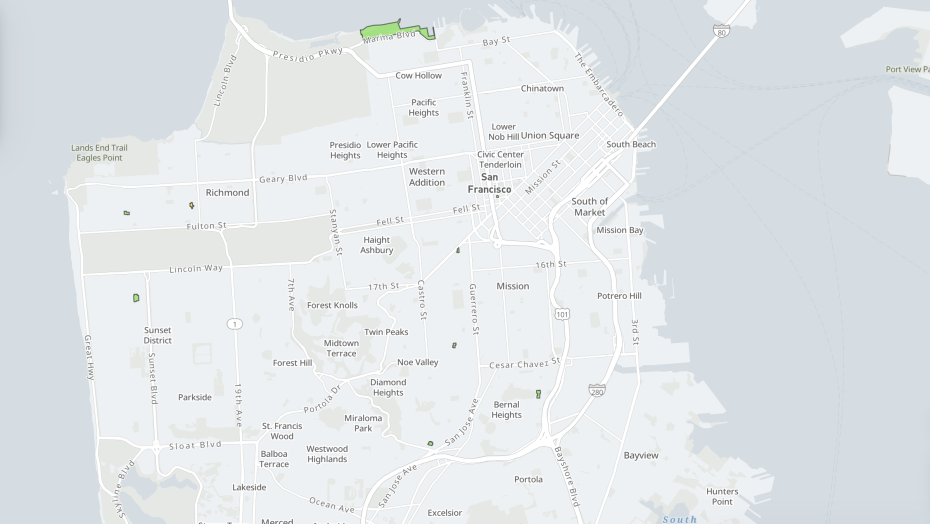
Only 231 customers had no electricity as of Tuesday at 9:32 a.m., and the utility’s outage map was free of red.
The company said residential customers would get a $200 credit on their bills and business customers would get $2,500, automatically. “No action is required by the customer.”
Customers can additionally file claims with the company, and Mayor Daniel Lurie urged them to do so over the weekend.
The blackout was an ordeal: 125,000 homes and businesses were affected at its peak, and traffic across the city crawled to a standstill. Waymos malfunctioned at intersections and left long lines of frustrated drivers honking and speeding around them.
The company said it was “learning” from the incident, and officials have already called for hearings. Many questioned how the autonomous car company would fare — and hinder emergency vehicles — in a more serious disaster, like an earthquake.
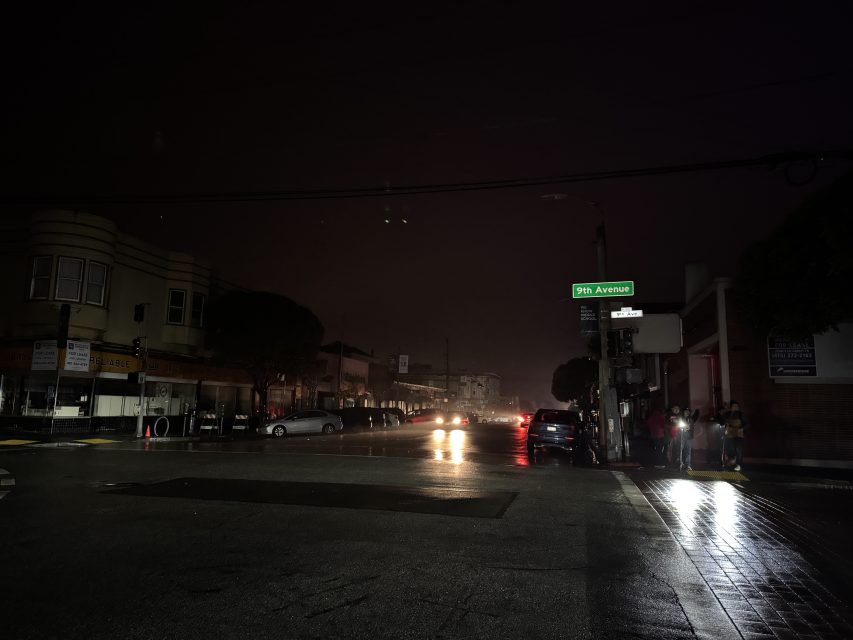
Large parts of the Richmond District were left without power for 48 hours — Mission Local spoke to seniors in one building who described a “nightmare” of crawling to their front doors and relying on younger neighbors to charge their phones and refrigerate their perishable medications.
The seniors, who are not on social media regularly and did not have power or service during the outage, wondered why city officials relied on Instagram and X to communicate.
Businesses lost thousands, in some cases tens of thousands, on one of the busiest shopping weekends of the year. Mayor Lurie said the cost to the city was in the tens of millions.
Officials have also called for hearings into PG&E, and Lurie on Monday said he was “frustrated” with the company. “We need PG&E to do better.”
One thing that really needs to be considered is the cascading failure of both cell towers, Comcast/Xfinity, and wireless ISPs including “Google Fiber” (which is actually a wireless service in SF formerly known as Webpass) and Monkeybrains.
Wow, most of those services have limited battery back up to keep them running during power failures, they did not have enough to keep them running for an extended period of time and their whole networks went down and the power outage areas after a few hours.
So everyone (regardless if the power loss was 2 hours or two days) gets $200 automatically, and the credit will be on our next bill?
I’ll bet that we’ll have to apply for the credits. And that PG&E will drag their feet & prevaricate. Then we’ll probably need to have Connie Chan stand up for us.
Correct on all counts. Renters whose landlords ‘own’ the service will get paid for the claim (if made) and there’s no provision to pass that on to affected tenants at all without a dubious lawsuit in 6 months.
NP, not many landlords would want to have to pay the PG&E bill directly themselves, and then chase down tenants for reimbursement.
That is a recipe for problems. Usually the only utilities a LL will pay directly are for the trash and, absent individual unit meters, the water.
Thanks for an excellent article! We live in the Richmond. Our area lost power on Saturday and it seems that we may have been among the first to lose power and I’ve been getting better, more complete and more timely information about the blackout from Mission Local than from any other news source.
In my old apartment building, the building owner paid utilities. There are approximately 100 units in the building. Does the building owner get $200 or $20,000? Since the tenants actually pay the utilities, just as they pay property tax, mortgage and maintenance costs, will PG and E pay them directly? It is extraordinarily doubtful that the property owner bore the burden of the power outage.
Similar situation for my old condominium. The HOA pays the bill, but the money comes from monthly HOA dues. There are almost 200 units in the building. Is that a $40 grand jackpot to the HOA? Will it be spread among the owners? What about the dozens of units that are tenant occupied?
The situation of landlords paying for the gas and electric is extremely rare. Such units are usually illegal, so they don’t have their own meters. In most cases, landlords pay for gas and electric of the common areas, like hallways and laundry room, but each tenant has their own account with the power company and pays their own consumption.