

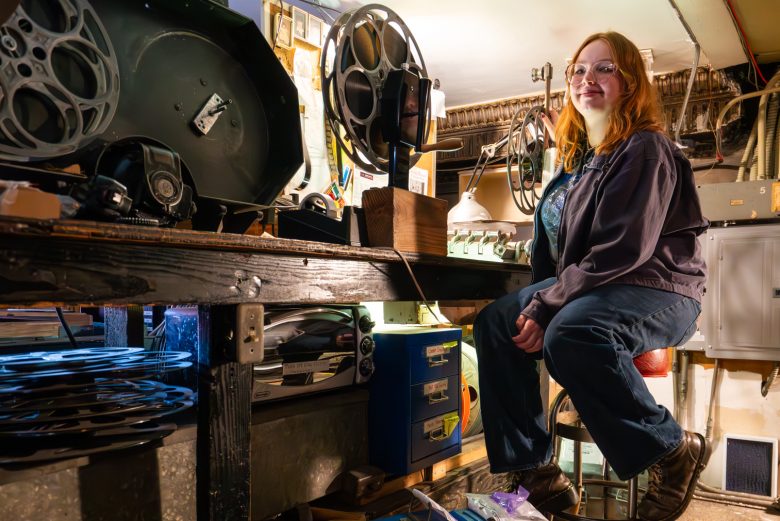
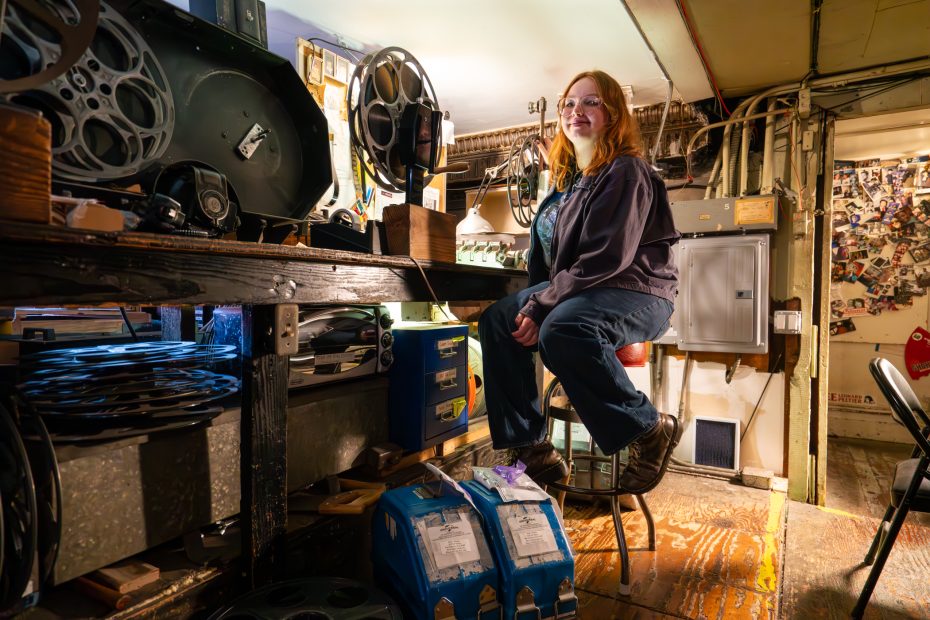
In the projection booth above the Roxie Theater’s historic auditorium, Minnie Slocum powers up a projector from the early 1940s.
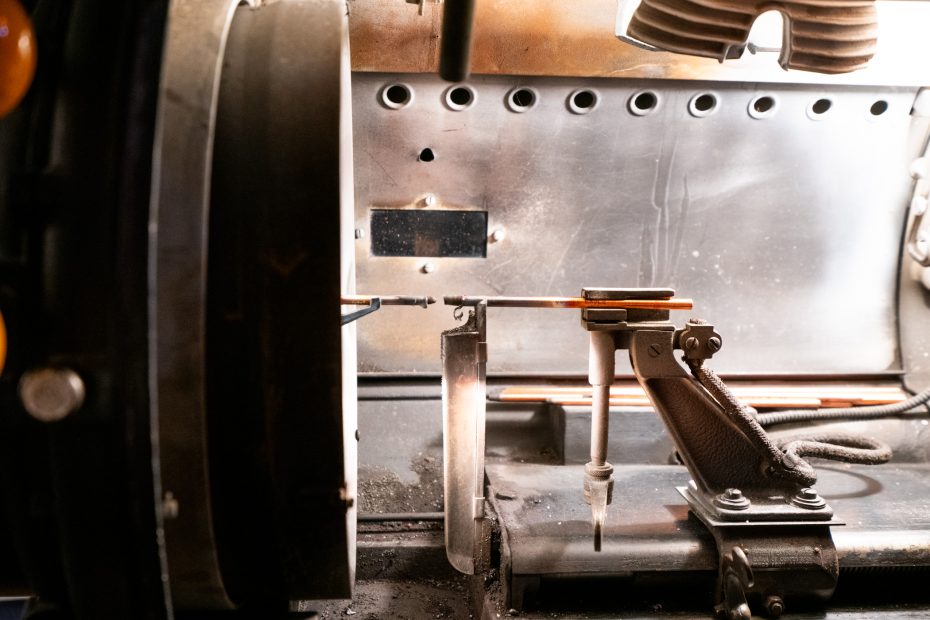
Inside the projector, two carbon rods are positioned to meet. When Slocum powers it on, an electrical current jumps the gap, where a white-hot arc of light strong enough to fill the screen then appears. The reels begin to spin. The movie begins.
“Sometimes it feels like a submarine in here,” she says, describing the heat and isolation of the projection booth. “Like Nicolas Cage in ‘Moonstruck,’ shoveling coal in a sweaty bakery.”
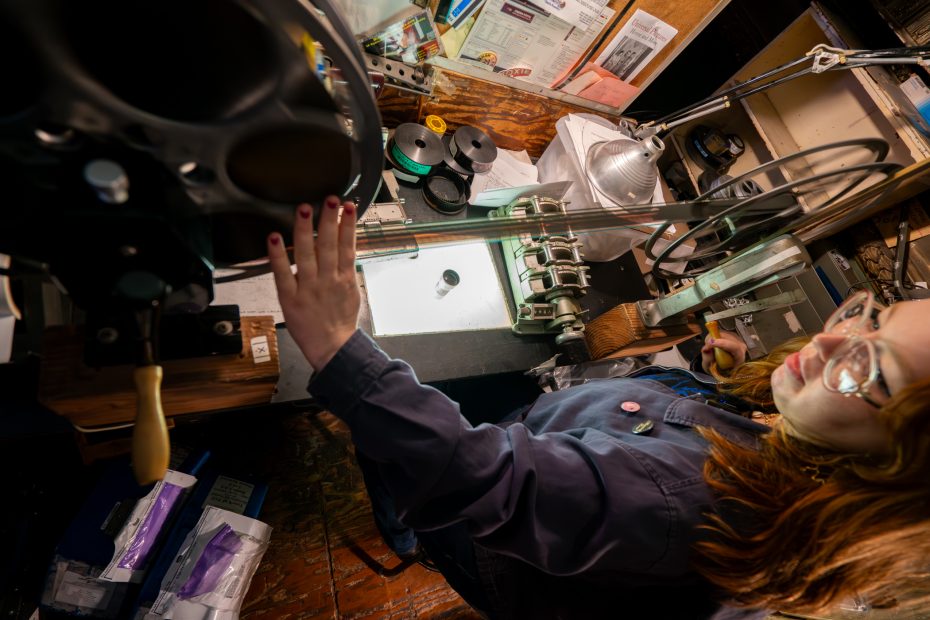
Slocum has worked at the Roxie for about six years, a tenure interrupted only by the pandemic. (The theater announced Tuesday that it had bought its building for $5 million as a “forever home,” the most significant goal of its pull-out-all-the-stops fundraising campaign.)
Now, Slocum is part of a tight-knit projection team that frequently helps local filmmakers test their digital cinema packages on the big screen before they hit the festival circuit. But her passion lies in the tactile precision of 35mm film.
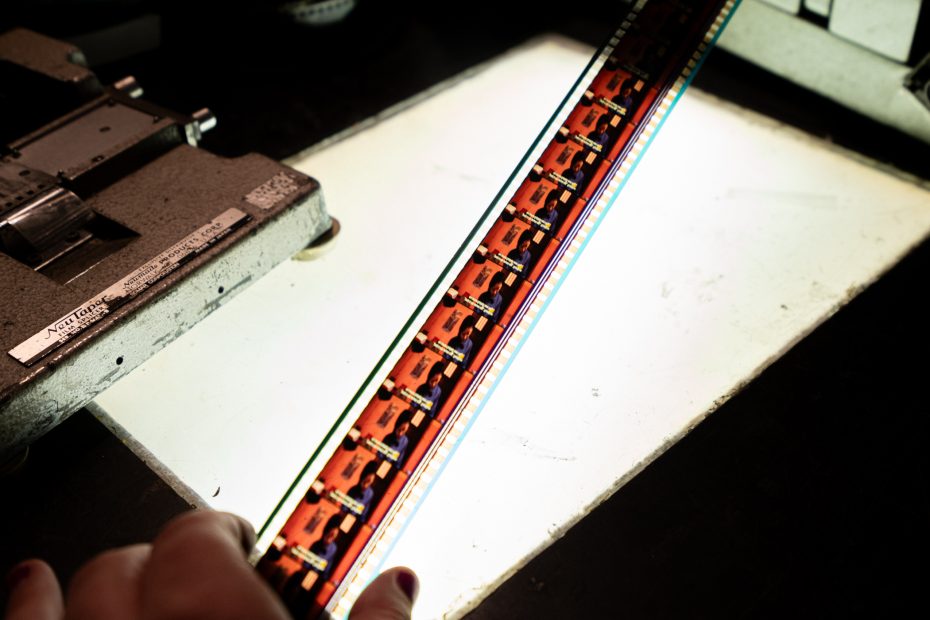
“You’re holding what you’re working with. You can see it, thread it, feel it. With digital, it’s all numbers and buttons,” she says.
The Roxie, founded in 1913 and nestled on 16th Street in the Mission, is the only theater in San Francisco still projecting film on a carbon arc system. Unlike modern projectors, this setup requires constant attention. Projectionists must manually adjust the gap between the carbon rods as they burn down, to keep the light steady. But these crucial components are becoming harder to find.
As digital projection took over the industry, production stopped. The Roxie now sources theirs from a small supplier in Indonesia. When that supply dries up, the projectors will likely be converted to bulbs — simpler, but colder. It’s a form of projecting film that is more common, but lacks the subtle color and consistency of carbon arc projection.
“It’s something we have for a limited time, and we want to keep it alive,” Slocum says. “There’s a noticeable difference on screen. You can feel it.”
Slocum learned the craft of projection in 2019, after running concessions and asking for a chance in the booth. Since then, she’s projected a wide range of films, including “Hausu,” “The Wizard of Oz” and Sally Potter’s “Orlando,” the first film she ever ran solo. Her memories are tied to the movies.
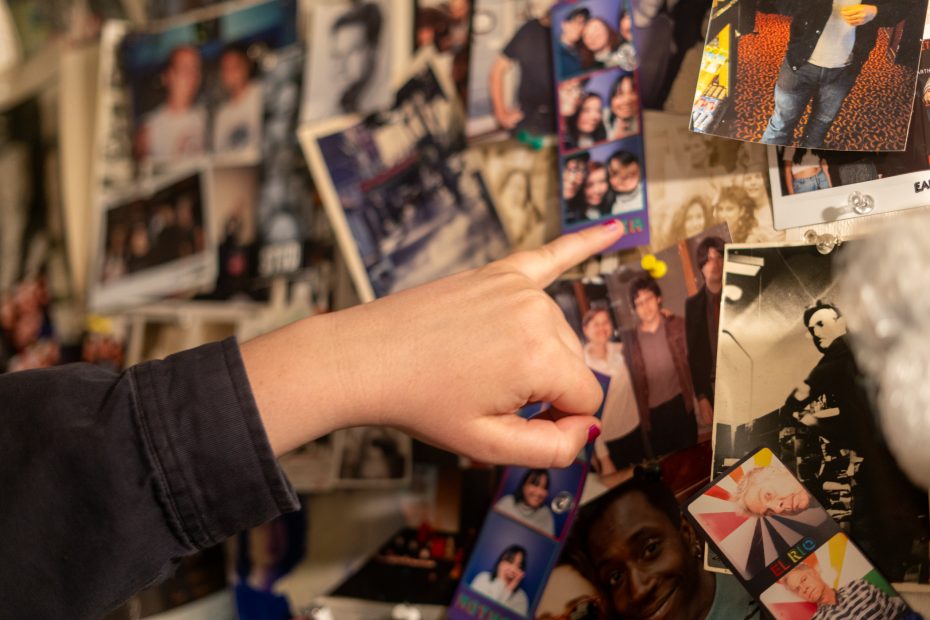
“But it’s not just the films,” she adds. “It’s the regulars, too. Like Bill, who … comes in daily to sit in the front row. His seat has a little tag with his name on it. They’re as much a part of this place as the projectors.”
Slocum and her team inspects every print by hand. They clean up funky splices, rewind the reels, and run test projections to make sure the film moves cleanly through the 1940s Simplex machines. Each projector has its quirks. Each screening requires precision and calm.
“The more you do it, the more it becomes muscle memory. But you still have to be present,” she says. “You’re showing something real to people, and you only get one shot.”
I remember when the Roxie was a porno theater. They should have porno night at least 2x weekly.
Complete with creepy old guys in trench coats?
What a difference to digital if made – ten years on, I still remember how well the screening in 35mm/carbon arc complimented Apocalypse Now. Hope they can keep this going. Great post.