

The wind battering Treasure Island in early May was strong enough to blow a ladybug off the sidewalk.
“Watch out, little guy,” Indigo warned. He took his next steps with a delicacy unexpected from a man wearing thick trekking shoes and distressed cargo pants.
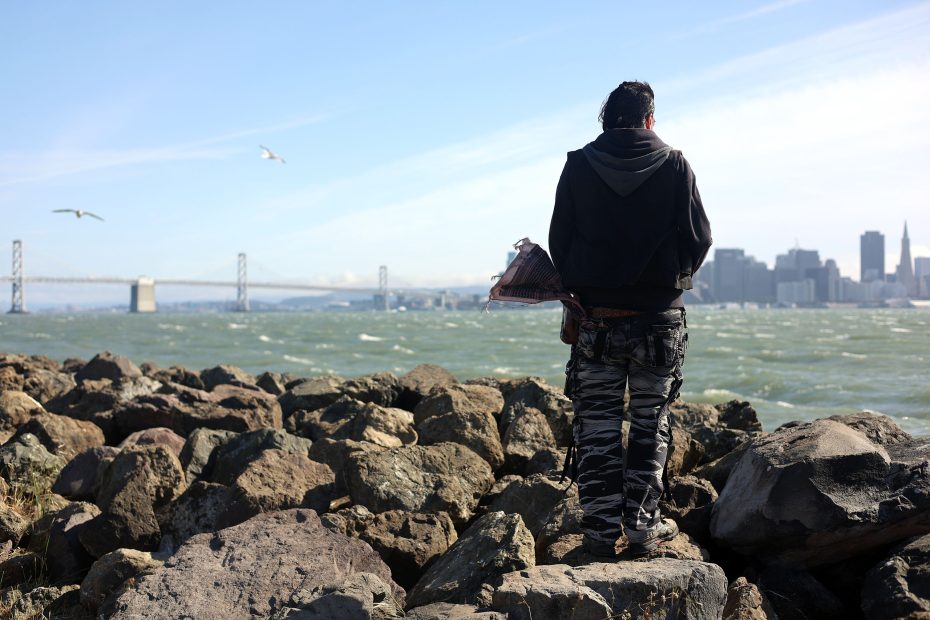
On the southwest side of the mile-long island, Indigo walked along a rock buffer separating the road from the sea. Looking out at downtown San Francisco, he described how he saw it when he first arrived 30-some years ago: A “snowglobe city,” quaint and pristine.
Indigo’s view of the city became murky in the intervening decades, tainted by drug use and homelessness. For years, he lived as a “functioning addict” instead of pursuing treatment. It’s a choice many drug users make.
“It took a long time for the stars to come into alignment,” he said. Until 2023, to be exact.
That’s when a pharmacist started coming by Indigo’s single-room-occupancy hotel. Now, Indigo is in the final stage of an outpatient substance-use treatment program on Treasure Island. To protect his privacy and separate himself from his troubled past, he uses a nickname. Indigo is a rich blue-violet color associated with the inner clarity chakra, a shade much darker than his gentle baby-blue eyes.
It’s difficult for people in recovery to point to one reason for their decision to finally enter treatment. But many, like Indigo, noted the importance of the people who met them where they were at, physically and emotionally.
Door-to-door
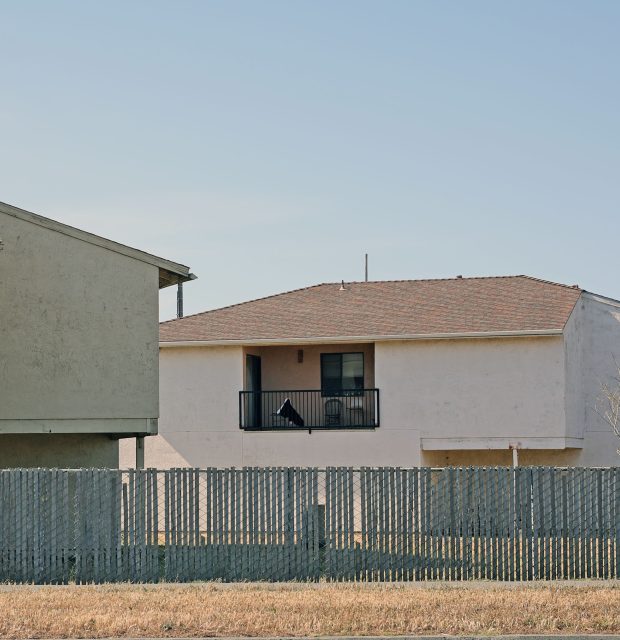
Two years ago, Indigo was living in an SRO in Lower Nob Hill, “unable to get anything done” besides “smoking crack” and using fentanyl. Then he met Damian Peterson.
Peterson, a psychiatric clinical pharmacist at the San Francisco Department of Public Health, travels to low-income housing units to deliver buprenorphine, a medication used to treat opioid-use disorder.
“If they want to start medication, I’m available,” the pharmacist said. “But some people aren’t ready yet.”
Peterson works with these patients, too. He helps such drug users identify what kind of support they do want, and what barriers stand in the way.
Many healthcare workers said that simply getting to know someone, their relationship to drugs, and their goals can be the best step toward deeper conversations about treatment options.
Corner-to-corner
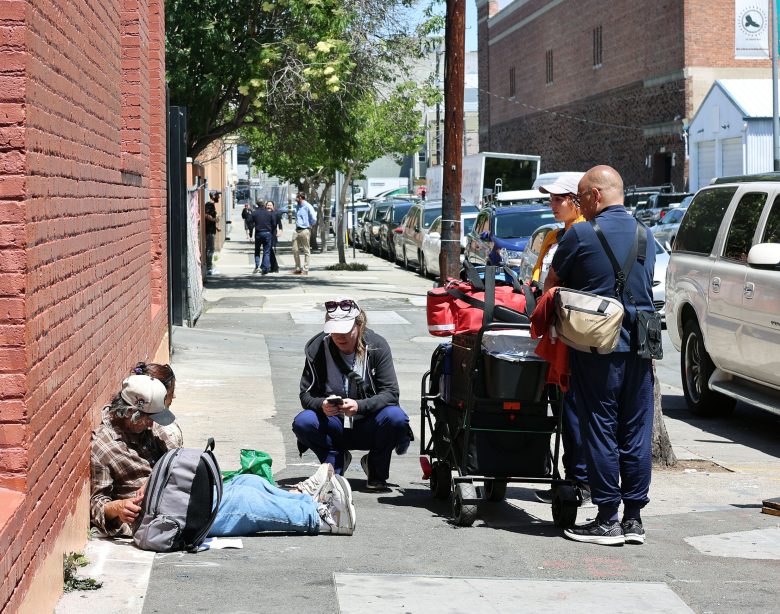
Take the roving nurses from the University of California, San Francisco, who walk through the Mission District every month with a wheelbarrow of bandages, snacks, and Naloxone, which can reverse the effects of an opioid overdose.
“Anybody need Narcan or fentanyl testing strips?” nurse Erin Carrera asked a group of women sitting outside a shelter beneath Highway 101 in mid-May.
“I do need a house to live in so I can actually go to the doctor,” said one.
“I feel like I can’t walk,” said another with a walker and a swollen calf. “I have to be able to walk.”
The nurses can’t prescribe medication, conjure apartments for the unhoused, or force people curled up on the sidewalk beside drug paraphernalia to go to a residential treatment center.
What they can do, Carrera said, is offer on-the-spot wound care and explain how someone’s injuries might be a result of substance use.
Other roaming healthcare workers can also register patients for public health benefits. Then, if and when someone wants to go to a recovery program, unfinished paperwork is one less barrier.

‘Safety nets’
Over the last few decades, Indigo has watched his San Francisco communities — artists who turned abandoned warehouses into collective homes and “nomadic anarchists” who believed in “radical philosophy” — disappear. He’s grieved loved ones’ deaths and battled depression.
The “loneliness epidemic” affects everyone, Indigo said on a walk last month, his voice soft under the unyielding Treasure Island wind. It just feels more acute when you’re alone on drugs in a dingy SRO.
“You can’t survive a bad situation on your own.”
In Indigo’s experience, a “magic trifecta” of stable housing, mental health, and sobriety is the foundation of lasting recovery. Often overlooked, though, are the familial and social “safety nets” that can hold you up when a piece goes missing.
“Those without safety nets are much more likely to spend a lot of time waiting for the ‘trifecta’ to appear.”
Without people in your corner, he said, “building on progress can be difficult and sometimes impossible,” and “an inconvenience can be your downfall.”
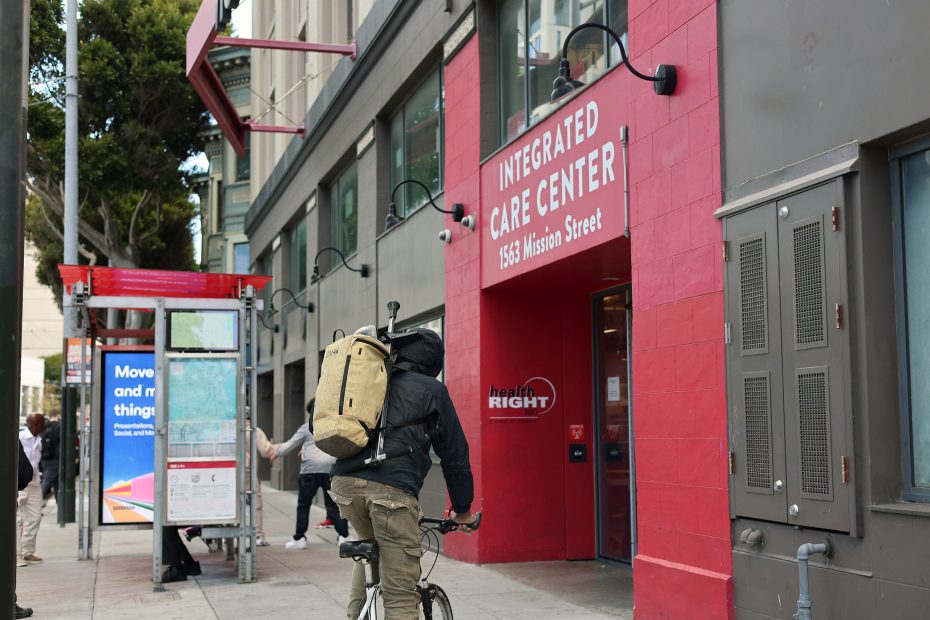
Again and again, people in recovery and the counselors who support them said that taking the time to build rapport and community is critical.
Exiting HealthRIGHT 360’s Mission Street location, Lucky said he went to treatment because that’s where his “built family” was.
After wandering into the Gubbio Project’s safe sleep area to charge his phone, Kaseem F. said he stayed because he found welcoming service providers to talk to: “Give people any positive feedback and that opens the door to positivity.”
Jason Norelli, the operations manager of a sobering center in SoMA, agreed: “Recovery is a nonlinear process that moves at the speed of trust.”
Life experience
Support staff aren’t always stellar. Some people in recovery complained that their case managers were often unreachable. At times, Indigo said he felt his program was “understaffed” and “chaotic,” with a few supervisors who simply “sit in a chair and hold the place down.”
But for every story of scarce resources and dysfunction, there are others of compassion and solidarity.
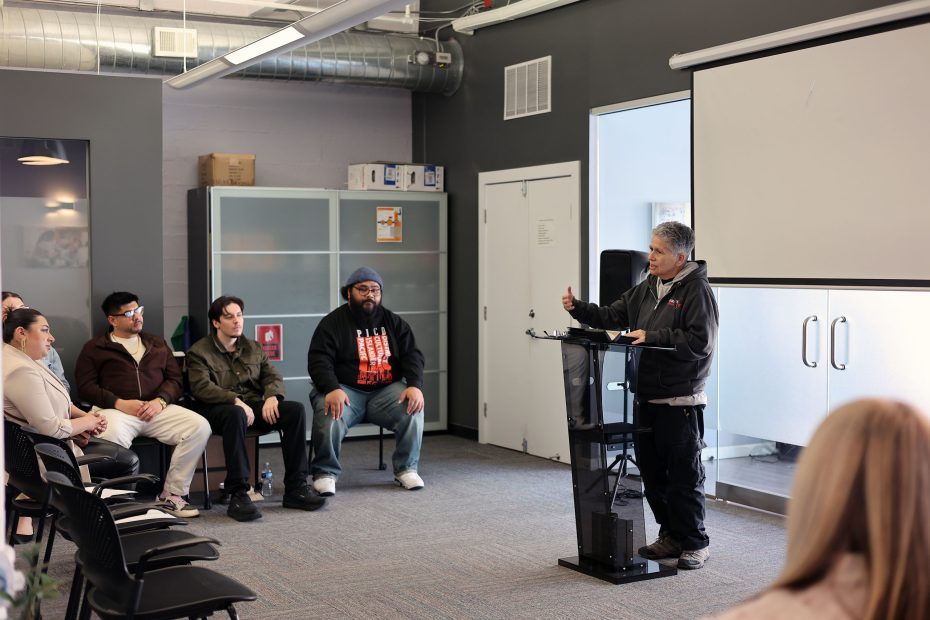
“My life was saved by people with lived experience who became counselors,” said a graduate at a ceremony for apprentices who’d completed a HealthRIGHT 360 training program to work in behavioral health themselves. “You all just get it,” another told the cohort.
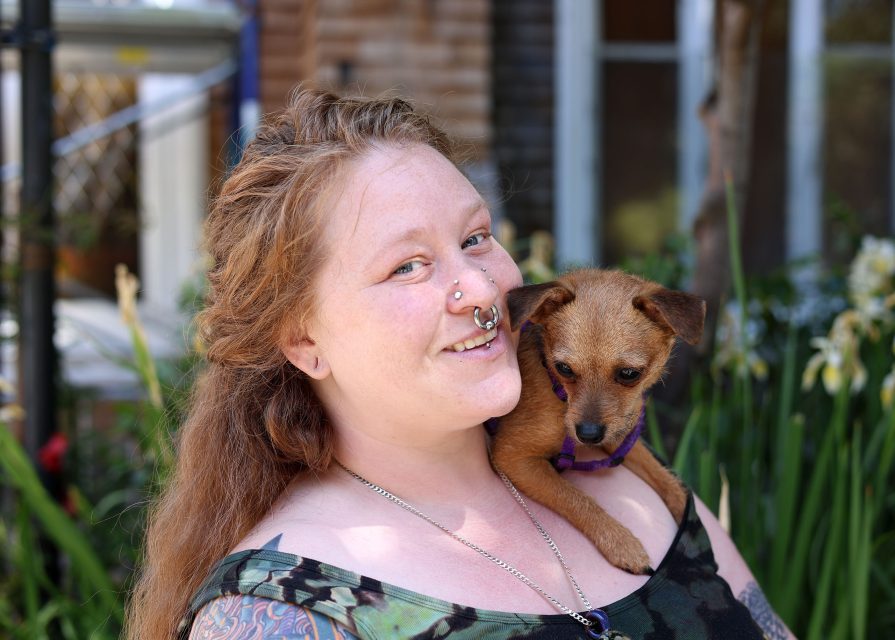
At the Gubbio Project, several clients say long-time substance-use-disorder specialists Amber Sheldon and Sonia Jenkins are “the best” because they treat everyone as an equal.
For Elijah Donaldson, a Behavioral Health Court participant, the most valuable sessions offered at his treatment program were outdoor group reflections led by a Native American case manager. They gave him a “sense of a different heritage,” and a sense that different ways of life were possible.
Indigo is now thinking about what his new life will look like. While he waits to be matched with supportive housing that will move him off his 576-acre island and into the next phase of recovery, he’s found solo ways to bide his time.
He delivers GrubHub orders on his bicycle. He’s a Google Maps local guide. He makes electronic music and mandala art. He imagines going to see the Milky Way over Joshua Tree National Park, and the home he might soon have in his “snowglobe city,” after all.
Maybe that’s where he’ll finally find his people again, too.
“There’s a big drug community in San Francisco,” he said. “But also a big recovery community.”
Empathy is a thing of the past. Arrest those people, send them to a nice secluded jail up north; provide them access to treatment; force them into treatment.Most of those people are not from here; they come because of cheap access to drugs, free food, free stuff, free phone and lawlessness. If you start arresting them ,you will send the message that SF is no longer a desirable place for them; they will stay in their states.Be tough, stop wasting money.
Thanks, I didn’t know that empathy was no longer an aspect of the human condition.
I wonder if there is any longterm data on how effective arrests are at getting people to enter treatment.
One of the problems with SF’s culture of enabling is that we give users free needles and a safe space to charge their phones, etc., without any requirement that they stop using (or stop shoplifting, which is the real problem.)
SF’s approach isn’t best for the city because of the lax approach toward crime and civic degradation. But the argument is that it IS the best approach for addicts. Is it? Can we prove that it is?
Thank you for spotlighting the good work community members are doing in this city to support those going through hard times and build connection. It’s sorely needed these days. Congratulations to those featured in this article reaching toward a better life for themselves, and thank you to the healers who are working to make the world a better place every day <3
Hogwash. They are playing with the caregivers.
They’re just angling for a free furnished apartment.
Addicts like this are USERS, of drugs, alcohol and people.
This is who they ARE and this is how they live. Coddling them is STUPID.
Thanks for reporting
Most drug addicts dont make it.
Persons should be nice to each other; however, tough love is helpful
Addicts are addicts
They have more excuses then doans has pills .
Taking drug is still illegal and public intoxication open usage and impairment on the sidewalks is illegal and should not be allowed
Excuses and more excuses as to why they don’t accept services. Always a reason to not get clean…jail it is
Who pays for the UCSF roving nurses? Is there a contract with the City, or is UCSF just sending out nurses on their own? How many roving nurses are there? What kind of shifts do they have? Who coordinates their activity? And does anybody know what happened, and continues to happen, with the money from Prop C, a couple years ago, which was to be earmarked to provide supportive services?
UCSF roving nurses? They are genuinely good people.
I had an infected wound on my leg and they’d come out and clean and re-bandage the wound DAILY. If there is a clear medical need it’s the decent thing to do. But, if I had a SAFE place to visit I’d limp over there myself. However, the Curry Senior Center Clinic at 333 Turk St. (at Leavenworth), is NOT a safe place, day or night.