


Mayor Daniel Lurie on Tuesday issued an executive order to boost the flagging ranks of police officers and sheriff’s deputies in San Francisco, pointing to “historically low staffing levels that fall far short of the city’s operational needs.”
The order also calls for an evaluation of the San Francisco Police Department’s heavy use of overtime, which was recently lambasted by even pro-police city supervisors in hearings where SFPD asked for — and received — $61 million in additional overtime funds for the year.
SFPD says its ballooning overtime costs — which reached $108 million in the 2022-2023 fiscal year — are directly related to short-staffing and officers having to backfill shifts. The department’s own staffing analysis shows it short some 500 officers, and Lurie wrote in his letter that the sheriff’s department is down some 200 deputies.
“These shortfalls have significantly strained these departments’ ability to fulfill their core responsibilities,” wrote Lurie, referring to both police and the sheriff’s department. SFPD is down to 1,466 full-duty officers from a recent high of 1,869 in 2019, while the sheriff’s department has 742 deputies, down from 849 in 2019.
The effects of declining staffing, Lurie wrote, “include reduced neighborhood presence, slower response times, and an overreliance on costly and unsustainable overtime.”
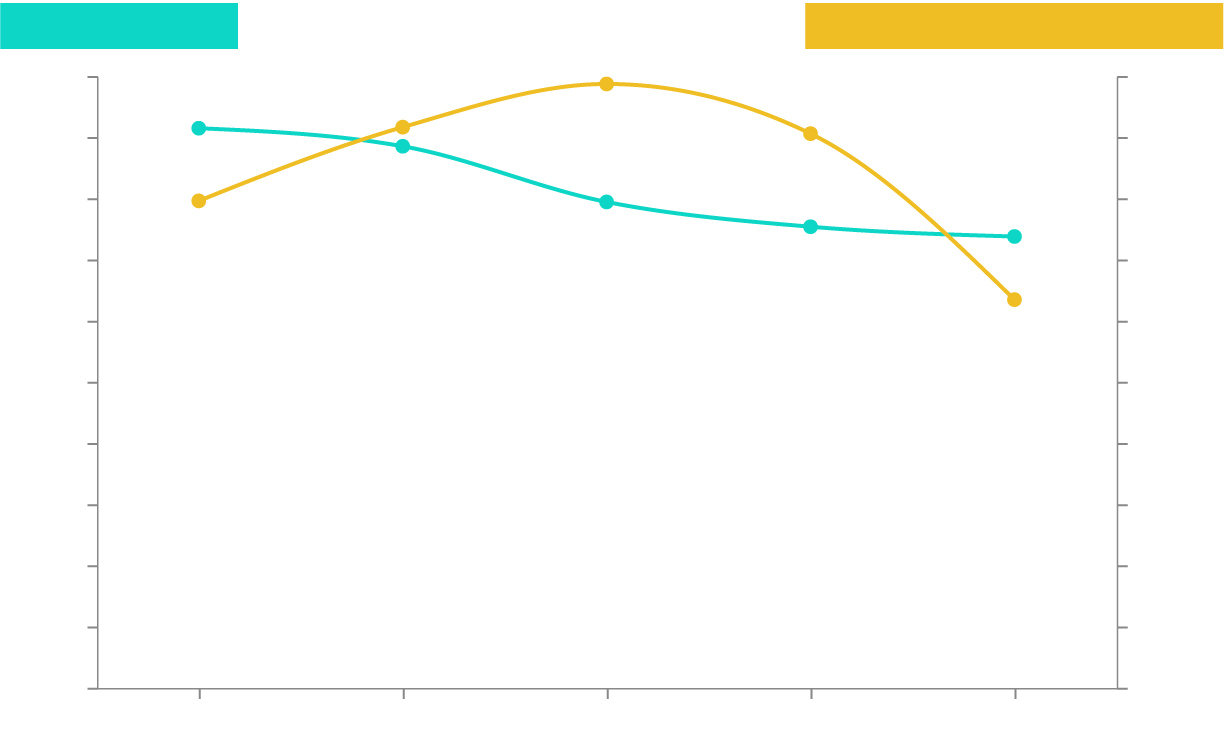
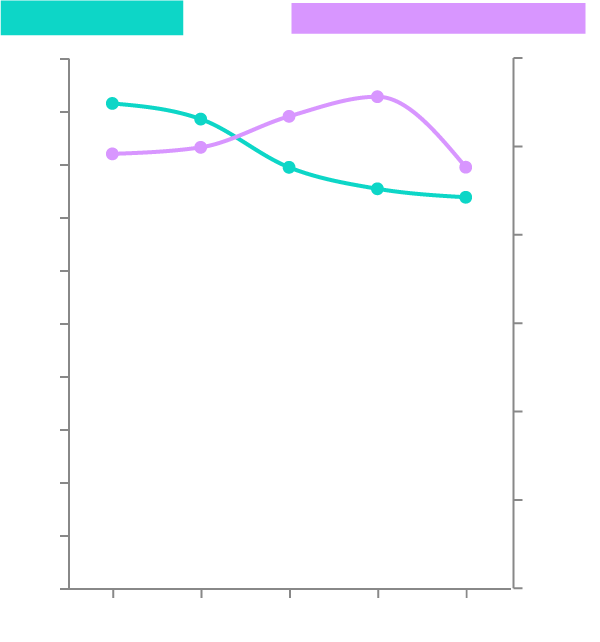
In both 2023 and earlier this year, Mission Local found that police staffing levels were not correlated with crime rates: Fewer officers did not necessarily mean more crime.
Police officers
Reported property crimes
2,000
50,000
1,800
45,000
1,600
40,000
1,400
35,000
1,200
30,000
1,000
25,000
800
20,000
600
15,000
400
10,000
200
5,000
2021
2023
2024
2020
2022
Police officers
Reported property crimes
50,000
2,000
45,000
1,800
40,000
1,600
35,000
1,400
30,000
1,200
25,000
1,000
20,000
800
15,000
600
10,000
400
5,000
200
2020
2021
2022
2024
2023
Sources: SFPD budget report and dashboard. Note: The number of police officers represents full duty sworn officers. Chart by Kelly Waldron.

Reported violent crimes
Police officers
6,000
2,000
1,800
5,000
1,600
1,400
4,000
1,200
3,000
1,000
800
2,000
600
400
1,000
200
2023
2024
2020
2021
2022
Reported violent crimes
Police officers
2,000
6,000
1,800
5,000
1,600
1,400
4,000
1,200
1,000
3,000
800
2,000
600
400
1,000
200
2020
2021
2022
2024
2023
Sources: SFPD budget report and dashboard. Note: The number of police officers represents full duty sworn officers. Chart by Kelly Waldron.
Lurie’s order lays out 100-day actions, six-month actions, and one-year actions.
In 100 days, the city would create programs for retired cops and deputies to return to duty, “streamline the hiring process” including by using unnamed “data and technology solutions,” “propose reforms” to the police academy, “partner with the private sector” on recruitment of new officers, evaluate “personnel sharing” between SFPD and the sheriff’s department, and expand law enforcement use of technology like drones.
In six months, the city would take a close look at SFPD’s “employment practices” including overtime, sick leave, and its “10(b)” program, where officers are hired as private security guards. The practice has led to officers calling out sick and, that same day, going to work side gigs where they are paid time-and-a-half by companies like Walgreens and Target.
Police backfilling officers on the 10(b) program are also paid overtime rates, worsening the department’s overtime spending. A Mission Local analysis found that officers were largely working shifts downtown in places like Union Square. Police brass say the program brings officers “out in the community.”
The city would also lean on community business districts and private companies to “better coordinate public safety resources.” CBDs, as they are known, are increasingly hiring security guards to patrol areas like Union Square and Yerba Buena Gardens.
The letter also describes moving sworn police officers away from administrative duties and into patrol or investigative work, and shifting some administrative duties over to “qualified civilian personnel.”
In a year, Lurie would seek to pass new laws on officer and deputy retirement so more staff would be hired from other agencies, and publish an analysis and progress report on law enforcement staffing.
Supervisor Jackie Fielder and Supervisor Shamann Walton were the only two supervisors who voted against the recent request for $91 million in additional overtime — $61 million for SFPD, $30 million for sheriff’s deputies. Fielder wrote in a statement that she was heartened by the mayor’s order.
“I’m glad the mayor is taking the concerns I and other supervisors raised two weeks ago after an audit found a severe lack of accountability for SFPD overtime, sick leave, and the use of the 10B program which enables officers to work for private entities rather than public taxpayers,” she wrote.
If you are down 500 cops you need to try to fill it somehow— forced OT. Not good for anybody. Also, many crimes are no longer being reported.