
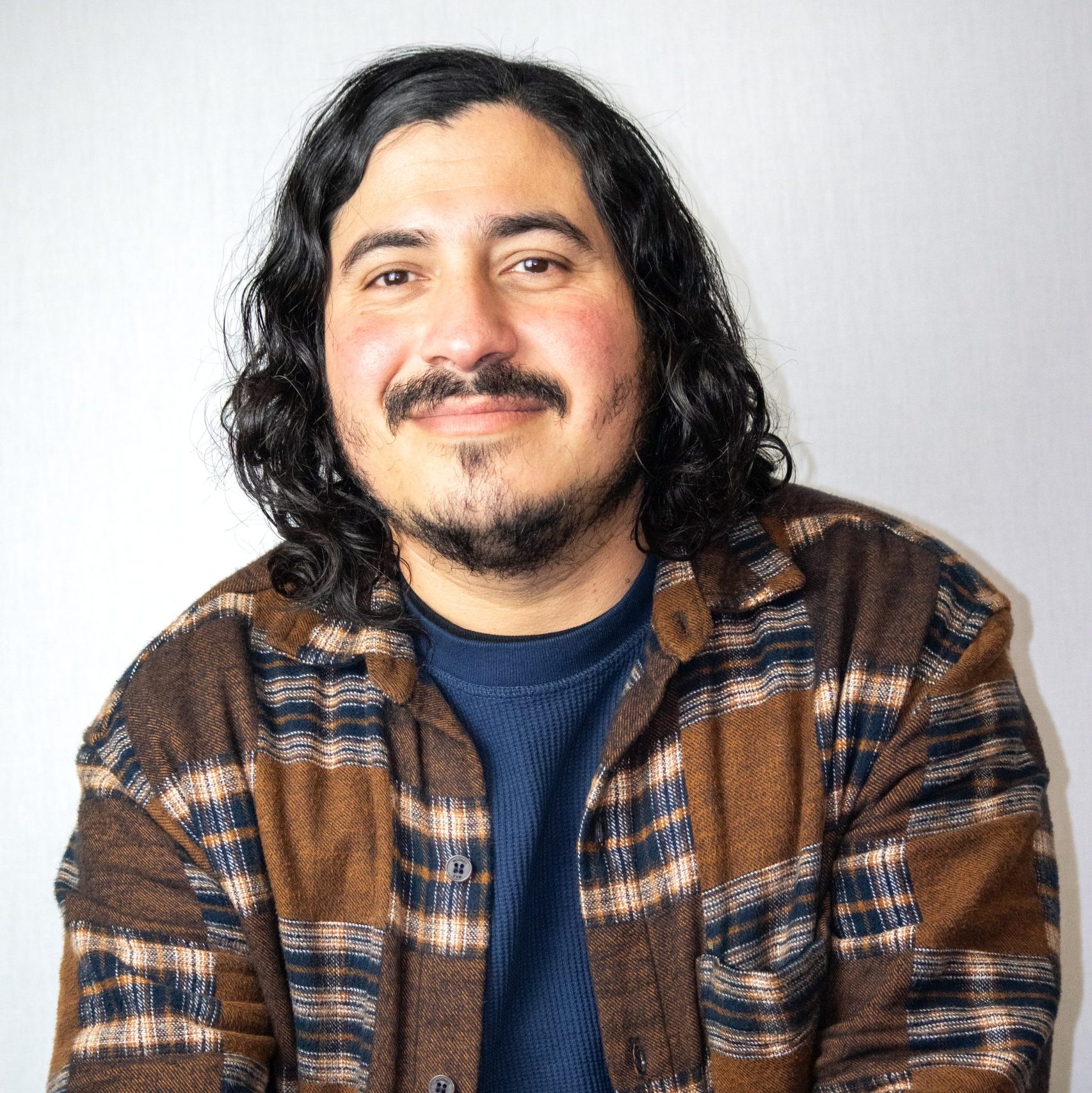

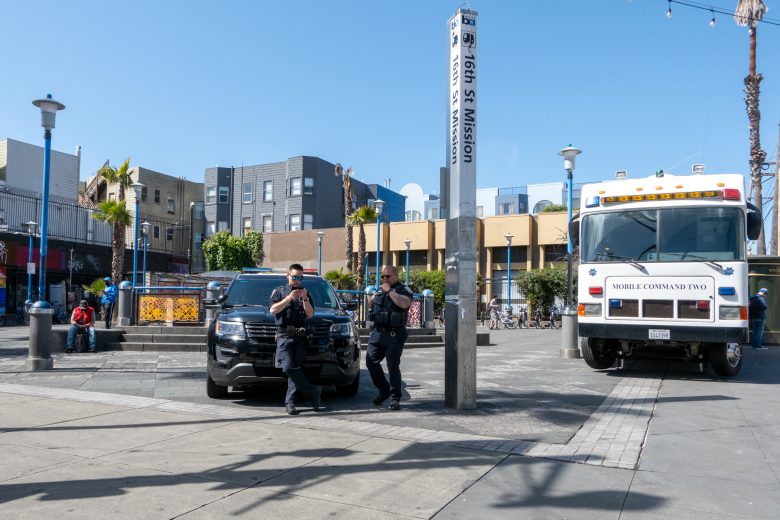

It’s been just over four weeks since the San Francisco Police Department established a constant presence at the 16th Street BART plaza and its surrounding alleys, patrolling the area and making regular arrests for drug possession. And for the most part, residents and workers in the buildings around the plaza say, the presence is working.
The sidestreets, however, are a work in progress and remain attractive to drug users and sellers, neighbors added.
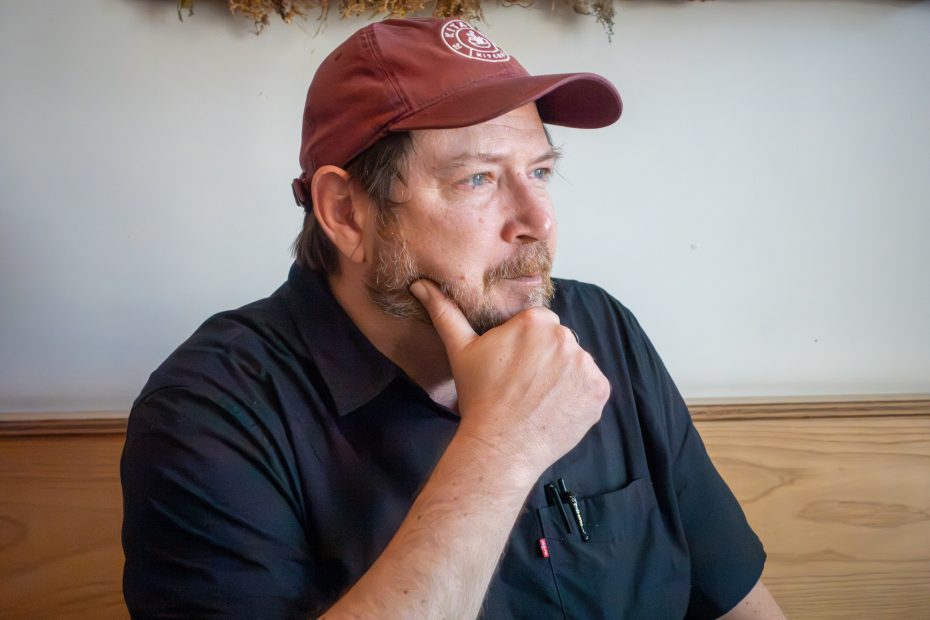
“It’s been really nice to have a nice, clean square across the street that feels inviting and safe for folks to come down to the area,” said Neal Mitchell, the general manager at Kativa, a health food restaurant across from the southwest plaza. “It’s unfortunate that we have to go to such lengths, but I feel like whatever it takes at this point to clean up this area a little bit.”
The operation started on the night of March 5, when police officers conducted a raid at the plaza that resulted in four arrests — all drug-related — and the seizure of a little over an ounce of narcotics. The SFPD has still not said what kind of drugs were seized or what happened to the four suspects arrested.
The next morning, Mayor Daniel Lurie stood alongside SFPD Chief Bill Scott and Sheriff Paul Miyamoto to send out a warning from City Hall: San Francisco was going to be “relentless” in coming for those dealing and consuming drugs in the open.
A week later, Mission residents watched as the department wheeled a mobile command center the size of a bus onto the southwest plaza. That unit, which will stay indefinitely according to Lurie, has been at the plaza for a month. Merchants are seeing results–at the plaza, at least.
“Things are looking way better,” said Ana, the owner of Dollar & Up on 16th Street.
The differences are most conspicuous in the mornings, she said, when she opens the store: Fewer people hanging out and less garbage, accumulated overnight, in front of her door.
At times, the operation can be confusing to residents or anyone watching the plazas. Unpermitted vending can take place across the street from police officers on patrol; however, state law restricts officers from doing any enforcement on vending, and leaves that task to employees at the Department of Public Works.
Open drug use can also occur nearby and police often did not intercede. Recently, however, officers with the narcotics division unit and deputies with the Sheriff’s Department have been writing more citations and making arrests for open drug use.
Business owners say having more police helps.
“Before the arrival of the van, there was so much trouble and people were trying to steal from the store often,” said Ali, one of the owners of iPhone Repair SF and Mi Tierra Market, both of which sit across from the southwest plaza. “We feel better now with the police presence.”
There are questions about whether this will last and what will ultimately happen to the side streets of Wiese, Caledonia, Julian and Capp. Mission Local spoke to half a dozen experts, including veteran police officers, who said the relief may be temporary unless the police presence stays long-term, or the city pursues other strategies like permanently “activating” the plazas, an example? The skatepark at the UN plaza in Civic Center.
District 9 Supervisor Jackie Fielder said her office monitors the 16th Street plaza on a daily basis, and that the “current law enforcement-led activation is clearly not a long-term or sufficient solution.”
But when asked about her own long-term solution, Fielder’s office did not reply.
Lurie, for his part, said his focus continues to be keeping people from using or dealing drugs in public spaces.
“My strategy is to make sure that those streets are clear of people using fentanyl and offering rehab and treatment options,” Lurie told Mission Local. He recognized the city does not have sufficient treatment, and said it will need to “stand up more beds and treat people” quickly to make a difference.
The sidestreets
The operation on the sidestreets has both frustrated and engaged local residents who have long dealt with what some described to Mission Local at the end of March as a “drug carnival.”
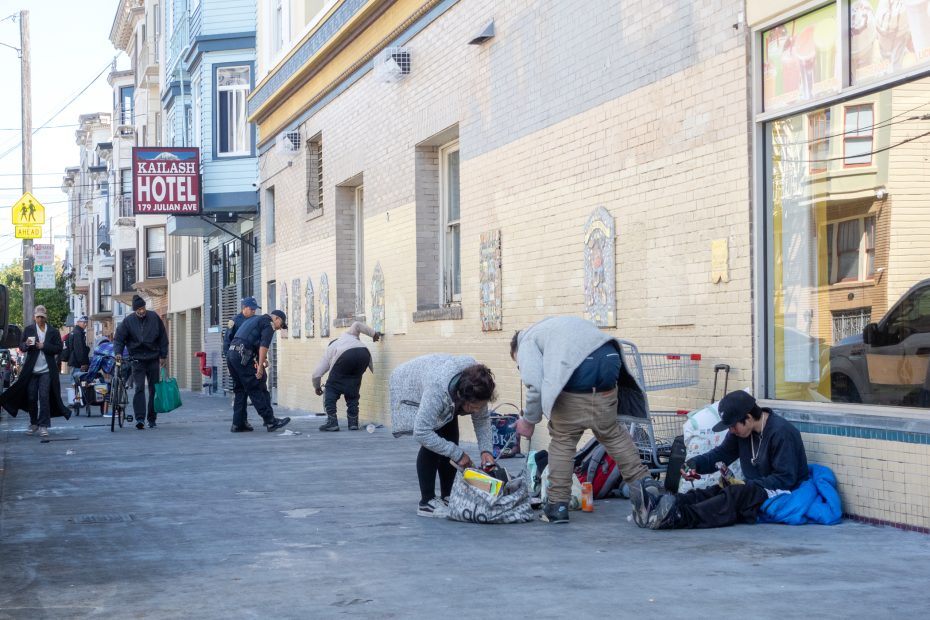
Michael Brown, who has owned a building on Julian Avenue between 15th and 16th streets since 2003, said on Wednesday morning that he has “not seen it this clean in a very long time.”
“Whatever is happening now seems to be working,” said Brown, who is a landlord and said he’s lost tenants because of poor nearby street conditions. “I have a business. I primarily want to make sure that my business can run properly.”
But what looks clean one minute, can quickly deteriorate. On Thursday morning, two men blocked a driveway on 15th Street at Julian Avenue — one flopped over on his stomach, the other on his back. A third stood nearby.

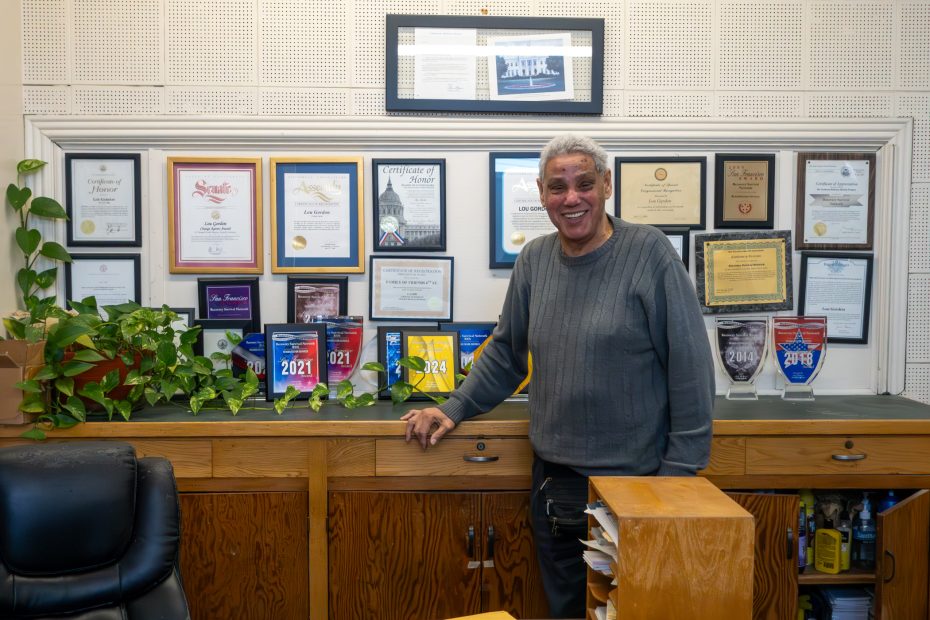
For Lou Gordon, the executive director of the Recovery Survival Network, on 16th Street directly across from the southwest plaza, the gains from the extra police presence have been small but welcome.
“I see a little difference. It’s getting a little better,” said Gordon, while looking out of the window from his office onto the southwest plaza.
“But, as soon as they sweep the streets and wash it down, they go right back to the alley,” he added, referencing several back alleys where residents told Mission Local they have become afraid to leave their homes. “I would like to see them place a no-loitering sign on the corner of 16th and Wiese to 15th and Wiese.”
One inner Mission resident said that “there may be a dent in the vending, but the drugs seem to have simply spread out a bit.”
He lives at 15th and Capp Street and says he has noticed an increase in drug users that seemed to correspond to crackdowns elsewhere in the city. The Mission District police captain Liza Johansen acknowledged as much at a meeting with the community and mayor in mid-March, saying police operations in the Tenderloin pushed drug users to the Mission.
“I am tired of this neighborhood being used as a containment area,” the Capp Street resident wrote in an email. “Capp between 16th and 17th is a great example of how this does not work. It has a high concentration of services near a known area of use and dealing. The sidewalk is constantly occupied with unhoused users, garbage and feces.”
A long-time Wiese Street resident said that it is no surprise the plazas look better. “We have a cop parked there 24/7 so this is not an accomplishment.” He has seen more street cleanings on Wiese and other side streets, adding that Public Works “does an amazing job with the challenges.”
Still, he added, dealers and users show up before noon and stay until the wee hours of the morning.
What does he think will make a difference on the sidestreets? More patrols, more citations, and more arrests. He finds police responsive to some of his suggestions and hopes that they will stop using their PA systems as they roll down the sidestreets at 2 a.m. Better, he said, would be to roll down their windows and let people know they can’t be doing drugs in the alleyways.
Brett Klein has lived for 27 years near Capp and Adair streets, just a few blocks away from the 16th Street plazas. While he welcomed the recent improvements, he said the change felt a bit fragile.
“The last few days, it’s the best it’s looked in months,” Klein said. But he cautioned that improvements might not last. “The tide comes in and the tide goes out,” he said. “Love that it’s not in front of my house, but, you know, it doesn’t go away. It’s just getting moved.”
A business owner near 15th and Valencia Street, who asked to remain anonymous because of safety concerns, said the police presence has helped temporarily, but the underlying issues remain.
“They’ve taken [them] today, and tomorrow they come back,” he said. “The cycle keeps going on and on and on.”
Additional reporting by Lydia Chávez
Why is 16th street plaza so much worse than 24th street plaza?
More nearby SROs where all the people causing problems live.
Cleaning up the plaza itself is a big win, even if the junkies only move to the side streets.
Commuters and tourists use the plaza. Normal people. I am SO glad to see the city, led by the new mayor, care about us. What an enormous change from the last administration.
Thanks for reporting .
After 30 days, glad there is some improvement.
This shows a physical presence helps; however , SF needs to see how European cities handle public spaces .
They have teams of two
Police who WALK around in a designated everyday. They issue fines and citations as necessary on the spot .
Illegal activity results in the persons being loaded up and removed .
Public intoxication is handled very well .
If officers cannot make the diagnosis , decision , then a nurse or trained emt should be with them.
In SF some areas are always out of control, like lower polk and other areas popup as persons getted pushed from one area to another to hang out and take drugs and rot .
If the message is sent and the law enforcement and consequences are adequate , then the open drug scene on public property and spaces will decrease .
Why in Singapore is there no open drug scene or usage ?
Because persons know they will receive the death sentence .
SF current plan just allows the addict to self inflict harm .
Unfortunately , that plan results in more deaths then places where they have servere consequences .
Think about that .
Tragic that that is what it takes .
I vote for a plan with fewer deaths
.
Kitava*