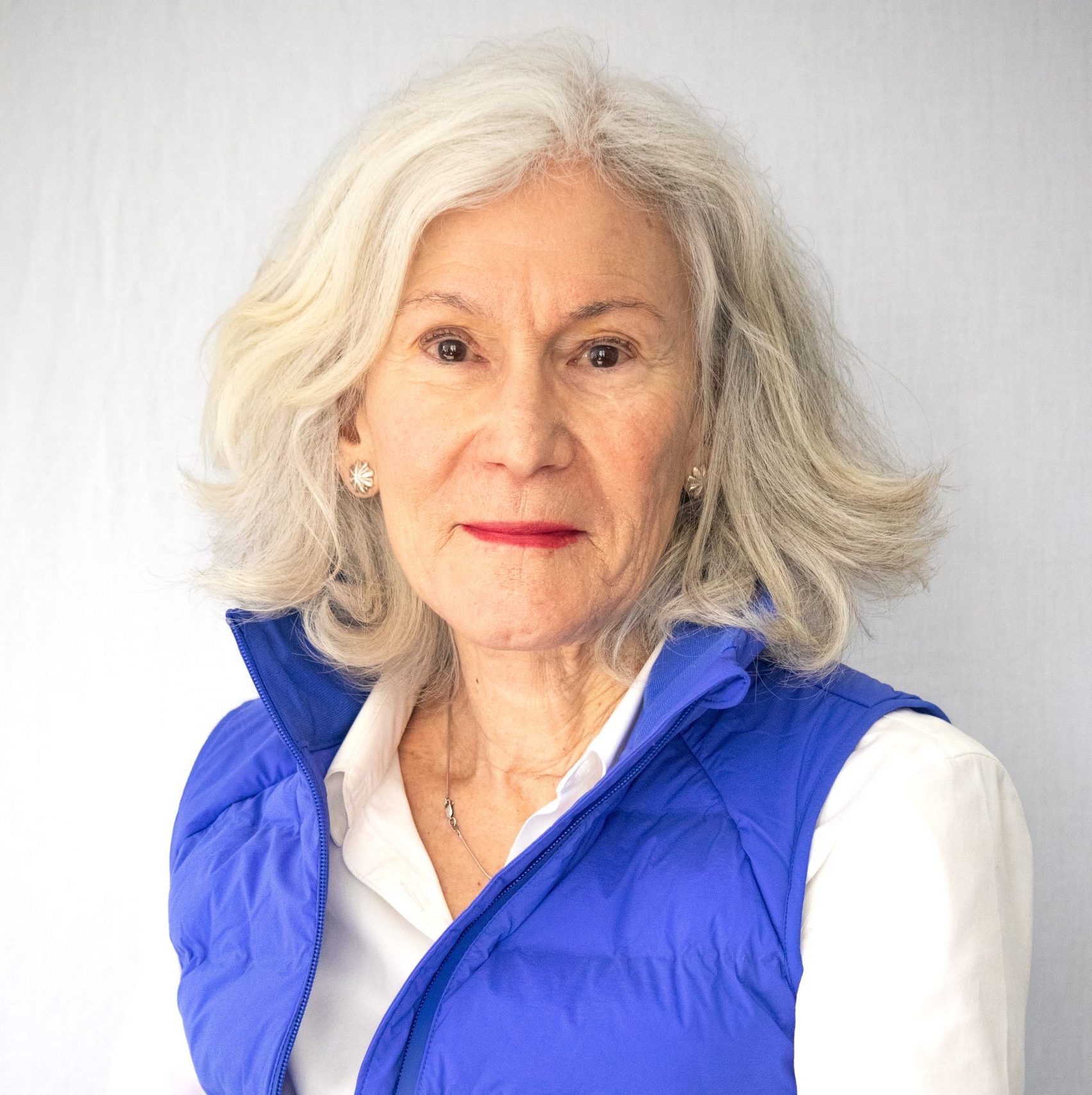
By JORDAN CONN
It’s Thursday night on Bartlett Street, and six meditation novices kick off their high heels and vintage sneakers before settling in for an introduction to Zen.
With the room at peace and the students’ eyes closed, British-born Sheila Bagley, known as Padmatara around the 10-year-old San Francisco Buddhist Center, speaks intermittently and clearly, her voice descending from a place where whisper meets song.
Connect with yourself. Connect with your surroundings. Connect to a loved one and even an enemy. And then, send love. Always, send love.
It’s a message that resonates with Mission District newcomers who are increasingly seeking spiritual release in uneasy times, says center volunteer Lisa Kee.
“Meditation and Buddhism have been a part of San Francisco’s culture for a long time,” Kee says, “but it’s really started to grow more, especially here in the Mission, over the last year or six months.”
There are four Buddhist centers in the Mission, including Bagley’s center and the Kadampa Buddhist Temple. Representatives from both centers say the visitors are largely young and white, and their numbers are increasing.
“A lot of people — especially young people — are stressed, and this is free, and it’s therapeutic, and it’s right here,” Kee says about Buddhism’s local growth. She points to the struggling economy as a new cause of stress.
“I had an absolutely awful day at work,” says Ashley Russell, a 20-year-old receptionist who attended the class. “It almost kept me from coming here to try this out, but really I think having a bad day made it even more important for me to come.”
Adds 26-year-old schoolteacher Jasmine Hoo: “I have two really good friends who had come to these classes before, and they told me that I just had to do it.”
She’s glad she did.
“It was an incredibly emotional experience for me,” says Hoo. “It’s like I knew I was here the whole time, but in the end when it was over, it took me a while to really come back. …It’s an incredible release.”
Padmatara, who received her name when she was ordained into the Friends of the Western Buddhist Order in 1993, says most of the interest is coming from one segment of the Mission District’s population.
“The problem we are having is one of attracting groups besides young, middle-class white people,” says Padmatara, whose center, like the Kadampa Temple, doesn’t maintain attendance records. “The growth is wonderful, but we’d love more diversity.”
While the drop-in classes grow in popularity, some Mission residents explore meditation on their own. David Sulsky, a 31-year-old fundraiser for a nonprofit organization, has never visited the local centers but regularly spends time meditating in private and reading Buddhist writers.
“I’ve always been a meditative person,” says Sulsky, who identifies himself as a “Jewbu” — a Jewish/Buddhist hybrid. “This has provided an outlet for that. It has changed the way I think about God and contributed to a deeper feeling of connection with the world.”