Good afternoon! We’ve got a couple of stories about housing––a study about how it can improve health, and recommendations on how to build more of it.
• Very often, what “studies show” is the glaringly obvious. My own bulletin board is full of examples clipped from various newspapers over the years: “White men hold most top jobs, study shows;” “Study finds treatment aids addicts;” “Study finds owning 100 cats may signal mental illness.”
Nonetheless, studies do provide evidence for policymakers. The one we write about today shows that people housed in shelter-in-place hotels during the epidemic made drastically fewer costly visits to the emergency department and were hospitalized far less than those living on the street. Hotel residents also connected much more with preventive and primary care, and over half were transitioned to permanent housing. The experiment, authors said, demonstrated the clear benefits of providing immediate housing for homeless people.”It’s not perfect,” said Dr. Elizabeth Abbs, one of the authors of the study. But “providing resources for housing, outreach to care, and risk reduction for substance use allowed people to stay out of the hospital,”
• In 2020, voters passed Proposition I, a transfer tax, which this year added $85 million to a housing fund. Even without a study, members of the Housing Stability Fund Oversight Board, which advises the mayor on how to spend that money, have some recommendations.
The oversight board recommended building workforce housing for public-sector employees, to retain essential workers who can’t afford to live in San Francisco. The board also suggested putting $30 million toward acquiring land for affordable housing while it is relatively cheap. “We are trying to make the argument that [the funds] should be dedicated to acquiring land right now,” said Fernando Martí, a board member. “Once we come out of the recession, that opportunity will be gone.”
Ultimately, though, it’s up to the mayor to decide how much of the money to spend, when, and for what. It wasn’t until this March that the mayor released funds for site acquisition, or for the educator housing the board recommended last year.
• One final note, if you’re wondering when the hell your taxes are due: Most San Franciscans have until Oct. 16, 2023, to file and pay both state and federal taxes, without filling out any additional paperwork. Details here.
More soon,
Sara
The Latest News
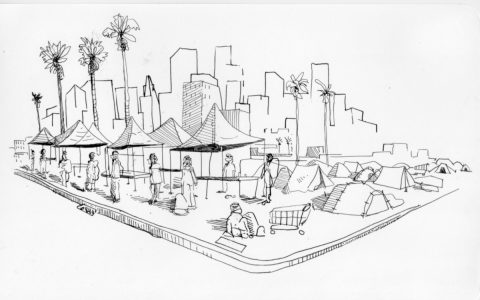
SF hotels for the homeless reduced ER visits, study shows
A study led by the Department of Public Health found that people do better when they are housed.

$85M in taxes should fund affordable housing, city oversight board says
Proposition I money could buy land for affordable housing while the cost is relatively low.
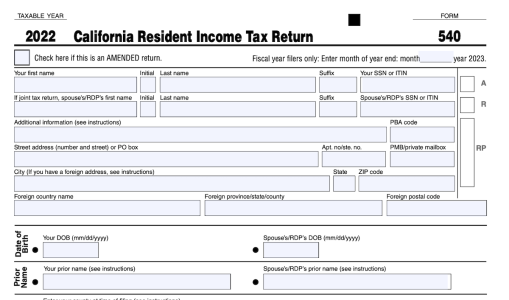
When the hell are my taxes due? October, for most Californians.
Tax Day is next Tuesday, April 18, unless you’re living in a flood-affected county– like San Francisco.
SNAP