

So far this summer, the San Francisco Police Department has announced that officers have arrested more than 100 people and seized more than a pound of suspected narcotics with the aim of “dismantling” the city’s drug markets.
The majority of those arrests were for outstanding warrants, rather than for actively using or selling drugs. But during two back-to-back SFPD operations in mid-July, police booked eight people that, officers said, were caught in the act.
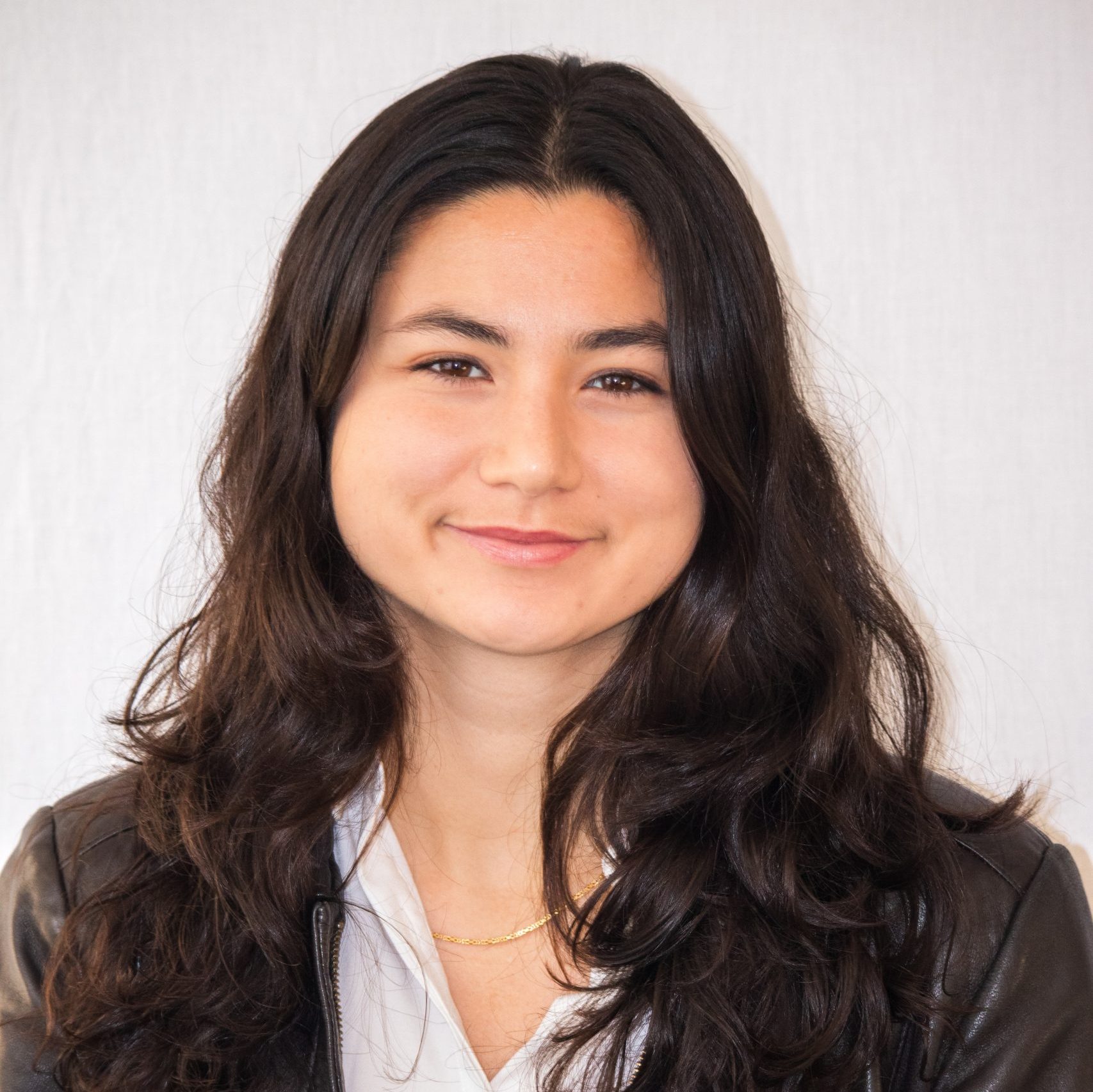
One of those eight suspects was Arriana Sol-Cruz. Her case, like most that began this summer, is still making its way through San Francisco Superior Court. As San Franciscans clamor for safer streets and accountability, it’s a reminder that criminal justice isn’t always expeditious.
Drug busts, which often occur in areas like the Tenderloin, where drug-use is public and conspicuous, are frequently publicized on SFPD social media, accompanied by photos of small plastic bags filled with white substances. In a June press release, San Francisco Police Department Interim Chief Paul Yep commended officers’ recent efforts to go after illegal drug activity “relentlessly.”
That’s what’s shown on social media. But what happens next?
First, the District Attorney has to decide if there’s a strong enough case to file charges.
This doesn’t always happen. In March, a pre-dawn operation that netted 40 arrests resulted in zero charges. On June 25, a medley of local law enforcement agencies arrested 97 people during what SFPD described in a press release as possibly “the largest one-day fugitive-focused enforcement in recent history in San Francisco.”
Most of the 97 arrested were cited and released, according to Andrea Lindsay, co-manager of the public defender’s misdemeanor unit. About 30 were charged with new misdemeanor offenses, like possession of drug paraphernalia, Lindsay added, but most of those charges were dropped by prosecutors in the days following.
If the DA does decide to file charges, a case could still be dismissed, or end with a trial, plea bargain, or diversion program. In the case of Sol-Cruz, on July 11, two days after her booking, the DA’s office charged her with transporting fentanyl and possessing methamphetamine and LSD for sale.
As it turned out, the 29 year-old Sol-Cruz was out on bail when she was arrested — for a case filed in 2023 for similar charges: Possessing fentanyl and methamphetamine for sale. Several other suspected drug dealers arrested on July 9 also had open cases from years prior.

Sol-Cruz’s 2025 and 2023 cases were addressed together during a preliminary hearing that began on July 24 of this year.
The hearing opened with the older charges. Officer Kohl O’Keefe, a member of the SFPD’s Tenderloin plainclothes team, testified that, in 2023, he saw Sol-Cruz participate in what appeared to be a drug deal near Hyde Street and Golden Gate Avenue.
He said he watched through binoculars as an unknown person approached Sol-Cruz’s co-defendant, Josue Ramos Martinez. Then he saw Sol-Cruz hand Martinez pull a black bag from a cart.
The police’s subsequent search of Sol-Cruz and Martinez allegedly revealed individually packaged bags of fentanyl, methamphetamine and heroin, measuring scales, and $2,200 in cash. It is unclear whether the unknown buyer was also arrested.
Officer John Murphy was then called to testify about the 2025 bust that led to Sol-Cruz’s most recent arrest. At 10:15 p.m. on July 9, Murphy said he watched another officer attempt to purchase drugs from Sol-Cruz on the 400 block of Jessie Street in the Tenderloin.
At the preliminary hearing, Sol-Cruz was represented by Declan Dempsey, a University of Southern California law student interning at the public defender’s office. During Murphy’s cross-examination, Dempsey questioned whether Murphy could identify LSD, and if he had seen narcotics change hands.
He asked if Murphy would, hypothetically, be able to tell if there was LSD on a small scrap of paper. To illustrate, Dempsey ripped a piece of paper from a notebook and held it up before the court.
“Make it smaller,” Dempsey’s supervisor said in a stage whisper, “A very small square.” Dempsey folded the paper. During the demonstration, Sol-Cruz hid her face in her jail-issue orange sweatshirt to muffle a laugh.
The following day, the district attorney dismissed the three charges from July 9, 2025, for lack of available witnesses. “Vacation plans” had prevented the DA’s office from getting additional police personnel to testify, assistant DA Andre Guiulfo told the court. Dempsey happily accepted the resolution.
San Francisco Superior Court Judge Gail Dekreon later expressed concern that Sol-Cruz had again been arrested for allegedly selling drugs. The 2025 case, Dekreon reminded the defense, was dismissed because the prosecution could not call the necessary witnesses, “not because it didn’t happen.”
But Sol-Cruz’s case from 2023 still stood. Dekreon found that there was enough evidence to send Sol-Cruz to trial for those two charges, which could mean a concurrent sentence of up to four years in county jail.
Next was the issue of whether she would be held in jail. Christina Dominguez, the public defender supervising Dempsey, argued that Sol-Cruz has seizures, which puts her health at risk if she remains in custody. In recent years, San Francisco’s county jail conditions have been scrutinized amid understaffing and overcrowding.
Assistant DA Guiulfo objected. Nonetheless, Dekreon released Sol-Cruz under the supervision of pretrial case management and electronic monitoring until her next hearing, which will be in early August. Sol-Cruz blew a kiss to a man in the audience as a deputy escorted her from the courtroom.

Great. Another drug dealer released by a permissive San Francisco judge. Just what the city needs.
Judges follow the law. The City needs to stop using that as an excuse for the situation that has been in place for 3 decades and multiple regimes.
And during none of that time did “Progressives” have a majority and mayorship.
It’s been the “tough” “business” moderates the entire time. Realize this Breed.
Thanks for reporting.
We cannot control in elsewhere but SF should be able to get control of the drug sales and usage by now ,
Ethically , legally and medically wrong to allow this to continue .
Harm is happening
“
A rat will keep going to poison until it dies”
The penalties need to be increased .
Mandatory removal of drug addicts is necessary . Process them . Register them for their crime , immediate intervention and evaulation mandatory and triage either to jail, treatment locationaway ftom the neighborhoods or a homeless refugee camp like the united nations operates.
Running a drug treatment , mental health clinic and homeless shelter on every corner will never work .
Tough love .
Just putting them in a shelter will not change their behavior . They run out and do more drugs on the taxpayer dime .
Sf voters need to quite babysitting , get off their high horse and get serious about getting city hall to increase the penalties and get this bs cleaned up,
Really dissapointed in this city that somw think these persons should be able to do what they want .
They will not change. They are addicts . SF is allowing the poison to be given.
Drug dealers are in control.
Dont do drugs and you will not have to pay the consequences .
Game over here .
Way wrong
Pathetic. I hope the feds come in and charge and prosecute everyone involved in the drug scene under federal law. SF has demonstrated time and time again that it is ideologically incapable of fixing this on it’s own, regardless of how much “homeless” spending the voters approve.
And deport the non-citizen addicts and dealers – something else the local authorities adamantly refuse to address.
Why is Chesa doing this to us?
All over this country addiction has devastated lives. We seem to ignore the fact that we had a tsunami of Opioids hit the streets to join meth and crack. Drug abuse isn’t a new problem but we continue to promote idealism and ignore realism.
Truthfully, substance abuse is a reality of the human condition.
It’s NOT compassionate to allow folx to languish in this condition.
Instead of spending billions on non-profits to pass out water and clean needles, we should be building and staffing facilities for rehab and mental health services. California code 5150 says that a person who is a danger to THEMSELVES or others can be mandated into treatment. Imo, severe addiction is definitely self harm. Harassing and threatening folx is a danger to others. Drug courts have diversion programs but they are outpatient and folx easily game the system.
While homeless advocates rail about dignity and rights, these people create an unsafe and dismal reality for everyone and are living in squalor. They are living a nightmare of addiction and often violence. These “advocates” don’t sleep on the streets. Often they don’t even live in the districts they serve.
If we create incarceration mandates that center growth and rehab, going to jail could actually save lives!!!
The system claims to be focused on creating better lives, living environments and community safety.
Outcomes would be much better.