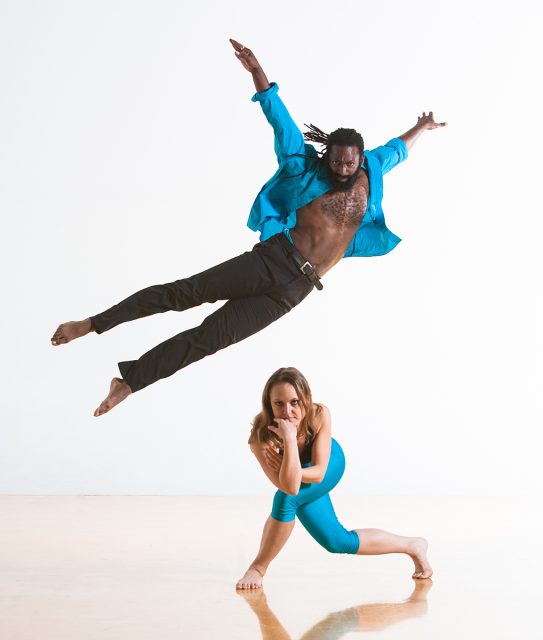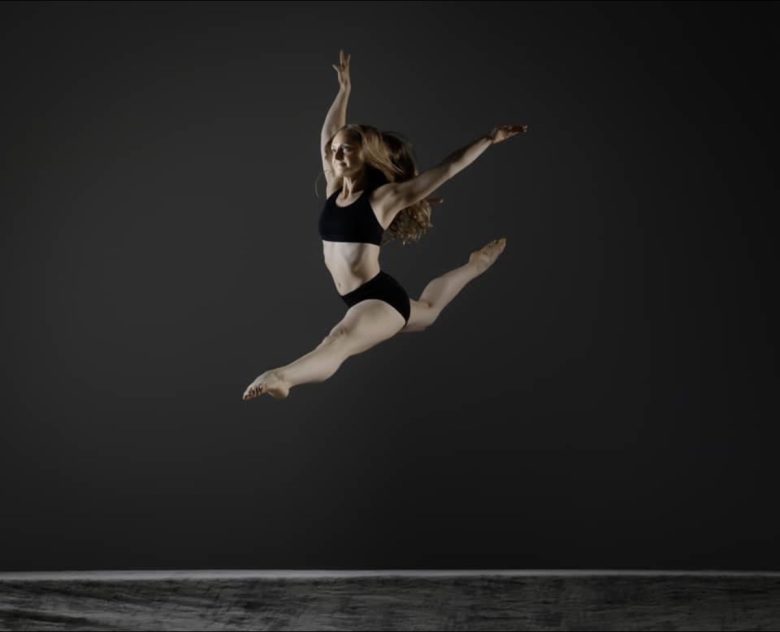

Antoine Hunter knows how hard it can be for Deaf performers to be noticed.
The choreographer and founder of Real Urban Jazz Dance, who is deaf, spent much of the late-2000s scrolling through MySpace in search of performers who shared his condition, especially people of color.
When he did find other Deaf companies, Hunter would travel great distances to see them. He would network with their members, offering them spots in the SF-based dance festival he was planning. The process wasn’t easy or cheap.
Those efforts weren’t in vain. As Hunter prepares to kick off the 13th annual Bay Area International Deaf Dance Festival (BAIDDF), he says the annual event has become “a lighthouse” summoning Deaf dancers from all over the world.
This year’s festival (Aug. 8 to 10 at Dance Mission Theater) will feature Bay Area performers alongside groups from Botswana, Colombia, Jamaica and other countries.
“That’s what happens when you create something rooted in love and access,” Hunter tells me through e-mail. “I strongly believe in, ‘If you come to my house, then I must come to your house.’ Most artists ask me to help them create events; I do it for free.”
The access Hunter mentions won’t be limited to the industry-standard occasional ASL interpreter. Events range from face-painting, interactive ASL storytelling, dance workshops, meet-the-artist panels, and major performances, all in ADA-compliant venues and accompanied by multilingual sign language interpreters, open captions, and audio descriptions. So many accessible options are available that it’s easier to notice the ones that aren’t used.
“[Streaming is] something we are actively working toward,” Hunter tells me. (As of this writing, the only part of the festival that will be streamed is an artists panel.) “Streaming takes additional resources — interpreters, tech, captioning — and we want to do it right. We’re just being mindful to expand sustainably and equitably.”
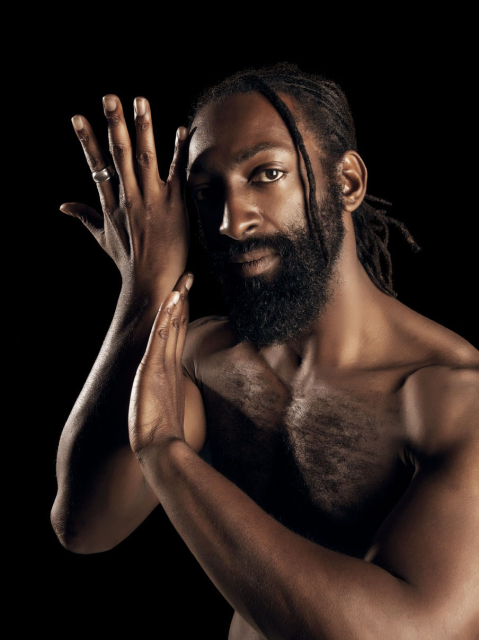
That need for sustainability has become all the more pressing this year, which has seen both severe local and federal cuts to arts and disability funding.
“SF has deep roots in creative rebellion,” said Zahna Simon, dancer, director, and assistant director for the festival,” but the cost of living in the Bay Area and lack of institutional access for artists, especially Disabled and BIPOC artists, makes thriving difficult without strong community support,” she says.
Simon, who is also Deaf, sees the festival as a response to attacks on the ADA from the White House, and as a decade-plus project that has been crucial to tearing down stereotypes about people with disabilities.
In the early days of the festival, she said,“People didn’t believe Deaf people could dance.” Thirteen years later, she added, the festival not only still exists, but continues to educate funders and the public about Deaf-led arts businesses and companies.
For Hunter, who themed this year’s festival “Reclaiming Space, Reclaiming Our Language, and Sharing Deaf Education at All Ages,” the representation is crucial. It’s why he’s delighted by the success of the film “Sinners,” which put a mainstream focus on Black American Sign Language, a communication style he’s been using for decades.
For Hunter, known to colleagues and friends as “PurpleFireCrow,” seeing such public bigotry from the White House has only strengthened his resolve. Even as funding resources dry up, he hopes festival participants, both able-bodied and disabled alike, regard its events as both emotional catharses and direct calls to action.
“We thrive because we must,” Hunter insists. “These attacks make our work even more urgent. This festival isn’t funded by pity; it’s fueled by power. Every ticket sold, every grant won, every story told is an act of defiance and survival. We’re not just surviving the system; we’re building our own.”
The 13th annual Bay Area International Deaf Dance Festival runs from Friday, Aug. 8 to Sunday, Aug. 10 at Dance Mission Theater, San Francisco. Tickets are $14-$40.