
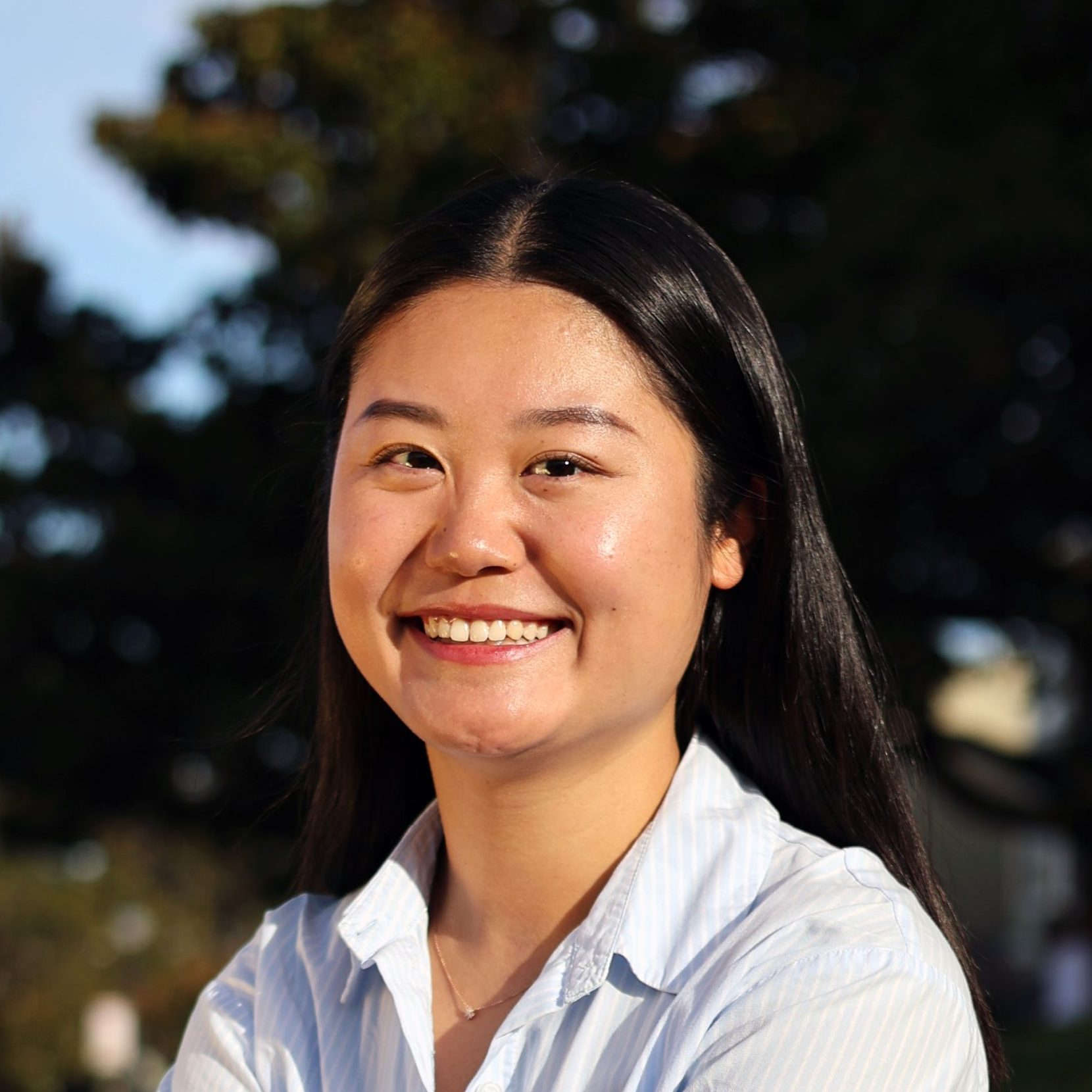

Saikat Chakrabarti’s campaign to succeed Rep. Nancy Pelosi in California’s 11th congressional district cost $211.30 per vote.
That is about $8.85 million spent for 42,049 votes, just 17.9 percent of the total votes cast. The totals are as of May 13, the latest date for which data is available, and likely to rise.
The two candidates who beat him spent far less.
Scott Wiener, the state senator who led the field with 40.7 percent of the vote, was backed by $5.86 million in spending. That includes about $2.67 million from his own campaign, and another $2.56 million from independent expenditure committees. Each of his votes cost $61.24.
About a third of this outside spending — $887,511 — was from Abundant Future, a political action committee formed by wealthy tech figures who have spent heavily against progressives in San Francisco, like Chris Larsen, Garry Tan, Jeremy Liew, and Jeremy Stoppelman.
Abundant Future did not spend money supporting any candidates, according to filings — only on opposing Chakrabarti. Chan and Wiener likely benefited from spending against Chakrabarti.
The total behind District 1 supervisor Connie Chan, who took the second spot with 29.7 percent of the votes, was just $1.75 million, including $1.2 million in outside backing. Her cost per vote? $25.09.
Yes, Chakrabarti spent more than eight times as much per vote as Chan, and still lost to her by nearly 28,000 votes.
Until now, the record for most spending per vote was held by Mayor Daniel Lurie, whose first-choice votes in the 2024 mayoral race were $156.14 each. But there’s a big difference: Lurie won.
Half the money spent on a firm known for running progressive campaigns
About half of Chakrabarti’s spend — some $4.4 million — went to Middle Seat, a Washington D.C.-based digital advertising firm that specializes in progressive campaigns, organizations, and causes.
Chakrabarti’s campaign largely focused on his anti-establishment messaging and his desire to change the Democratic Party, with ads that promoted his ties to progressive New York representative Alexandria Ocasio-Cortez.
Senior staff members for Chakrabarti’s campaign in San Francisco who joined at the start of 2026 said they had goals to weave more personal elements into the messaging for his campaign.
Their goal was to better connect Chakrabarti to the city and humanize him with details: He’s a family man raising his daughter in San Francisco with his wife, a thrift-shopping enthusiast. He has deeper roots in the city than most people realize. He has relationships with local small business owners.
But few of these messages wound up being used before the campaign ended.
Advertising and messaging overall consumed $4.64 million, or about 52.5 percent, of Chakrabarti’s spending. David Ho, a political consultant for the independent expenditure committee supporting Connie Chan, said that kind of ad spending is typical for a candidate with low name recognition.
“For a low name-ID candidate, it’s about voter identification and buying awareness from voters,” Ho said. “I think he was successfully able to do that — similar to Daniel Lurie.”
But, he added, there are limits. Ultimately, Chakrabarti, a self-financed progressive, was up against two strong, well-established, and well-connected candidates in San Francisco.
Wiener has been in San Francisco politics for about two decades and only lost one race, a June 2016 state senate primary to Jane Kim, (who later lost to Wiener that November). Chan is deeply rooted with local progressive and labor alliances and the city’s Chinese community.
“He was in an uphill battle from day one,” Ho said.
Well-paid staff and many, many consultants
Chakrabarti prides himself on what he called the “largest field campaign in U.S. congressional race history.” His campaign hired a total of 378 staffers, including canvassers and well-paid field workers.
A total of $1.63 million went to wages and another $524,648 in payroll taxes to the Internal Revenue Service. Two top earners among employees:
- $72,404: Emily Hyden, the campaign manager.
- $70,799: Oscar Arbulu, who joined the campaign in July 2025 as chief organizing officer and later became the political director. Arbulu left the campaign in January 2026.
The top earners on the campaign, though, were outside consultants. The filings show that 23 consultants and 14 consulting firms earned a total of $599,505.
Among the top consultant earners:
- $143,601: Kick Research, which a 2023 tax filing indicates is related to Zack Exley, the campaign manager turned senior advisor for Chakrabarti. Exley was a former advisor to Vermont Senator Bernie Sanders.
- $91,000: Nathan Allbee, a political strategist and a former key aide to State Assemblymember Matt Haney.
- $72,823: Nadia Rahman, a political director on the campaign.
Now Chakrabarti plans to use his money to help one of the candidates he failed to beat.
Already, his PAC has spent $425,000 for Chan as she heads toward the November election — 24 percent of what she spent during the entire run-up to the June vote.



SC’s door knockers seemed un/prepared and very green to me. My window had a Connie Chan sign it ! They could not answer basic questions about how SC could help me better than Chan and seemed to know nothing about truly local constituent concerns. There were 3 or 4 visits from different young men-I finally just started telling them to just go away.
I am sorry, but Chakrabarti needed to start his public service at the city college board or as a district supervisor. The House of Representatives is supposed to be made up of representatives who actually represent the district they come from. He felt so inauthentic that he really did deserve to lose. Now we have two people who have put in the time and understand the political realities of this city. Not Washington DC.
I got a call from Saikats campaign to now support Chan. While I appreciate this sentiment, why is the campaign voters now, five months before November? This seems like an ineffective tactic.
I can’t wait to see the very first broadcast airing of a Connie Chan political campaign commercial and the rental of a physical campaign space for grassroots volunteers both of which Connie Chan has managed winning without the financial resources for either.
With Saikit Chakrabarti pledging full support we should see campaign storefront for GOTV outreach and Connie Chan on television or my importantly Weiner attack ads as ubiquitous as Chakrabarti’s own political ads aired in heavy rotation second only in television buy to Tom Steyer
Who cares
It is his money
I’m concerned about using taxpayer monies in campaigns
Doesn’t sf match funding?
How about a local law that prevents any spending on campaigns like is done inEngland ?
Save a couple of trees along the way
They all spread propaganda and never follow through
They all just appear and pretend to listen and play the game when it is time to vote
No act is selfless
I think he lost because he campaigned against Pelosi. Chan kissed the ring. I think she endorsed Chan instead of Weiner to help ensure he wouldn’t get past the the primary. There’s no one more well connected than Pelosi.
XXX
I was not the field director. I was the chief organizing officer. I was not in charge of field. I jump started that program and then an internal reorganization in Aug ‘’25, that was lead by leadership, took that responsibility from me. The camapign and I parted ways in Jan of 2026. Happy to discuss this more in depth.
Good on Saikat for putting aside his differences and giving Connie Chan real support. For all his flaws, he’s modeling the kind of unity we’re going to need in the years ahead: even if we don’t have a perfect candidate, we need to all be together on the San Francisco team against those who play for the billionaires’ team like Scott Wiener does.