
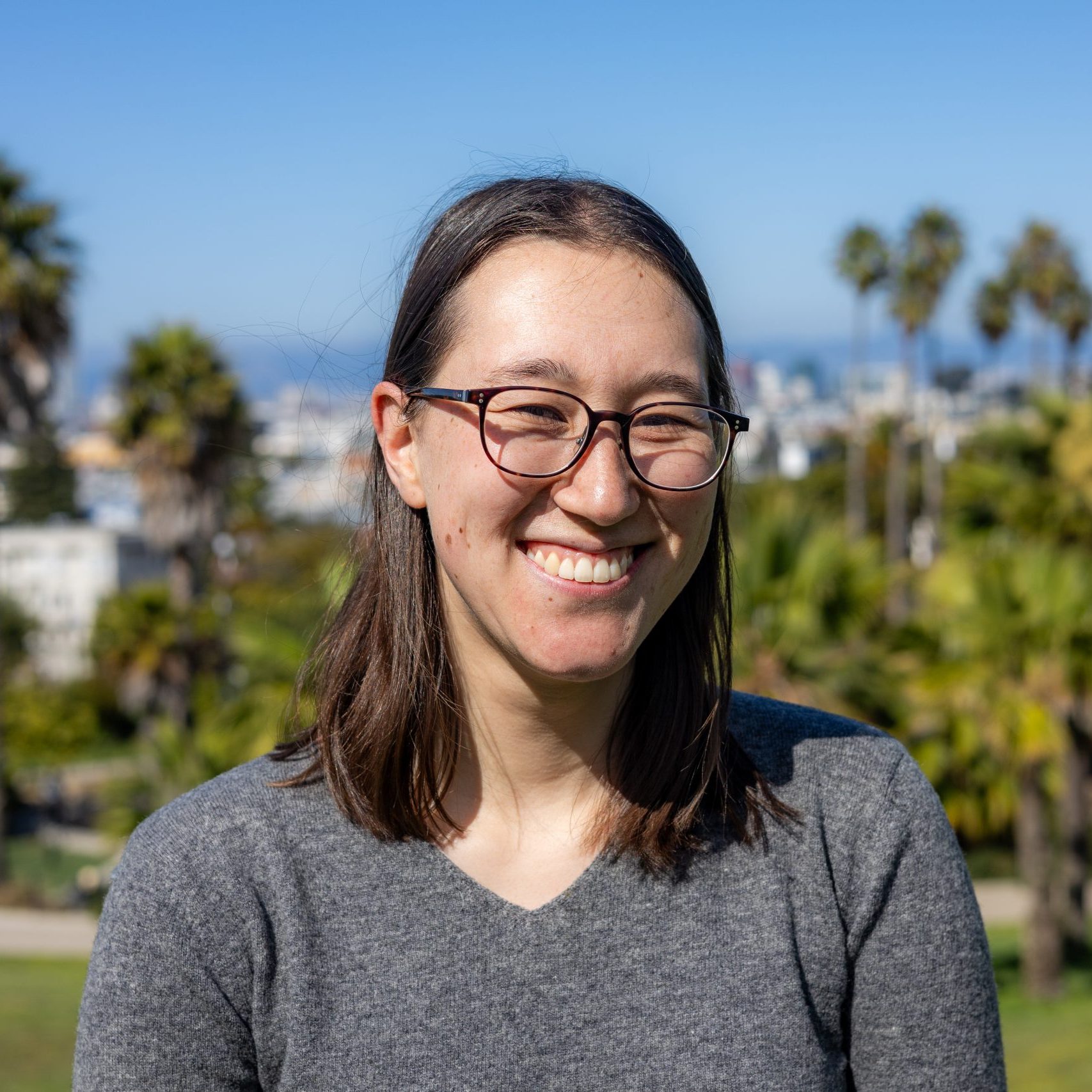
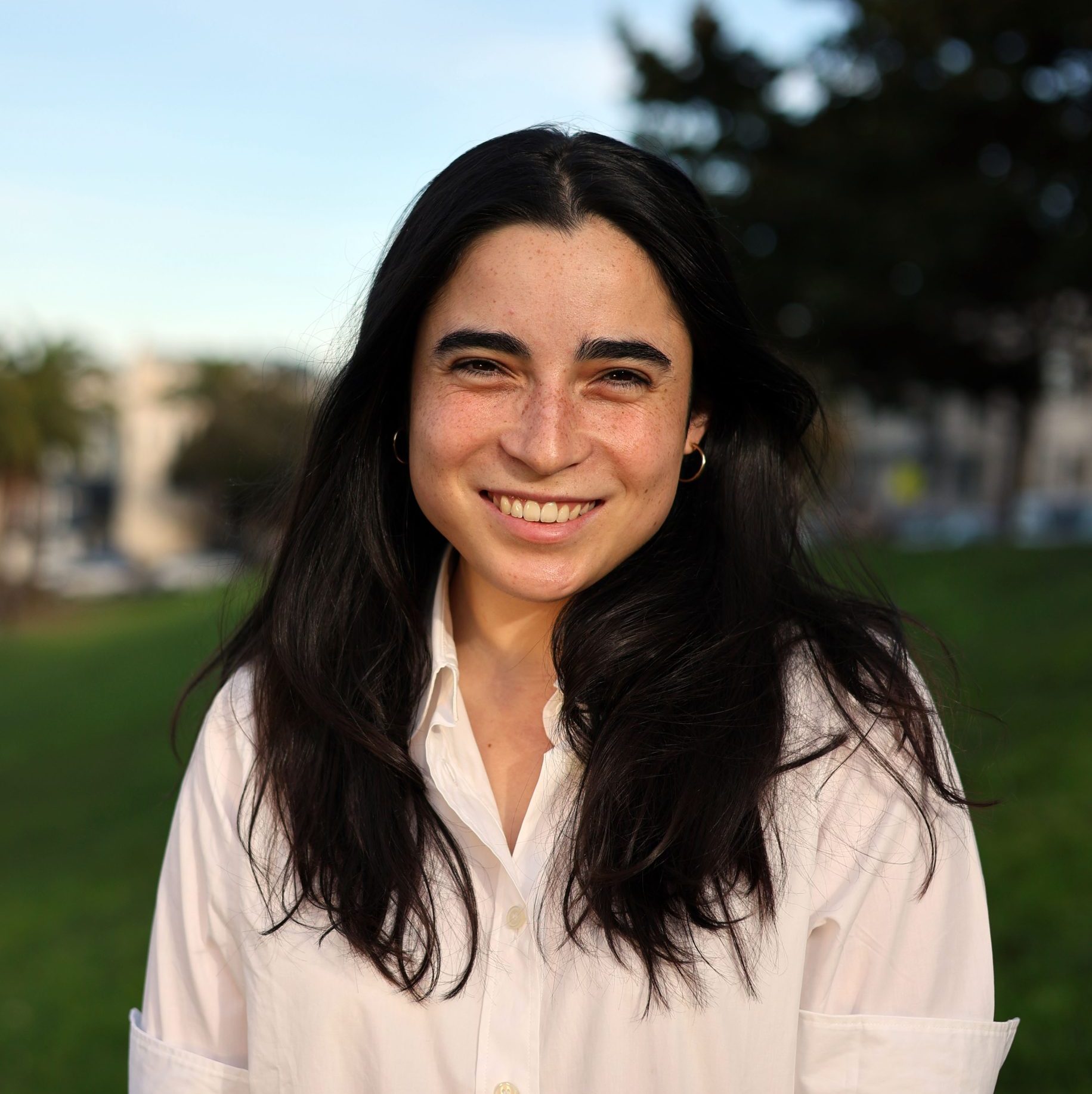

In our “Meet the Candidates” series, we are asking every supervisor candidate in the June 2, 2026 election one question each week. Candidates are asked to answer questions on policy, ideology, and more in 100 words or fewer.
Answers are published each week, but we are also archiving each answer on this page for District 2, to make it easier for voters to browse.
District 2 covers neighborhoods in the north of the city including the Presidio, the Marina, Cow Hollow, Pacific Heights, Presidio Heights, and portions of the Western Addition and North of the Panhandle.
Reach Io at io@missionlocal.com. Send in questions for the candidates, or just let her know what issues in District 2 matter most to you.
Here are the questions we’ve asked so far:
Mission Local color codes the answers to yes/no questions. A blue background means the candidate answered yes, an orange background means no, and a yellow background means that the candidate dodged the question.
Week 15: Do you support the current plan to clean up toxins in the Marina? It eliminates boat slips and a fuel dock at Gashouse Cove while converting the land into a park.

Lori Brooke
I support revitalizing the Marina through improvements to enhance safety, infrastructure, public spaces, and neighborhood livability. The Marina is one of San Francisco’s most treasured waterfront communities, and thoughtful investment is important.
Any major project must be transparent, environmentally responsible, and shaped through meaningful public input. Residents deserve clear information about impacts on flooding, traffic, parking, infrastructure, and public access.
I support independent environmental and soil safety review where contamination or liquefaction risks exist, strong protections for waterfront open space, and infrastructure upgrades that accompany development. We can strengthen the Marina without sacrificing the qualities that make it special.

Stephen Sherrill
The Marina improvement and remediation project is the result of two decades of negotiations between the City and PG&E. While I personally would like a better solution at the east harbor that reinstates boat access, the settlement dictates the terms of toxic remediation at that location — which ultimately lands us at the project we have today.
Meanwhile, I am prioritizing our public safety by ensuring our first responders have continued access to a fuel dock. I’ll keep leading that charge while ensuring boat access to the harbor and a Marina Green that is as beautiful as ever.
Week 14: Should San Francisco police use surveillance technology?
Stephen Sherrill
Yes. Over the past few years, San Francisco has used technology very well to address very specific problems.
Speed cameras have reduced speeding by about 80 percent at the city’s 33 camera sites, and car break-ins fell nearly 70 percent to a 22-year low after SFPD expanded tactics including license plate readers.
However, San Francisco’s ban on facial recognition must stay in place. Technology should protect families, pedestrians, and small businesses with oversight, transparency, and clear limits. We must consistently reevaluate technologies to ensure that they are delivering results and not infringing on civil liberties.

Lori Brooke
I support the thoughtful and targeted use of police surveillance technology when it improves public safety and helps solve serious crimes, particularly violent offenses, organized retail theft, and repeat criminal activity. Residents deserve to feel safe, and technology can be an important tool for law enforcement when used responsibly.
Public trust matters. Any surveillance technology should have clear oversight, transparency, and guardrails to protect civil liberties and prevent misuse. My approach is practical: if technology helps improve safety and accountability while respecting privacy rights, it can play an important role in making our neighborhoods safer.
Week 13: Do you support expanding bike lanes in District 2? If so, where?
Lori Brooke
I support safe and thoughtfully designed bike infrastructure where it improves safety and connectivity without disrupting neighborhood livability, transit, emergency access, or small businesses. Decisions should be made corridor by corridor with meaningful community input, not imposed on neighborhoods.
Safety and access for bicycles is necessary. I support targeted improvements where there are known safety concerns and need for better transit. We need to learn from past projects that created frustration because residents felt excluded from the process and safer transit was not delivered.
Bike lanes should prioritize safety and convenience for cyclists, pedestrians, transit riders, drivers, and businesses alike.
Stephen Sherrill
Yes. District 2 has gaps in the bike network, and closing them makes the whole city work better.
I’m working to prioritize east-west connectivity east of Clay and Webster, where the slow street ends and commuters lose protection heading downtown.
North-south, my office is pushing for protections along Webster to link Pacific Heights to the Marina, as well as finalizing the Arguello improvements already in motion. And finally, adding daylighting and intersection upgrades at the worst conflict points: Geary/Arguello, Geary/Masonic, Bay/Laguna, and we’d save lives.
Week 12: Do you support layoffs this budget cycle?
Stephen Sherrill
Layoffs should be a last resort. The Controller projects a $168.5 million shortfall next year and structural deficits topping $1 billion after that, so cuts are coming. But we should start by modernizing City Hall, eliminating duplicative departments, and reforming a contracting process plagued by costly delays and pay-to-play. That’s how you balance the budget without gutting core services.
If layoffs prove unavoidable, they should focus on administrative overhead rather than the frontline workers residents depend on, and any cuts must be targeted, transparent, and protect public safety and first responders.
Lori Brooke
While layoffs may be necessary at times, they should be a last resort. San Francisco’s budget challenges are real, but we need to fix how City Hall operates before cutting the people who deliver services.
That means auditing departments, consolidating duplicative programs, holding leadership accountable for results, and cutting vacant positions that are not critical.
Too often we fund programs without measuring outcomes, resulting in wasted funds. If we make real reforms, we can avoid layoffs. If not, we have to be honest that everything is on the table.
My priority is protecting workers and essential services while addressing inefficiencies.
Week 11: Where should S.F. build new housing?

Lori Brooke
San Francisco should prioritize new housing in neighborhoods with strong transit, underutilized commercial areas, larger parcels, and infrastructure that can support growth. Housing should be matched with schools, parks, utilities, and public safety so we build complete communities.
Every neighborhood should contribute, but not every neighborhood will be able to absorb the same scale of growth. Some areas have added housing for more than a century and are already among the denser parts of the city.
We should also ensure that new developments are prioritizing housing that is affordable for families, seniors, our working class and the next generation.

Stephen Sherrill
San Francisco needs more housing in every neighborhood. Since 2005, well-resourced neighborhoods in the north and west sides have produced only about 10 percent of the city’s new housing, despite making up over 50 percent of residential land.
I’ve supported a variety of housing projects throughout District 2, including an affordable, teacher-focused development at 750 Golden Gate; new housing for formerly homeless veterans on Van Ness; hundreds of new homes at 3333 and 3700 California; senior housing in the Marina; and more.
Downtown must be part of the answer too. It has the transit, jobs, and infrastructure to support much more housing.
See Sherrill’s full response here.
Week 10: Should more drug users be arrested?
Stephen Sherrill
The issue is not random arrests of drug users. The city is now arresting people for public fentanyl use and severe drug intoxication on the street, then taking them to the RESET Center instead of jail or an ER. I co-sponsored this legislation because it pairs enforcement with a medically supervised setting, a 24-hour sobering period, and a warm handoff to treatment. San Francisco will not accept open-air drug use as normal. This approach pairs accountability with a real path to recovery — that’s what the RESET Center is supposed to provide.
Lori Brooke
Safety and compassion both need to be part of the solution. The current situation, where people are suffering openly on our streets, is not working for anyone.
Enforcement can play a role in preventing harmful behavior and encouraging engagement with services, especially when help is repeatedly refused, causing unsafe conditions. But arrests alone won’t solve the problem.
We need a coordinated approach that includes clear expectations, consistent enforcement, and real pathways into treatment.
That means expanding interim housing, mental health care, and addiction services to lead those struggling into recovery. The goal should be getting people off the streets permanently.
Week 9: How should SFUSD students be assigned to schools?
Lori Brooke
When assigning schools to students, SFUSD should prioritize accessibility, strong education and ensure schools across the city are equally resourced.
I have heard complaints from many parents that they would like the option to walk their kids to school and not have to send them an hour across the city every day.
We can improve the selection process to ensure that students can choose a school in their neighborhood. Limiting travel time will also give kids one less thing to worry about and ensure that they are more focused on their education.
See Brooke’s full response here.
Stephen Sherrill
SFUSD should move to a simpler, more neighborhood-based assignment system. Families deserve a fair chance to attend a school closer to home, without a confusing citywide lottery or long commutes.
Assignment reform also has to be matched by a serious focus on school quality. In a district facing budget cuts and hard decisions about its footprint, resources should be concentrated so neighborhood schools can offer students the staffing, support, and academic programs they need. While the Board of Supervisors does not control SFUSD policy, I will continue to use this office to advocate for that approach.
See Sherrill’s full response here.
Week 8: Do you support legislation encouraging San Francisco to build “sober housing,” which would allow addicts who relapse to be evicted?
Stephen Sherrill
I co-sponsored this legislation, because I believe our permanent supportive housing stock needs to meet the needs of all unhoused individuals, including those who are recovering from substance-use disorder.
Housing is the biggest hurdle to helping stabilize unhoused individuals, but for those suffering from addiction, the wrong housing situation can exacerbate addiction issues and lead to an individual relapsing.
We need to make it city policy to prioritize housing opportunities that support individuals on the path to sobriety free from addiction, and this ordinance will accomplish this necessary goal.
Lori Brooke
I support the goal of making permanent supportive housing safe, stable, and recovery-oriented. Too often, these buildings struggle with open drug use and unsafe conditions, which undermine outcomes for residents and neighbors alike.
I would consider Supervisor Matt Dorsey’s legislation if it is realistic, enforceable, and paired with access to treatment, mental health care, and strong case management. Simply declaring housing “drug-free” without support won’t work.
We need clear expectations, accountable operators, and real pathways to recovery, moving away from a system that warehouses people toward one that prioritizes stability, safety, and long-term success.
Week 7: Should politicians oppose housing that blocks views?
Lori Brooke
Yes. San Francisco is known for its iconic views and sightlines that help drive our economy, attract new residents and support tourism. While we cannot block housing just because it impacts views, we must ensure that we do not lose what makes our city so special.
We need planning that concentrates height and density in areas that work for our neighborhoods. What we’re seeing now is luxury projects that mostly serve speculative investors, developers, and the ultra wealthy, not real affordability needs. Our city should continue to grow, and create the housing we need without destroying the neighborhoods we love.

Stephen Sherrill
San Francisco needs more housing.
That’s why I worked so hard on — and supported — the Family Zoning Plan. I went parcel by parcel through the entire district with neighbors and communities to set clearer expectations about where new housing should go and what form it should take.
That is where community input belongs. With those rules now set, elected officials need to focus on lowering the cost of construction so that we can build the housing we desperately need, instead of trying to re-litigate a thoughtful, forward-thinking plan.
Week 6: Do you support the measure to raise taxes on businesses?

Stephen Sherrill
I’m very concerned about Prop. D. We’ve already seen how San Francisco’s gross-receipts tax has contributed to closures of neighborhood-serving businesses like grocery stores and pharmacies, and we need to be careful not to accelerate that trend.
It could also undermine downtown recovery and make us less competitive with nearby cities.
We just passed Prop. M in 2024, and I don’t think it’s good policy to revisit major tax changes so quickly. I’m more open to Prop. C, given its small-business focus, but overall I believe we need to maintain a more thoughtful, long-term approach to tax policy.

Lori Brooke
I understand the intent behind Proposition D to generate additional revenue, but I have concerns about significantly increasing business taxes while San Francisco is still recovering economically.
We need to be careful not to discourage investment or job growth. My focus is on finding a balanced approach that protects essential services, supports working people, and ensures long-term economic stability for San Francisco without creating unintended economic impacts.
Week 5: Did polling showing 58 percent support, 37 opposition to the Marina Safeway housing proposal change your opposition to the project?

Lori Brooke
[GrowSF, who commissioned the poll from reputable pollster FM3] is an outside interest group with their own agenda. Its polls can’t be trusted any more than the tech billionaires and gun-industry-aligned Republicans who are funding their independent expenditure supporting my opponent.
D2 residents want housing at all levels, not just luxury units. These projects should create homes that are affordable, while ensuring we are prioritizing our neighborhoods and adding needed infrastructure.
The Marina Safeway delivers none of that. My opponent says he opposes this development, but is supported by the politicians and interest groups pushing this project and state laws that will cause more like it.
Stephen Sherrill
Polls are insightful — and so are the conversations I’ve had with thousands of residents and neighbors. I made it clear that I welcome new housing in District 2 when I supported the Family Zoning Plan, but the proposed skyscraper is astronomically out of scale with the rest of the neighborhood.
The developers are also unwilling to provide some level of grocery and pharmacy access to the families and seniors who really depend on it.
I’ve brought the developers to the negotiating table for a better project, and will continue to fight against it until there’s a more practical solution.
Week 4: Should it be easier to plant and remove trees?

Stephen Sherrill
I think it’s a good idea to make homeowners’ lives a bit easier (not to mention less expensive!), but I want to make sure the final legislation includes amendments that preserve neighborhood input and maintain a clear appeals process.
Right now, homeowners pursuing small projects are often responsible for planting and maintaining street trees, and compliance can be frustrating and inconsistent.
In the long run, it also makes more sense for the City to plan and manage street-tree planting strategically, rather than placing that burden on individual property owners.
See Sherrill’s full response here.
Lori Brooke
I support expanding San Francisco’s urban-tree canopy and making it easier to plant and maintain trees.
Since the city now maintains sidewalk trees, they are part of our shared public space, and decisions about them should be transparent. There may be situations where a tree creates safety concerns or infrastructure conflicts that require removal, but neighbors should still receive notice when that happens.
I also believe we should be cautious about allowing developers to pay an in-lieu fee instead of replacing trees on site. Our goal should be to strengthen the city’s urban forest, not simply shift it elsewhere.
See Brooke’s full response here.
Week 3: Should S.F. take over PG&E?

Lori Brooke
We need to modernize and improve our city’s power grid to lower costs and stop the type of outages that recently caused a lot of harm to residents and small businesses. I support the idea of public power, but I want to first ensure that residents trust our city’s ability to handle the management of a critical infrastructure.
San Franciscans want results now, and redoing our whole system does not produce anything immediate. I will focus on holding PG&E accountable and helping residents and businesses get compensated for recent damages, and work to lower rates while improving services.

Stephen Sherrill
San Francisco should pursue any option that improves reliability, affordability and accountability for residents — including, but not limited to, acquiring PG&E’s local infrastructure if it demonstrably delivers better outcomes.
San Franciscans and Californians have seen firsthand the consequences of utility mismanagement, from wildfires to blackouts. As climate change intensifies, resilient and well-maintained power systems are critical for public safety, small businesses, and emergency response.
I support continued evaluation of municipalization efforts, provided they are fiscally responsible and transparent.
My focus is simple: Hold utilities accountable and back whichever model delivers the most reliable, high-quality service while reducing utility rates.
Week 2: Should S.F. increase taxes to fund Muni?
Stephen Sherrill
I support the Muni parcel tax because robust, reliable transit is essential to San Francisco’s everyday needs and long-term success.
This isn’t a nice-to-have. This is about preventing deep, deep cuts that would hurt working families, seniors, small businesses, kids getting to school, and our downtown economy.
Healthy Muni benefits everyone: Riders, drivers, everyone. Every rider is one less car on the street or competitor for a parking spot. It’s good for the economy, for the environment, and for the future of San Francisco.
Lori Brooke
A lot of residents are concerned that SFMTA has wasted funds on many high-salaried positions and unpopular projects, instead of investing in drivers and strengthening transit lines.
Residents do not want to have their taxes increased, because they have lost trust in how funds are being spent. I also do not think a parcel tax will solve all of our problems. We need to take a serious look at how this money is being spent and make cuts that do not affect the riders.
We must continue to fund and improve transit while ensuring fiscal responsibility.
See Brooke’s full response here.
Week 1: What’s your No. 1 priority?
Lori Brooke
My No. 1 issue is safe and clean streets. That is the foundation of quality of life in District 2. If residents don’t feel safe walking to school and work, shopping on our commercial corridors, or coming home at night, nothing else matters. It also directly impacts our local businesses. When streets feel unsafe or dirty, customers stop coming and local shops suffer.
As Supervisor, I will focus on visible enforcement and real accountability when the law is broken.
District 2 deserves a city that works, safe and clean streets that support residents and businesses will be my daily focus.
See Brooke’s full response here.
Stephen Sherrill
My number one priority is ending the fentanyl crisis that continues to take lives and destabilize neighborhoods across San Francisco.
Over the past year, I’ve supported stronger coordination between SFPD, Fire/EMS, and Public Health, prioritized emergency responses near schools and parks, and backed efforts to dismantle organized drug markets.
But enforcement alone isn’t enough. We need more detox and residential treatment beds, expanded sub-acute mental health capacity, and stronger long-term recovery options, including sober living. We must make it easier to enter treatment immediately and create clearer pathways for intervention when someone is repeatedly overdosing.
Candidates are ordered alphabetically and rotated each week. Answers may be lightly edited for formatting, spelling, and grammar. If you have questions for the candidates, please let us know at io@missionlocal.com.
You can register to vote via the sf.gov website. Illustrations for the series by Neil Ballard.

ask the candidates about the sorry state of our zoo….we’ve lost our elephants, we didn’t get the pandas and now our only 2 lions are leaving….in most cities of our size the zoo is a tourist attraction….we have nothing to see!
John —
For sure, but the zoo, at least the one with the animals, is not in District 2.
Best,
JE