
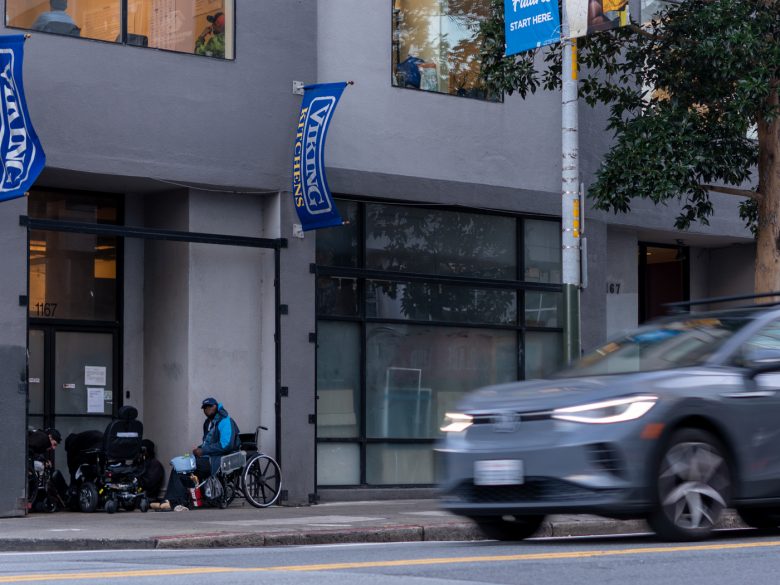

Two months after the lethal stabbing of a social worker at a San Francisco General Hospital clinic, seasoned healthcare workers say safety problems still remain at many of the city’s clinics.
Most of the dozen workers who spoke to Mission Local — including doctors, nurses, and counselors — asked to remain anonymous, saying they could lose their jobs for speaking to a reporter.
But as the city’s Department of Public Health follows Mayor Daniel Lurie’s directions to make cuts, healthcare workers wanted to make one thing clear: Safety in the city’s medical facilities requires more than just the presence of security personnel.
It requires widespread training in de-escalation, working with patients with complex needs, and crisis response, they said. These programs are on the chopping block.
“If the clinic is a brick, they are the mortar,” a veteran practitioner said of community providers.
The Department of Public Health has proposed cutting $17 million from contracts with community groups. To avoid direct cuts to services, the biggest portion of those cuts, $6 million, is likely to come from staff training programs.
That is a mistake, practitioners said: More and better security training is exactly what’s needed. Healthcare workers at clinics and community centers said they’ve already been asked to do more with less. Several reported feeling unsafe for the first time in more than 10 years of working for the city.
Six weapons, five days
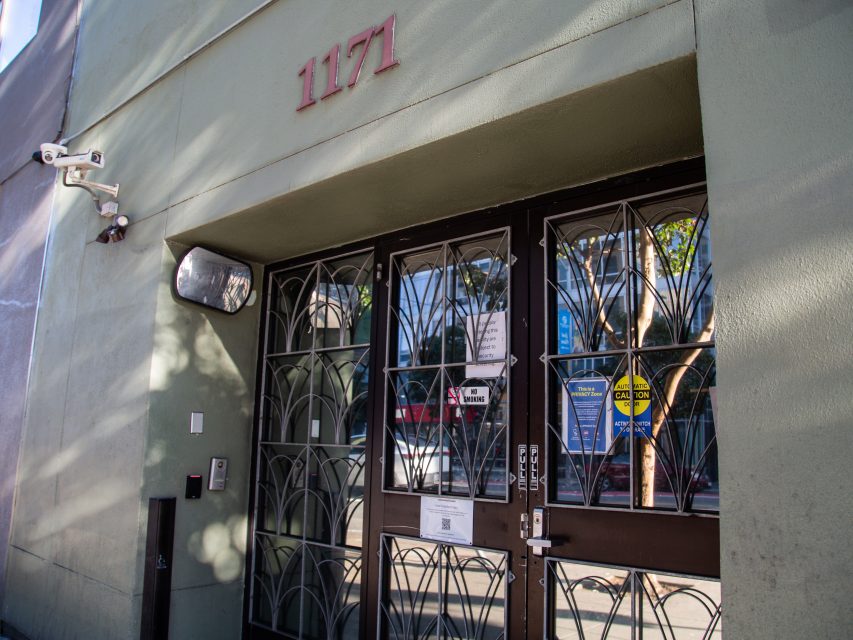
The day after Alberto Rangel, a 51-year-old social worker, was killed at San Francisco’s HIV clinic, staff at the Medical Respite & Sobering Center in the South of Market neighborhood held a meeting. In the five days prior, they had confiscated six weapons, including an ice pick and a samurai sword, a nurse recounted.
She wasn’t shocked by the weapons. Many clients carry them to make themselves feel safe, she said. She was heartbroken by Rangel’s killing, but that hadn’t surprised her either. Given the security holes at her own facility and the overwhelming flow of patients, she had felt “a death was coming.”
“I don’t always know the depths of someone’s mental illness,” she said. “I don’t have the time or the support to figure all of that out.”
San Francisco Department of Public Health staff work far beyond the General Hospital. The city offers a wide range of services at designated clinics, health centers, and medical programs everywhere from Chinatown to Bayview. It works with and funds groups that treat substance use disorder, behavioral health issues, and more.
These facilities, known as “safety nets,” are designed to be low-barrier. Their patients are often food-insecure, homeless and coping with trauma. Working with this population has never been easy, and experienced providers said learning to “de-escalate” conflicts is essential. So is clear communication about the city’s safety protocols.
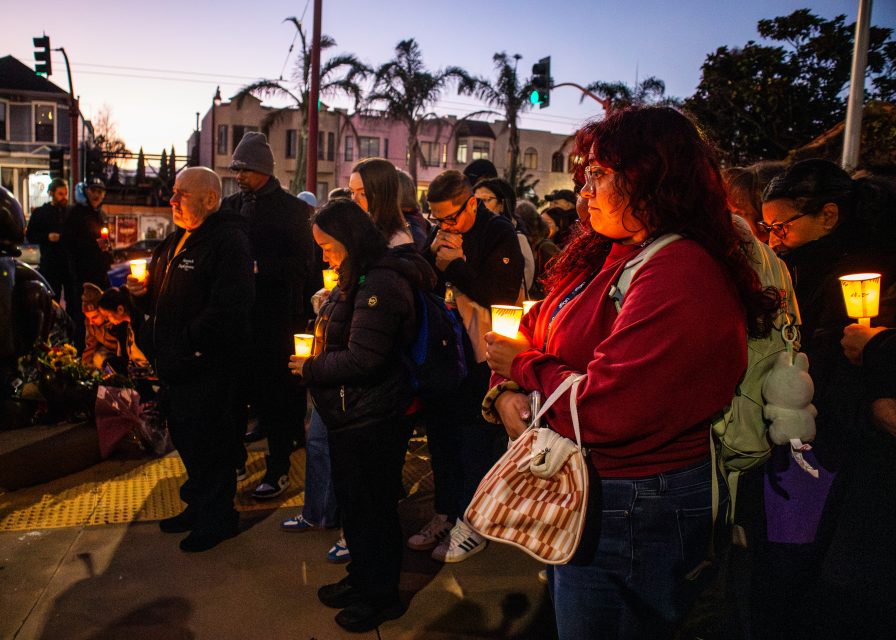
That was brought home by Rangel’s death on Dec. 4, 2025.
Rangel was an experienced professional; simply “the best,” his friends and colleagues said. They believe the city failed him by not having a plan in place to prevent a man who was a known threat from reaching him.
Community healthcare workers said they’ve been seeing more patients like Wilfred Tortolero Arriechi, the man accused of killing Rangel: People with multiple sets of needs. A patient might show up for a shot, wound care, or medication, and end up asking about behavioral health services, transportation and something to eat.
Patients seem more volatile these days, some nurses said. Giving care has become “more dangerous than it ever was.”
Not every healthcare worker who spoke with Mission Local said their on-the-job safety had gotten dramatically worse. But they could see why their colleagues might feel that way.
“I’ve never felt that employees matter less than they do now,” said one veteran practitioner.
Online saftey training supplants safety drills
Several staff said security training is lacking, especially for city contractors. There are few drills to teach new hires crisis response skills, they said. Instruction often takes the form of e-learning modules that have to be clicked through.
Workers described the environment in the city’s clinics and community centers as substantially different than a computer quiz.
For example, one social worker said: If someone starts yelling in the small facility where they work, agitation spreads rapidly among patients who are often packed “shoulder to shoulder” in the facility’s waiting area with their pets and their belongings. In these situations, a security guard must know how to push through the melee, speak calmly in response to threats, and never fight back.
The social worker felt that their clinic handles these situations well. But it handles them well, they said, because staff there have years of experience addressing such crises as a team.
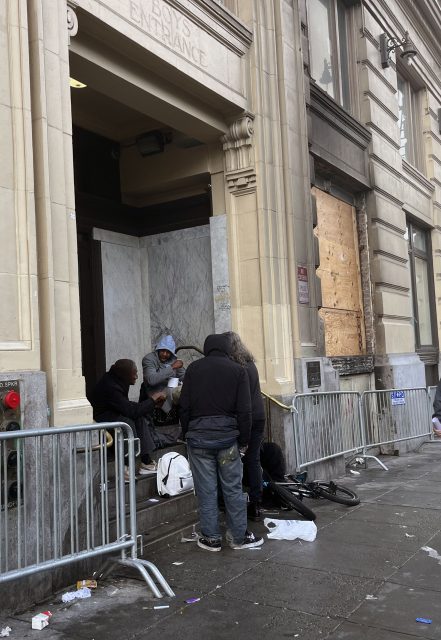
More deadly situations, though, are harder to prepare for. In over a decade, said the nurse at Medical Respite and Sobering Center, she’d never been told what to do if there was an active shooter on site. Once, she said, she did not leave the building for 16 hours because she was the only person on site trained to provide emergency medical care.
Once a week, her colleague guessed, clients fight and someone has to be escorted out. Incidents like these are often not reported, because staff have not been trained on how to file those reports.
Still, both felt that security at their center was “light years ahead” of others. This, they said, was thanks to the efforts of their managers, who paid out of pocket for screening wands, and a community group that helped install metal detectors before the city did.
“The city gets amazing people,” a veteran practitioner said. “But it does not understand how to support a workforce.”
Nurses at San Francisco General Hospital complained for years that their safety concerns and demands for more robust security protocols were ignored. At the same time, they said community healthcare workers were left even more “naked.”
Veteran nurse Heather Bollinger compared security at the hospital to “Swiss cheese.” But, she said, the hospital is large enough that the presence of hundreds of staffers adds a level of safety that clinics lack.
Beyond General Hospital, safety changes rolled out more slowly
The “safety net” centers across the city are “the stepchildren of the Department of Public Health,” the Medical Respite & Sobering Center nurse said.
Security is getting better at some locations, she added. “But it’s not consistent.” For instance, security guards at one clinic may be trained to station themselves at the entrance, while those at another are told to patrol the block.
Since Rangel’s death, the city has been tightening security. The Department of Public Health has installed weapons detection systems, security cameras and badge readers. It has also hired additional security managers. Regular emails are sent to Department of Public Health staff detailing these and other improvements.
According to a Jan. 16 email sent to Department of Public Health staff, security guards were deployed to “10 previously uncovered clinical sites” and a “centralized threat escalation process” was launched.
“This builds on efforts to create a balanced program focused on prevention, response and de-escalation,” the email said.
It also gave staff information on who to call if they have a safety concern, in order “to reduce confusion and ensure faster, more consistent responses.” A Jan. 23 email announced that panic buttons in the clinics were tested.
In a Feb. 13 statement, a spokesperson for the San Francisco Department of Public Health wrote that a “100-person team of DPH and University of California San Francisco staff” has been working since December to make “significant investments in workplace safety and security throughout its entire system of care.”
Those investments included “increased crisis prevention and response training,” according to the statement.
All facilities controlled by the Department of Health now have on-site security, it continued, and there are formal threat-escalation protocols in place for all staff.
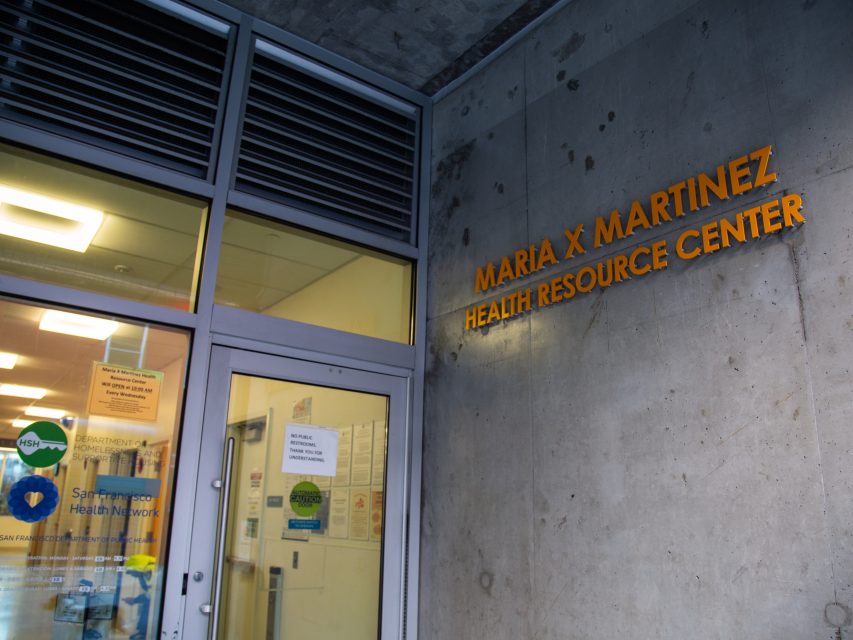
But, according to a Department of Public Health employee, there is no centralized team thinking about safety protocols for community providers in the way that there is for the general hospital. Complicating the matter is the variety of places where public health staff work; not all of them are owned by the city.
The city has not resolved the root of the problem, the employee said. That would require training its influx of new hires to cope with the unique challenges of working in “safety net” facilities.
Without that preparation, they said, fixes like guards and metal detectors will only create a “false sense of security.”
“They are trying,” another employee added. But budget cuts are getting in the way, and the “stressed system is going to get more stressed.”
SF General went from very strict entry for many years to very liberal for years and just recently went strict again, this time including metal detectors.
The whole city is not safe, being littered with these same derelicts the clinic workers want protection from.
Just remember, our mayor could literally cover that 17M annually for a hundred years with his assets. (not that he should alone, but remember, there are a TON of people in this city with literally hundreds of millions in the bank – including pelosi – who made BANK over the last 20 years due to tax cuts and corporate bail-outs while WE cut back on all fronts)
These people OWE US, ESPECIALLY those who literally pay NO taxes by getting paid in Stock and then borrowing off their assets and only paying interest until they’re dead, bypassing capital gains and income tax for their entire lives.
You’re not entitled to anyone else’s earnings.
Nothing will change and certainly not improve as long as we continue to refuse to ask why does American society create so many broken people?
Or lump them in one places, like the Tenderloin or South of Market. Spread the misery around, the city.