


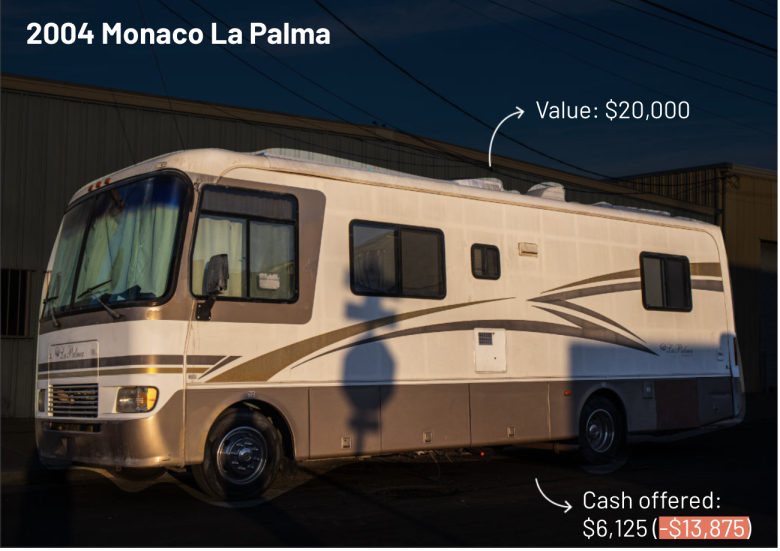

Within city limits of the most expensive rental market in the nation sit dozens of mobile homes.
Tucked between San Francisco’s warehouses and the southeast corner of the bay, those homes have become an affordable and private alternative to the housing market or congregate shelter for nearly 500 San Franciscans. At least, so far.
As Mayor Daniel Lurie’s RV ban goes into effect this winter, those residents face difficult choices: Leave San Francisco, or trade in their vehicles for an offer of subsidized housing from the city.
Those who could prove they had been living in their RVs within the city prior to a city-wide survey conducted last May and successfully obtained a temporary permit are eligible to sell their vehicle to the city for $175 per square linear foot, and the promise of access to subsidized housing.
That can be a good deal. Most of the RVs in San Francisco are decades-old used vehicles, many with duct tape plastered over missing windows, others rendered immobile, and may only be valued as junk metal.
But some are newly minted, lengthy camper-vans, often with multiple family members living inside, some of them small children.
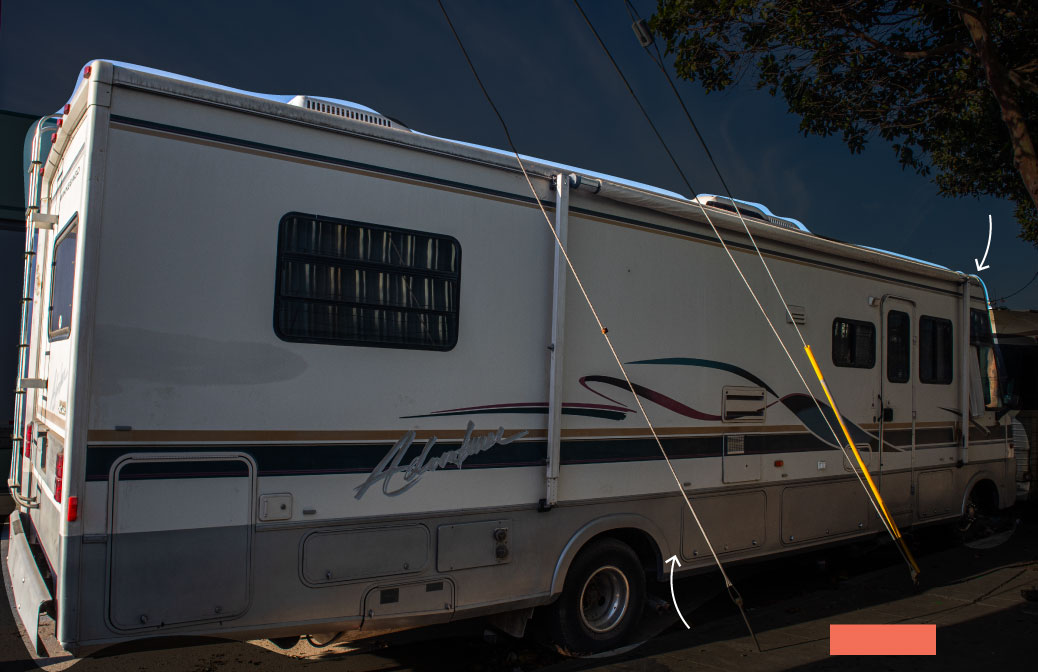
1999 Winnebago Adventurer
Value: $14,000
Cash offered:
$5,950 (-$8,050)
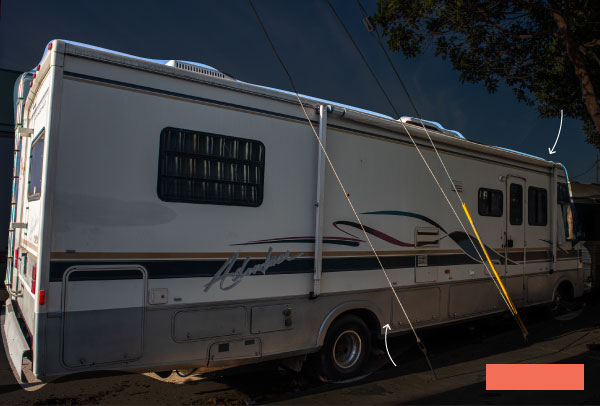
1999 Winnebago Adventurer
Value: $14,000
Cash offered:
$5,950 (-$8,050)
For those who inherited their vehicle, or are living in RVs that are broken down and immobile, the offer is a chance at subsidized housing that often has a waitlist hundreds of people long.
But for others, some of whom spent upward of $20,000 dollars on their vehicles, the city’s offer is not enough — especially when the limited-time housing subsidy runs out.
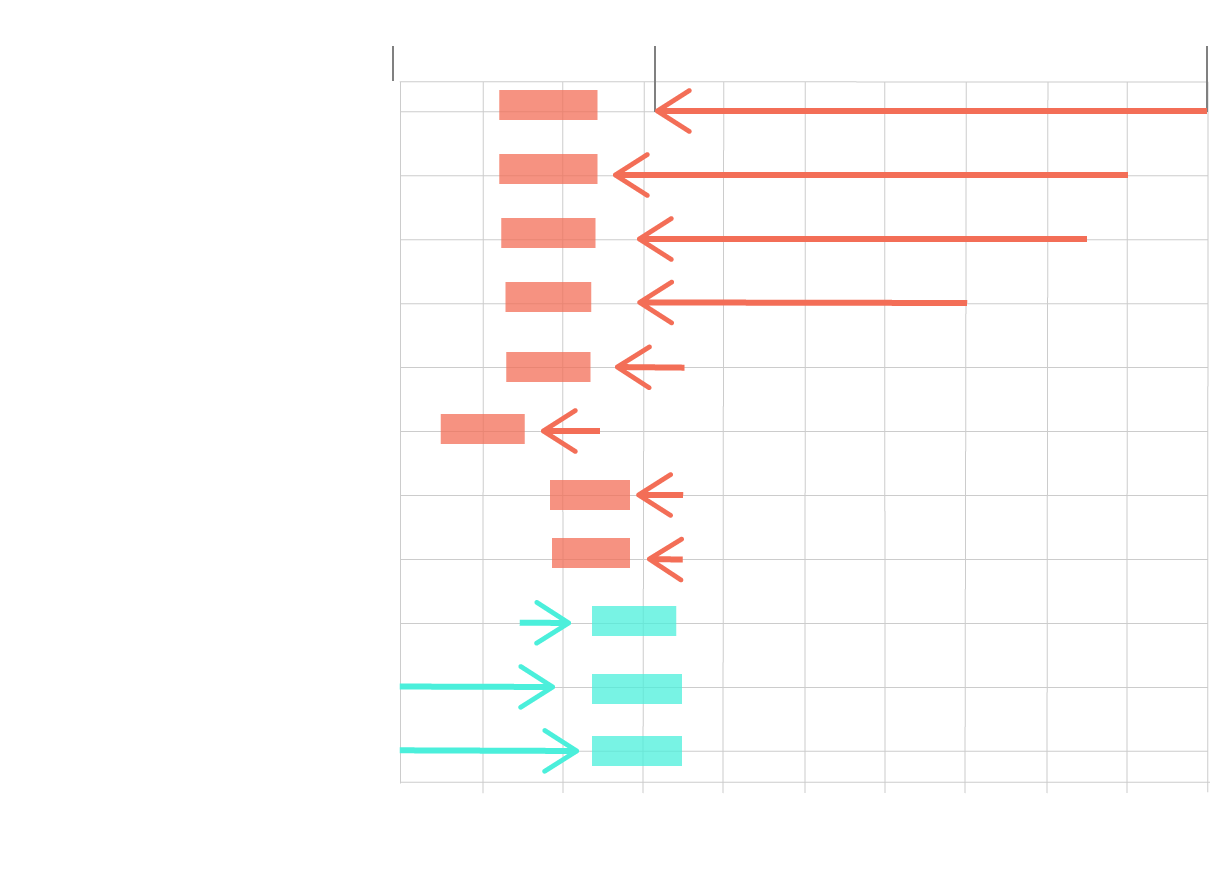
Mission Local surveyed over a dozen RVs parked across the city, comparing the amount offered by the city to the average price sold for the vehicle’s make and model.
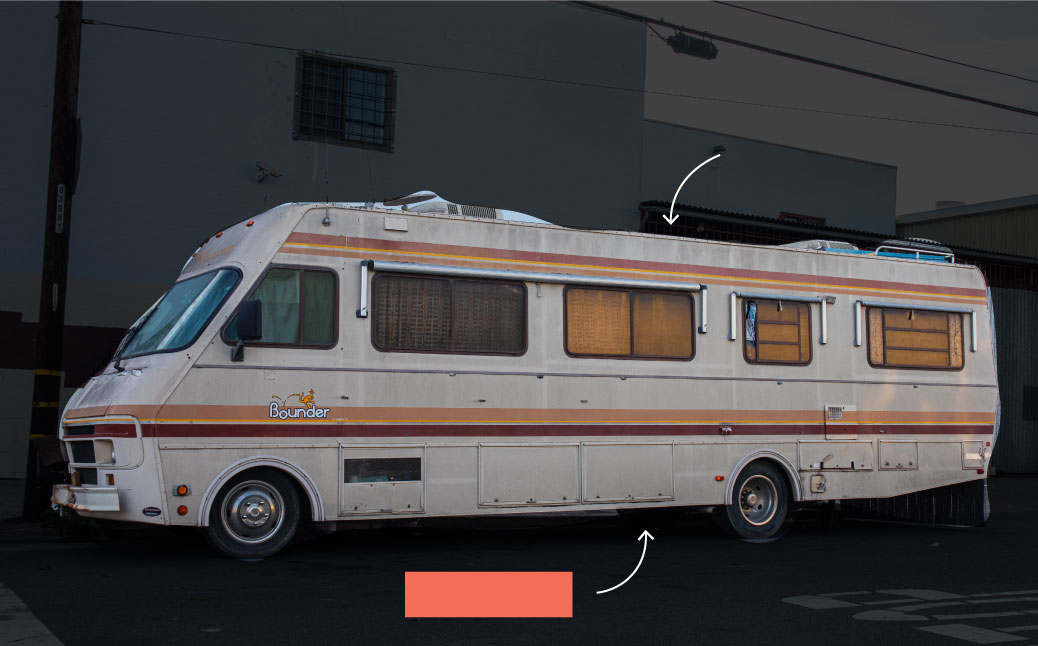
1987 Fleetwood Bounder
Value: $7,000
Cash offered: $5,950 (-$1,050)
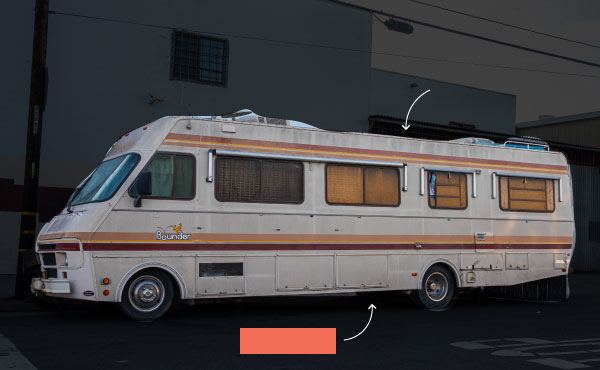
1987 Fleetwood Bounder
Value: $7,000
Cash offered: $5,950 (-$1,050)
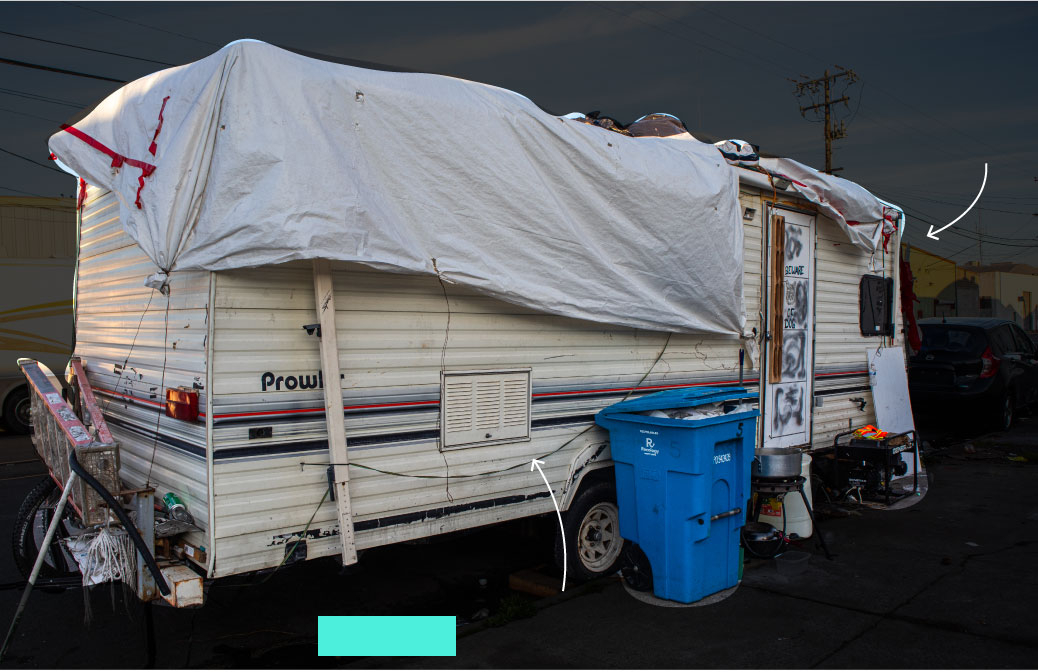
1989 Fleetwood Prowler
Value: $0
Cash offered: $4,375 (+$4,375)
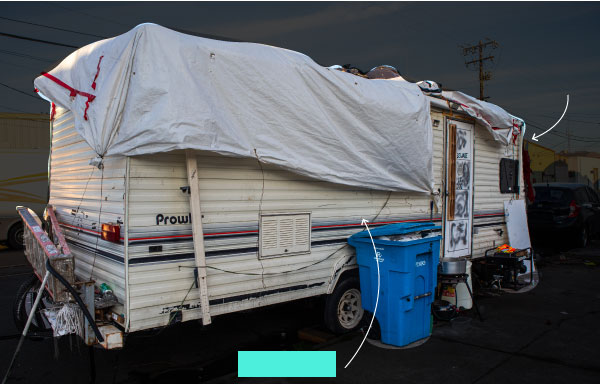
1989 Fleetwood Prowler
Value: $0
Cash offered: $4,375 (+$4,375)
Over half of those vehicles were worth thousands of dollars more than the city’s offer. But even those who paid roughly the same amount as the average price the city has offered for an RV, approximately $3,500, have reported that they have paid thousands more in upkeep.
The majority of RV users who spoke with Mission Local are employed in regular, low-paying jobs. They often bought RVs because it seemed, at the time, a cost-effective way of staying in the city. Many said they spent almost all of their savings on the purchases, or are still paying them off in monthly installments.
Many RV owners would lose money with S.F.’s cash back program
RV model
cash offered
RV value
-$13.9K
2000 Monaco La Palma
-$12.8K
2004 Carriage Cameo LXI
-$11.1K
1995 Damon Intruder
1999 Winnebago Adventurer
-$8.1K
1997 Gulf Stream Scenic Cruiser
-$1.8K
2004 Nomad Weekender
-$1.5K
1987 Fleetwood Bounder
-$1.1K
-$875
1993 Fleetwood Southwind
1995 Fleetwood Jamboree
+$1.2K
1985 Jayco*
+$3.7K
1989 Fleetwood Prowler*
+$4.4K
$2,000
$6,000
$10,000
$14,000
$18,000
*non-mobile
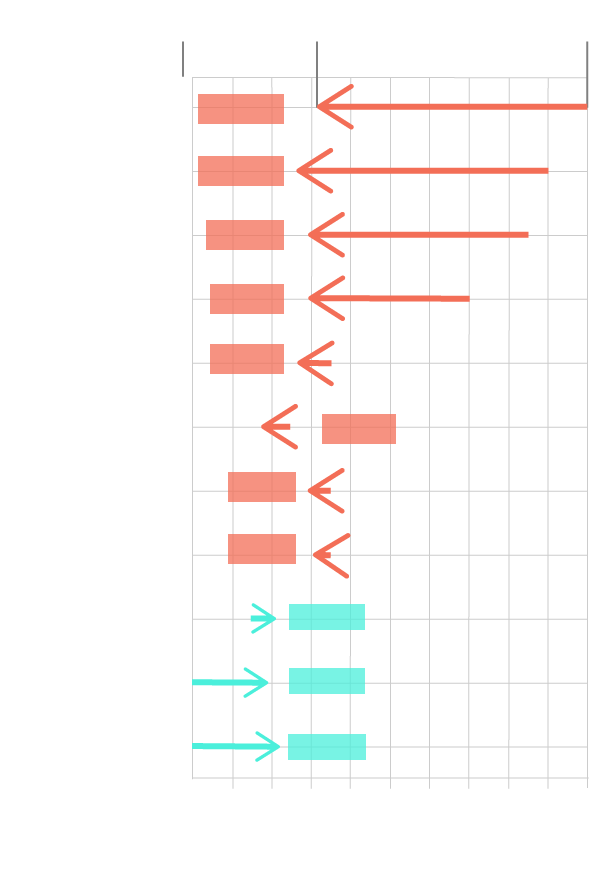
cash offered
RV value
RV model
2000 Monaco
La Palma
-$13.9K
2004 Carriage
Cameo LXI
-$12.8K
1995 Damon
Intruder
-$11.1K
1999 Winnebago
Adventurer
-$8.1K
1997 Gulf Stream
Scenic Cruiser
-$1.8K
2004 Nomad
Weekender
-$1.5K
1987 Fleetwood
Bounder
-$1.1K
1993 Fleetwood
Southwind
-$875
1995 Fleetwood
Jamboree
+$1.2K
1985 Jayco*
+$3.7K
1989 Fleetwood
Prowler*
+$4.4K
$2K
$6K
$10K
$14K
$18K
*non-mobile
Graphic by Kelly Waldron. Data based on reporting by Marina Newman and RV listing prices from RV Trader. The cash offered varies based on vehicle square footage.
The loss of potentially thousands of dollars, some said, would be a devastating hit as they try to find affordable housing in the city.
What do you mean by “value” in this article? If the value of an RV is what someone else will pay for it (the usual meaning), then anyone with a value higher than the city’s offer can get that value through a private sale. You also don’t address the “access to subsidized housing,” which seems important and also seems likely to have substantial value to anyone who receives it. By omitting these points, the article states that some RV owners “face difficult choices” without backing up that any of these choices are actually difficult. The article thus does those RV owners a disservice.
I’m actually ok with this one- it’s a classic asset trade-off. Let’s get the riskiest fire-prone really bad ones off of the street and if you have a nice one, at least you can drive it somewhere else? I can see also in cases where the under-market value is still worth it for the ability to escape the waitlist.
The city has been working on this for a while, it should not be coming as a surprise to anyone that their time is almost up. I am sorry you bought a busted down RV a year ago, but that doesn’t mean it needs to be parked on a public street in a major city. Take the offer of cash and the offer of housing assistance – or figure out how to leave the city in your vehicle, for somewhere more affordable. There are still RV/Trailer parks in this country. Just not in the city.
So much drama and attention surrounding a handful of folks who would have been rightfully and summarily booted out of town years ago anywhere else in the country.
In my 33 years in San Francisco, I have never once seen a small child come out of or go into a residential RV. They probably exist, but “often multiple family members living inside, some of them small children” doesn’t seem to reflect reality. Instead, it seems to be a pollyanna-ish romanticizing of the unhoused in SF. People living in RVs deserve our help and sympathy as they are, we don’t have to pretend they’re sad-eyed Margaret Keane characters. I also encourage you to check the condition of the RVs on SF streets. Make, model, and year are only part of the story of value.
Fwiw I definitely saw kids around the RVs on Winston near Stonestown. Can’t speak to other neighborhoods.
And children live in the RVs along the south side of Lake Merced too.
Once saw a beat up RV pull up in front of my house in Da Sunny Bayview. The door opened, and a small boy urinated onto the curb next to my street treee from inside the RV. Door closed, RV drove off.
I know people in desperate situations make difficult choices. But I can’t imagine how someone would empty out their savings or take out a substantial loan for a large vehicle like this, without a plan that consists of more than a wing and a prayer that that they’d be able to park it and dispose of their waste on public property indefinitely. If they don’t like the offer they’re getting from the City, I’d imagine a lot of the folks in this bucket still have operable vehicles and have hopefully been given enough time to make alternate plans to store them properly, or at least find another place where they might have more success parking under the radar .
It’s also a shame that the City of San Francisco couldn’t get it’s act together for that safe parking site that they pulled the plug on last year.
“But I can’t imagine how someone would empty out their savings or take out a substantial loan for a large vehicle like this, without a plan that consists of more than a wing and a prayer that that they’d be able to park it and dispose of their waste on public property indefinitely. ”
Um, because the other options are worse?
good riddance
Why wouldn’t you write about how this is a great program to get kids and families off the street and give them a more stable life. What a short-sighted and dangerous point of view from Mission Local.
tracking upkeep separately would be hard to verify, add admin cost, and lead to perverse incentives on cost and equity issues as folks get compensated different amounts for the same vehicle just based on their preferences for upkeep / ability to spend on it. the goal of the program is to reduce vehicular homelessness and prevent the RV from going back into the market, not financially compensate every possible participant for sunk costs and market value esp. if the vehicle is higher-end. those people would have better luck on the open market anyway. maybe getting half of the population to engage is enough, really depends on what the city considers the target for uptake or what kind of hard limit they have on housing placements (this could be a hard limit that makes the value point moot, who knows).
I don’t remember voting to spend tax dollars on buying RV’s,nor, the idiots thinking people are not allowed to own one either! people have a world wide right to live,and, these public servants crying about it. they make all kinds of rules,laws,&, ordinances that are against our rights,&they are hired to protect those rights, I don’t see where they think they can waste more tax dollars buying RV’s and offering their unaffordable housing.the people who live,or own an RV ARE tax payers who pay their wages. don’t forget that,also, find a solution,instead of creating more of a problem. find a solution,that’s why we vote these idiots in office?? so they can say you can’t have or possess an RV? fix the wages,to an amount that can pay the bills.
I live in an rv so allow me to clear a few things up for those that have so many opinions on the people that live in them, but don’t know or haven’t had interactions with any of “those people” that live in rv’s. First and foremost, yes, there are many rv’s that are occupied by families with small children. The rv parked in front of us have a 3 year old son, and I’ve met plenty of people that live with their children in their rv’s. Second, the city received a large amount of money to set up a safe parking location for rv’s. Maybe people should be asking London Breed where the hell that money went instead of bashing people that are struggling already. Third, yes there are more rv’s than ever in the city. That much is true. But ask yourself why that is. It’s not because a whole lot of people got lazy and didn’t want to work all o the sudden. COVID hit many families hard. Many people couldn’t work for YEARS and lost everything, including their Housing. Housing prices in the city are astronomical and if you were already struggling, COVID was the last nail in the coffin. Additionally, many people doing the complaining about the rv’s are new additions to our fair city. I have lived in San Francisco since the day I was born and have watched in disgust as all the people and businesses that made SF what it is (tourists destination known for it’s progressive politics and cultural diversity) being priced out of the city they both love and helped create. I’d also like to mention that many of the people come to our city for services to the point that people who are native residents have trouble qualifying for them. There are a lot of preconceived notions of who people in trailers are. I am gainfully employed, am a full time student and a contributing member of society. You wouldn’t know that I lived in a trailer and was homeless unless I told you so. I’m not a degenerate criminal, filthy, or content to be homeless and refusing services. I have been told that I don’t qualify for housing services for over ten years while I have watched people who have just arrived here get affordable housing within a few months. I say all of this to request that people do their research before spouting off with their opinions on the subject. Take some time to actually inform your opinion so your words don’t end up making you look like an entitled jack*ss. Thank you.
If you have been asking for housing services for ten years, maybe you should graduate already and find a job in a city that will pay you a living wage. Health reason are why the cities do not allow residents to live in rvs on the street. You are obviously smart and capable enough to get a legal roof over your head and you are choosing to be selfish by saying you deserve to live somewhere you cannot afford. Get real buddy.
” maybe you should graduate already and find a job in a city that will pay you a living wage.”
Which cities are those? Be specific. (Hint: MIT has a Living Wage Calculator.)
But aren’t you the one that one would describe as “entitled” ? You expect the city of San Francisco to provide you with a new furnished parking area?
Are you entitled to a new parking area if you’re born here?
I’m trying to be sympathetic but you take the all-too-typical attitude that newcomers are bad people and your city is changing for the worse because these terrible new people changed the character. Just stop with this nonsense. You’re playing into the hands of the real-estate oligarchs (who have bought and sold politicians like Aaron Peskin) who want you believe any city that evolves is bad. Well I have news for you: Even Paris which has a huge problem with entrenched privilege is way, way more dynamic and livable—and affordable on the fringes—than SF, a city the same physical size but only a third of the population. The point I’m trying to make is, you’ve been screwed by the real-estate elite who don’t want anything built, and you really should expect better from your supervisor, not pointing fingers at residents you don’t deem ‘native.’ And by the way, how old are you, anyway? If you’re merely 30 years old and someone is 70 and has only been here half their life, do you deem yourself more ‘native’ than they are? Do you know how dumb that sounds?
What’s the benefit of completely disrupting these people’s lives? Like, why are my taxes going to this. More parking? Someone please explain.
Less filth and disease in the streets is a public benefit. More parking is nice too.
These residents are allowed to sell their rv on The open market and get fair market value. This is left out of the article on purpose.
But with the ‘warm embrace of collectivism’, everyone’s pathologies are ’embraced’ too.