
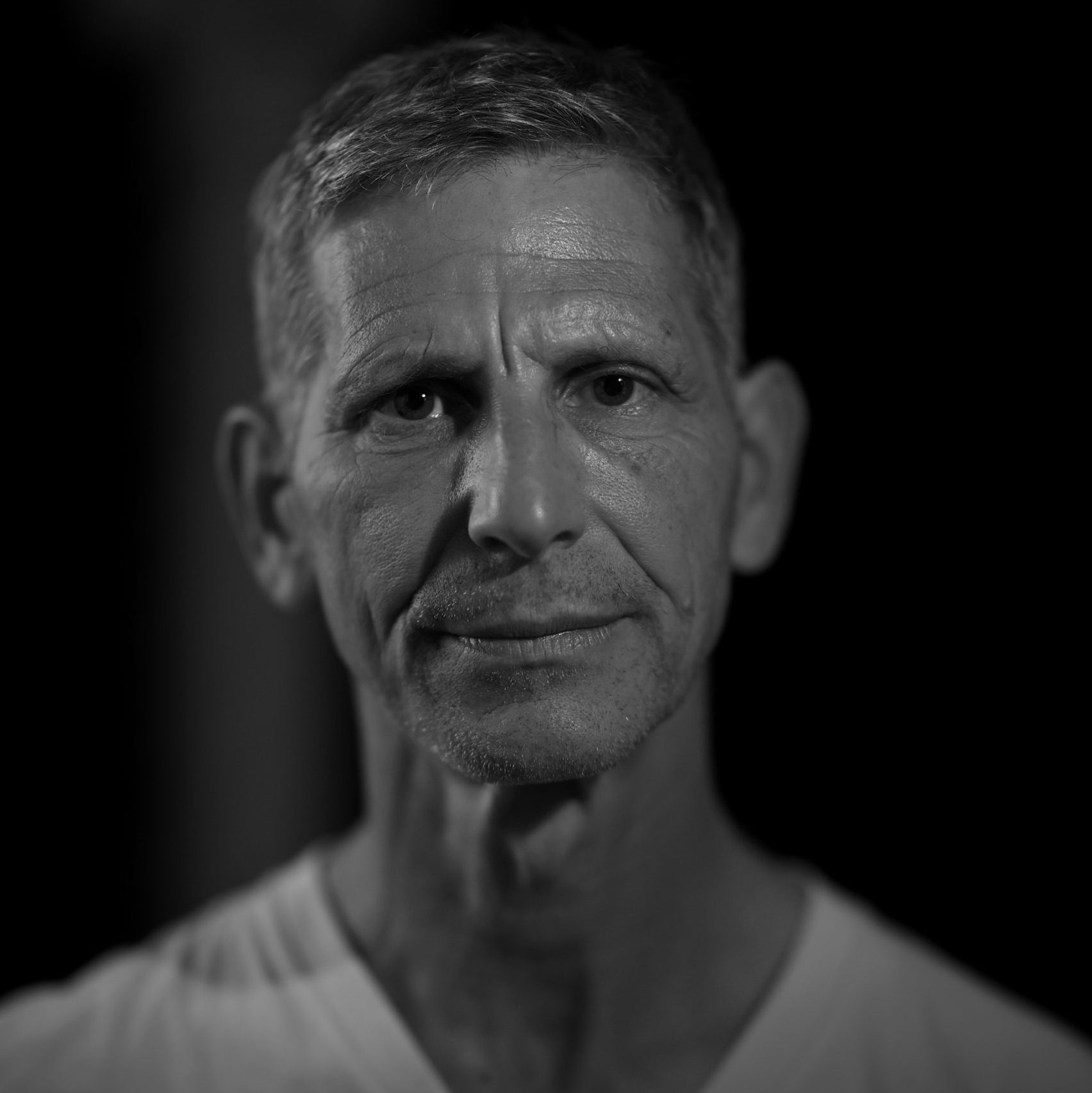
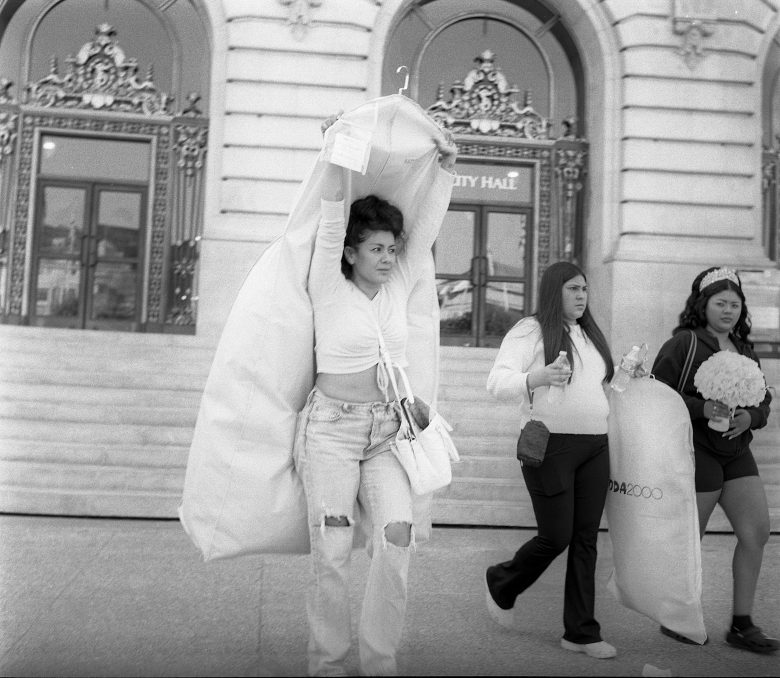

Long after it was home to wealthy German immigrants in the 1800s, and made way for gays in the 1960s, Polk Street has become a stretch that reflects all of San Francisco.
It runs south to north, from the mighty Market Street to the tony Union Street. Polk paves the way from civil government and the Tenderloin in the southern or lower stretch to the bustling shops and restaurants of northern or upper Polk and Russian Hill.
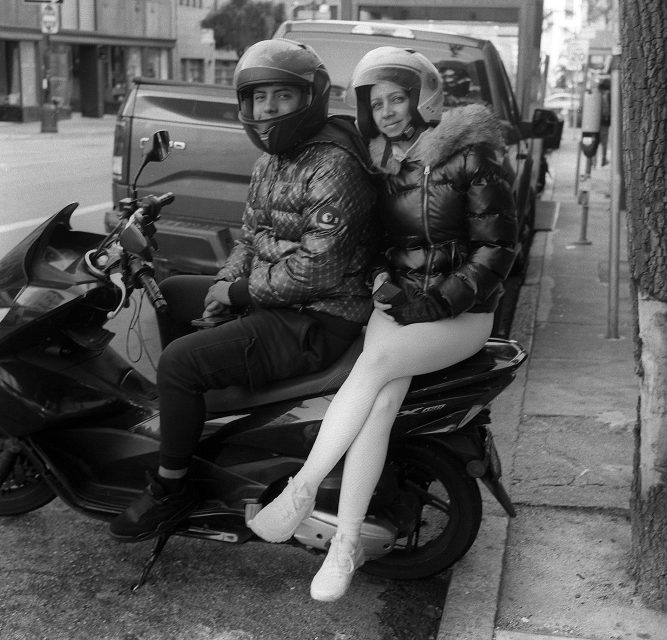
Midway between Post and Clay streets, or Polk Gulch, is a mix of the well-off and those who are just getting by.
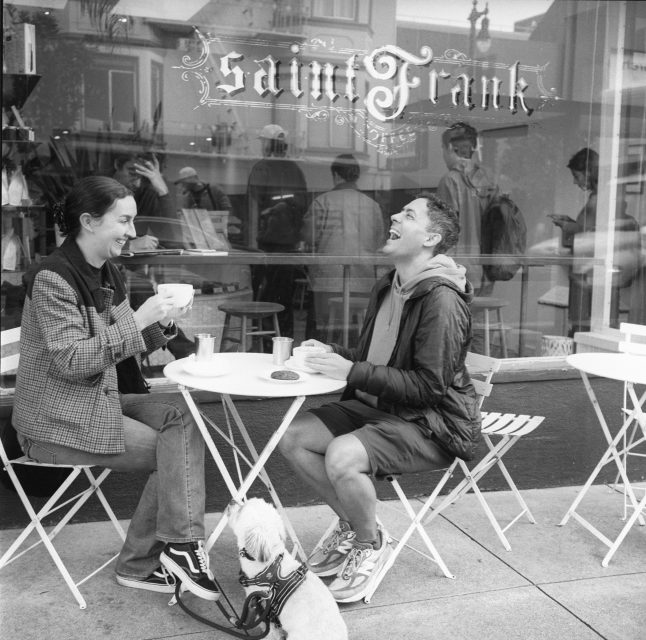
You can feel the transition from poor to rich by what people are eating, wearing, and doing. Takeout places seem more common in lower Polk, while taking time with an espresso is easier in upper Polk.
On lower Polk, those on the street seem less focused on fashion; people seem to be in work mode. On upper Polk, there’s a greater sense of play.
Lower Polk

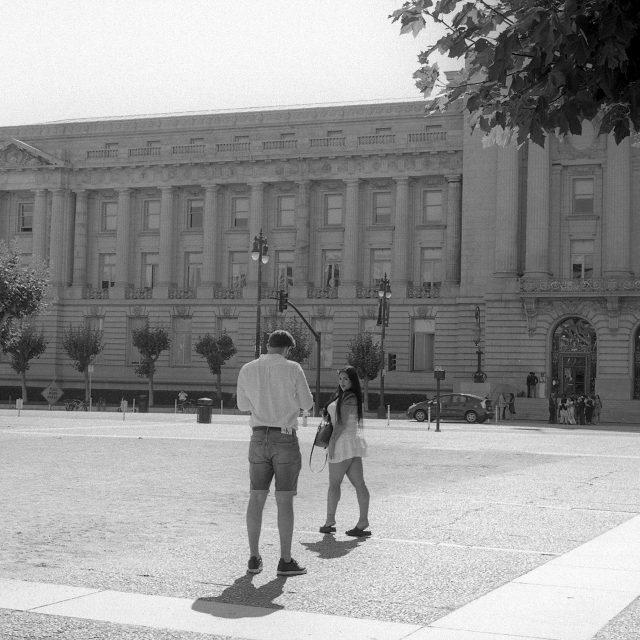
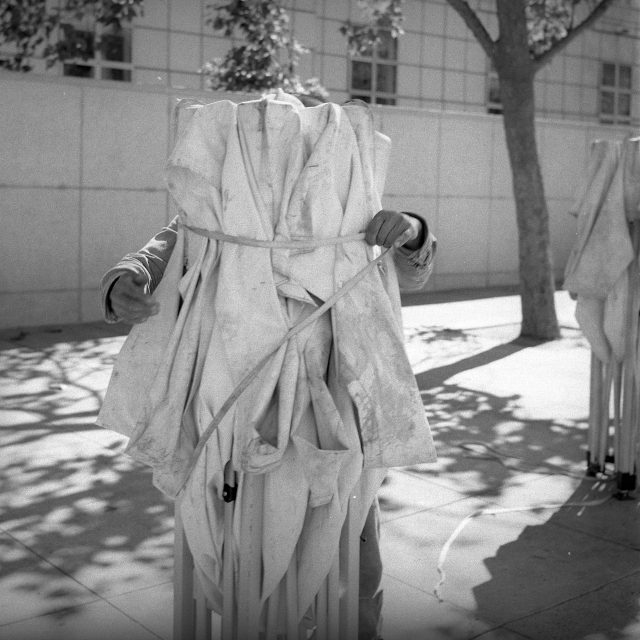
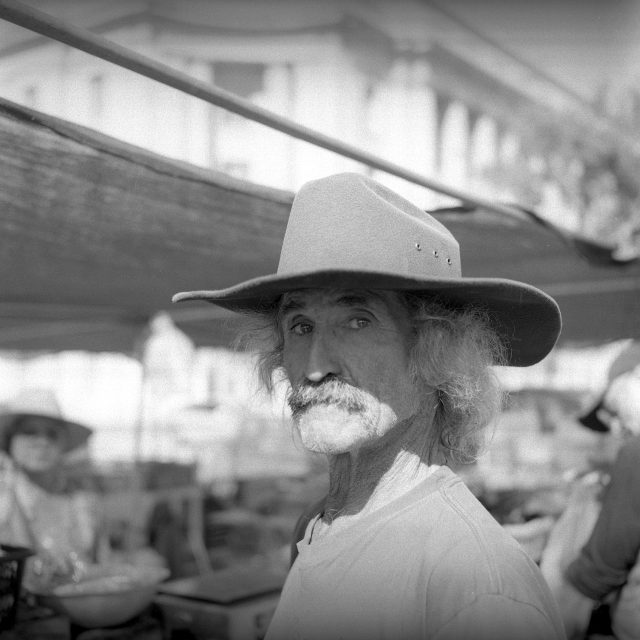
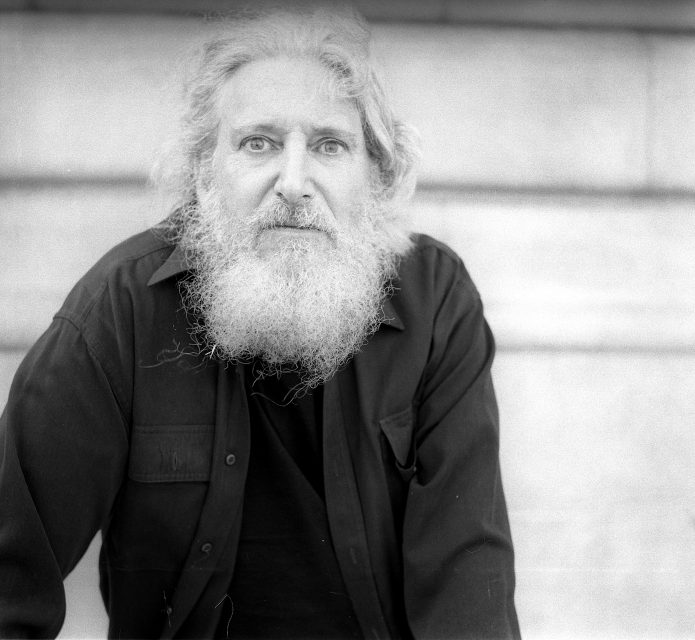
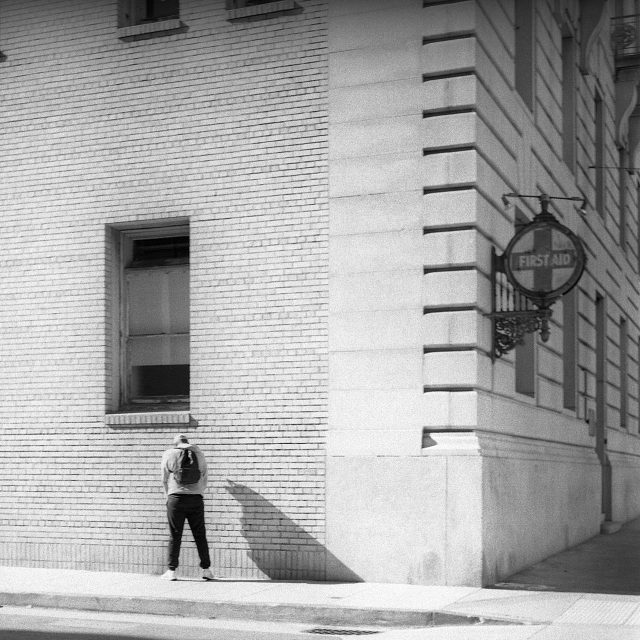
Middle Polk Street
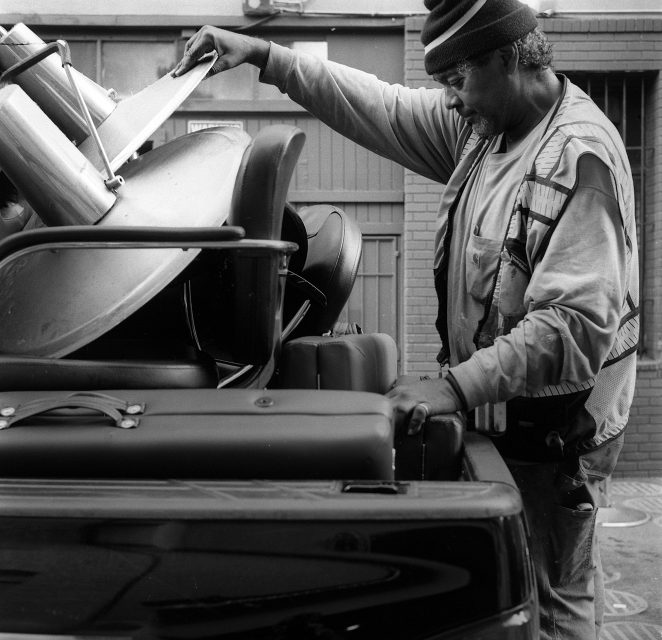
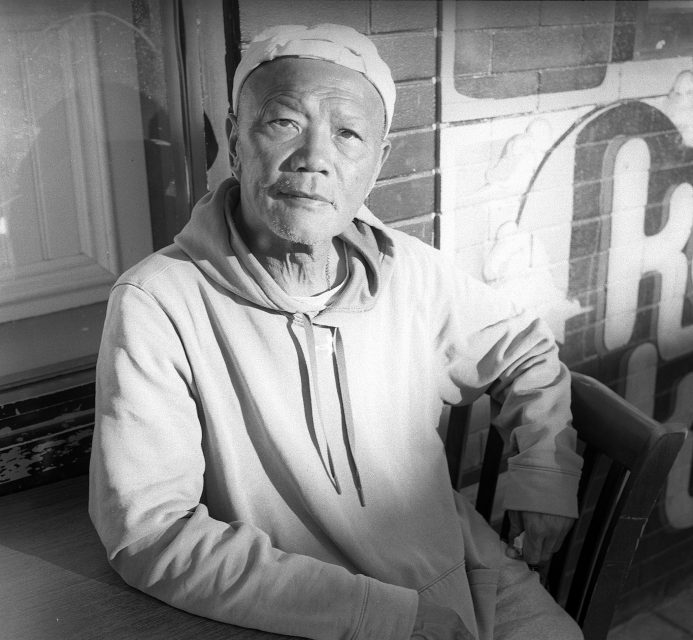
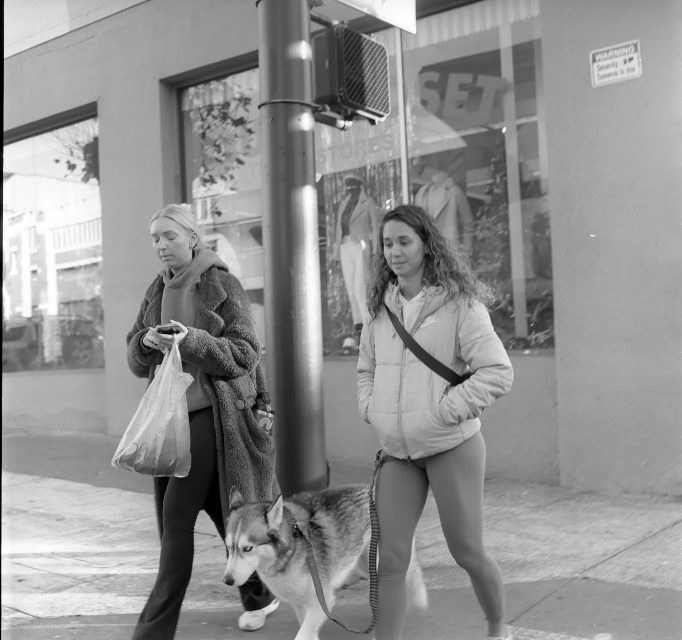
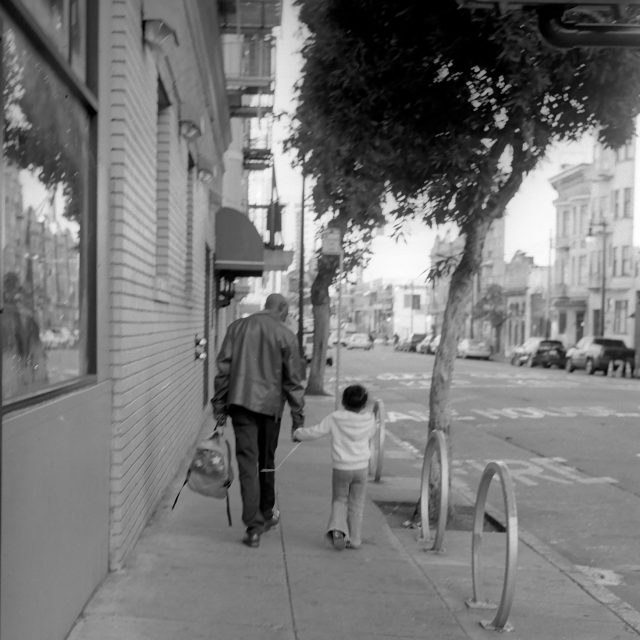
Upper Polk Street
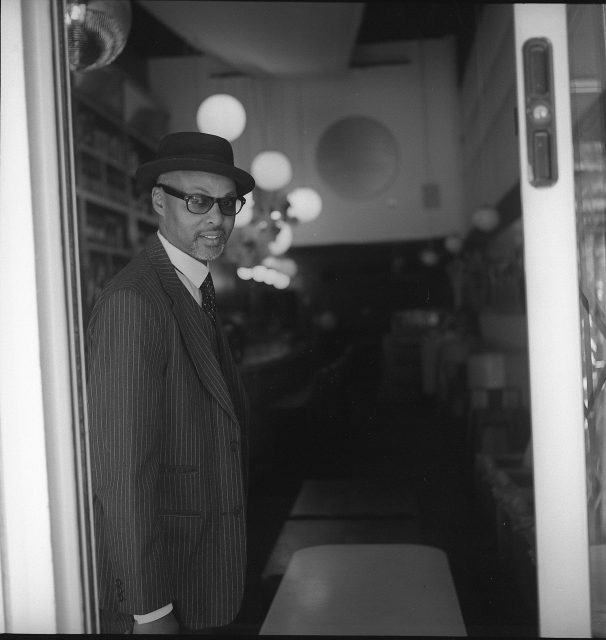
Correction on the picture of Tony Mellow. He is an “Agricultural Farmer”. He is also one of the last of the ORIGINAL Farmers who came to markets when there were hardly any at all. His stand has been at the Civic Center the longest. He is TRULY a pioneer in the Farmers Market industry. Rain or shine he is there!
The vibe of Polk street is captured really well here. Did you find any hidden gems while shooting?
Amelie is pretty nice if you enjoy a lively and relatively unpretentious wine bar environment. Tasty food, pretty extensive wine list, apparent recent arrivals from francosphere waiting tables whenever I have gone…
Thanks for the photos
Would be great if you would also include or do an article about the longstanding drug dens from cedar to ellis along polk
Alleyways are full of addicts still
Where are the nonprofits Police and dept of public health
This would be an example of someone I’d suspect answers polls.