


In a midnight decision city officials are calling “absurd,” San Francisco youth and family nonprofit Collective Impact, which was accused of corruption and bribery, emerged triumphant after a series of four hearings, its ability to receive public dollars restored.
But the city attorney’s office is lambasting what it calls a highly irregular move.
Administrative law judge Andrea McGary, who was presiding over a case to decide if Collective Impact could receive city contracts, cleared the nonprofit at around midnight Wednesday, just a few hours after she had requested “critical” information regarding the case.
McGary then made her decision before receiving that information, and days before the deadline she had set for the city and Collective Impact to send it.
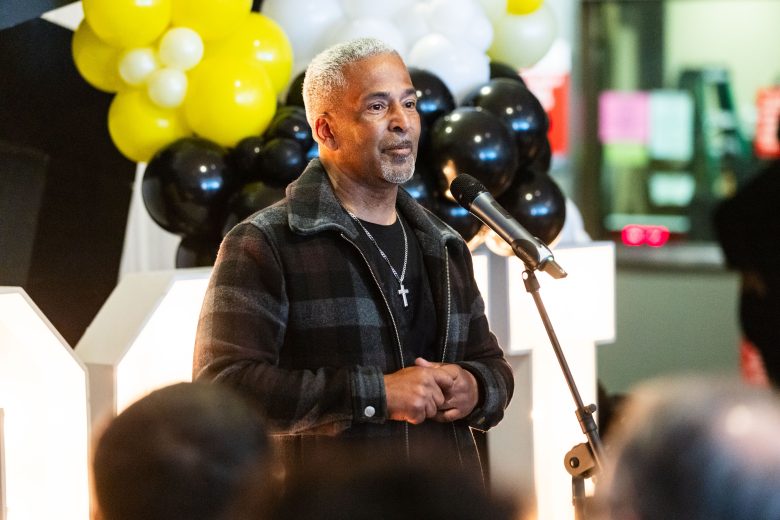
Collective Impact’s director, James Spingola, is facing a probe regarding his ties to former Human Rights Commission head Sheryl Davis — the woman at the heart of a corruption scandal that unfolded last year after she was discovered to have spent millions on questionable expenses, including trips to Martha’s Vineyard.
Part of that spending was paid for by Collective Impact. Spingola, its director, was living with Davis at the time, and received up to $1.5 million in grants from 2021 to 2022, the city found. This living situation was not disclosed to the city.
On Thursday, hours after the favorable decision for Collective Impact, Spingola announced he is stepping down, citing the scandal’s impact on his health.
“We are deeply gratified by today’s decision, which acknowledges that the accusations against Collective Impact were speculative and unsupported by the evidence,” read a statement from Collective Impact, emailed by Spingola.
“Today’s decision brings mixed emotions. While we are grateful to be vindicated, the process has taken a significant personal toll.”
The questionable spending was just one of many issues that emerged in a broad scandal regarding the administration of the city’s Dreamkeeper Initiative, a three-year-long program aimed at allocating $60 million to the city’s African American community.
The initiative was under the aegis of Davis at the Human Rights Commission, but has since unraveled: Subsequent audits have revealed at least $4.6 million was misallocated or misspent. Some of these prohibited purchases involved Collective Impact.
In her decision, McGary said that the Western Addition-based nonprofit would, at least for now, regain its ability to receive city contracts.
This is the first major decision in the over a year-long scandal that has rocked Collective Impact and the Human Rights Commission. The Human Rights Commission has since lost approximately $28 million in funding.
The city attorney’s office first suspended Collective Impact from receiving public funding in March, and intended to debar the nonprofit, meaning it would be unable to receive public funds for a maximum of five years.
The city attorney is planning to appeal following last night’s ruling, and the nonprofit may yet lose its ability to receive public dollars after all.
McGary’s conduct may play a major role in their appeal.
‘Critical’ information requested 3 hours before decision was made
According to an order shared with Mission Local, McGary, who was selected to adjudicate this case by the city controller’s office from a pool of other hearing officers, requested information about Collective Impact at 8:59 p.m. on Wednesday night.
The information, she wrote, was “critical” to issuing a decision. She gave Collective Impact and the city attorney’s office until noon on Friday, Oct. 10, to provide information disclosing whether there have been any civil or criminal lawsuits filed against the nonprofit.
That information was never submitted. City attorney spokesperson Jen Kwart decried McGary’s decision to reinstate Collective Impact’s ability to draw city money before she had received the “critical” information she’d asked for.
“This is quite out of the ordinary,” said Kwart, who added that this was not the first irregularity during the proceedings against Collective Impact. “The process laid out was really strange. This is not how other hearing officers would have handled this.”
Messages left to McGary’s office were not answered by publication time.
McGary was chosen by the controller’s office through a pooling system, in which candidates who meet the “minimum qualifications” are selected through an automated process to preside over administrative hearings in a quasi-judicial capacity.
Administrative proceedings, used to settle internal government disputes, are less formal than regular civil or criminal trials. Though McGary is a licensed attorney, she is not a legal judge.
“The Controller’s Office serves a limited clerking role in debarment hearings,” said a controller’s office spokesperson in a statement. “Once a hearing officer is selected, the process is in their hands. The hearing officer handles proceedings and makes decisions throughout the hearing up until the final decision.”
The decision, said Kwart, was “bizarre.”
She said it was “absurd anyone would think Collective Impact is a responsible contractor” to be trusted with city funds, given the “blatant evidence that Collective Impact paid for a City official’s personal endeavors and first-class travel, submitted false claims, and improperly spent taxpayer dollars meant to go to children.”
Ruling includes no analysis or reasoning
McGary’s 25-page-long decision listed 47 “findings of fact” cataloguing Collective Impact’s payments to Sheryl Davis and to expenses on her behalf.
These included rental payments on a house in Martha’s Vineyard, payments to a landlord of an employee at the Human Rights Commission and booking payments of up to $27,000 for the singer Goapele at an event Davis hosted.
The ruling, however, includes no analysis of those facts, nor any reasoning for the final decision and lacked specificity, which the city attorney’s office complained is highly unusual.
McGary’s ruling simply states that Collective Impact should “review the term of its grant contracts” and ensure compliance in the future.
Collective Impact did not respond immediately to requests for comment.
Davis, who sat down with Mission Local earlier this year, has maintained her and Spingola’s innocence.
She has said that she was unaware of the rules, and didn’t know she needed to disclose her relationship with Spingola, though records show that Davis, who worked for the city for over 18 years, completed at least four ethics trainings that require city employees to disclose any potential conflicts of interest with romantic or close platonic friends.
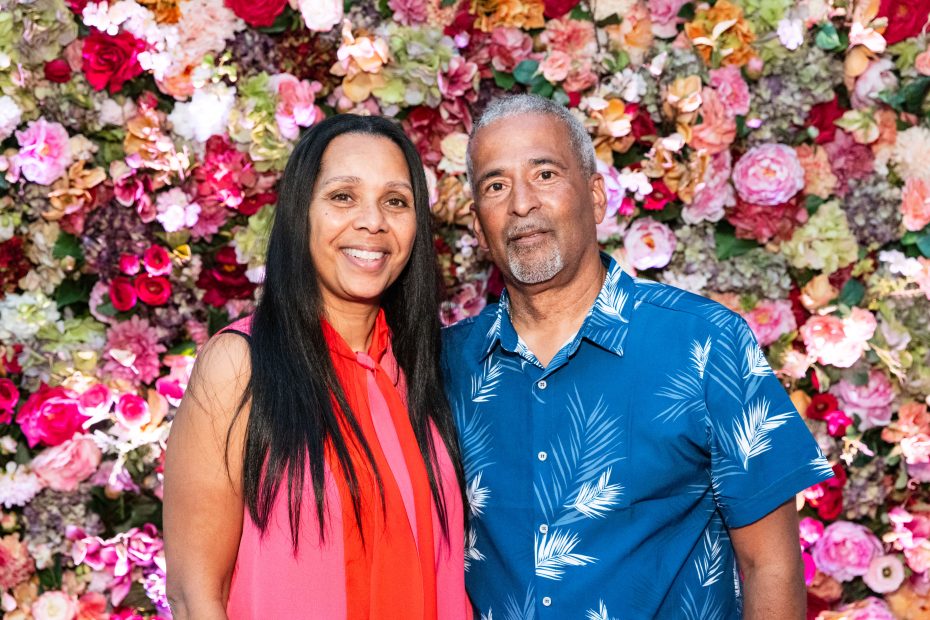
She is facing her own probe from the city attorney’s office, and is reportedly also under criminal investigation, a highly different process from the administrative proceedings required of a debarment case.
Last month, an audit found that Davis spent a total of $4.6 million in public dollars on “prohibited purchases” such as luxury hotels, gift cards, and wellness retreats. Many of these purchases were made by Collective Impact, or involved the organization, which Davis directed between 2011 and 2016.
An audit on Collective Impact’s spending is expected in early 2026, according to the city controller’s office, and likely, the city attorney’s office will appeal today’s decision to restore Collective Impact’s ability to receive public funds shortly.
Collective Impact does not have any current grants with the city, so until then, it will likely not receive any city funding. But now, the nonprofit is eligible to apply.
09/09/2025
To whom it may concern,
Sheryl Davis should stop acting obtuse and nieve to the facts that she was extremely arrogant and thought that she could do whatever she wanted to do with the money from the public tax payers funds of the City and County of San Francisco. Sheryl Davis got caught with her hand in the cookie jar and should be held accountable & prosecuted in a criminal court of law for stealing money from the children and families it was meant for. I pray she will not get away with her blatant disrespect and lying about her disgusting dereliction of duty & responsibilities that she was well aware of when she swore to uphold & represent the underserved poor & low income needy families of San Francisco. While Sheryl Davis all along was deceitful while knowingly taking care of herself, family and friends by misappropriating and stealing San Francisco tax payers public funds.
Thank You Kindly 🙏🏽
Albert M. Sandoval
Proud Native San Franciscan for the last 63 years born and raised in Visitation Valley. Neighborhood.
Just another day in SF government / non-profit grifters. Blatant corruption in plain sight and no consequences
Maybe this will shed some light on these garbage admin hearings. These are the same kangaroo “courts” that tenants in subsidized housing have as their only chance to fight against unfair eviction or other adverse landlord actions. The City has the resources to challenge the admin decision and the process leading up to it because they have a fleet of super good attorneys (and I expect in this case the City will prevail in reversing the decision). Low-income tenants are not so fortunate.
These nonprofits unfortunately have ruined it for all nonprofits .
Close them all down.
They are guilty until they prove they are not
All on the grift.
They dont want to fix the problems because then they would not be able to collect and be out of a job
Lack of oversight and accountability .
Persons who steal or misuse public taxpayer money should all be given higher penalties and mandatory long jail terms if guilty .
That includes government officials and employees as well.
Violating public trust and taking from the public is way wrong .
Lock them up Deport them to jails overseas Throw away the keys
It’s par the course, for a city run by:”Crack heads & Politicans.” So many of these art groups, and non profits are making a money grab for funds, but are not held accountable by the city or state.