

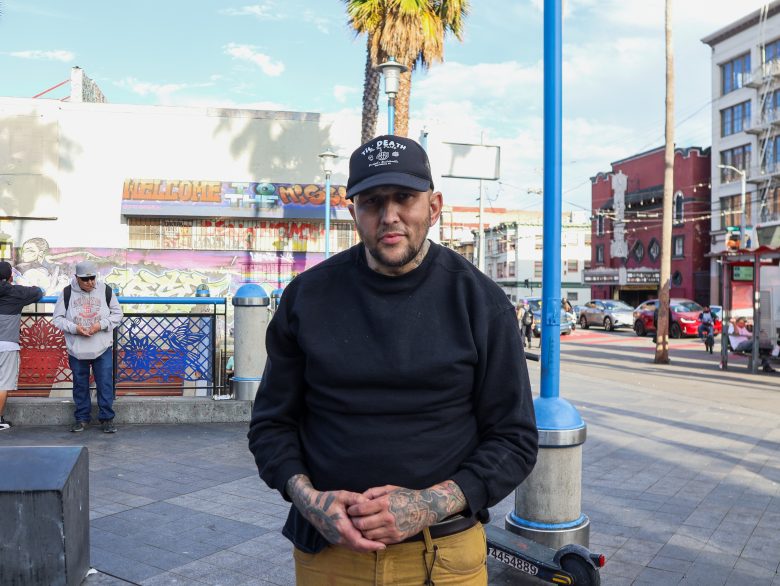

Jacob ‘The Bear’ Heller stands at the northeast plaza beside a blanket of mismatched goods, a baseball hat shadowing his eyes.
It’s 5 p.m., the hour when the northeast plaza tends to fill with vendors after police and other city workers have left for the day. A passerby bends down and inspects an object on the blanket: An Apple MacBook charger.
“I’ll take five for it,” the man with the baseball hat and tattoos says. “It’s real Apple, and works.”
The passerby squints, takes a closer look, and moves on to the next vendor.
‘The Bear’ says he got his name in prison (there, inmates used the Spanish word for bear, “Oso”) for starting too many fights. He sells his goods at the 16th St. Plaza to make a living. It’s temporary, he says, while he waits for his disability papers to process and searches for a job. He estimates that it will take six months or so.
Despite his nickname and towering 6-foot-plus frame, Heller has a gentle demeanor. He speaks in a soft tone with a southern accent.
“I’m from Austin, Texas, and I came here three years ago,” he said, introducing himself. “But I’ve been homeless off and on since.”
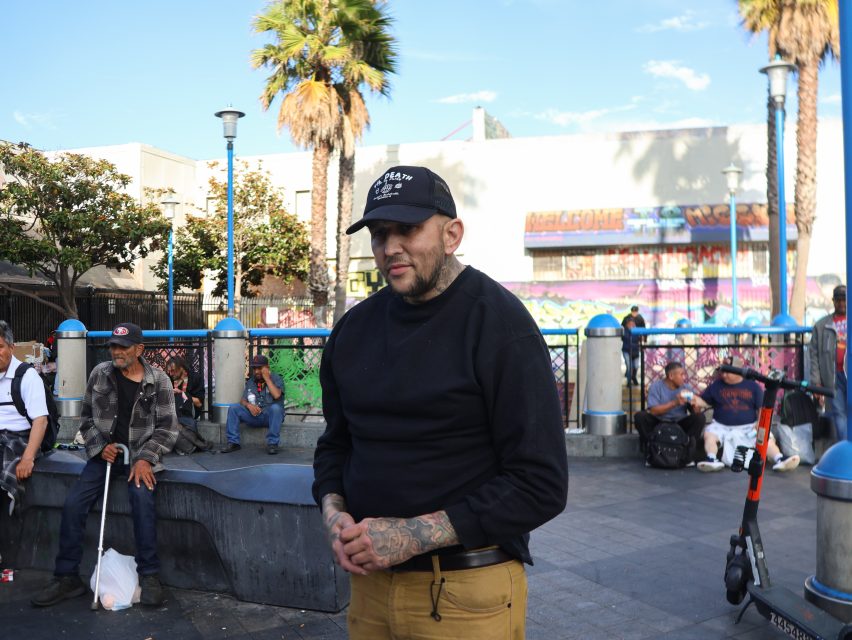
“It’s been hard,” he adds.
He attributes his homelessness to a long struggle with mental health. “I got real bad anxiety; you know what I mean? It makes it hard for me to go to work. I psych myself out,” he says.
Heller left prison a year ago after a stint for fraud and package theft. “Make sure you always get your Amazon packages signed for,” he advises. Now, with the help of his case manager, who he credits with “saving his life,” Heller sees a pathway forward. “Honestly, I want to stop stealing to be able to survive,” he said.
Meanwhile, he tries to avoid altercations with the police. “Its a game of cat-and-mouse,” he said.
Police frequently come and take away his goods and those of the other vendors, he says. His neighbor is selling shampoo, toothpaste and soaps. Another vendor has about five pairs of Nikes lined up before her, including a pair with bubblegum-pink accent colors.
“The cops come to try to chase us off,” Heller adds. ” They put it in garbage bags and we can either go to jail and keep our stuff or we can give it up and go home.”
As he talks, pedestrians and others zigzag between the vendors to catch their buses. Others sit at the plaza, seemingly unhurried and chatting with each other. In the space between the elevator and the entrance to BART, a group of about six people sit together, visibly using drugs. One person lies slumped over onto the ground.
“Once you get living like this, on this level, you kind of get used to it,” says Heller. “You’re off the grid, you know what I mean?” he says.
“It’s almost kind of, like, freeing because you’re not having to be, I guess, accountable. But at the same time, part of being an adult is being held accountable and being responsible.”
“Up until this point in my life, I’ve failed that part,” he said, “but hopefully I can get that right now.”
Caledonia Street
Julian Avenue
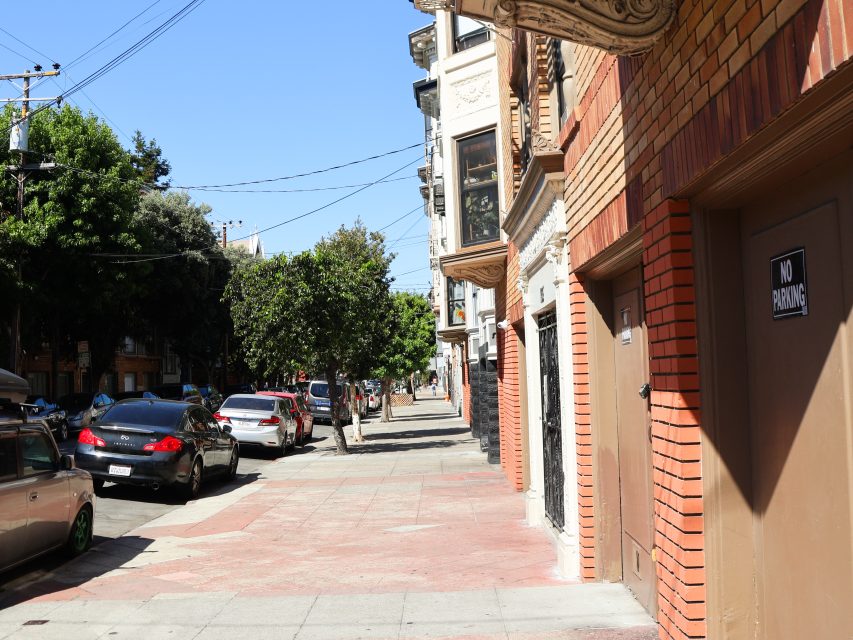
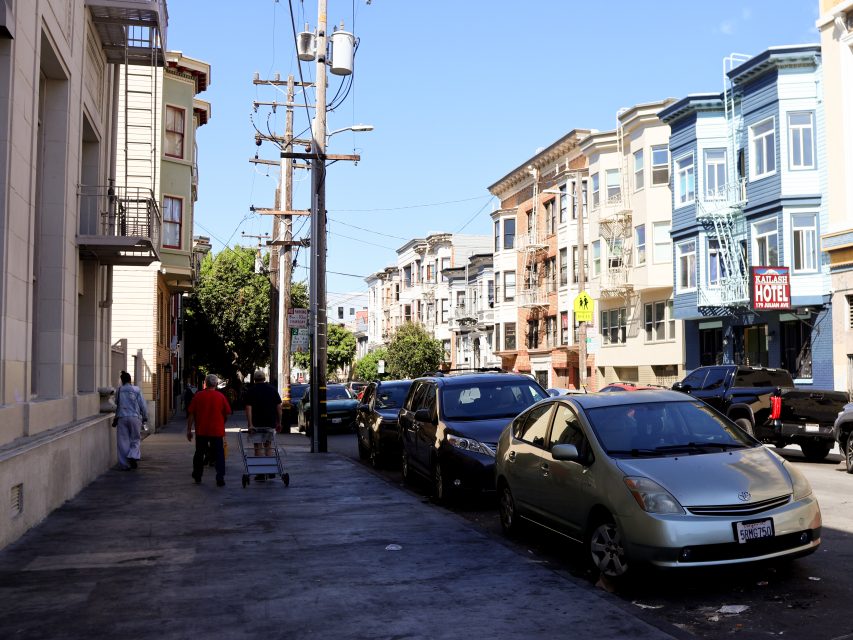
Wiese Street
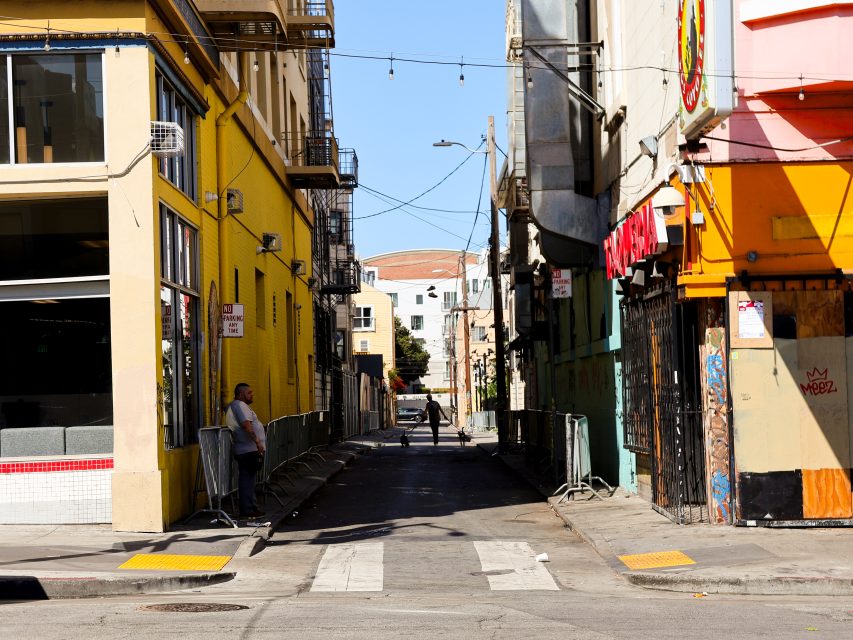
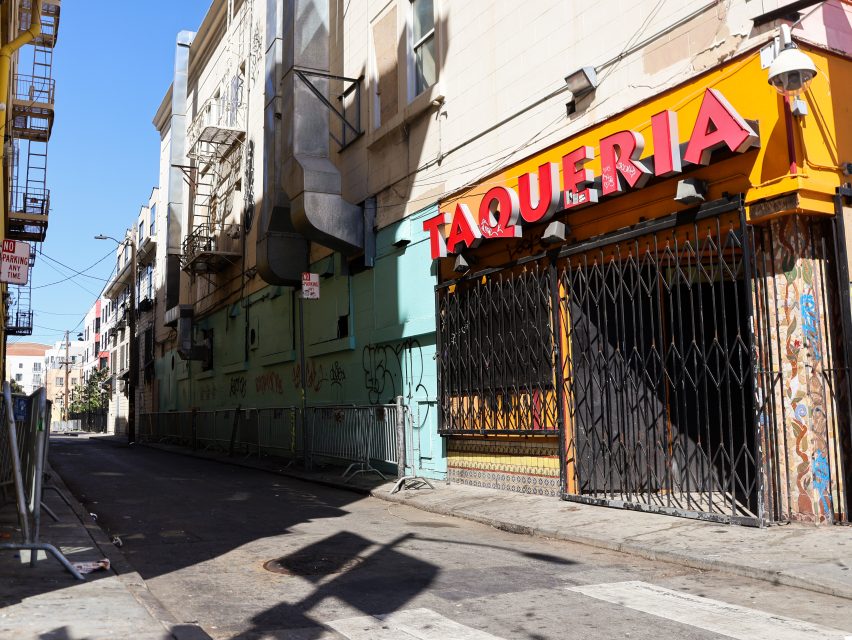
Southwest plaza
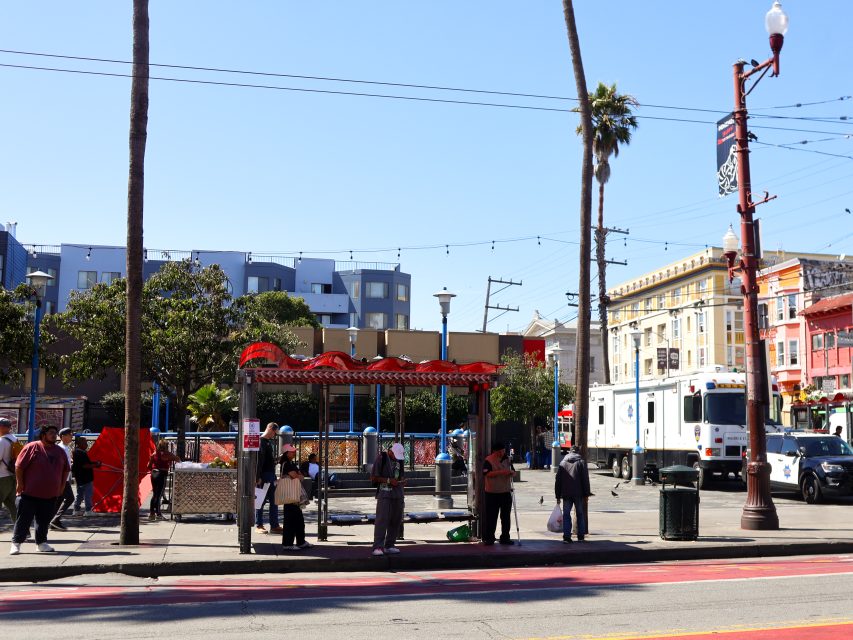
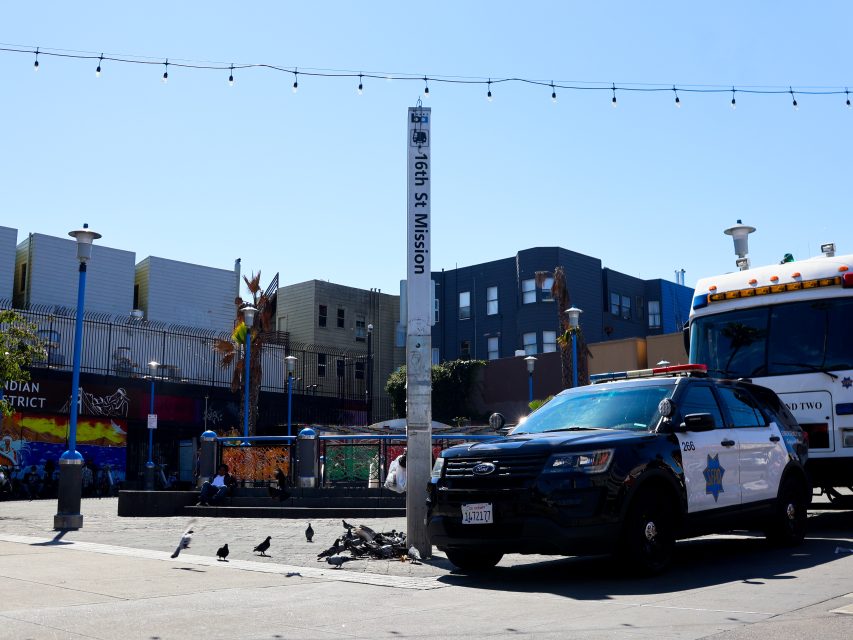
Northeast plaza
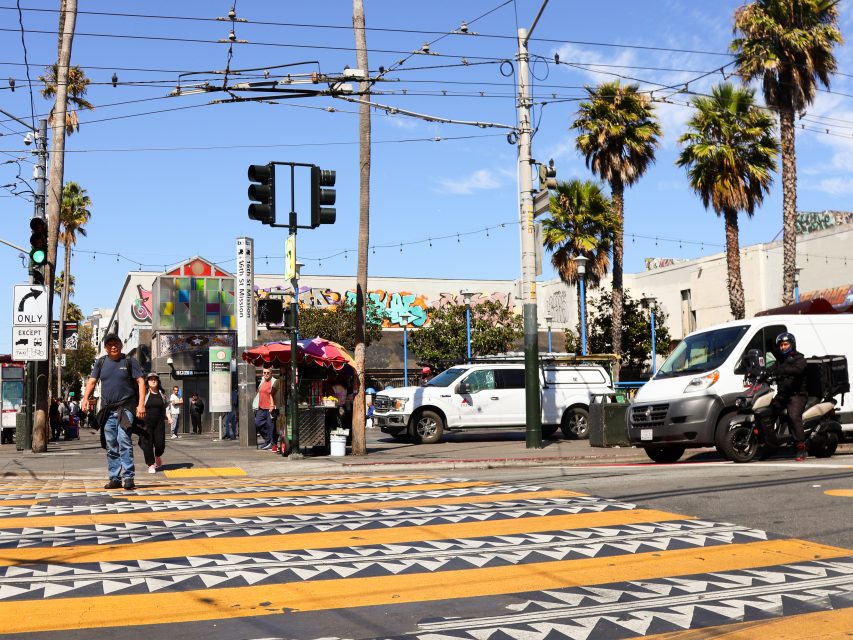
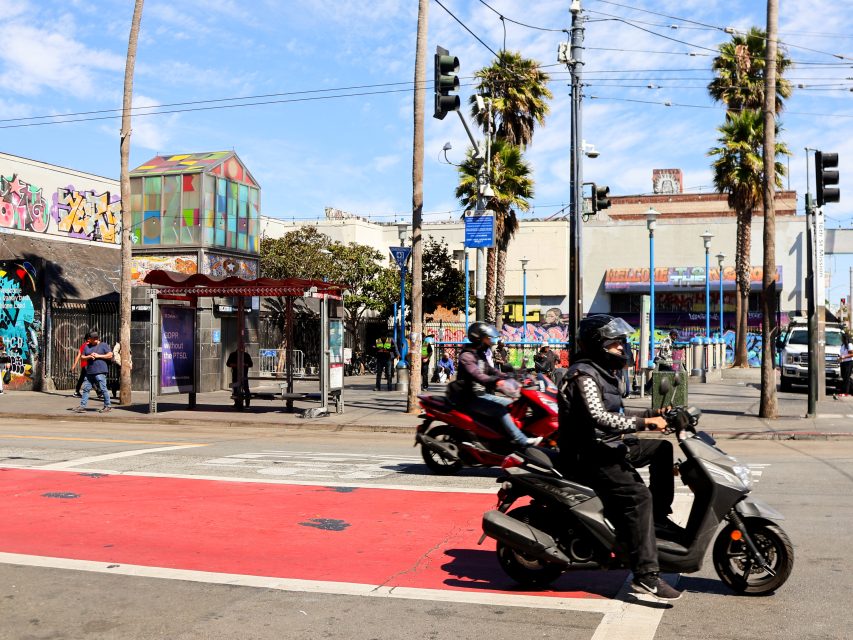
Eastside of Mission Street
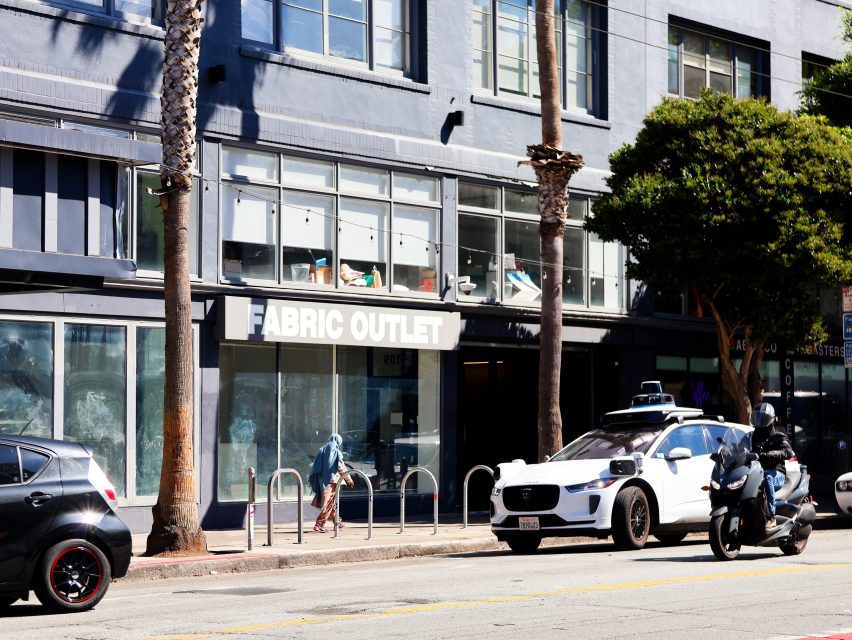
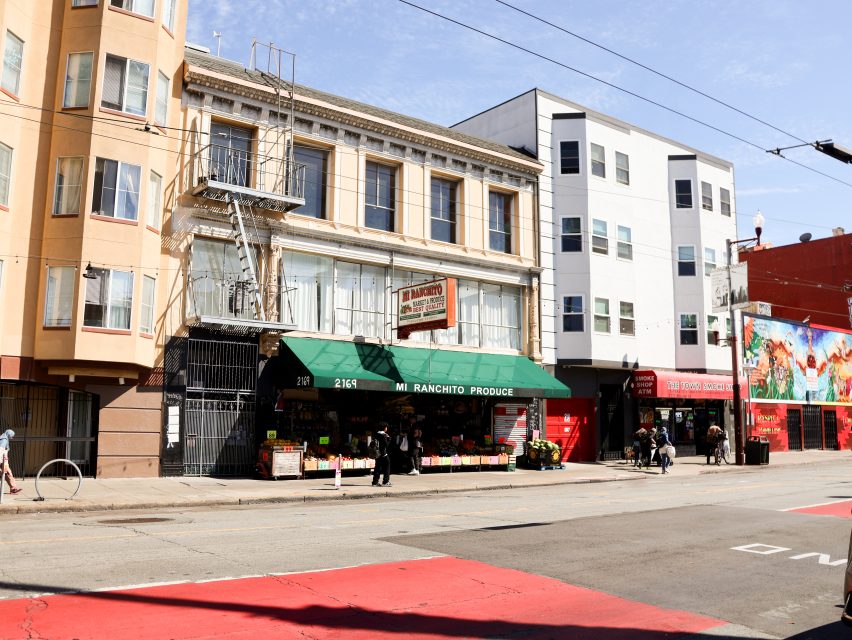
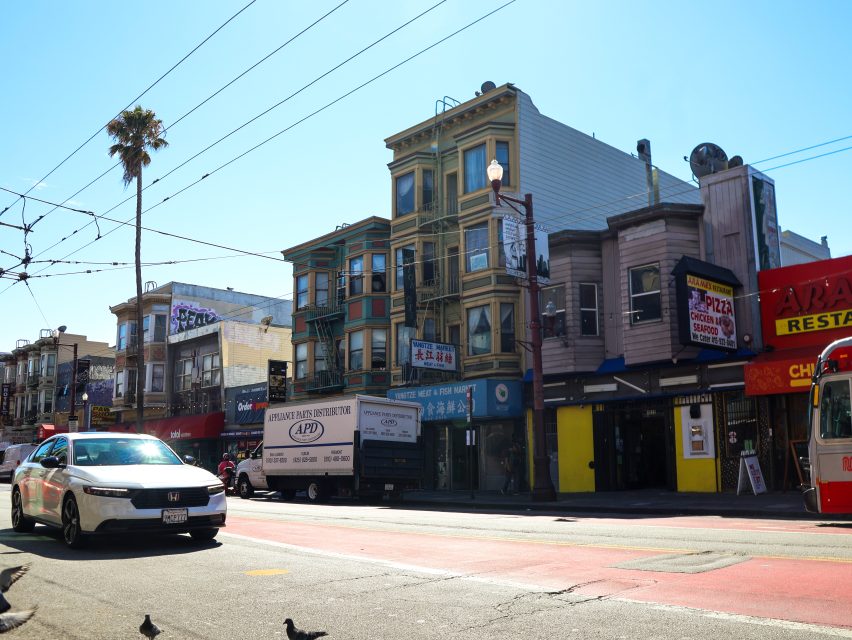
West side of Mission Street
Six months in and whaddawegot?
The NB Muni stop at 16th and Mission is continually overrun with addicts, vendors and such.
Ahsing indicates their contract is going to be curtailed now that Mission Housing has swatted down the indignity of 1950 Mission residents pointing out how they cannot secure their existing buildings.
Five Keys has shut down their security patrols around Marshall School attendant to Mission Cabins.
And the City, Supervisor, Mayor and Mission Housing/MEDA are as usual playing their cards close to their vests on how to handle Marshall post-fentanyl central at 16th and Mission, probably because they have no clue as to how to proceed nor intention to execute, while elected representatives lie and keep residents in the dark as if we were the enemy.
It is outrageous enough that the City makes discretionary policy choices to subject an elementary school full of at-risk kids to such racist indignities.
What’s unacceptable is that those in power expect at-risk kids to bear the burdens of their multiple policy failures, charitably, or, as likely, maliciousness. Marshall Elementary students need to be insulated from the bad acts of adults in power immediately.
I appreciate this coverage so much.
One thing that sticks out is that so many of the people ML talks to are from elsewhere – hard to understand why they aren’t encouraged to go back to where they came from, in this case, Austin. The city will pay for your bus ticket!
Very odd piece of reporting on a pretty unsavory character. This known-for-his-prison-fighting-moniker man “selling his wares” at a steep discount on a drug corridor awaiting further public money and blaming his “anxiety” is like a character from a right-wing fever dream. Perhaps his gentle demeanor would have changed if he had been asked about what he did to land in prison, where he gets his “wares,” or why he thinks his disability prevents him from working to the point of needing lifelong public assistance.
No doubt he needs help and has been failed by the system, but tacit acceptance of the scene at the Mission Bart stops, including characters like Mr. Oso, is a harm on our larger community.
“The cops come to try to chase us off,” Heller adds. ” They put it in garbage bags and we can either go to jail and keep our stuff or we can give it up and go home.”
This should be the real story here . . . cops allegedly coercing these folks into “agreeing” to “throw it away” (or whatever the cops decide to do with their property) to avoid arrest, as if that were a real choice. Follow up on this Mission Local.
Some point out the merchandise is probably stolen, if not they can get a permit.