

Mayor Daniel Lurie said in April that “hiring caseworkers and clinicians” to staff San Francisco’s shelter and treatment beds is a priority. Filling the ranks of those front-line city workers is crucial to Lurie’s repeated promises to clean up the streets.
But at the city’s only free, in-person addiction and recovery counseling certification program, housed at City College of San Francisco, there are waitlists for nearly every class.
Graduates of the program can take an exam to become state-certified substance use disorder counselors — the exact people Lurie says San Francisco needs — but City College isn’t pumping out a battalion of counselors.
Why not? Money, and a dearth of classes.
The number of addiction and recovery certificates awarded by City College each year rose steadily between 2016 and 2023, from 15 to 35. This year, the program expects to hand out 45 certificates, the largest number in its 25-year history.
Even more are anticipated in the coming years for a job that pays about $40 an hour to licensed providers.
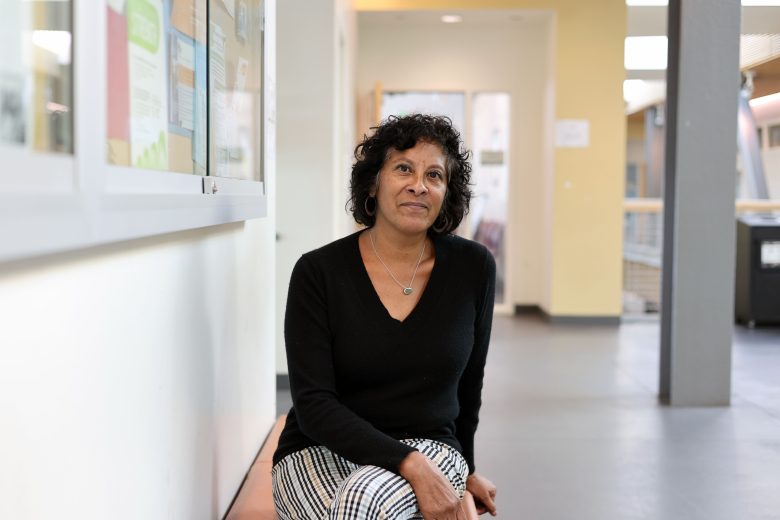
Alma Avila, the program coordinator, says she needs more funding to meet the demand. Last week, the first week of City College’s fall semester, Avila pulled up the enrollment lists for the 12 courses required to complete the program. Each class has a 45-person cap, a limit set by the college, and a waitlist of up to 10 people.
“Full,” Avila repeated as she scrolled through the list. “Full. Full.” She barely glanced at the red letters under “HLTH 100: Introduction to ARC.” “The intro class is always full.”
Registration, she said, opens at the end of May. Within two to three weeks, almost all the classes are full. By mid-June, there’s a waitlist. When that’s full, there’s an unofficial waitlist of students who are told to show up on the first day and try their luck.
Right now, there are 28 students waiting for the intro class.
“Everytime I hear about more treatment beds, I think, ‘That’s wonderful for the treatment beds, but where are you going to get the counselors from?’” said Avila.
The obvious solution to this administrative headache is to add more classes. But City College, Avila said, can only fund one class of each course per semester.
Outside funding helps. A $310,000 grant from San Francisco’s Department of Public Health, program manager Eric Lewis said, covers his position, part of Avila’s position, textbooks and one additional class.
It is rare for a City College program to have a manager, Lewis said, but his students, many of whom are in recovery themselves, benefit from one-on-one support as they navigate the workforce.
Avila says she’s constantly pitching the program to donors — a neverending “dog and pony” show, she joked. The program requested $100,000 more from the city to offer additional classes, support during the summer, and testing preparation, but it was denied.
The Department of Public Health has been a “wonderful partner” for two decades, Lewis said, but the city is in a deficit and it seems their “hands are tied.”
One course, group counseling, has two classes of 28 students each because Avila found additional outside funding to cover it. But next semester, Lewis said, they won’t have the $10,000 needed for a second case-management class.
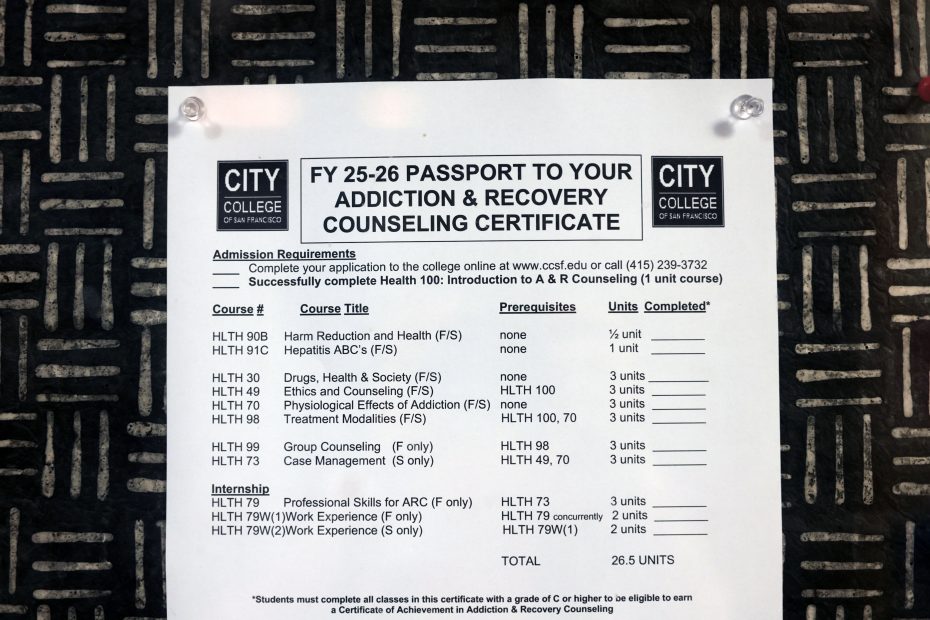
Every graduate is also required to intern with a Bay Area treatment provider, but there are only 45 spots available every year. Students wait for those slots to open up so they can finish their degrees, Lewis said.
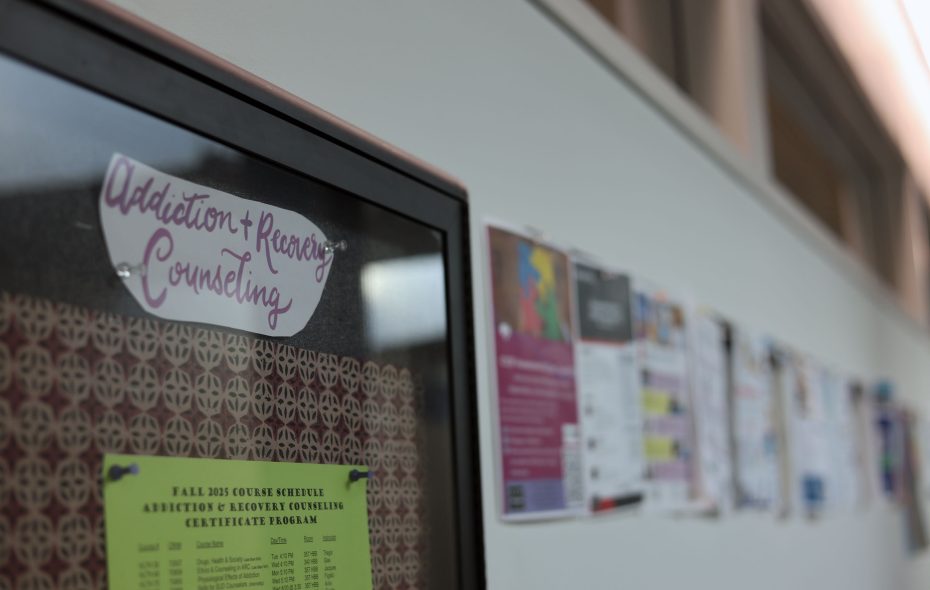
There are a handful of other programs for San Franciscans who want to become substance-use-disorder counselors.
University of the Pacific offers a six-month certificate program for $4,774. San Francisco State University offers a master’s degree in counseling, which can run about $10,000 a year. Community colleges in San Jose, San Mateo, and Ventura also offer certificate programs.
City Team Institute, a faith-based social-service organization, offers free online courses without a waitlist. A couple dozen people, mostly former clients, take City Team’s courses and about a third get certified, estimated Kimbel Welch, the program coordinator for City Team San Francisco.
But City College counseling students said its program is unique: It’s the only in-person, rigorous and free city program offering the certification.
Free matters. Some 80 percent of the students attracted to the program have had their own addiction challenges, and most are working adults. Counselors must get certified within five years of working in the field, and several said they were nearing the end of their window.
At orientation, students told stories about the winding path through recovery, relapse, and return that brought them to City College. Cam Herrman said it was his third try at getting a certification since he started taking classes in 2018.
Current students also spoke of the personal growth they’ve undertaken. “I thought I had compassion and empathy,” Myra Burns said. “I didn’t.”
Johnny Montgomery recalled lying in his solitary cell in a southern California prison near the Mojave Desert. Mental health providers had brought him his case file, and it lay on his chest.
“I read my whole life in black and white,” he said. It was the push he needed to start therapy.
Montgomery got out of prison in 2022, then participated in a reentry program that encouraged him to use his personal experiences to help others. He became a substance-use-disorder counselor at HealthRIGHT 360, the city’s largest treatment provider. He’ll be certified once he completes his final City College course, the internship.
At orientation, Montgomery sat beside his HealthRIGHT 360 supervisor, Maria Resendez, who is working toward a behavioral science degree. Resendez said she often sees coworkers and former clients in her classes, and praised the programs’ accessibility — when classes were available, that is. Montgomery, she said, was a success story.
He deflected the praise, saying it was becoming a counselor that saved his life. “I never dreamed or imagined something like this.”
I wonder if any of the money from lawsuits with pharmacies or drug manufacturers around their part in creating and profiting from the opioid crisis could be directed towards keeping the drug addiction counseling program going to continue to help those who are trying to put their lives together again but don’t have the funds to get help other than through local programs.
Even Matthew Perry who spent millions on drug treatment…. still died an addict.
‘All the kings horses and all the kings men … will never put the vast majority of druggies together again’. Bur let’s just keep spending billions, with no results. 24 billion dollars for the pathetic results California has achieved (more dug addled vagrants than ever), in the last 5 years.
You must have a passion for this work! When I started in 2008, I was making $12.00 an hour, in recovery started my own housekeeping business, until I was asked to join S.A.G.E, that’s when I realized it wasn’t about the money but about making a difference.
Now working here at HealthRight 360 I feel I’m being paid my worth, and my passion continue to grow for the work that I do.
All the money we throw at this problem should be going to build and staff more rehabilitation clinics, and they should be mandatory for addicts. No, not only if they feel like recovery is something they want, but regardless of how they feel about it.
Grateful for this story. I graduated from ARC in 2020 and just passed my credential exam. It was the support of Eric Lewis and Alma Avila that made the difference for me. Their support didn’t stop after I completed. Eric has remained a light for me throughout my career in the field over the last 5 years. Funding is needed for both of their roles and for the expansion of this invaluable program. The workers, the field, and the lives of those suffering from addiction (as I have) need programs like ARC.
Thanks for reporting.
Please remind us of the number of interventions on the streets that have resulted in an addict voluntarily going to treatment ?
An addiction expert said” a rat will keep eating poison until it dies “
Tragic but I witness this everyday in the Lower Polk Area.
Law enforcement needs to stop the supply and issue citations and arrest the addicts.
Both laws being enforced and mandatory treatment away from
the drug dealers and supply are necessary .
People are rotting.
Most are not even from SF .
Time to get serious and get control here and send a message this crap will not be tolerated .
Get help , thanks to those who are interested in attending these classes but good luck getting an addict to accept care .