
Shows opening soon
- “People Make This Place: SFAI Stories” opens July 26 at SFMOMA.
- “Jess Young: Return” on July 26 at 500 Capp Street.
Shows closing soon
- “Yuan Goang-Ming: Everyday War,” at the Asian Art Museum closes August 4.
- “Wayne Thiebaud: Art Comes from Art,“ at the Legion of Honor closes August 17.
The gallery scene
Ashley Voss at Voss Gallery, on the corner of 24th and Bartlett streets, developed a local gallery guide that she updates weekly. Check out the guide’s Instagram account and website.
Frankie Solinsky Duryea visited the Incline Gallery on Valencia and wrote about the muralist Max Marttila’s show. I stopped in at the Hosfelt Gallery’s show Drawn on Drawing, full of wonderful pieces and many artists.
At the museums
Legion of Honor
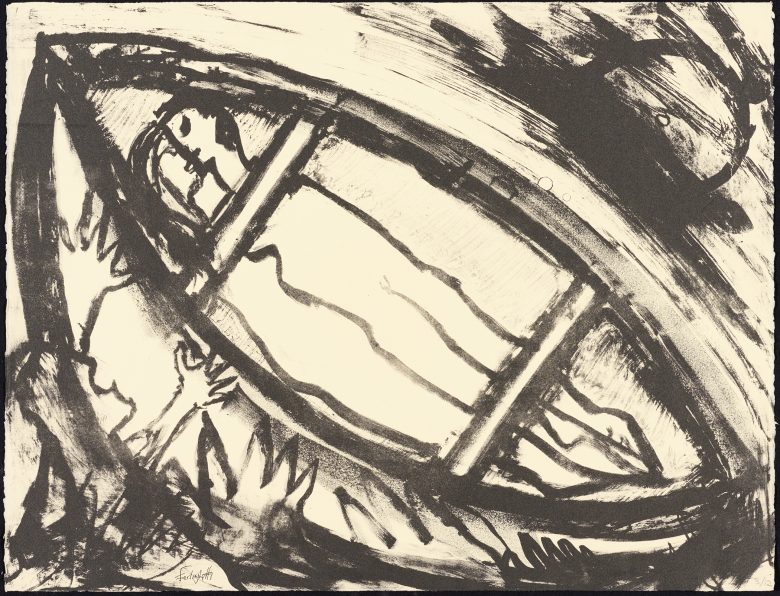
“Ferlinghetti for San Francisco” opened July 19 and runs through March 22, 2016. The show draws from the museum’s collection of prints, etchings, and lithographs. Here is a 2012 profile from SF Gate of the poet, artist, activist and founder of City Lights Book Store.
Ferlinghetti died in 2021, but what a life. Even before arriving in San Francisco, he had earned a master’s degree from Columbia University and a doctorate from the Sorbonne. He tended toward the arts, writing his Master’s thesis on John Ruskin and J.M.W. Turner, and his doctorate on “The City as a Symbol in Modern Poetry,” writes Julian Guthrie in her SFGate profile of him.
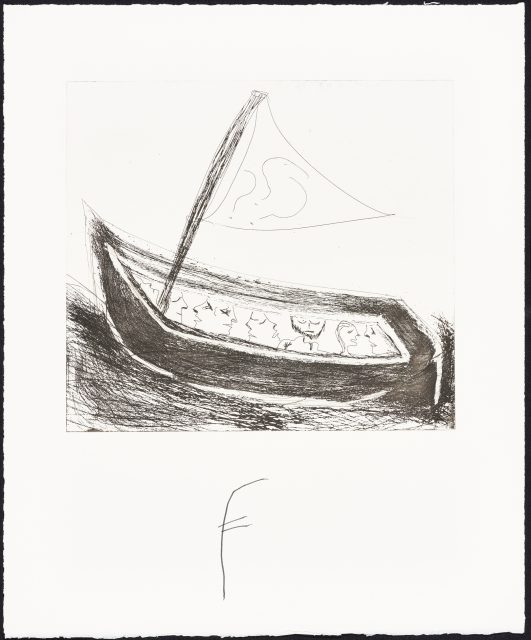
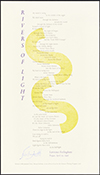
The museum offers a Free Saturday campaign throughout the year.
“Printing Color: Chiaroscuro to Screenprint” promises to take you across time, from 18th Century etchings to contemporary artists like Kiki Smith.
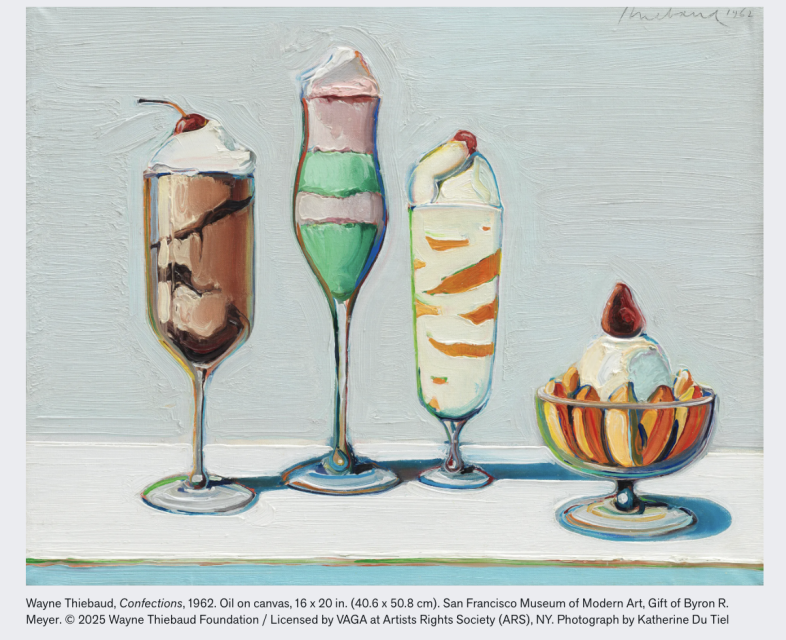
“Wayne Thiebaud: Art Comes from Art“ includes some 60 pieces from his six-decade career, focusing on his “passionate engagement with art history.” Open through Aug. 17, 2025.
It offers an eye into Thiebaud’s influences, including Edouard Manet, Giorgio Morandi and Richard Diebenkorn. Guess what paintings inspired each of these from Thiebaud?

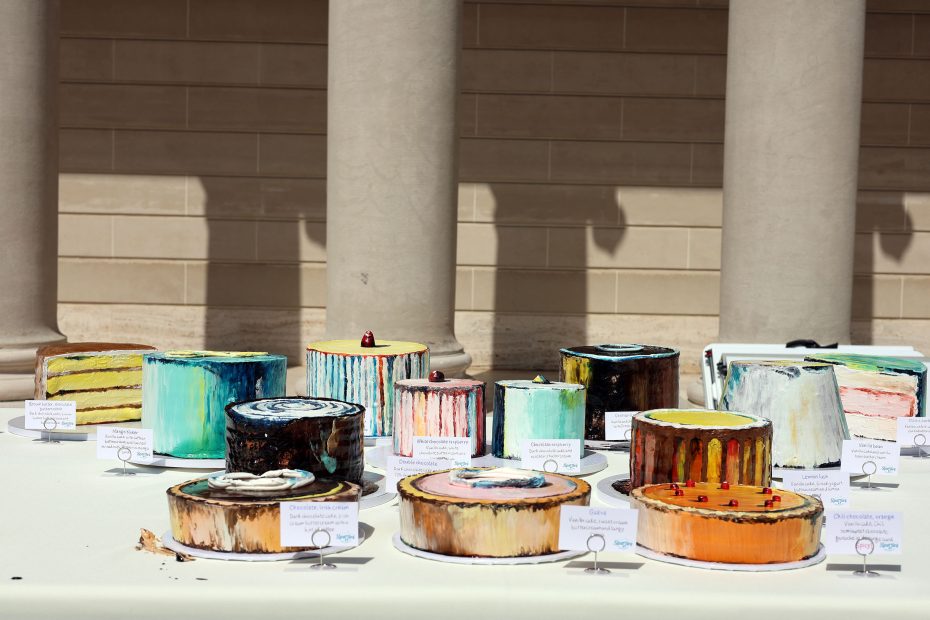
And check out the March cake picnic that our reporter Abigail Vân Neely documented.
You can view the Legion of Honor’s full list of exhibitions here.
Admission is free every Saturday for Bay Area residents, and the first Tuesday of every month for everyone.
SFMOMA
“Kunié Sugiura: Photopainting” is on. The New York Times has an excellent review of the show and Sugiura’s approach to photography and art. It also explains photograms and will make you want to see the 82-year-old’s work.
From SFMOMA’s website: “The exhibition charts the arc of Sugiura’s long career, beginning with undergraduate work from her “Cko” series that reflects her sense of isolation as a foreign student in Chicago. Prints made after her move to New York in 1967 demonstrate her use of canvas as a support and new process of working on a large scale.”
The museum’s “Ruth Asawa: Retrospective” is open, and Mission Local contributor Teresa Moore calls it “astonishing.” The exhibit, Moore writes, illustrates that “there was no line between living a full life and making astonishing art, no limits on inspiration, no place that wasn’t a good place for creation and appreciation.”
The exhibit, which includes more than 300 works, follows a loose chronology, from Asawa’s student years at Black Mountain College through her later years raising a family in Noe Valley.
Read our review
Some slides from the show.
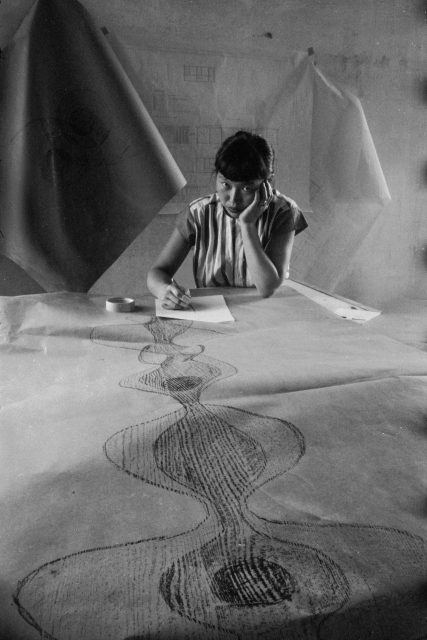
Portrait of Japanese American artist sculptor Ruth Asawa as she sketches a design, 1954; image: Nat Farbman/The LIFE Picture Collection/Shutterstock; artwork: © 2025 Ruth Asawa Lanier, Inc.. Courtesy David Zwirner 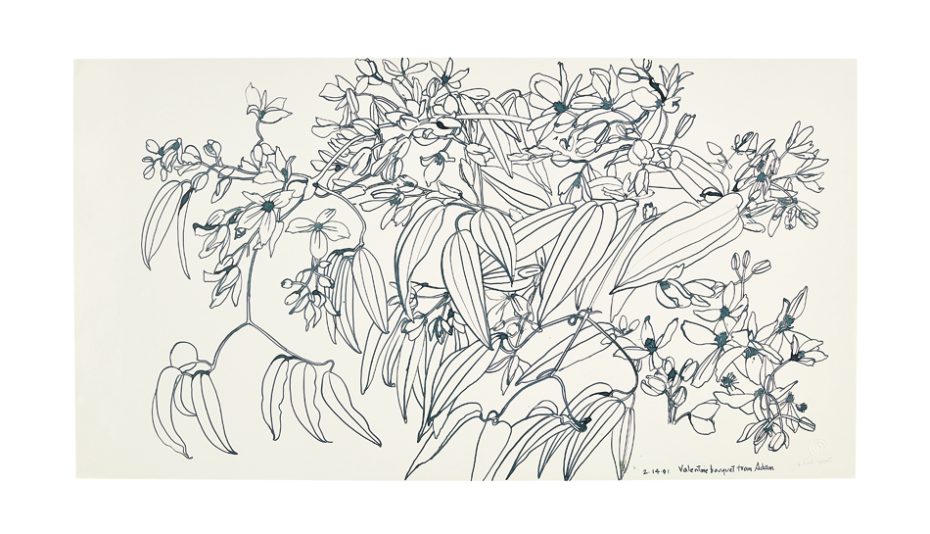
Ruth Asawa, Valentine Bouquet from Adam (PF.555), 1991; private collection; © 2025 Ruth Asawa Lanier, Inc., courtesy David Zwirner. Photo by James Paonessa 
Ruth Asawa, Untitled (WC.187, Two Watermelons), 1960s; Glenstone Museum, Potomac, Maryland; © 2025 Ruth Asawa Lanier, Inc., courtesy David Zwirner. Photo: James Paonessa 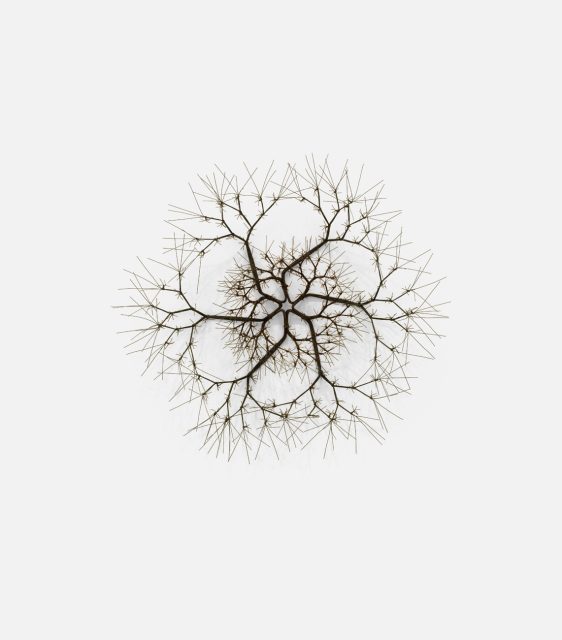
Ruth Asawa, Untitled (S.451, Wall-Mounted Tied-Wire, Open-Center, Six-Branched Form Based on Nature), ca. 1965; private collection; © 2025 Ruth Asawa Lanier, Inc., courtesy David Zwirner. Photo courtesy David Zwirner
And there is also Kara Walker’s “Fortuna and the Immortality Garden (Machine),” an installation that touches on power dynamics and the exploitation of race and sexuality. In its review, The San Francisco Chronicle wrote that the concepts “feel ambitious and epic, yet the ability to get close to it lends the piece an intimate quality.” I found it more perplexing.
The New York Times reviews the installation here, writing that Walker “is highlighting the superhuman capabilities of A.I. as only she can.”
Admission is free on the first Thursday of every month for Bay Area residents, although it is recommended you reserve your ticket in advance. Here is information for free and reduced-price admission.
de Young Museum
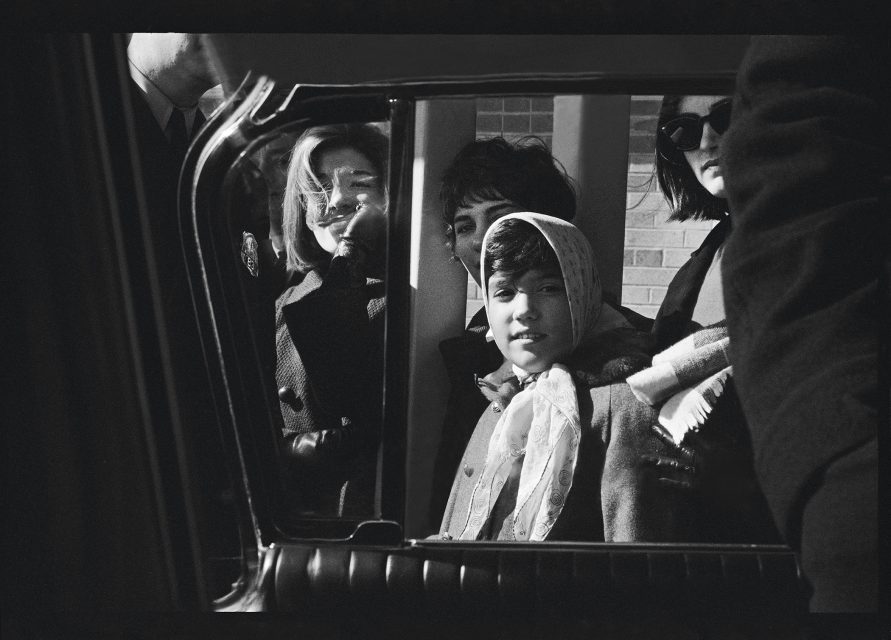
A show of Paul McCartney’s photographs opened on March 1 and has been extended to Oct. 5. It includes photographs from December 1963 through February 1964, a period that covers the beginning of the Beatles’ journey from Liverpool, England, to their arrival in the United States and their guest appearance on the Ed Sullivan Show.

500 Capp St.
David Ireland’s former residence reopened on June 19 with “Mildred Howard Collaborating with the Muses Part 2.”
Read more about the Bay Area Icon
The museum has organized a full list of programs around Howard’s work, including talks, readings, and a tour of civic monuments. You can sign up for all here.
“Still Burning, Celebrating the 50th Anniversary of Ant Farm’s Media Burn,” is open. Designed and executed by Ant Farm, a Bay Area radical art and architecture collective, the event involved members of the collective driving a 1959 Cadillac Eldorado into a pyramid of burning TV sets. Drawings, souvenirs, and, of course, the video, will be on display.
Asian Art Museum
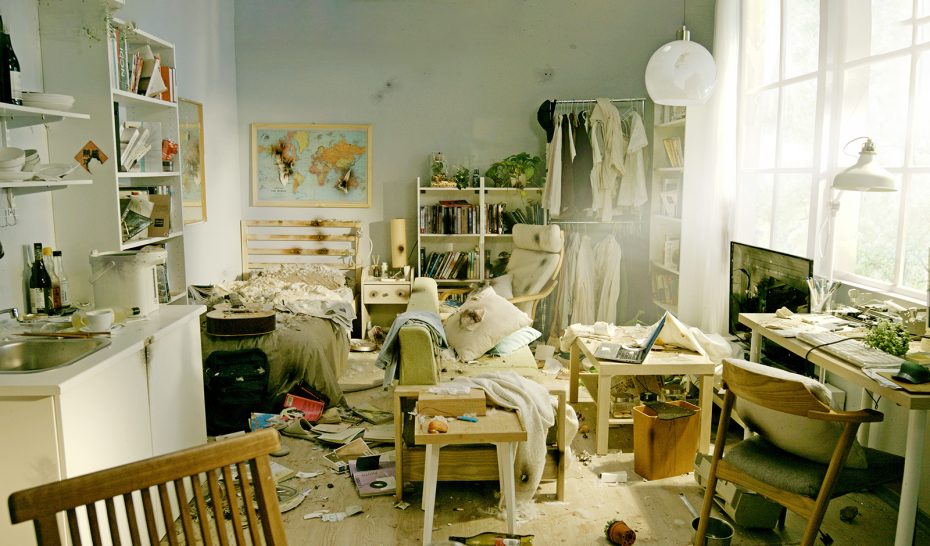
We reviewed “Yuan Goang-Ming: Everyday War” this week. Teresa Moore writes that “taken together, Yuan’s images and soundscapes resonate with the pervasive anxieties and concurrent glimpses of available beauty, and even hope, in the present season.”
Mission Local’s Review
The show, which closes August 4, features new work as well as work from the video artist’s show representing Taiwan at the 60th Venice Biennale. It is the artist’s first North American solo show.
The Art Newspaper listed it as one of the must-see shows at the 2024 Biennale.

There is also birdwatching at the museum with “Beautiful, Bountiful, Boisterous Birds,” and also in the Japanese galleries, “Shinoda Toko: Abstract Calligraphy” Toko moved from copying calligraphy to creating abstractions. The work is exquisite.
The museum also has a series, “Take Out Tuesdays,” where you can meet online to talk about a piece of art with docents and others.
General admission is free on the first Sunday of every month, and the special exhibitions are discounted. Here is more information for free and reduced-cost admission. The museum also hosts a robust list of events.
Institute for Contemporary Art
“Midnight March” by Masako Miki and “stay, take your time, my love” by David Antonio Cruz are now open. You may know Miki’s work from her whimsical installations at the Uber headquarters. Cruz’s exhibit includes newly commissioned work “created in response to the queer histories of San Francisco.”
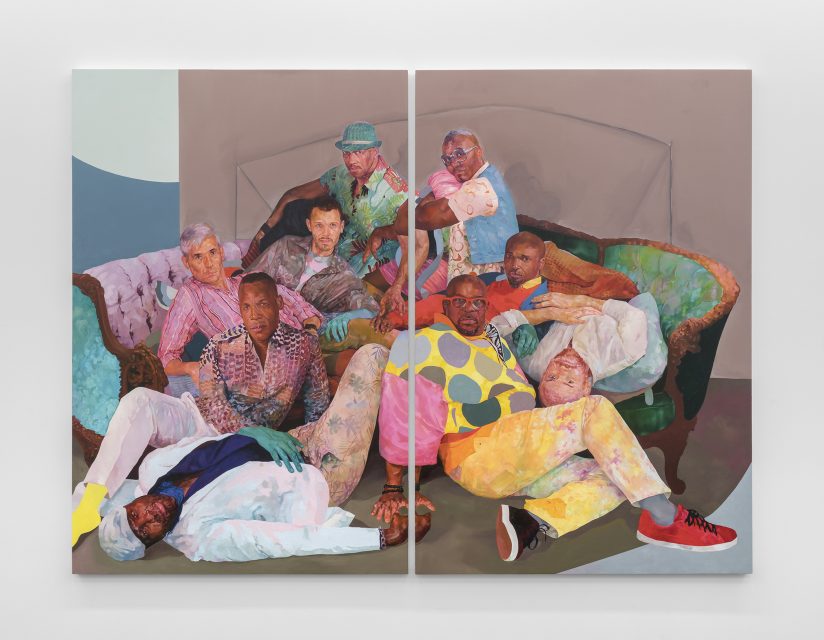
David Antonio Cruz, “canyoustaywithmetonight_causeyouarehere,youarehere,andweareherewithyou,” 2021. 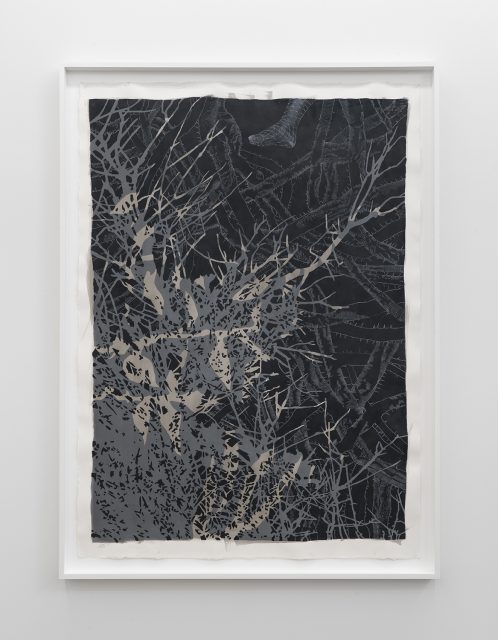
David Antonio Cruz, “yourenotbymyside_wontyouremember,” 2025. 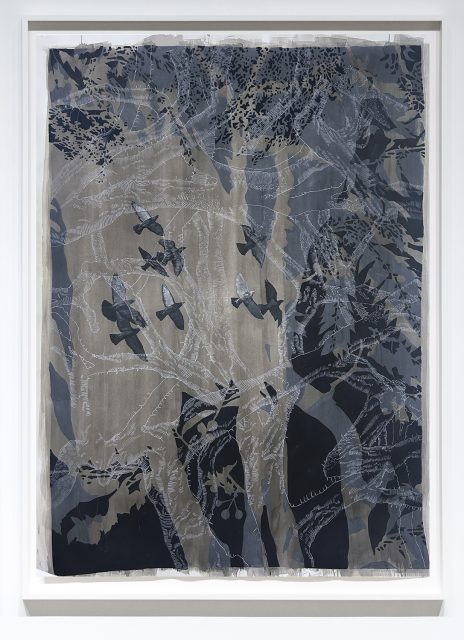
David Antonio Cruz. “thefogwillrise,theclaydry,andallcoveredindew.ButI’llseeyouwhenthesunsets_causewehavelivingghosts,” 2024 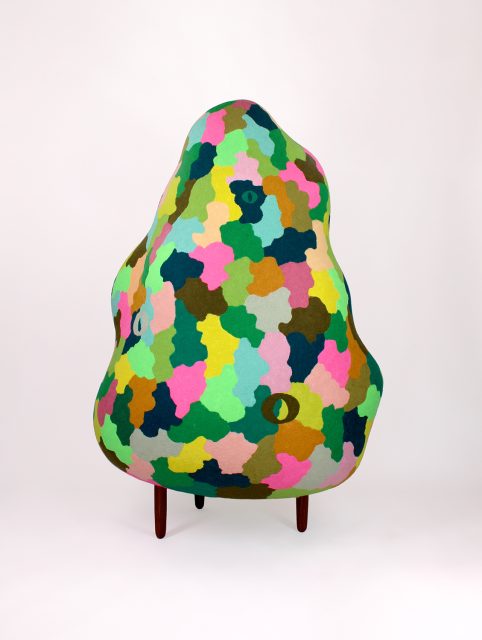
Masako Miki, “Ancient Tree Witness,” 2023, Wool on XPS foam, walnut wood. Photo: Steve Ferrera, Courtesy of the artist and Jessica Silverman. 
Masako Miki, “Revealing Mirror Shapeshifter,” 2022. Photo: Steve Ferrera, Courtesy of the artist and Jessica Silverman. 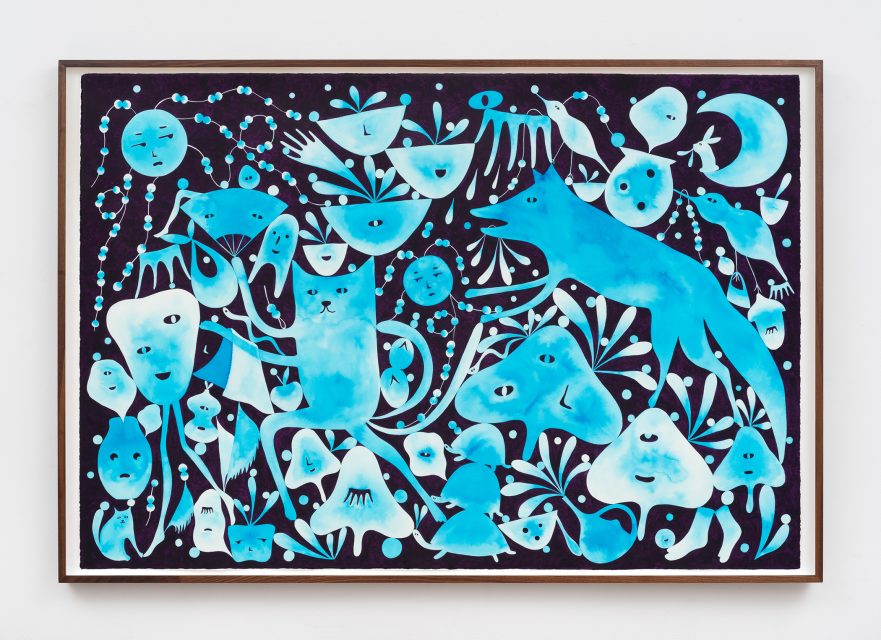
Masako Miki, “Midnight March (Blue and Red Violet),” 2025. Photo: Phillip Maisel, Courtesy of the artist and Jessica Silverman.
Museum of Craft and Design (MCD)
“Buttons On” is the first retrospective for Beau McCall, who has had a 40-year career creating art with buttons. It is pretty crazy and wonderful what can happen when a particular child sees a jar of buttons collected by his mom. The NewsHour did a piece on the artist:
Also on: “A Roadmap to Stardust.” The museum’s website calls it “a modern inquiry into the cosmos and humankind’s eagerness to explore distant planets.”
The Letterform Archive
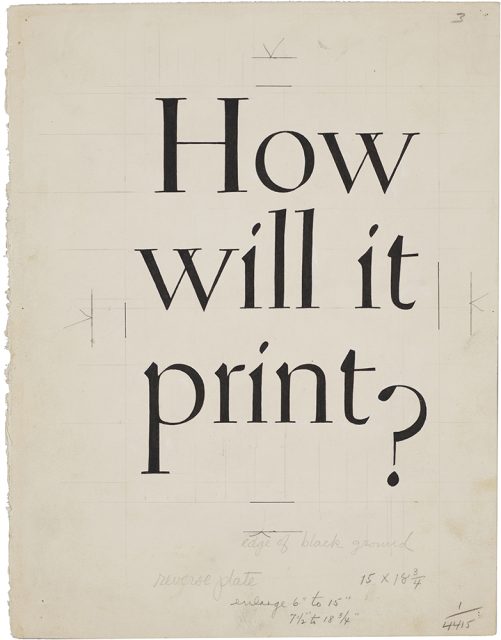
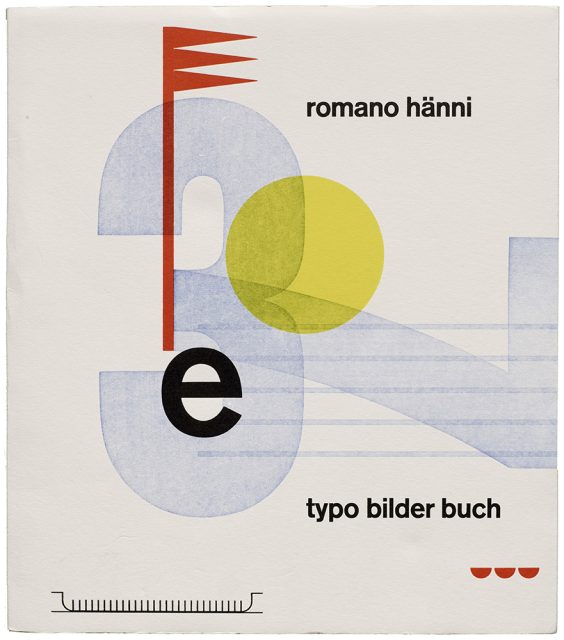
The Letterform Archive is our latest addition to the list. It is a nonprofit arts center focused on graphic design. In late April, it opened a 10-year anniversary exhibit, “10 × 10 for 10: Ten years of Letterform Archive. One hundred objects of typographic design.” It will run through Oct. 12, 2025, and features 100 objects from the collection.

The Chinese Historical Society of America
“Challenging a White-Washed History: Chinese Laundries in the U.S.” is on. Mission Local’s Junyou Yang wrote about the exhibit.
Also at the museum: “We are Bruce Lee: Under the Sky, one family,” and “Living in Chinatown: Memories in Miniature,” sculptures by Frank Wong, who attended Galileo High School, became a set designer and now lives in Chinatown.
California Academy of Sciences
It is “Dino Days” at the California Academy of Sciences, with 13 life-size animatronic dinosaurs that you can see here in an Insta post.
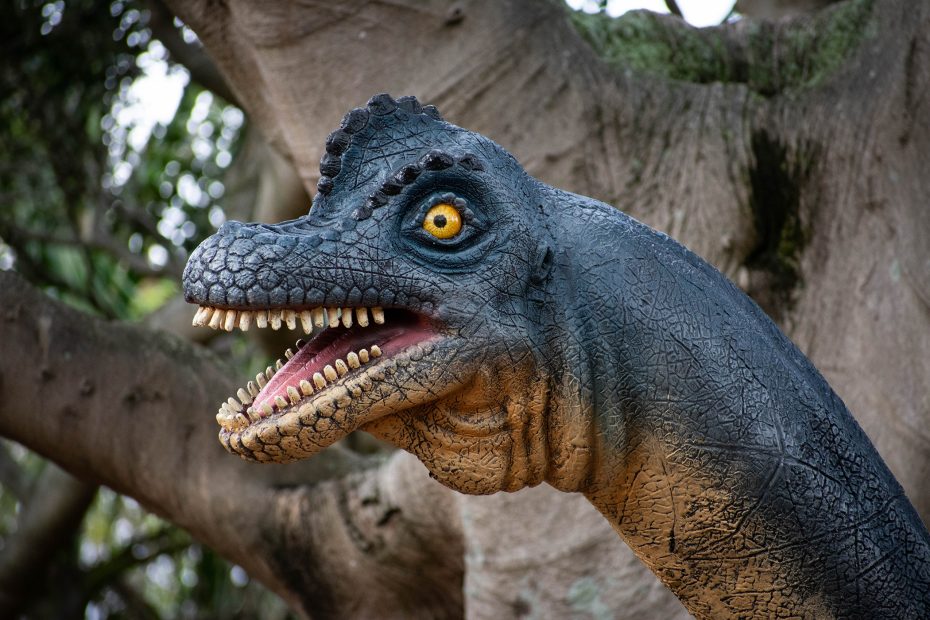
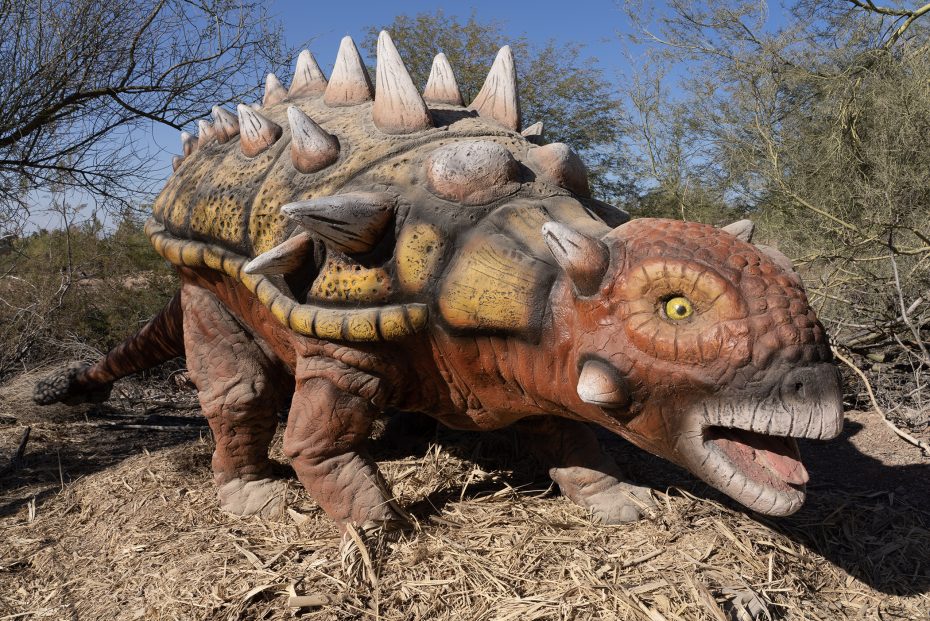
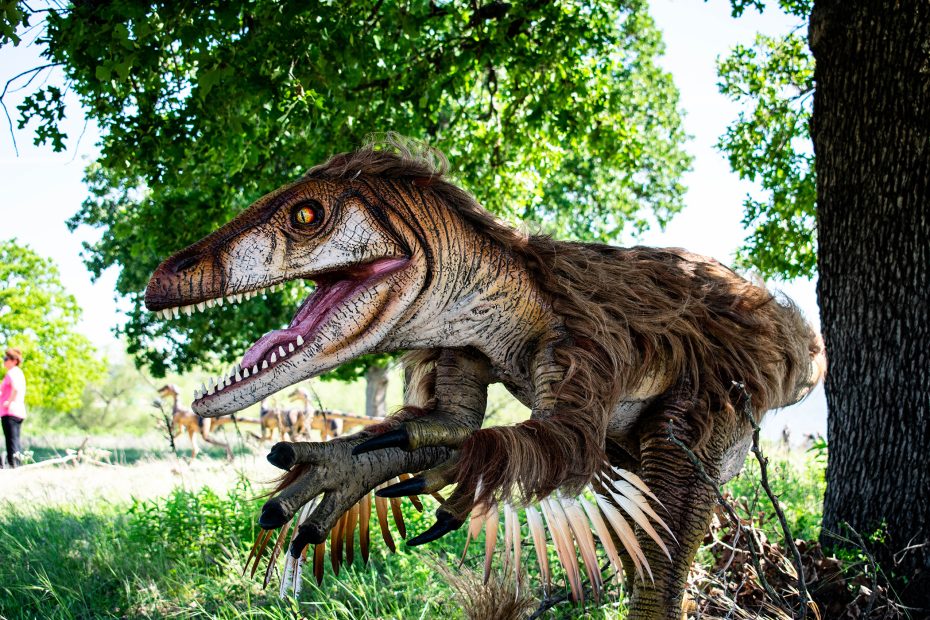
And on Friday, the museum opens “Unseen Oceans,” a a traveling exhibition produced by the American Museum of Natural History. One of the coolest offerings: Being able to hop into the “driver’s seat of a submersible with a digital interactive game.”
In the Steinhart Aquarium, the “Venom: Fangs, Stingers, and Spines” exhibit is featured, celebrating the aquarium’s 100th year. See stunning visuals at the Morrison Planetarium, a 75-foot dome that transports viewers to the universe beyond planet earth. The Osher Rainforest features 1,600+ live plants and animals in a rainforest-like dome that stretches 90 feet above ground.
Make sure to plan ahead and see the admission and ticketing page for more information. Also, see how you can get a free or reduced rate for your next visit.
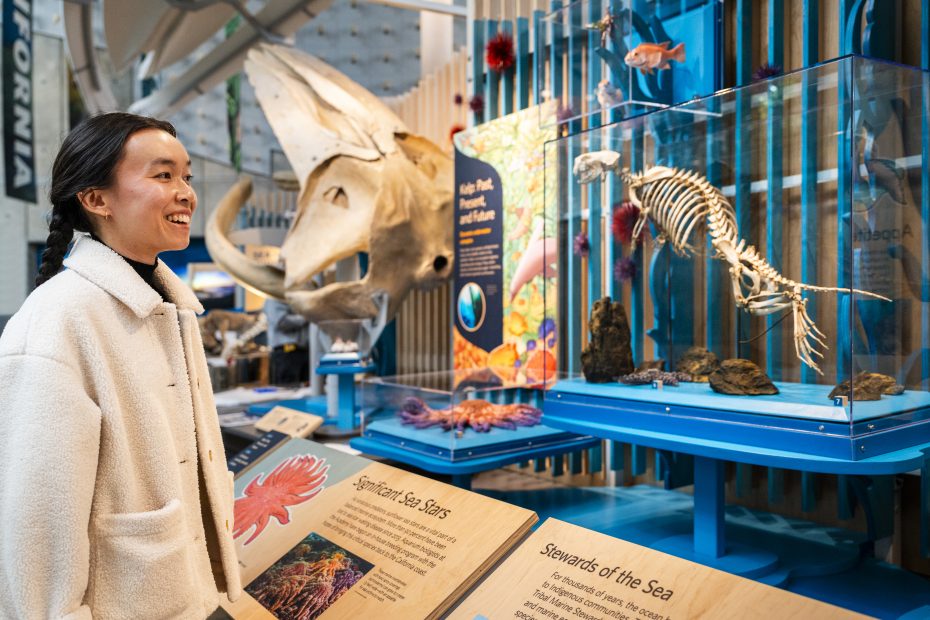
In the Coastal Communities installation of marine mammals, there is everything from a humpback whale skull to a sea otter skeleton. California: State of Nature exhibition 5.24.24 © California Academy of Sciences 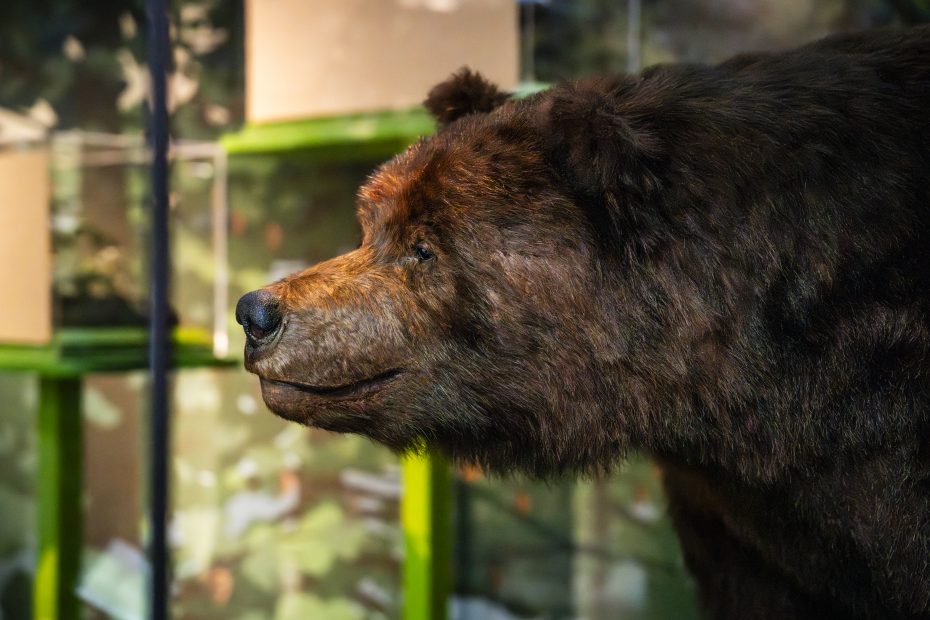
One of California’s last grizzly bears, Monarch, 100 years after the grizzly bear extinction in California. He serves as both a warning and call to conserve habitats. California: State of Nature exhibition 5.24.24 © California Academy of Sciences 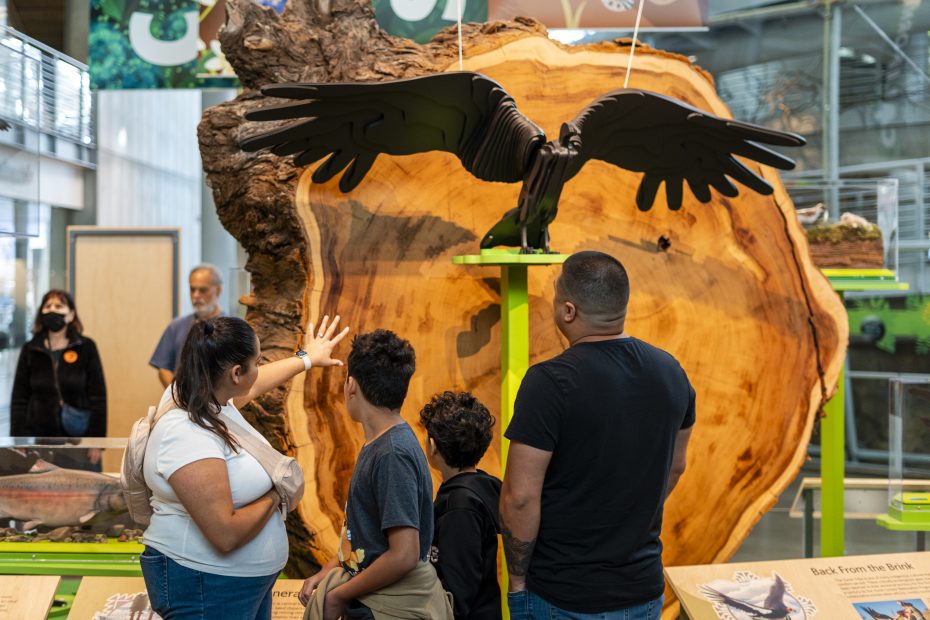
A cross-section redwood, part of the Forests and Fires secton of the exhibit where you can also learn abouyt Indigenous fire practices. The bronze bird expands its wings over visitors and releases bird calls. California: State of Nature exhibition 5.24.24 © California Academy of Sciences
The Tenderloin Museum
“Lady Harriet Sebastian: The Bridgemen,” is on view. It is a single painting done by Sebastian, who lived and worked in the Tenderloin for 25 years.
I did not know about the Tenderloin Museum until the San Francisco Chronicle wrote about its planned expansion to 10,000 square feet from 3,000, adding a room for San Francisco’s neon history, including a sign from Hunt’s Donuts, once based in the Mission District and known as the “epicenter of crime.” I so miss the sign that Prubechu painted over in 2019. It was not neon, but nevertheless history. At any rate, I digress.
We caught up with the museum’s preservation of trans history and culture.
There is a lot more going on at the Tenderloin Museum, including the permanent collection that explores the neighborhood’s history and upcoming events, such as a walking tour focused on the area’s LGBTQIA+ history. Other walking tours are listed here.
The Walt Disney Family Museum
The museum is showing rare objects featured in the book “Walt Disney Treasures: Personal Art and Artifacts from The Walt Disney Family Museum.” The objects will change every two months.
Visit the museum’s website for more information on admission costs and reduced ticketing options.
Exploratorium
Experience After Dark at Pier 15. Every Thursday evening, immerse yourself in more than 700 interactive exhibits. For people 18 and older. The museum advertises a carefree environment with new themes each night. Here is information for reduced admission.
The Mission Cultural Center for Latino Arts
See the center’s website for offerings.
Yerba Buena Center for the Arts
On Saturday, July 19th, there is a celebration of Creative Youth, presenting artwork and performances from the 2025 Creative Youth Awards artists. It will run from noon to late afternoon. Tickets are here.
On August 1, Yerba Buena will open “Bay Area Then,” an art show about what artists managed to create in the 1990s that includes work from Arnold Kemp, Alicia McCarthy, Margaret Kilgallen and Rigo 23.
Entry to YBCA Galleries is free on Wednesdays and second Sundays.
Museum of the African Diaspora
The Museum of the African Diaspora will be closed until September.
Jewish Contemporary Museum
The museum closed in December for at least a year as it works out its financial situation. You can learn more here. Laura Waxmann wrote a good piece for the San Francisco Chronicle about the difficulties museums are facing.
Its closure is a reminder of to visit our museums.
An aside: It makes me sad how few people are aware of San Francisco’s absolutely key role in mid-century abstract expressionism. When people think of that movement, they think of New York. But SF was right there with NYC. The California School of Fine Arts (later San Francisco Art Institute, now defunct) was a *hotbed* of abstract expressionism in the late 40’s, 50’s.
So why post this on your museum article? SFMoMA has a *ton* of this stuff in its vaults, never to see the light of day. So does the Oakland Museum. SFMoMA’s last show of this stuff (aptly titled “The San Francisco School of Abstract Expressionism”) was 30 years ago. That’s thirty years of everyone forgetting SF’s key role in this major American movement. I’d argue that SF’s AbEx work is the most important art ever to come out of SF. Since then, we’ve had artists here and there, but we’ve never been a key “scene.” We really do it and ourselves a disservice by letting it disappear.
Stephen, I appreciate your concern about letting SF’s role in the art scene disappear from memory.
I might have some fun discussing which art movement was the most important here. The 1930s fresco movement, bookended by Diego Rivera’s *two* sojourns here, might challenge the Abstract Expressionist scene for influence, and a positive one at that.
This is a very useful article with great links, thank you!