

Angel may be 19 — just “a baby,” one woman watching his drug court hearing observed — but he’s used to making decisions for himself.
Equipped with a fifth-grade education and speaking no English, Angel left Central America for the United States when he was 14. He’s been on his own ever since, trusting no one, his attorney said.
This spring, Angel, a curly-haired teen with the beginnings of a beard, sat in San Francisco’s Drug Court, facing charges of fentanyl possession. As he listened to the translator murmuring in his ear, his attorney asked that he be diverted to an addiction treatment program. The judge agreed.
“No,” Angel said, addressing the court for the first time.
Instead of going to treatment, the 19-year-old wanted to proceed with a criminal trial. No matter that he could get two years in prison and then be deported.
Angel is not alone. A 2019 national survey on tobacco, alcohol and drug use found that approximately 95 percent of people who meet the criteria for a substance-use disorder neither seek nor want treatment.
This reflects what San Francisco doctors, judges, attorneys, social workers, drug users, and former addicts have seen: People struggling with substance use often reject treatment the first time it’s offered. There are different reasons why.

‘Petty empowerment’
Saying no, Angel’s attorney said after his hearing, was in part an act of “petty empowerment.” In custody for over four months, the teenager was told what to eat, when to wake up, and where to go. “He wanted something to control.”
It is not uncommon for people, especially those going through the justice system, to reject treatment because they lack faith in the process.
Clients who reject diversion, the defense attorney said, often can’t envision life without addiction. Nor do they trust authority figures to help them.
A few weeks later, the attorney did convince Angel to accept treatment, and the court granted him another chance to say yes. But this doesn’t always happen.
“It’s heartbreaking,” said Behavioral Health Court presiding Judge Charles Crompton, who has heard many defendants turn down opportunities to go to a recovery center.
“They want to do it in their hearts,” he believes. “But at this time, they just are not equipped to do it.”
Incarceration, for some, can be the easy way out, Crompton added: Drugs are still accessible inside jails and prisons.
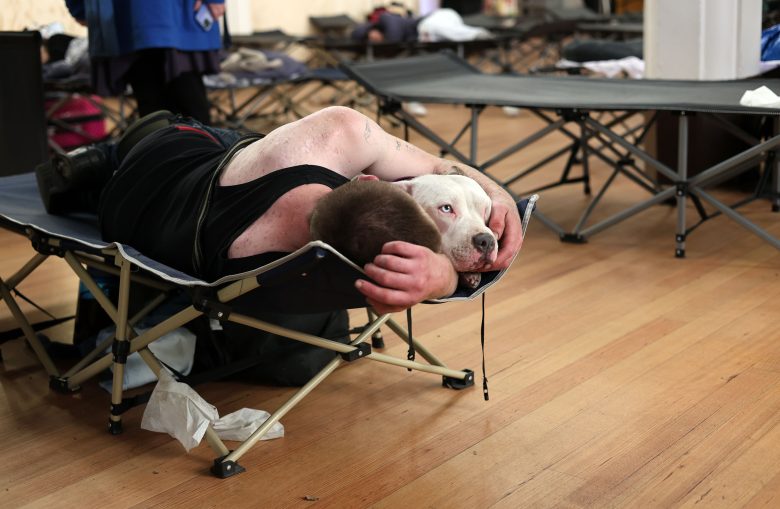
What’s more, the city’s shortage of treatment beds and clinicians means some defendants have to choose between waiting in jail for a spot in a treatment program, which can take months, or pleading guilty and being released on probation.
“I ended up sitting in jail for an extra three months, thinking somebody was going to come and interview me and pull me out and get me into this program,” said one Community Treatment Court defendant. He thought he was headed for Baker Place, a residential treatment facility. “It just kind of never happened.”
After raising the issue in court, he was placed in a different treatment program a week later. But not everyone is willing, or able, to wait.
And, while inmates are screened at intake for substance use and treatment is offered inside jail, medical detox cannot be forced.
There are currently some 1,200 people in San Francisco county jail. Around two-thirds suffer from stimulant-use, opioid-use, or alcohol-use disorders. According to the Department of Public Health, each month 400 of these inmates, just over half, receive medications for opioid- or alcohol-use disorder.
Half of the jail population, the Department of Public Health added, is released within three days, “limiting the ability” to ensure they are connected to care post-release.
‘Treatment doesn’t happen in an hour’
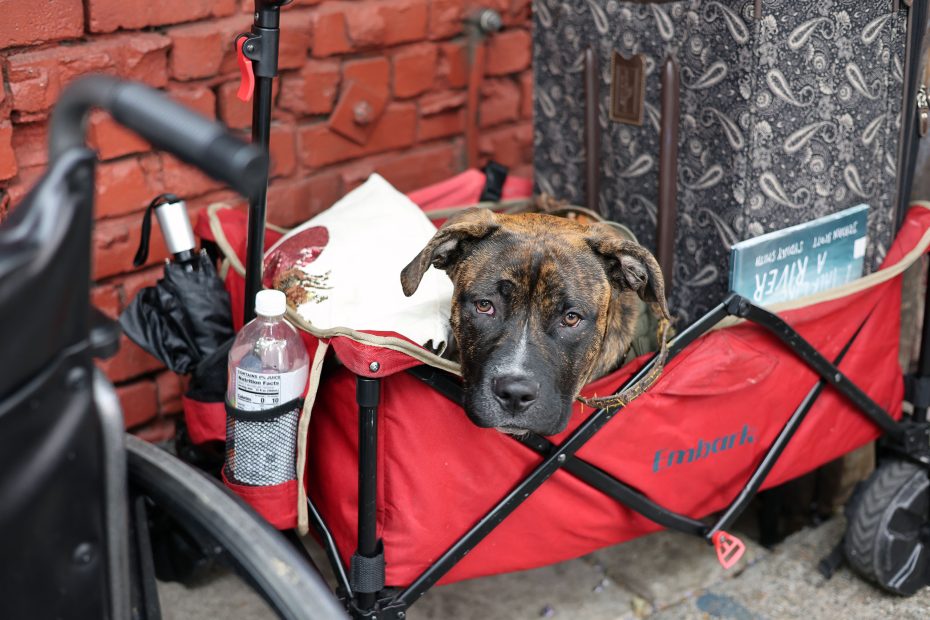
Pigpen, a six-month-old tiger-striped pitbull, rides around the Mission in a red wheelbarrow known to many who live in the SROs around 16th Street. The dog became a part of the community when his former owner went into detox.
Because pets are not allowed in the city’s detox programs, patients must find them a place to stay, or abandon them, before beginning their journey to recovery. What may seem like the everyday hassle of finding a pet sitter can make all the difference for people who see their animals as their sole protectors.
There are many seemingly small barriers that can prevent someone from going to treatment.
“Treatment is not something that can happen in the next hour,” says Sonia Jenkins, a substance-use-disorder specialist at the Gubbio Project, a nonprofit that does homelessness outreach.
Sitting behind a table of safe-use supplies, Jenkins rattled off a checklist of what you need to do before entering detox: Procure a cell phone, get your meds, make sure your insurance covers the stay, or that your public-health benefits are transferred to San Francisco. If you’re homeless, get rid of your belongings or find a place to store them.
Often, Jenkins added, the person she is explaining this to hasn’t slept in days.
Some drug users are reluctant to go to an addiction-treatment program that can accommodate them, but not their partner. Some are looking for a place designed for queer people. Some worry that they’ll lose their spot in line for public housing if they go to a 90-day inpatient program.
Certain specialized centers, Jenkins said, have longer waitlists than others. The programs with the longest waitlists, she and other social workers say, are those for patients who deal with both addiction and severe mental illnesses.
The Department of Public Health did not specify how many dual-diagnosis beds were currently available, but said that “most” of the city’s 2,550 residential treatment beds were designed for this purpose. While city-funded providers may have specialties, all are expected to treat dual-diagnosis patients.
Detox beds are typically available within 24 hours. Residential treatment beds typically come with a four day wait. Mental health focused residential treatment beds, according to the Department of Public Health, “may require a longer wait.”
Getting in can be “super hard,” Jenkins says. For unhoused people with illnesses that leave them with “no sense of time,” doing paperwork to secure a spot can “feel impossible.”
Withdrawal meds carry ‘very valid fears’
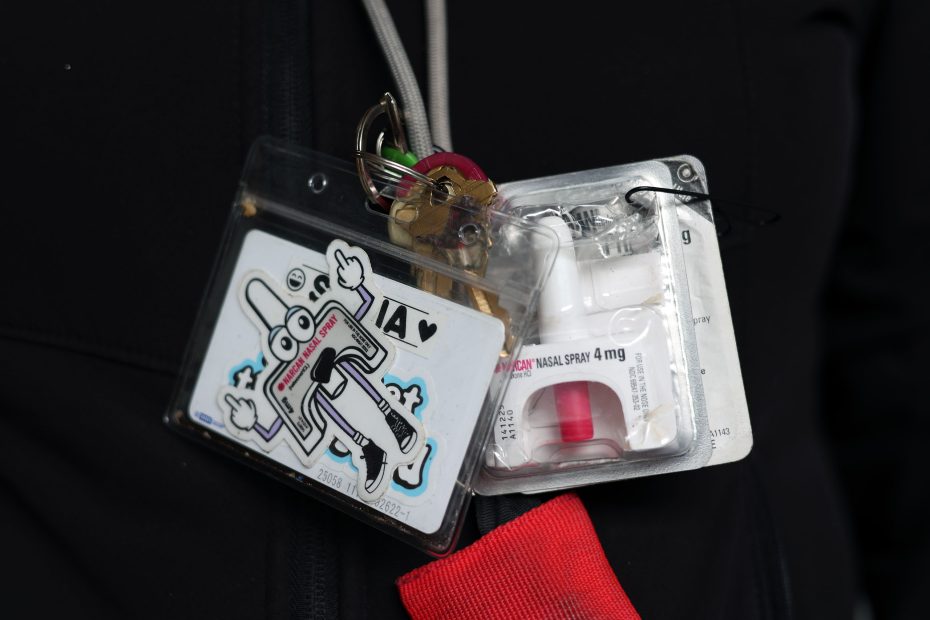
According to Dr. Scott Steiger, an opioid-use-disorder specialist at the University of California, San Francisco, medication is a key part of successful treatment for opioid addictions like fentanyl. But there are, he acknowledges, “very valid fears” that can prompt people to refuse that medication, especially the first time around.
Those fears are often related to how a patient feels immediately after the process begins.
Extended-release naltrexone, a drug given in San Francisco clinics, requires a patient to have already detoxed. Buprenorphine can cause an immediate and traumatic withdrawal. A patient taking methadone may have to wait weeks before they feel better, even if they visit a clinic daily.
“That’s a hassle that might turn people off,” Steiger said, especially people who are afraid they will lose their jobs if withdrawal makes them too sick to work.
Detox is physically taxing. So much so that it can turn people off from treatment.
“It might be cheaper just to buy a little bit of fentanyl and make it through my day, every day, as opposed to having to go to a place and pick up medication every day, especially if, for the first few weeks, I am not able to stop buying fentanyl,” Steiger explained.
‘The magic trifecta’
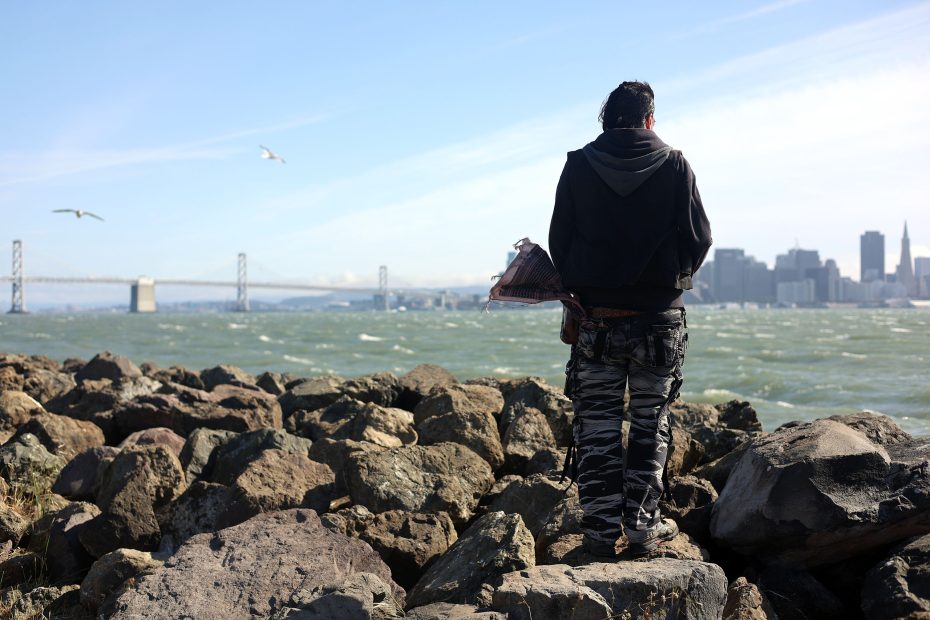
Take the case of Indigo, who is now in recovery at an outpatient program. In the ’90s, a 19-year-old Indigo left his Ohio hometown and his parents, who were both addicts, for the streets of the Mission.
At the time, he said, the neighborhood was “off-the-hook-crazy land.” When there was a police bust, the sidewalk nearby would be covered with tiny balloons of heroin that dealers spit out of their mouths. Twice, he said, a neighborhood dog overdosed from pills it found on the ground.
Indigo got sober following the death of his partner, and moved into a commune that forbade drugs. He relapsed anyway. For two years, he was a “functioning addict” –until his roommates found out.
Instead of getting help, he left.
“Rehab didn’t seem like an option,” Indigo sighed. Grief over both the deaths of loved ones and the life he once imagined in San Francisco made the possibility of change seem hopeless.
Embracing treatment, Indigo reflected, is impossible without safe housing and stable mental health. The fleeting times when he was sober, housed, and not depressed always felt like a stroke of luck: “You have to hit the magic trifecta.”
Many agree that going to treatment takes a backseat when their basic housing and mental health needs aren’t being met.
After two years of pursuing treatment, Indigo is now sober, fed, and housed by a city program. He’s started to “feel okay,” like his dream of having his own place in the city may be possible after all. But he’s still waiting for permanent supportive housing.
‘Making it stick’
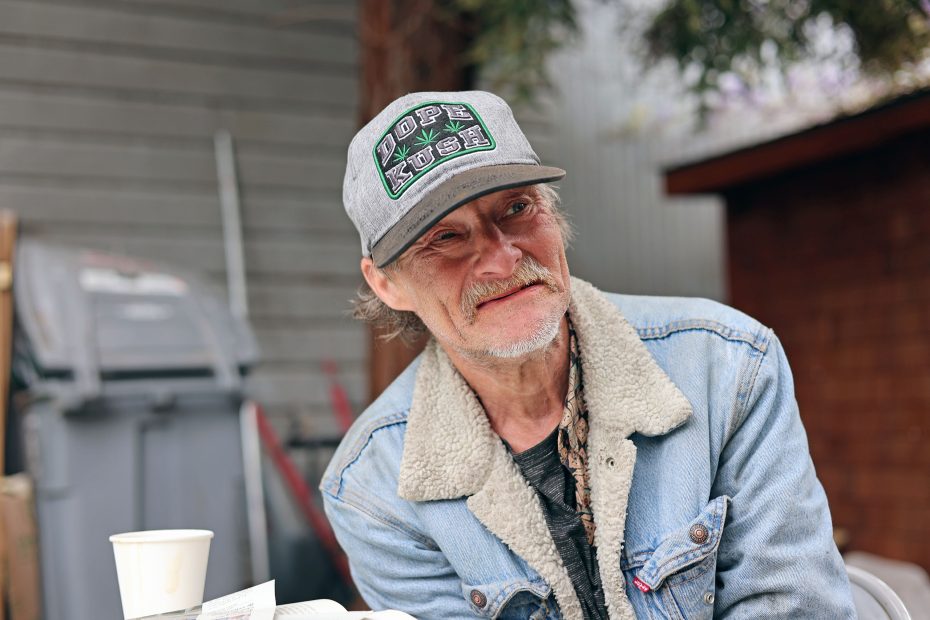
For some, rejecting treatment is a simple calculus: They just don’t want to give up drugs.
“I’d be weirder without it,” said Declan, who compared the effects of meth to drinking “a whole bunch of coffee.”
“It’s my choice to use drugs,” said Aleya. What she wanted from the city was more job opportunities and safe-use sites.
Elijah Donaldson, who is now three years sober after participating in a court treatment program, could imagine that mindset. “They’re comfortable with the lives they’re living,” Donaldson said. “They don’t want to [get help] and they don’t have to.”
Others in recovery say that they didn’t seek treatment before because they simply “weren’t ready.”
There is a lot of “shame and stigma” around getting help, said local substance-use-disorder specialist Amber Sheldon. Changing someone’s mindset is never straightforward, especially when substance-use disorders are infamous for relapse, and most people require more than one round of treatment to recover.
“There’s no formula,” said Jenee, who adopted Pigpen, the dog whose former owner went into detox. She has had her own experiences with “cleaning up in jail” and feeling better — for a bit.
The problem, she said, is “making it stick.”
Thanks for the good reporting.
It helps to be reality based about what we face dealing with a drug/homeless/crime problem.
It is not exactly all ponies and unicorns.
All of these articles seem to include the damning direct quotes at the very end. They tell us in their own words what they’re doing and why they’re doing it.
It’s their prerogative to throw their lives away taking meth and fentanyl. Unfortunately they also insist on taking over and destroying the public commons in the process and that is what people are rebelling against.
Why would we ever offer an addict the choice of 90 days or more of rehab or immediate parole? Of course they’re likely to choose the easy path: they’re drug addicts. If we want an effective drug treatment diversion program, then the alternative needs to always be at least the same amount of time in jail.
People like Declan and Aleya should get a one-way ticket out of town. Enough is enough.
No one said this life would be easy .
Unless forced , the person taking drugs made that choice .
If it was easy to stop , then this would not be happening.
Addicts are addicts .
They will keep ingesting poison until they die .
It is tragic .
All the excuses have been heard and will be heard and tried again.
They are harming themselves impaired and cannot make logical informed decisions .
They choice is either stop and follow the strict rules or go to jail,
That they find that challenging so what .
Their selfish destructive behavior requires immediate intervention .
Sympathy begins when the person admits they have a problem
and takes responsibility to take care of it .
Very much over the game this city is playing with peoples life .
Impaired persons taking illegal drugs need to be removed and either processe immediately thru a drug court or jail.
Anything less is harming them .
They should appreciate the opportunity to get better rather then rot away .
I’m sincerely happy that you have never experienced this difficulty in your own family. When you see this first-hand your mindset changes completely. I truly wish there was a way for people to experience this understanding without having to directly live through it themselves. Empathy, I guess; and I deeply hate media for profiting off of this chasm (I’m looking directly at you, Mission Local, for using advertising to profit off of this sort of conversation. I say that as a monthly subscriber.).
“Sitting behind a table of safe-use supplies, Jenkins rattled off a checklist of what you need to do before entering detox: Procure a cell phone, get your meds, make sure your insurance covers the stay, or that your public health benefits are transferred to San Francisco. If you’re homeless, get rid of your belongings or find a place to store them.
Often, Jenkins added, the person she is explaining this to hasn’t slept in days.
Some drug users are reluctant to go to an addiction treatment program that can accommodate them, but not their partner. Some are looking for a place designed for queer people. Some worry that they’ll lose their spot in line for public housing if they go to a 90-day inpatient program.”
Those are all VALID CONCERNS. Every single one of them. Now add the question of what the hell to do with your dog, and it’s a wonder anyone gets into rehab at all.
Are the concerns of the Mission residents whose neighborhood these people are trashing not VALID as well? How about the VALID concerns of taxpayers who are footing the bill for all of this and seeing little progress?
They didn’t say otherwise. Two things can be true. Can we stop the infighting?
I’m not sure where you’re seeing anything in the article that says otherwise. There’s been no shortage of reporting about the costs of homelessness/addiction, and how it’s affecting the city. Aren’t you in the least interested in *why* there is resistance to accepting what the city has to offer?
It’s not a zero sum game of concern validity. It’s possible that both the housed resident concerns are just as valid as the drug addicts concerns. Not saying that the negative impacts of open drug use are in any way acceptable, but obviously the barriers described here play a role so shouting about whose concerns are more valid seems like an exercise in futility.
You could’ve talked to any of their family who would confirm the list of excuses for why these people need to be a huge burden on everyone else starts long before the first move to San Francisco to do taxpayer funded drugs all day.
Do you ever give it a rest? Your hot take on these issues contributes in no small part to everyone’s misery. I hope you find what you need in life to stop being so miserable; sincerely.
Santiago Lerma of DEM said that most addicts that they’re reaching out to around 16th/Mission are neither homeless nor residents in San Francisco.
Is San Francisco supposed to offer up this kind of intensive, expensive and crap shoot effective substance treatment to whomever shows up on our sidewalks?
The only thing more cruel than arresting and incarcerating addicts would be forcing them to stare down increasingly shitty life prospects stone cold sober.
“Because Capitalism!” should not be an excuse for marking time and cashing checks, rather should be answered by San Francisco breaking new ground and working with retired MDs to write prescriptions for pharmaceutical opiates of known dosages and purities so that addicts can safely use indoors in latter day opium dens. That’s much less expensive and a much more reliable way to mitigate the downside impacts of addiction on addicts as well as everyone else.
” rather should be answered by San Francisco breaking new ground and working with retired MDs to write prescriptions for pharmaceutical opiate”
(Illegal under current law)
This would create a national draw and drug circus we haven’t been close to seeing yet. Yes, they do this kind of thing in Switzerland, but that’s following a national referendum on it, across the country as a whole and as part of a broader effort that includes a slew of action we’re falling (way) short as well, legal or otherwise.
Dope fiends aren’t coming in from Novato to buy, get high, and then sign up for Baker House. There isn’t enough context to know what the fuck Lerma is talking about.
It’s not realistic SF could roll out a diacetylmorphine/morphine option, but one can dream.
https://youtu.be/4_gs1SrwFlg?feature=shared
https://www.sciencedirect.com/science/article/pii/S0955395921004667
It’s my choice to use drugs,” said Aleya. What she wanted from the city was more job opportunities and safe-use sites.
Well, it’s employer choices to not want folks on drugs. And it’s taxpayer choices to not want to fund safe-use sites.
The kid sat four months for a possession charge that carried max two years? Wtf? Probably needed $500 to bond out.
The only drug mentioned that may entice anything more than a negligible number of entrenched opioid addicts is methadone. Why doesn’t the city scale up, plus make it more convenient? What objection could the Lily Hos of the world have? I don’t get it, but I’m sure there is some lame rationale.