



The city is converting dozens of long-term residential treatment beds at the Behavioral Health Center on the campus of San Francisco General Hospital into secure “locked” beds for patients with more severe conditions. This proposal has induced nurses to protest the displacement of patients who have been living at the center for up to over a decade.
The move was announced by Mayor Daniel Lurie on Monday morning as an addition of “73 new treatment beds” to count towards the mayor’s 1,500-bed goal.
But the math requires explanation: Sixteen of the beds will be residential beds added to the Seventh Street Dual Diagnosis residential treatment program. The remaining 57 will be the new so-called “locked” beds at San Francisco General for hospital patients who need 24/7 intensive psychiatric care.
Those 57 “locked” beds will replace 97 treatment beds at the Behavioral Health Center, 82 of which are presently occupied by long-term patients.
“They are playing numbers games now,” said Jennifer Esteen, a psychiatric nurse at the Department of Public Health and the vice president of organizing for SEIU 1021. Esteen spearheaded the successful fight to keep the city from closing the Behavioral Health Center back in 2019.
To swap out the beds at the Behavioral Health Center, Lurie is using $21.3 million in state funding to undertake the necessary “critical renovation,” according to the Department of Public Health.
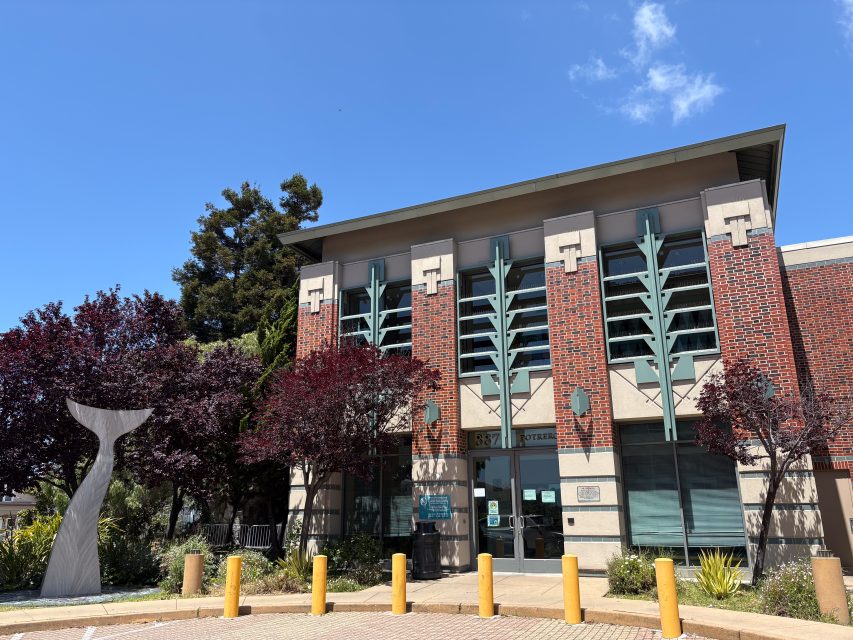
Nurses at the Behavioral Health Center have highlighted that this swap is done at the expense of moving the current 82 residents elsewhere.
In a May 9 letter sent to the 82 current residents of the Behavioral Health Center, a three-story board-and-care facility that treats seniors and adults suffering from mental health issues, the Department of Public Health confirmed that they “will move to a new home.”
“The Department of Public Health is planning to change the first and second floors of the [Behavioral Health Center] into a different type of care program called locked subacute treatment,” read the letter from Angelica Almeida, chief integrative officer of the hospital administration. “This change means that you, or your loved one, will move to a new home.”
Many of the residents staying at the center at their assigned beds don’t have the capacity to cook their own meals or take their own meds, nurses say. Nurses at the center also warn that, if moved, “vulnerable” residents who receive long-term, intensive and round-the-clock care at this board-and-care facility will be at high risk to become homeless, fall back into drug use, or simply “decompensate and die.”
The letter acknowledges “leaving a place that has been your home” can be “hard,” and assures the residents, in bold-face writing: “You will not lose your housing.” Residents will only be moved “when a new home that meets your needs is found.”
The letter underscored that there are options elsewhere in San Francisco, including in the Sunset, Mission, Richmond, Bayview and Hayes Valley — but nurses are skeptical that these will offer the same level of care as at the Behavioral Health Center.
The 82 current residents of the center will be displaced within the next four to five months, according to a letter sent by the CIO of San Francisco General Hospital on May 6 to the center’s staffers. Nurses who attended the meeting say that the city promised that they will not lose their jobs.
When asked where the displaced residents will be housed, a mayoral spokesperson referred the inquiry to the Department of Public Health. The health department said it “will work closely with current [Behavioral Health Center] clients to relocate to another facility and will ensure that all of their care needs are met.”
The Department of Public Health called the creation of new “sub-acute” beds a “rare opportunity … to serve our most complex clients” because “locked treatment facilities are incredibly difficult to acquire or construct.”

But nurses are unsatisfied. “They didn’t give us any concrete answers,” one nurse recalled of a May 6 meeting with representatives from human resources at the hospital regarding the proposed closure. “They don’t have any concrete plan,” said another.
It would be challenging for private board-and-care facilities to take in these residents, nurses say. Some residents have conditions that private facilities can’t tend to, while others have no families; some are undocumented. Many are long-term Behavioral Health Center residents.
Half of the adults living on the first floor at the Adult Rehabilitation Facility have lived there for more than seven years, according to Esteen. Half of the seniors have lived there for more than five years, she added.
About 19 out of the center’s 82 residents have lived there for more than 10 years, Esteen said.
A nurse said the location of the center is also ideal for the residents, especially the seniors: The emergency room, urgent care, doctor’s appointments, and grocery stores are just blocks away. There’s even a Ross clothing store up Potrero Avenue for shopping.
“They are familiar with the neighborhoods,” the nurse added. “And the staff is almost like family to them.”
The nurses’ union is planning to meet on May 14 to talk about its next steps. “We are preparing to take some actions,” Esteen said. The city has another community meeting at the center on May 29, according to the department’s letter to the residents. And, in June, the city will “begin meeting one-on-one with every resident to learn about your needs and wishes.”
More than 70 residents have signed a letter addressed to the Board of Supervisors and leadership at the Department of Public Health, pleading with them not to close the center.
“We are not just clients on a roster, we are human beings, and we are finally beginning to thrive because of the environment and care we receive here” the residents’ letter read. “Please, we ask you with compassion and urgency: do not take this away from us.”
SF needs more locked acute and subacute beds for those with psychosis and it needs board and care beds as well. And the proper staff to care for this population
Where will those residents go/ what are the “options” in other neighborhoods”? If there are good places to relocate these fine folks, I can see some benefit to this plan. (Some). If there aren’t, it’s a really, really bad idea that will end up hurting vulnerable folks and wasting valuable resources. It’s hard to see even a PR win for the Lurie administration. Stay on this one, please, Mission Local and thanks for this story. What person in the Lurie admin cane up with this idea and is leading it?
This is not OK. Taking existing Residential beds and counting them as new beds in this situation is ridiculous and the Mayor needs to be called out on this lie.
Second, there is no appropriate beds to move existing 82 people. They are not telling the truth here, if there were beds they could be specific. They are going to toss these folks to have more secure beds which we do need, but this is not how to do it!
“When asked where the displaced residents will be housed, a mayoral spokesperson referred the inquiry to the Department of Public Health. The health department said it “will work closely with current [Behavioral Health Center] clients to relocate to another facility and will ensure that all of their care needs are met.”
I’m not sure where you came up with the idea that the beds were created in 2004 and that they were taken from those on the streets (???). I’m a nurse who began working at the Behavioral Health Center when it first opened in 1997 and was there until 2018. The beds have existed there for that long and many of the residents have been there for almost that long as well. None of the beds there have been taken away from anyone.
Please note that those current board and care beds were created in 2004 when the DPH director took them away from the seriously mentally ill who needed conservatorship and wound up on the streets.
So we make the same mistake again in lieu of ADDING MORE BEDS?