

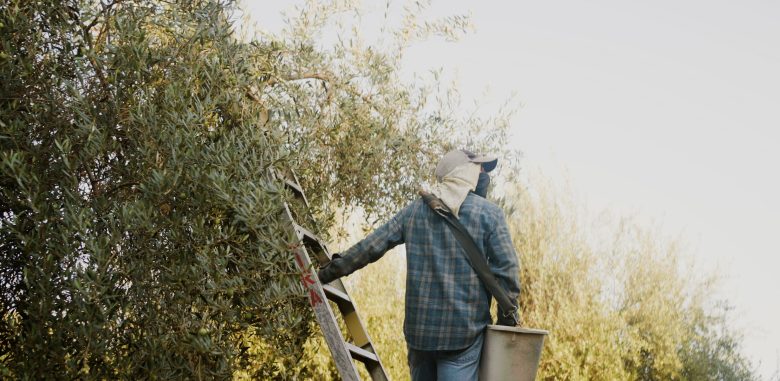

There was a time when filmmaker Andrés Lira’s grandfather would travel back and forth from his home in Mexico to the fields in California, where he worked seasonally, harvesting America’s crops. But then border restrictions tightened, leading to the current situation: There are jobs in the United States for people from Mexico and elsewhere, but virtually no legal way for the workers to come into the country to do them.
In 2020, Lira began shooting his award-winning short film “Primero, Sueño,” a documentary focused on farmworkers as they move from crop to crop, all while telling their stories of danger and hardship at border crossings. It was timely upon its release in 2023, but Lira could not have anticipated how much more poignant the film would be in 2025, as the Trump administration inflicts ever-more-Draconian policies on an already vulnerable population.
“I think we’re living in a time where there’s a lot of uncertainty and fear, and it’s a lot easier for people to blame an outsider for the root of their problems,” says Lira, a native of Tulare, California, over a Zoom call. “I don’t think people realize how much we rely on these immigrant farmworkers and how vital they are to our economy. [Americans] get the majority of our produce from California, and the majority of that produce is harvested by these undocumented immigrants.”
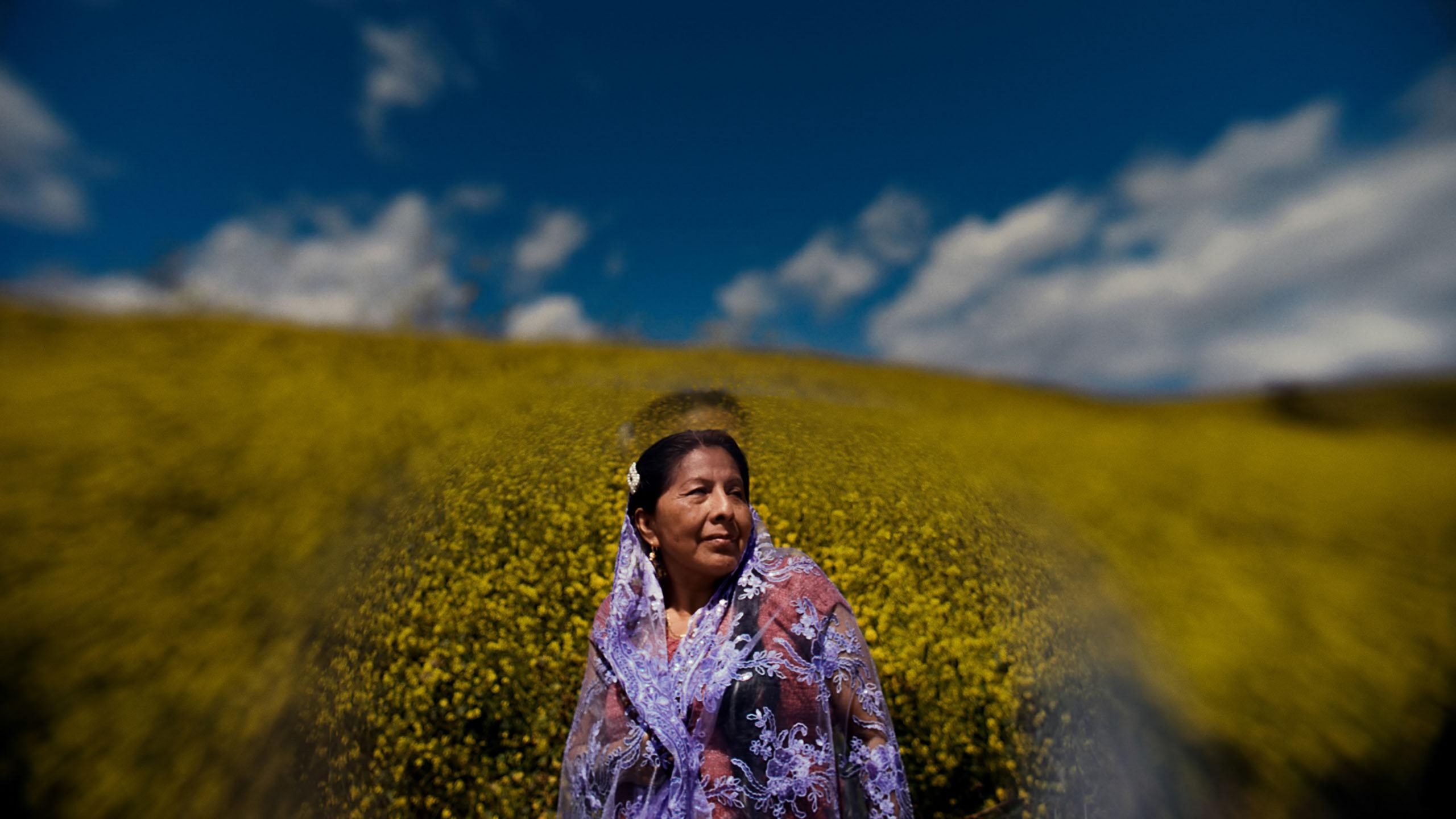
“Primero, Sueño” is one of five films screening on Saturday, April 5, at the Roxie Theater as “Serenata de Protesta,” a slate of shorts that confront the migrant experience.
Susana Canales Barrón’s “$40 Billion” focuses on the place of workers within the wine industry. Robert Machoian and Rodrigo Ojeda-Beck’s “The Long Valley” observes life in the Salinas Valley. Brenda Avila Hanna and Megan Martinez-Goltz’s “Los Nuevos Canarios” centers on a community fighting for labor and environmental justice. The winner of the Short Film Jury Award for US Fiction at the 2025 Sundance Film Festival, Jazmin Garcia’s “Trokas Duras” journeys into the world of the day laborer.
“Serenata de Protesta” is a project of CiNEOLA, co-presented by that organization, the Roxie’s RoxCine program of Spanish language and US Latinx films, and the Watsonville Film Festival. Founded by Colombian British filmmaker Daniel Díaz in Chile in 2014, CiNEOLA was originally conceived as a crowdsourcing platform for Latin American filmmakers. That mission changed in 2020 when Díaz, now based in San Francisco, shifted focus and presented the first CiNEOLA festival online in the midst of the pandemic. Currently, the organization puts on two festivals, one devoted to Latinx short films in the spring, and one for Colombian documentaries in the fall. It also produces films and curates short films online from across Latin America on its website.
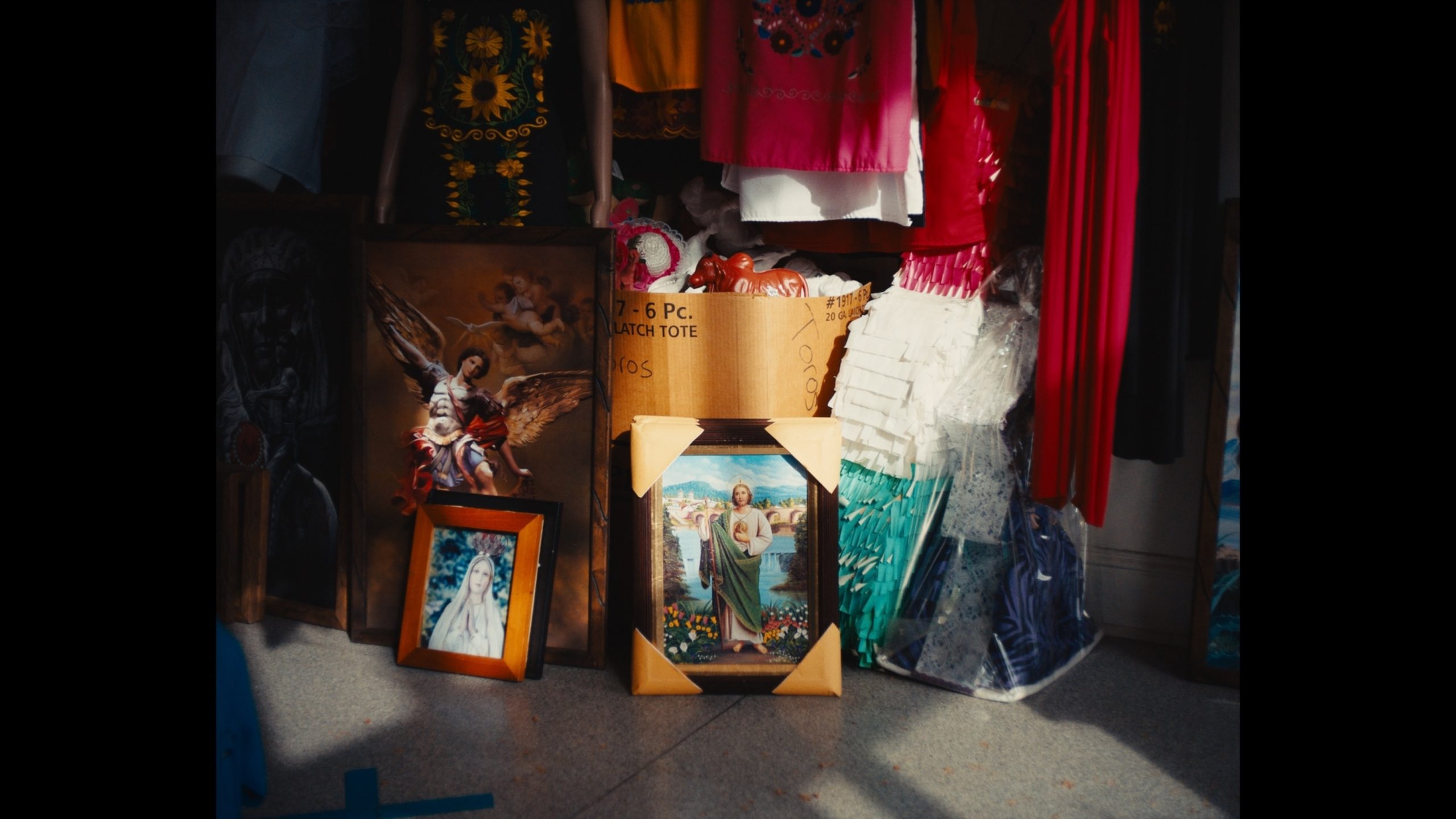
“The intention behind CiNEOLA was always to showcase nonfiction from emerging filmmakers from Latin America and really look at the breadth of realities and cultures that represent that region,” says Díaz. CiNEOLA first presented its Latin American shorts program at the Roxie last April with a program called “Every Possible Frame / Cada Cuadro Posible,” a collection of personal narratives from filmmakers outside of the United States.
The films in “Serenata de Protesta,” by contrast, are the work of mostly local filmmakers. Each is focused on the lives of people who are doing necessary work in this country, but who have become boogeymen in the second Trump administration’s xenophobic, increasingly Orwellian push against migrants and immigration.

“This particular program came to be as a reaction to everything that is happening now, and how these narratives and these experiences are being erased by this administration, and how this administration is criminalizing migrant workers,” says CiNEOLA co-director Diana Sánchez Maciel. “I think what this program seeks is wanting to humanize these experiences, humanize these narratives.”
All the filmmakers in this program were telling stories specific to their own communities, adds Sánchez Maciel. “They’re talking about their own communities, and they’re collaborating with their own communities on how to better understand their experiences through film and art.”
“Primero, Sueño,” a film born of the pandemic, is a prime example: Lira was studying at Sacramento State University when the lockdown hit. He returned home, determined to complete a class assignment to make a film. He turned to what he knew as the son of a farmworking family, and as someone who had worked in the fields himself. He spent a year and a half following the harvest of various crops, capturing the work and the workers’ often harrowing stories of border crossings.
“When I was making this project, I knew it was important, because this wasn’t going to be a film that I had ever seen before,” Lira says. “I knew no one else was going to tell it, and that this kind of story and this kind of format and raw approach could only be told by someone who had been a farmworker themselves.”
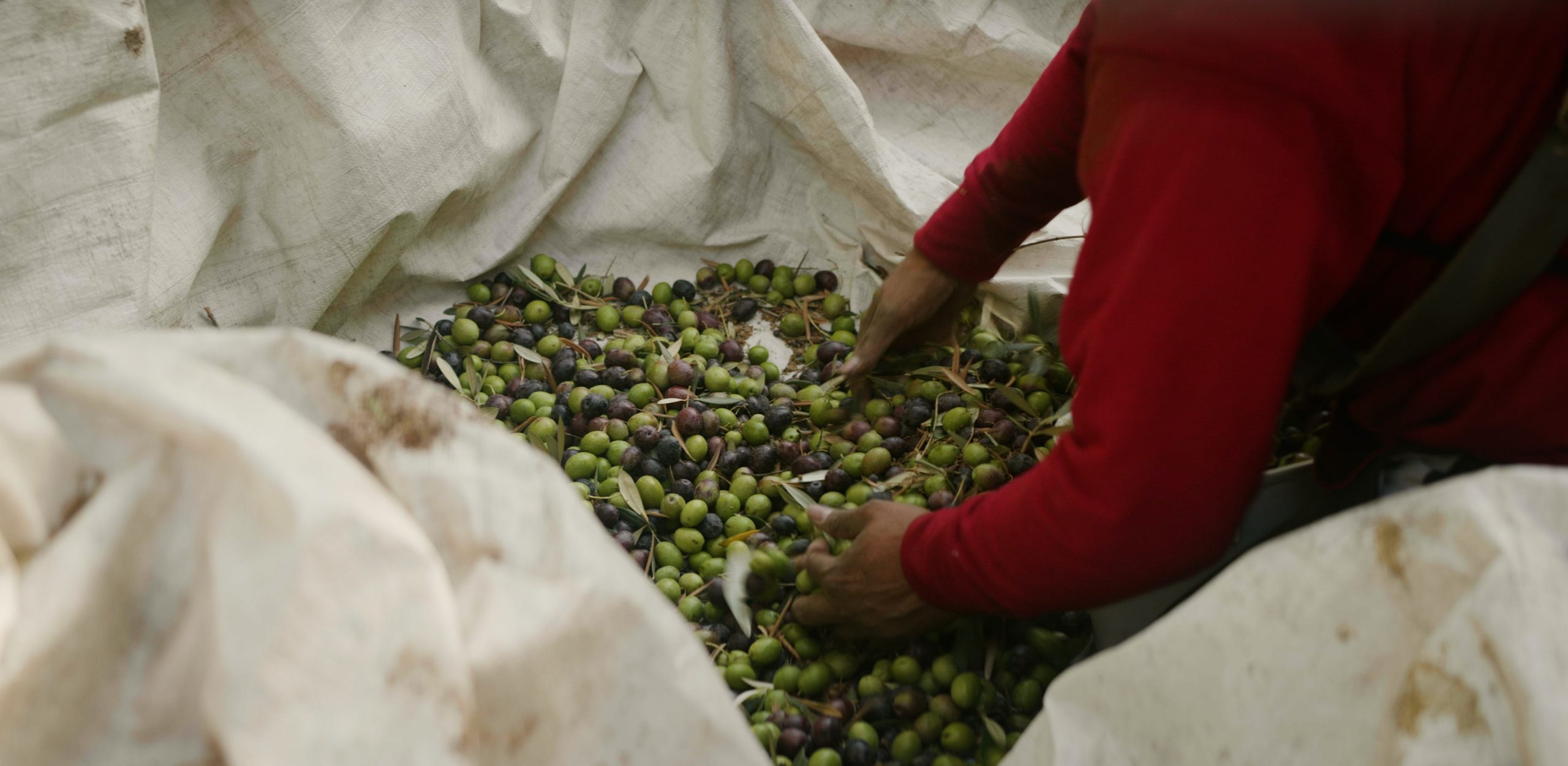
“If I didn’t come from a family of farmworkers, I wouldn’t be able to make this project, because trust was everything,” adds Lira. “I feel like if I was an outsider, I wouldn’t have had the permission to come into these fields and film.”
Lira is currently working on his second short, a narrative. In the meantime, “Primero, Sueño” has won a number of awards, and Lira was a 2023 Sundance Ignite x Adobe Fellow. But he also learned the value of a festival like CiNEOLA, as he notes how underrepresented Latinx filmmakers are at film festivals and in Hollywood.
“I started learning just how important it was for me to be there,” says Lira, “and tell the stories that aren’t being told.”
‘CiNEOLA Shorts: Serenata de protesta’ takes place at 4 p.m. on Saturday, April 5 at the Roxie Theater (3125 16th Street). Tickets and more info here.
Currently showing at the Roxie: No Other Land— the winner of an Academy Award this year for best documentary.
It is a shame that these films about migrant workers, excellent as they may be, must compete with it for promotion as an object of important local news.
No Other Land was widely censored around the world and lacked widespread distribution in the United States. One of its directors was savagely attacked by soldiers and Israeli settlers recently.
If there is any film most worth seeing now, No Other Land is it.
I stay away from that area as I feel 8tit is too unsafe.