

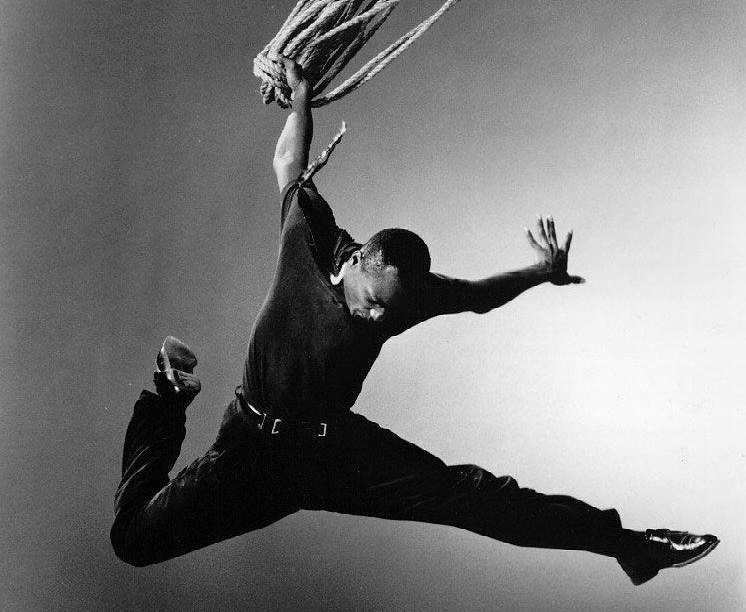

As the sun streams through a bank of windows in Dance Mission Studio 3 on a Monday afternoon in February, Robert Moses leads 11 dancers through a rapid series of conversational hand gestures, swooping arm rotations, and side-to-side foot work. Rather than dancing in concert to music, they move to a rhythmic spoken word passage written and recorded by Moses, which seems to comment on their role in the process their bodies are enacting.
They need to have someone watch them as they do it
As they become themselves
Someone with glances that flatter, with glances rather than sums
Glances that ask what’s next
Whether or not this sequence ends up in “The Kennings,” an apocalyptic-minded political indictment that Robert Moses’ KIN premieres March 14-16 at Z Space, Moses’ self-searching sensibility continues to animate the company he launched 30 years ago in the same space (when it was known as Theater Artaud). A compact man whose hair is now more salt than pepper, he seems to patiently absorb information from the young dancers, none of whom look like they had even been born when he launched KIN in 1995.
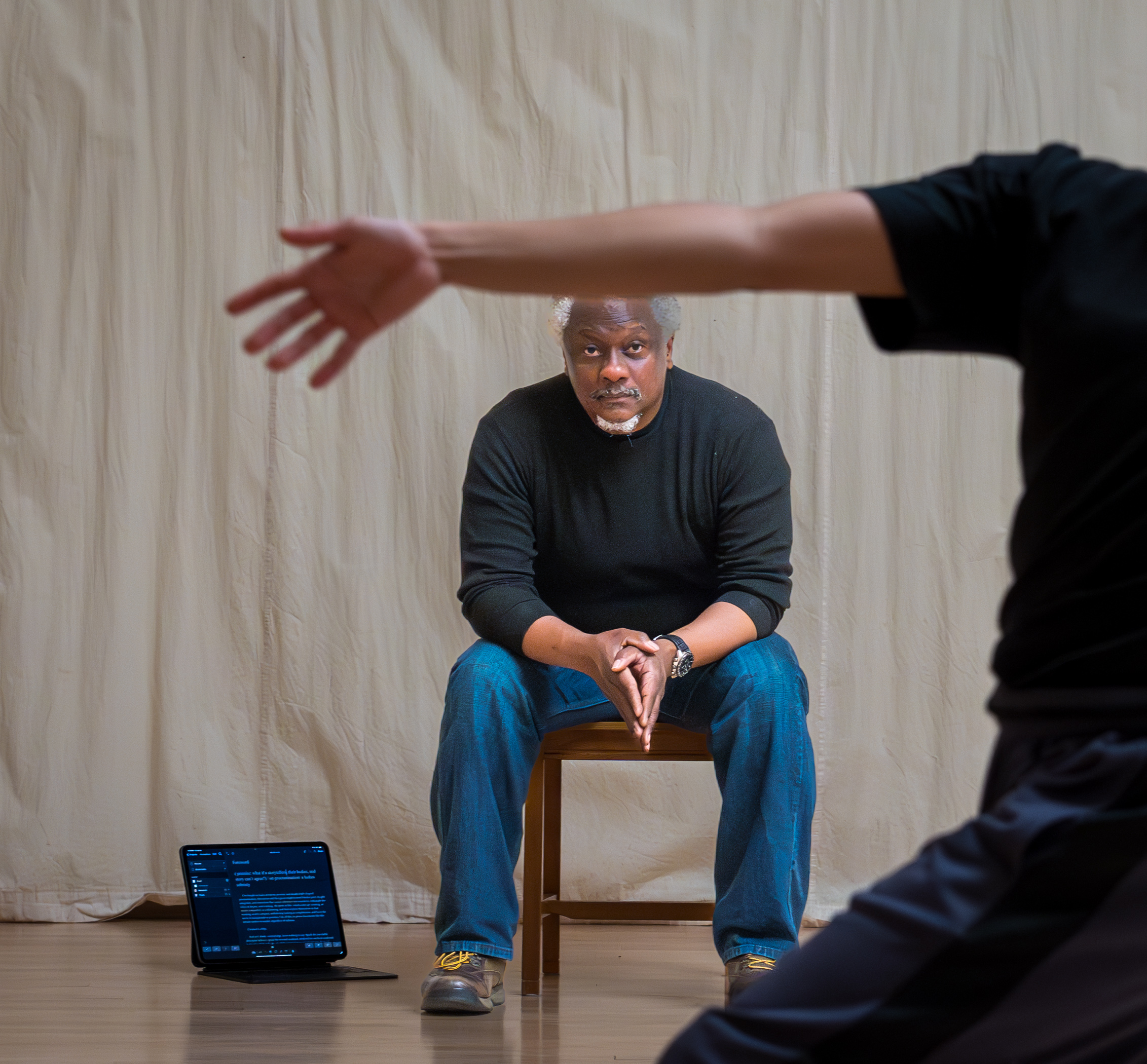
Some 30 years later, Moses continues to exert deep and widespread influence on the Bay Area modern dance scene as a choreographer and conceptualist. In a conversation after the rehearsal, he reflected on what it’s taken to keep his company in motion for three decades.
“In the beginning, you don’t get how precarious managing an arts organization might be, because when you’re starting it’s all about, ‘Let’s put on a show!’” he says with a rueful smile. “You’re ready to run into the barn and stack up some haystacks to dance on the stage. Pretty soon, the particulars of the responsibility make themselves known, but you have so much bubbling through you, issues to be addressed, movement and words that want to come out of you, you can’t just stop. You keep going.”
An influence on the next generation
Moses, who’s carved out a creative realm as a choreographer, writer and composer/sound designer, doesn’t just abide. He’s a generative force who opens up space for fellow artists to explore similar terrain. In addition to the world premiere of “The Kennings,” he’s producing three new multi-disciplinary works created by the guest artists of RMK’s New Legacies: One Acts program for emerging and established voices in contemporary dance.
The program brings together collaborative teams working with choreography, text and music, including dance makers Yayoi Kambara and Loni Landon with playwright Janesta Edmonds and composer and soprano Angela Yam. Another team features choreographer Nol Simonse with writer Jim Cave and singer/songwriter Lawrence Tome. The third grouping features dance and text by sisters Megan and Shannon Kurashige, who co-run the dance company Sharp & Fine, with music by pianist, flutist and composer Erika Oba.
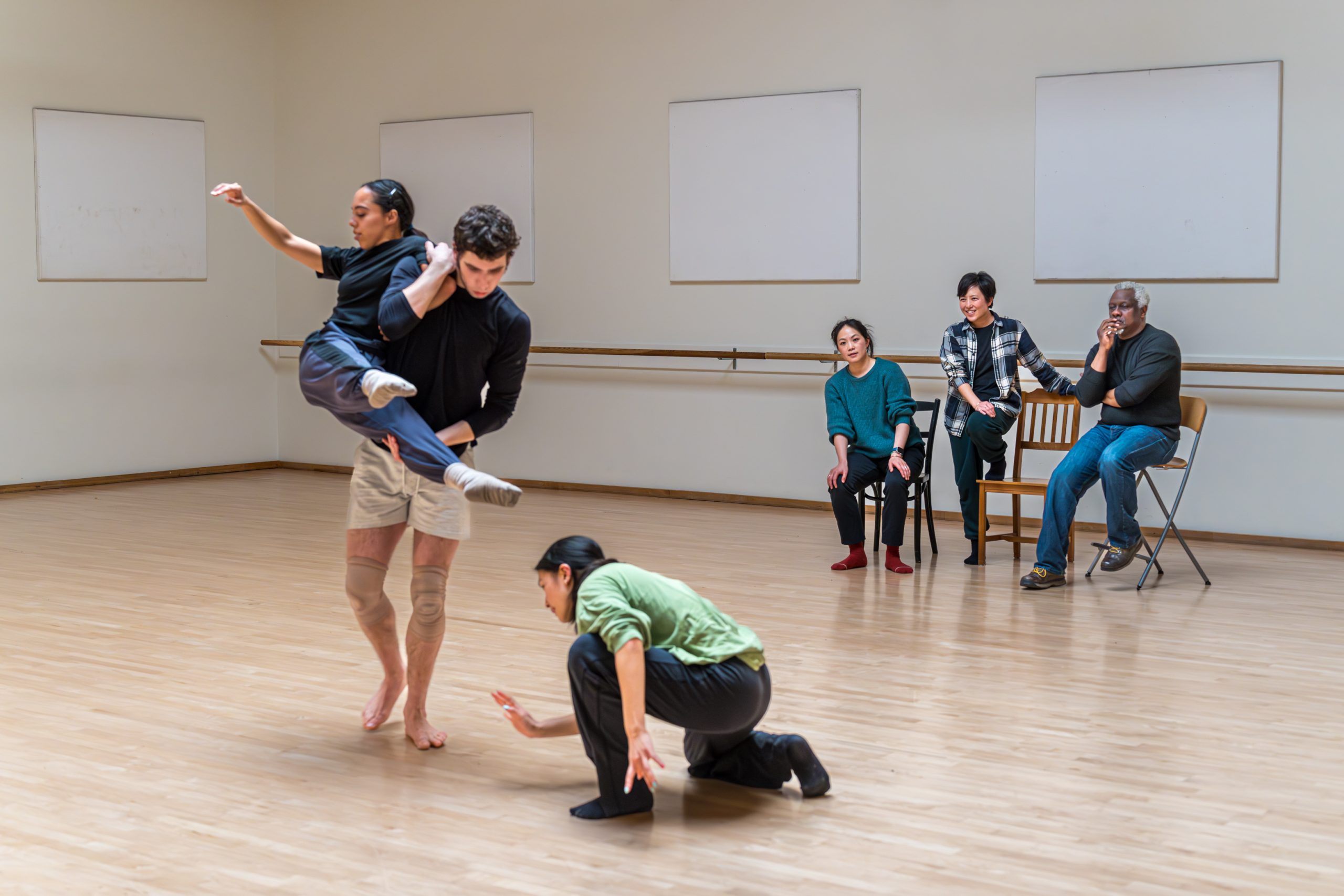
The Kurashiges first met Moses when they were undergraduate dance students at San Francisco Conservatory of Music. He was brought in to teach repertoire and create new works in the class, “so it’s really fun for us to come back and work with him in this capacity,” Shannon said on a video call with her sister.
While they haven’t worked with many of the dancers before, and Moses has given them carte blanche, they recognize that his influence helps shape the creative frisson of the collaboration.
“He’s got such a unique, highly gestural, dense movement language,” Megan says. “It’s interesting to see how that perspective has shaped the direction of some of the dancers in the Bay Area. He’s still teaching classes every Sunday, a huge influence on dancers involved in developing their own language and carrying that on to the newer generation.”
Many of the dancers have taken classes at ODC Dance and elsewhere with Amy Foley, who spent more than a decade dancing in KIN before founding her own Bellwether Dance Project, “and you can feel that background in her work and movement,” Shannon says. “It’s being passed along and absorbed by this stream of dancers she teaches.”
Mission beginnings
Moses is a case study in how the Mission has maintained its gravitational pull for dancers. When he arrived in San Francisco in the mid-1980s, he settled into a railroad flat at 22nd Street and Treat Avenue for $220 a month, “with a huge kitchen and roof access,” he recalls. “I would walk from where I lived to where I was working, take a class for two hours a day, and dance for four. l was immediately comfortable in the Mission. It’s still the San Francisco neighborhood that welcomes people.”
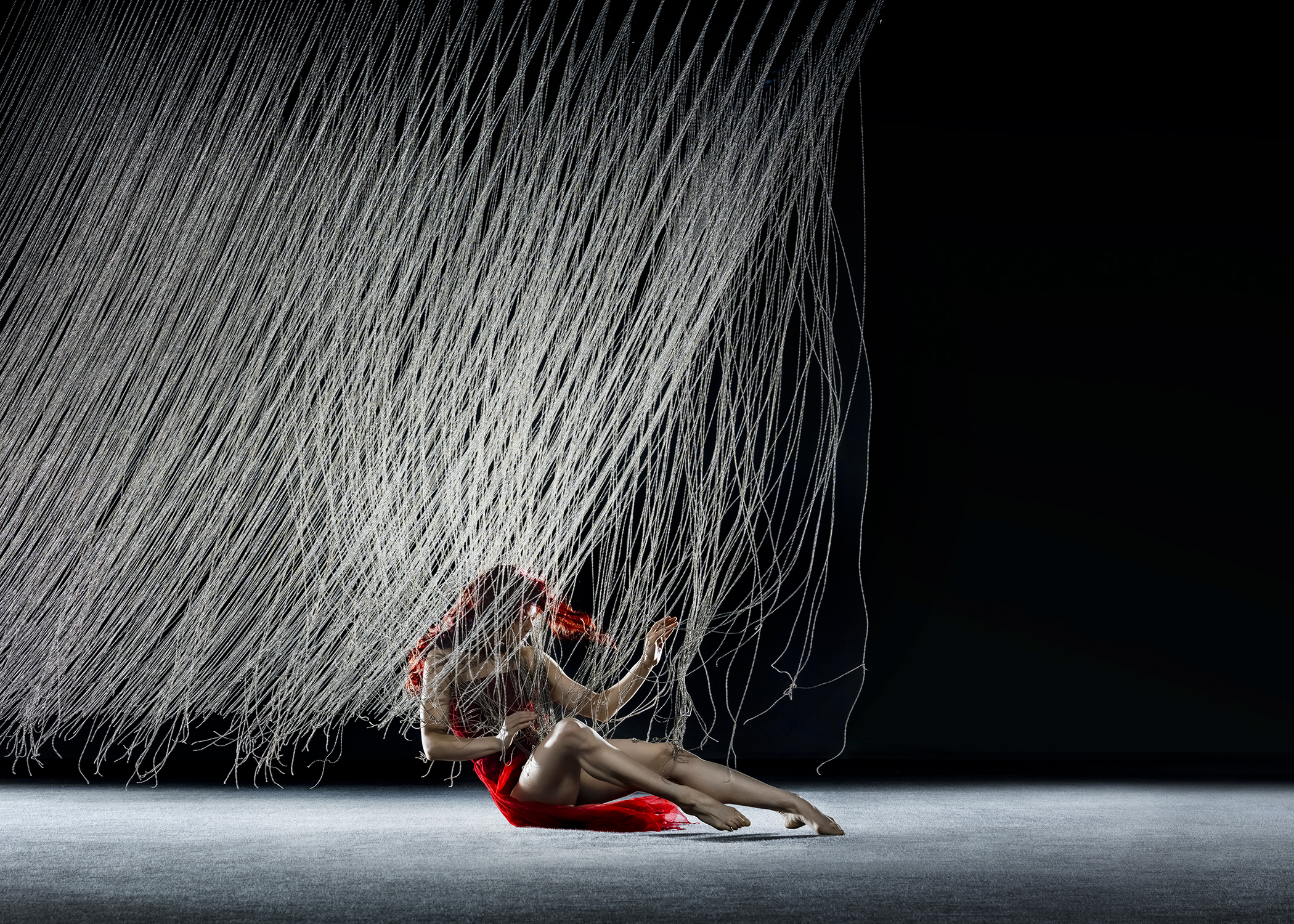
Yet, rather than indulge in nostalgia for his early years, Moses has set out to offer an indictment of the predicament in which our nation finds itself. With “The Kennings,” he’s not pulling any punches, even if they land on collaborators, colleagues and sometimes himself. Using the tools of text, rhythm and movement at his disposal, he’s looking at “the ways in which artists assisted in winding up where we are now,” he says. “We’re not any more or less innocent than anyone else.”
He’s building the piece from apocryphal texts recovered by a journalist or scholar, remnants from artists rounded up in a concentration camp. At 61, he sees his generation as the inheritors of an optimistic progressivism that has foundered. Raised after the civil rights revolution, “we listened to Martin [Luther King Jr.] about the arc of history bending toward justice, but that’s not always true.”
“My generation took our eye off the ball, and didn’t see what’s happening to young men, or that tech won’t always be a boon. Now, there are a thousand balls bouncing, and we’re trying to figure out which one to pick up, and which one to chase,” he says. It’s an image that would fit right into a classic, athletic Moses dance.
‘The Kennings’ premieres Friday, March 14–Sunday, March 16 at Z Space (450 Florida Street). Tickets ($15–$55) and more info here.
Talented guy, we are lucky he has stayed in SF.