

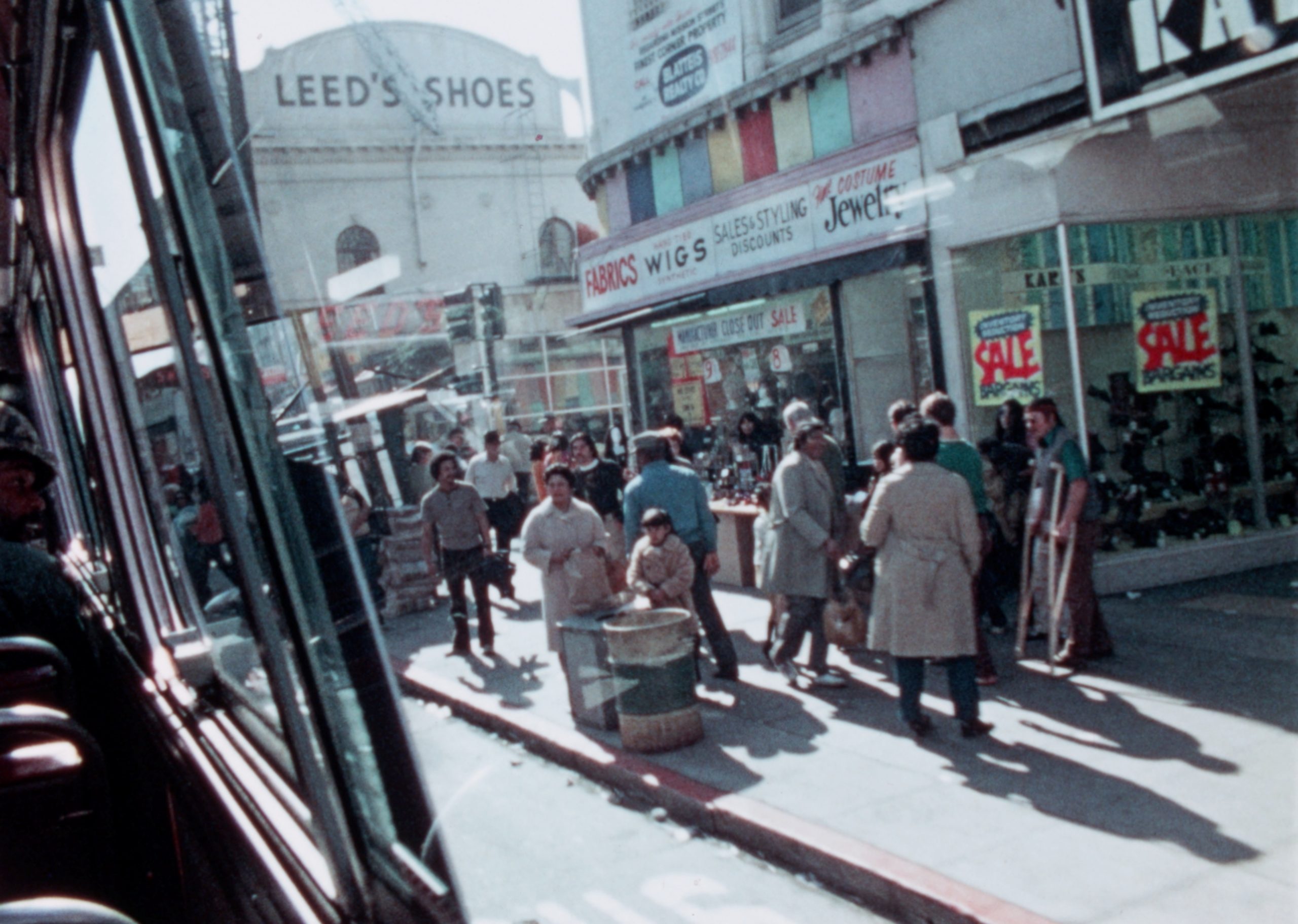
“It was beautiful, and it was done out of love for the [Mission] community,” says San Francisco filmmaker and longtime youth advocate Ray Balberan during a recent Zoom call. “And for the opportunity to express people’s hopes and aspirations for their community.”
He’s talking about “Mission & 24th Street,” a TV show that ran on KQED in the early ‘70s, a production of the nonprofit Mission Mediarts. But he could just as easily be referring to the organization’s purpose in general as it set about recording life in the Mission District during that decade, and distributing it via short films and television. A lively selection of that work, recently digitized in 5K by the Prelinger Archive, screens at the Roxie Theater on Saturday, March 15, as “Mission Love Presents: Visions of Mission Mediarts.” Balberan will be in attendance and take part in a conversation moderated by Roberto Ariel Vargas.
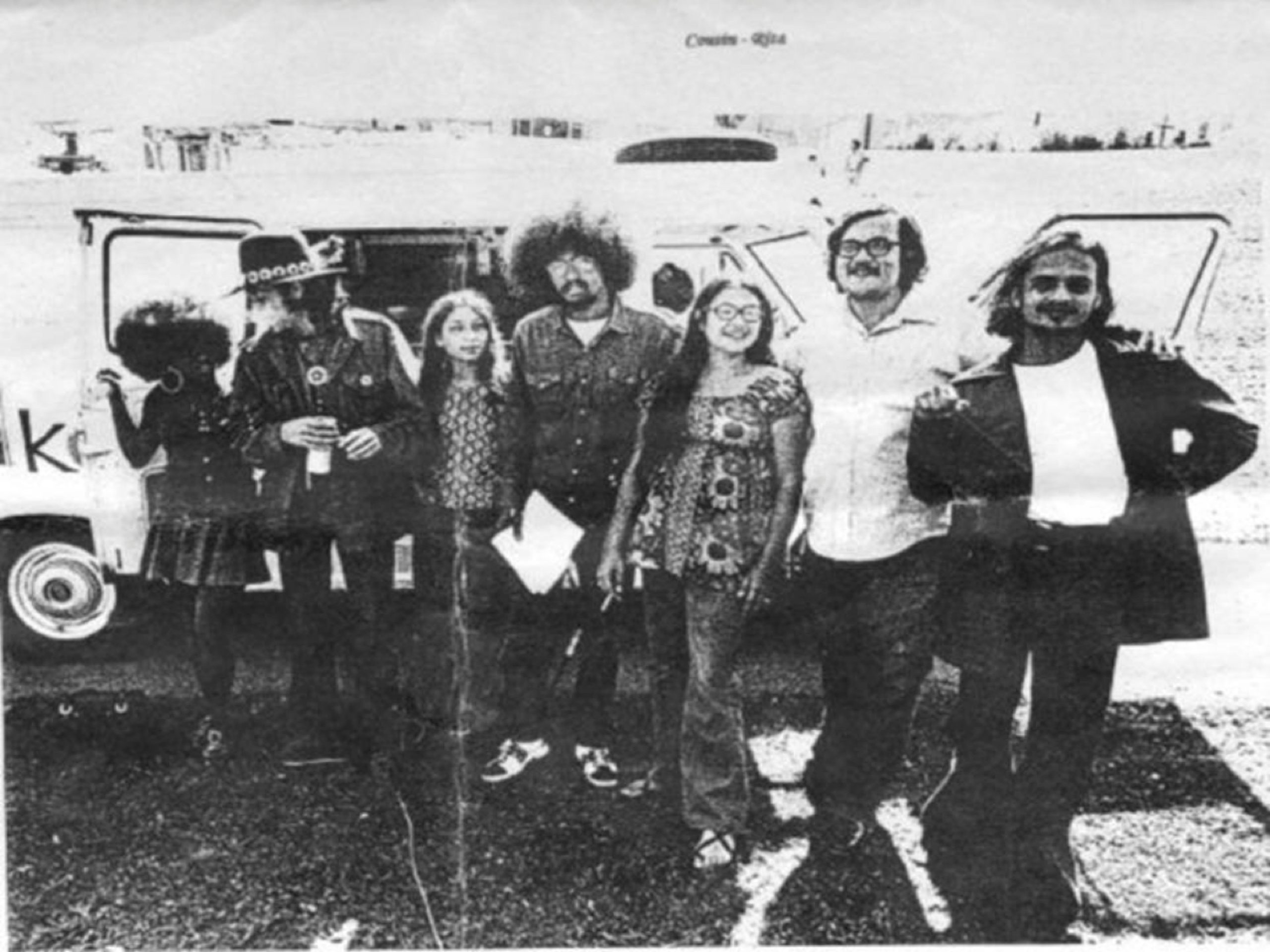
The Bay Area was a hotbed of activism in the early 1970s as campuses roiled with the anti-Vietnam War movement, the Black Panthers advocated for Black power in Oakland, and more. It was against that backdrop that San Francisco State University students Ray Rivera and Tony Miranda, Balberan, his brother Jarmone Balberan, his cousin Rita Emelia, and Charlie Hanson founded the Mission Film Workshop (later renamed Mission Mediarts). With $5,000 from filmmaker John Hanson, an associate of Francis Ford Coppola, the group was able to buy a Bolex 16mm camera and a Nagra reel-to-reel tape recorder.
The Mission Film Workshop aimed to provide media training to Mission youth, artists, and activists. They learned by doing, as Balberan, his associates, and their students captured Mission life in the 1970s, including political actions, artistic expressions, and just day-to-day living.
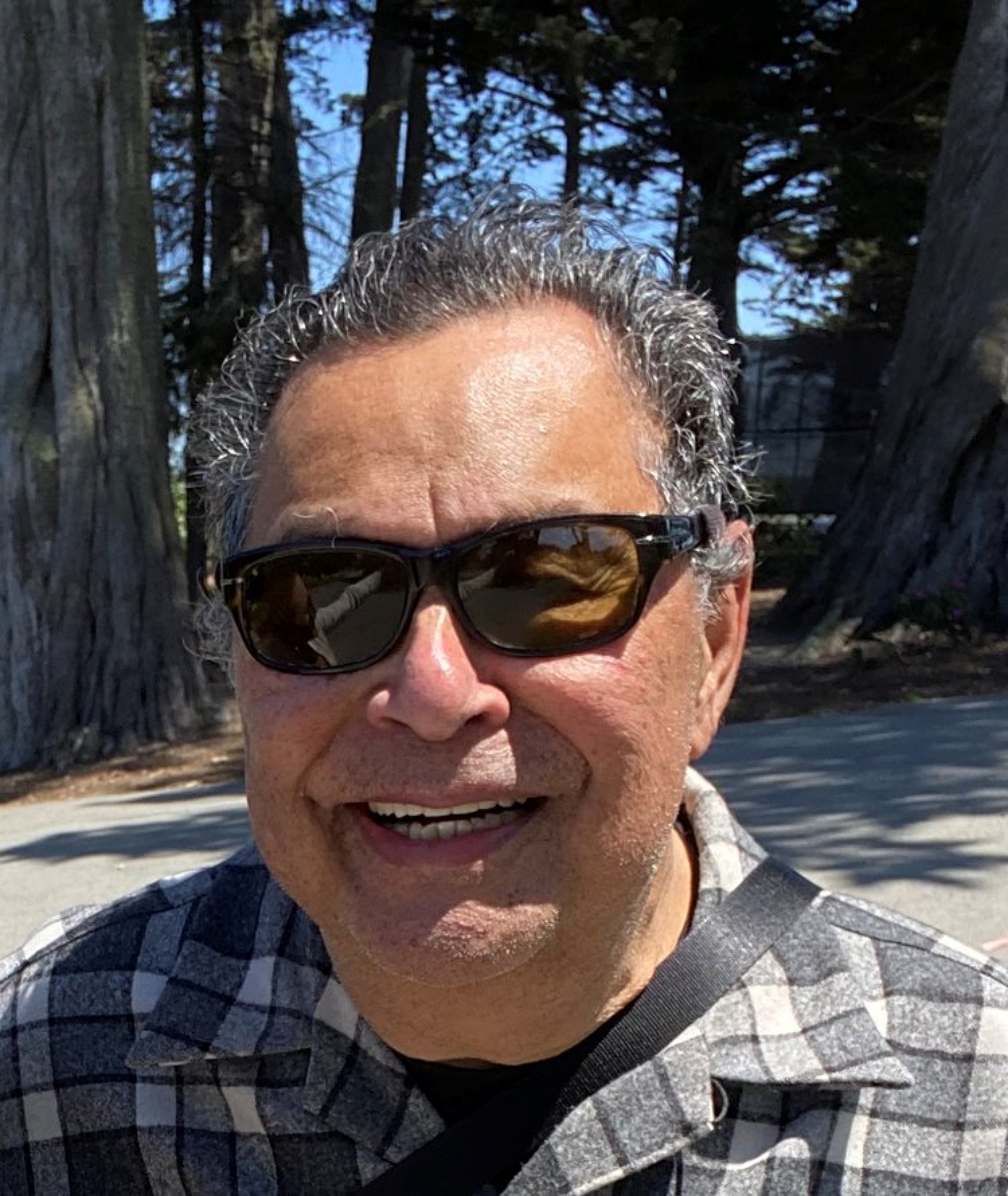
“I just love seeing the documents of youth and of hope,” says artist and Mission native Vero Majano, one of the curators and members of Mission Mediarts Archive, along with filmmakers Debra Koffler and Loriz “Ginger” Godines. “I love when I see hippie Latinos with long hair. And I think where we’re at, we need that hope.”
A vibrant history uncovered
That the Mission Mediarts films survived long enough to be archived and shown at the Roxie might come down to kismet. By the 1980s, Balberan had transitioned his activism to working with youth at Real Alternative Program High School, as the head of the case department, helping to get youth off the street and into services. It was there, 33 years ago, that he met Koffler, then a teacher.
The two became friends, but Balberan never told Koffler about his past life in film. Then, in 2001, Koffler founded Conscious Youth Media Crew, a San Francisco-based media training program for youth 16 to23. She ran into her old friend on the street one day and told him about her new project, and it was only then that she discovered his roots in film education. Koffler invited him to join the organization’s board as its president, and he started working with her, building its programs. In 2003, Balberan told her that his wife didn’t want to pay fees on a storage unit anymore, so the Mediarts films needed a new home. Koffler invited him to bring them to Conscious Youth Media Crew’s SOMA headquarters.
“Ray set up his table to start going through the things we would show the youth, the progression from celluloid to analog to digital,” says Koffler. “And, as we started to look through the historical footage that he had of young activists from the late ‘60s and ‘70s, telling their stories on the streets, that’s how I was first introduced to understanding the context of race history as a filmmaker.”
By 2005, Balberan and Koffler — along with Majano and Godines, who previously worked with eccentric San Francisco filmmaker Stephen Parr at his Oddball Films archive — were cataloging the work and making constant discoveries. For example, when Koffler and Majano made the 2010 documentary “Why I Ride: Low and Slow,” about lowrider culture, they dove into the Mediarts archive looking for footage and found a few fantastic three-minute reels.
“We projected it onto a wall in the studio and I filmed it, because we didn’t have the money or the technology to actually digitize it at that point,” recalls Koffler.
“The reason that that film exists is because Ray was out there with his 16 millimeter [camera], because the police were harassing all the folks just cruising up and down Mission Street … just fucking with the street culture of the Mission,” says Majano.
When they’ve shown the lowrider film in the Bay Area, Majano adds, audience members often recognize people in the film — relatives, friends, sometimes themselves — which leads to delightful callouts in the theater. It happened last year, for example, at another Mission Love Mediarts event at the Roxie. It’s something everyone involved looks forward to.
“This community, the participatory call and response, that’s something that we value and are seeking at the screening,” says Koffler.
Says Majano, “It’s been a really lovely experience to be part of that.”
“It might not seem profound, because we all have cameras in our phones, and it’s easy to just go film and put it on TikTok or Insta,” she adds. “But back then, it was a huge feat to have the technology … and to know how important it was to represent your community in the mainstream space. It was a breakthrough, a revolutionary act for its time.”
‘Mission Love Presents: Visions of Mission Mediarts’ screens at 4 p.m. Saturday, March 15, 2025 at the Roxie Theater (3125 16th St.). Tickets ($11 and up) and more info here.
Worked with Horizons Unlimited in the Mission Kate 70’s. My Uncle Don had a barbershop on Mission St for 60 years. Mission Street was quite different, a thriving business community, an active artist, cultural, and political community as well. It was fun going to Bruno’s Restaurant after work, enjoying margaritas at El Zerape and having breakfast on the weekends at Miz Brown’s.