
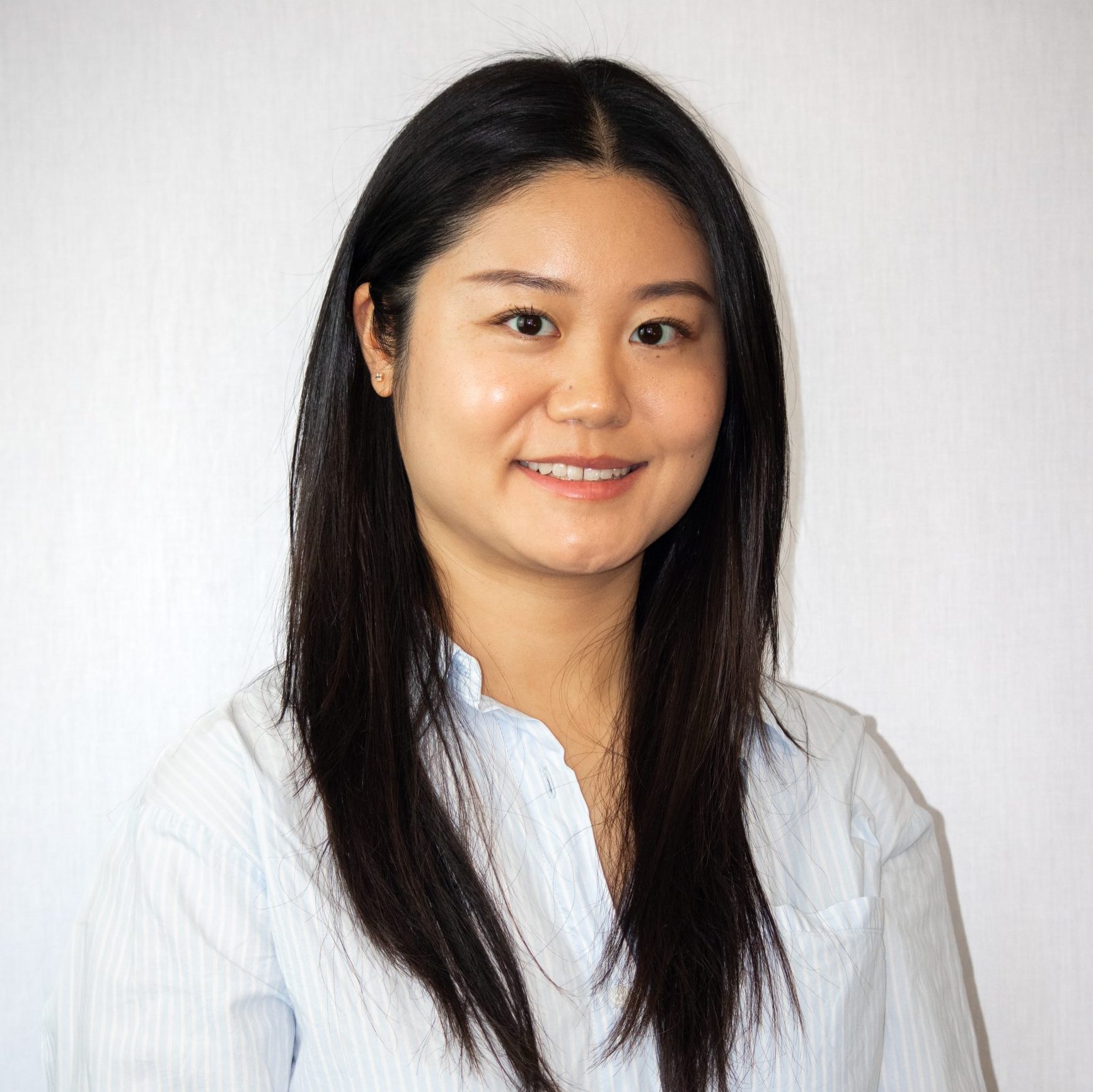
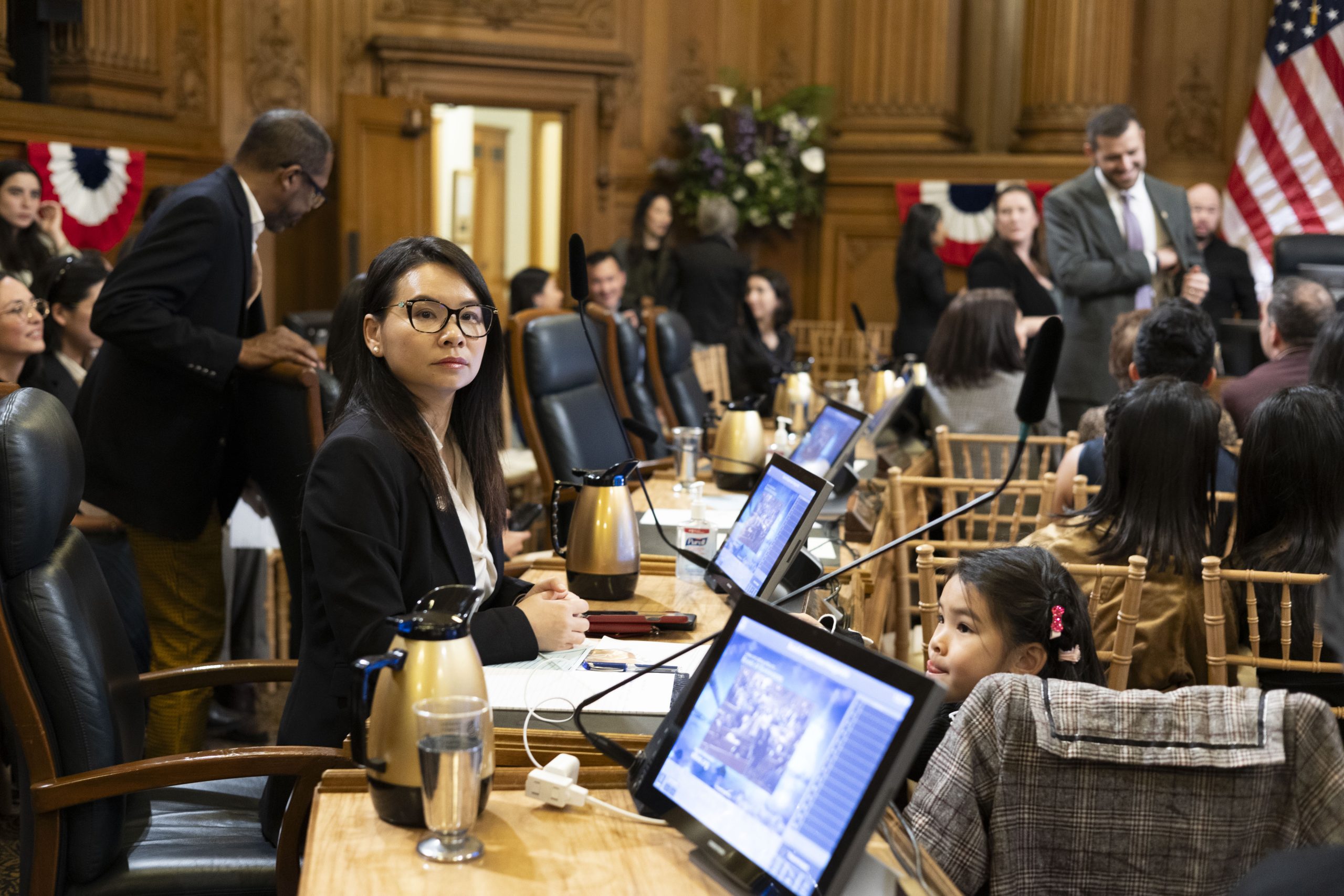

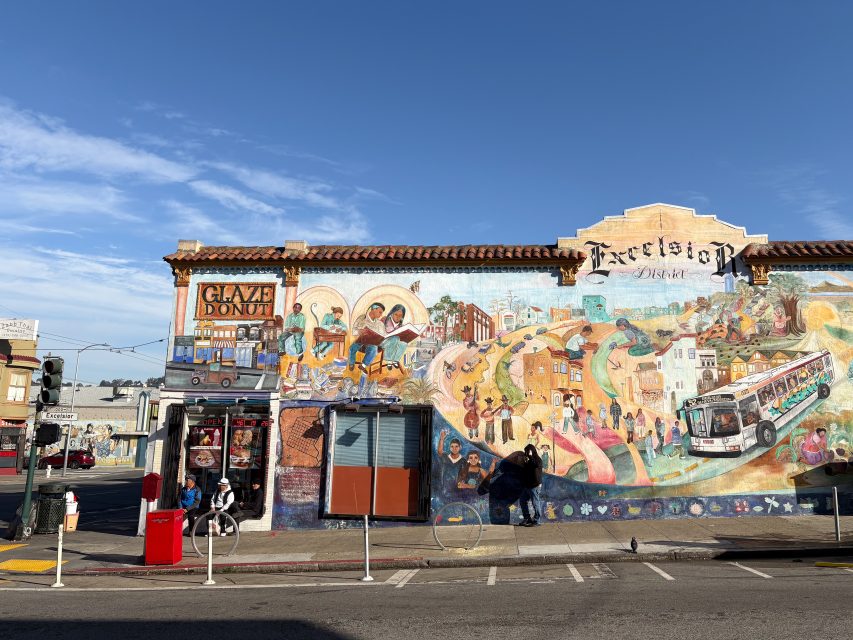
Chyanne Chen, a longtime union and community organizer, is now representing District 11, a place residents and candidates often describe as “forgotten.” It lies at the edge of San Francisco, bordering Daly City and cut off from the city by two major highways.
To many, Chen is the epitome of District 11: A first-generation Chinese immigrant who’s been living in the area for 25 years, a working parent raising two young children who go to public schools in the district, and a daughter who’s caring for her aging parents and in-laws.
To David Hooper, the president of the New Mission Terrace Improvement Association and a retired cable car operator who’s been living in the neighborhood since 1986, Chen is a friendly neighbor. Hooper said that, whenever he talks to Chen, there is “this positiveness that makes you feel: What more can you do?”
“It’s one of those things where you have an athletic team, and one ballplayer is very good, but their major quality is that they make everybody else on the team better,” Hooper said of Chen.
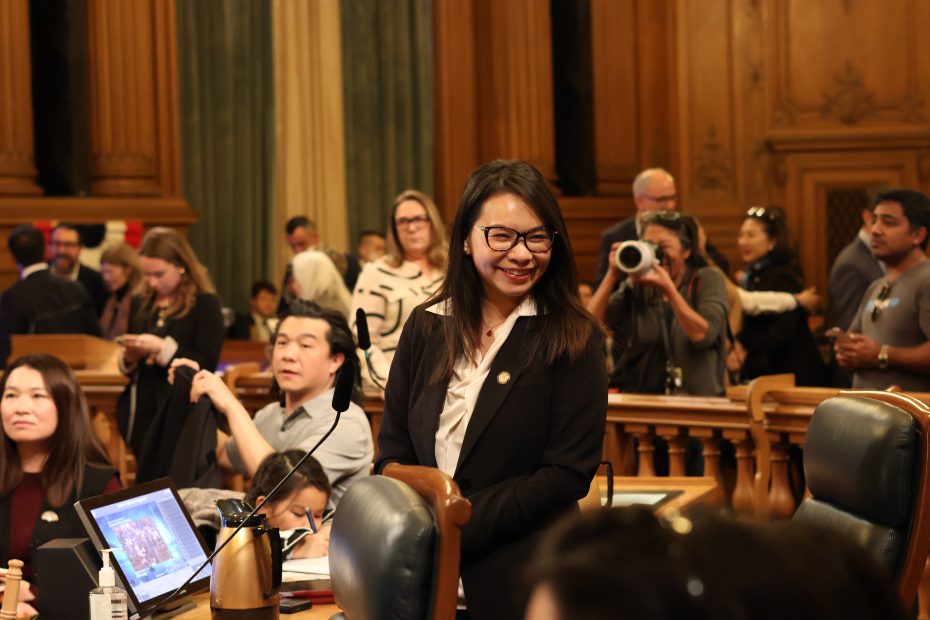
Community leaders, residents, and merchants share this positive feeling toward the new leader of District 11, but they also have high expectations. They want to see Chen make substantial improvements in the district: Faster development of the new Oceanview branch library, safer and cleaner streets, livelier business corridors, more community services and better parks. The list goes on.
And what comes first depends on who you ask.
“There are lots of ‘wants,’ but we have to take care of the needs first,” said Renard Monroe, the executive director of the afterschool and summer program Youth 1st.
Monroe, like many other nonprofit leaders, said he is concerned about looming budget cuts, and wants Chen to advocate for more city funding for nonprofits.
For her part, Chen seems to be on the same page. She said in an interview with Mission Local in December that she wants to make sure that, during budgeting, she is able to keep existing community programs. “The next step is to make sure that, in the next round of budget (cuts), we can negotiate more resources.”
Chen, the unifier
After 16 years of being represented by two supervisors, Ahsha Safaí and John Avalos, District 11 is in for something new. Avalos, who led the district from 2009 to 2017, is often said to have put more emphasis on the Excelsior. Safaí, on the other hand, is said to have worked more on the OMI, which is short for Oceanview, Ingleside and Merced Heights.
Many see Chen as the glue that can finally piece together the two areas divided by Highway 280: To the west, the Lakeview-OMI; to the east and along Mission Street, Mission Terrace, Excelsior, Cayuga Terrace, Crocker Amazon, and the Outer Mission.
That divide is more than a physical barrier. Ernest “EJ” Jones, a Lakeview native who ran against Chen but campaigned alongside her, noted that, historically, the Lakeview-OMI was predominately African American, while the Excelsior had more Irish and Italian Americans. Nowadays, the Excelsior and Mission Terrace have become predominately Asian, and Asian voters account for roughly 57 percent of District 11’s electorate, according to the 2020 redistricting consensus.
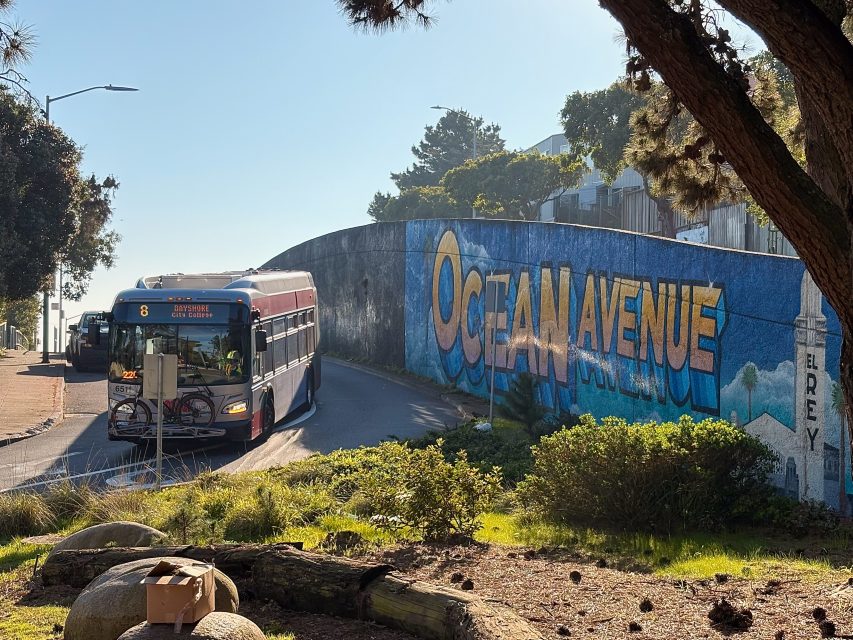
Jones added that, before 2000, the two parts of the district needed different resources. Lakeview-OMI, for example, was a hotspot for violent crimes and residents called for more violence-prevention programs, while the Excelsior’s biggest headache has been parking.
“As of late,” Jones reflected. “They need much of the same.” Community leaders and residents agreed on a lot of common themes: Better park facilities, safer streets, better transit for seniors, and more support for small businesses on major corridors.
In a district with the highest number of children under 14, parks are a crucial asset for young children and their parents. And, though they’re plentiful, their facilities are not often tip-top.
Connor Skelly, a father of four children ages 6, 4, 2, and 1, who lives in Mission Terrace, said that, in District 11, only Balboa Park has a public swimming pool. Skelly noted that a lifeguard shortage has cut hours to 40 a week. As a result, family recreational swimming and hours for kids’ swimming lessons are limited. For a pool that recently underwent a $9 million remodel, Skelly thinks it is underused.
Paul Hagen, who is raising 11-year-old twins in Cayuga Terrace, thinks Boxer Stadium, a soccer field at Balboa Park with a capacity of 3,500, is also seldom rented out for events. “There’s a huge cost to maintain that, I would think,” said Hagen, who is involved with the community group Friends of Balboa Park. “And yet it’s not being used at all for anything.”
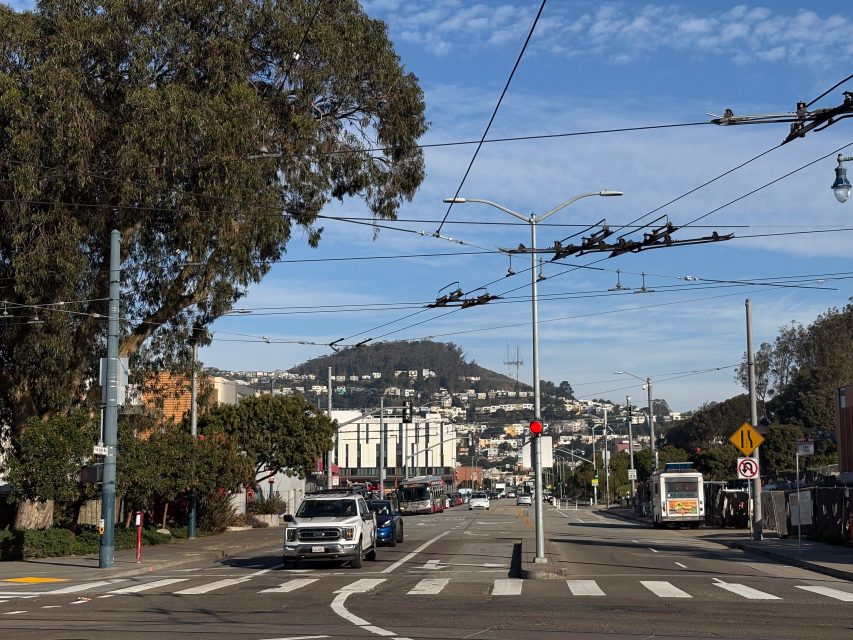
Residents across the district also want safer streets. Alyssa Cheung, a mother, an avid biker, and a safe transportation advocate, sees a handful of dangerous roads and intersections: Cars drive too fast on Brotherhood Way, and the I-280 off-ramps of Geneva Avenue and Ocean Avenue dump cars on streets used by pedestrians walking to BART and the bus.
“The basics are, ‘Can I safely walk my kids to school? Can I safely bike to the grocery school and library?’” Cheung said.
Laura Padilla, the director of community programs at the Mission YMCA, also pointed to the need for better transit for seniors who live in the hilly terrain across the district. More paratransit, for example, could be a way to help seniors get around more easily.
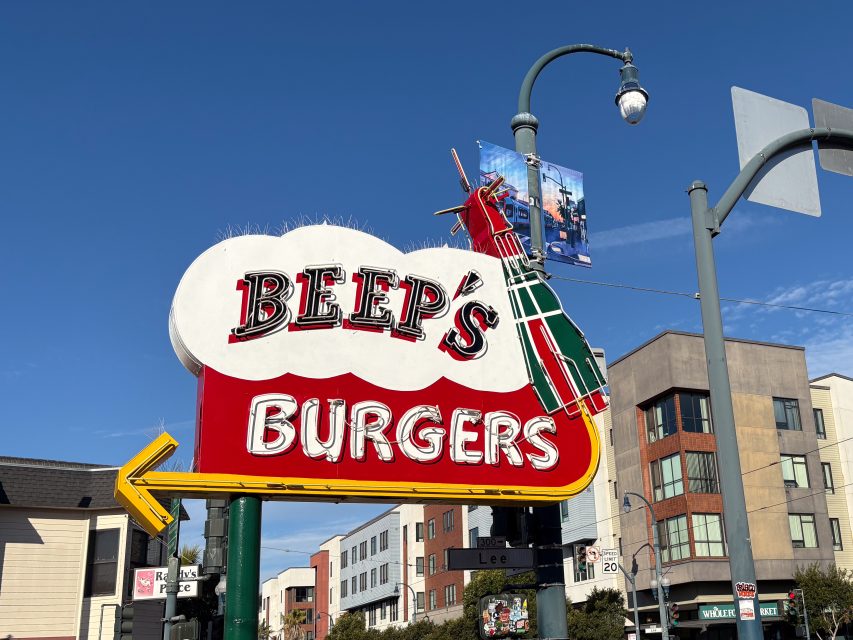
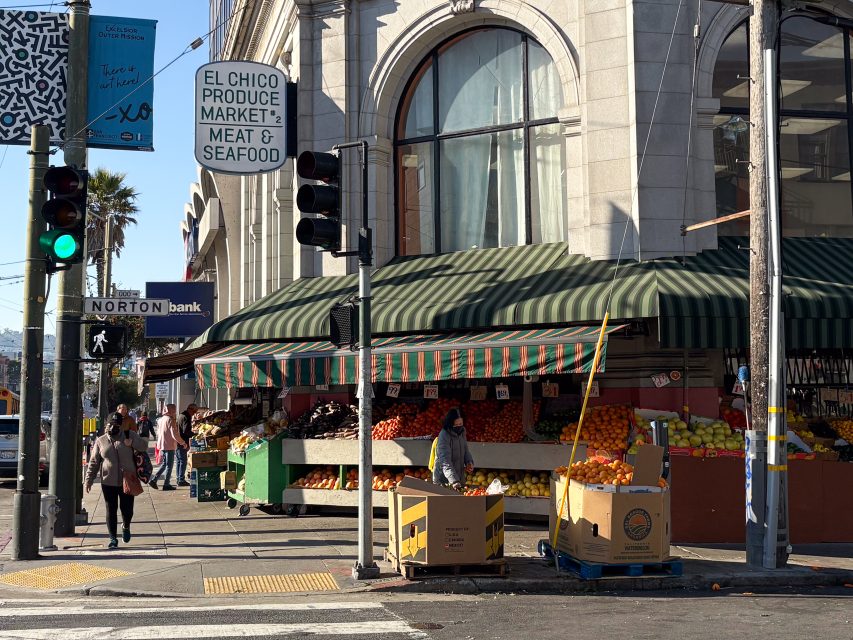
Small businesses on the merchant corridors also need more attention. Lea Sabado, owner of Excelsior Coffee on Mission Street, hopes to see Chen help fill vacant storefronts. Sabado thinks the corridors need to be “continuous” so that the local residents would not leave their district for food and shopping.
Sabado sees a bunch of hurdles for small businesses, including insurance and general liability due to seasonal flooding. The businesses would also like to see support to pay for better visibility, online presence, and keeping staff around. The “old-school shop owners,” Sabado said, often don’t know how to speak up and promote their businesses.
Group community planning, Jones added, could be a way to address needs more efficiently. “Oftentimes, you meet with the neighborhood groups individually,” Jones said. “But having all groups in the same room might be better for resource mapping.”
Funding, the backbone, affects everything
Chen takes office amid a citywide budget deficit of $867 million and talk of even more cuts.
Already, said Gwendolyn Brown, a 42-year-old Lakeview native who views District 11 as a “little gem” and the last affordable area in the city, services have diminished as funds have already been cut.
For her and others, the fight will be over nonprofit city funding, and they hope to have Chen as an ally.
Brown, who works as a programs director at Inner City Youth, one of the district’s biggest job centers, said the organization lost around 70 percent of its city funding; from $1.1 million down to $400,000.
As a result, Inner City Youth, which is funded by the Office of Economic and Workforce Development and the Department of Children, Youth and Their Families, had to lay off three of its seven staff members and cut or curtail job training programs. It could only train 25 students to become security guards last year, compared to 150 on average, previously.
“District 11 is resilient, because we have to be,” Brown said. “But we definitely need the investment. We deserve it. I think Chyanne is going to be instrumental in making sure of that.”
Padilla, at the Mission YMCA, feels similarly. As a member of the Excelsior Collaborative, a city-funded program that gives out grants to community projects, Padilla said that the collaborative, like many other community organizations, has also lost funding in the city’s ongoing budget cuts.
Padilla wants Chen to fight for resources. “In a new supervisor, I want someone who can be proactive, refuse to accept the status quo at City Hall,” Padilla said. “Someone who could just come in with new energy and really be willing to ask tough questions.”
The funding cutbacks affect those that receive city funding. Take the case of Sisterhood Garden, a community garden and food-security program that lies quietly along Brotherhood Way and has received funding from the Chinese Progressive Association.
Jamie Chan, the education lead who teaches gardening at Sisterhood Garden, said the place started out as a solution to the lack of grocery stores in the community in 2014. But, over the last 10 years, Sisterhood Garden has made the area greener and safer; previously, it had been known for illegal dumping and speeding. The thriving garden is also situated across from the proposed future site of the new Oceanview branch library.
However, Sisterhood Garden is losing funding from the Chinese Progressive Association, because the latter is losing city funding. Tiffany Ng, a director at the Chinese Progressive Association, said that the organization faced “some of the largest cuts” across their programs in Mayor London Breed’s proposed budget. Of those, all of the funding from the Office of Civic Engagement and Immigrant Affairs for Sisterhood Garden got cut.
“I would love to see Supervisor Chen continue to champion this because the community definitely needs the space,” Chan said. “There actually aren’t a lot of those spaces yet in our district.”
Residents also see the possibility of using their resources to generate income. Hagen at Balboa Park, for his part, said it would be a great idea to light up the tennis courts to extend their hours, especially in the winter months, when it gets dark before 6 p.m.
“The Rec and Parks is charging $5 per reservation for that,” Hagen said. “[If] you light it up, you can actually recoup a lot of those costs for having those lights through that.”
“I think, with the budget, we got to think creatively on things like that,” Hagen added.
The only people who think paratransit is the answer for less traveled MUNI routes are UBER customers. I was hit by a car in 2018 and couldn’t walk for 2 months. Paratransit took years off my life. You have to book 12-24 hours ahead, you call in an wait on hold for a scheduler. The bus may OR may not come. As you are disabled, it take a good 10 minutes to get outside of your home. The bus hasn’t arrived BUT if you go inside to call and check the bus will come, stop for 2 seconds and drive off while you are on the phone with the scheduler. Spent 3 hrs waiting at SF DMV for a bus to come get me and take me home.
Cell phones exist now.
It pains me to still get asked if the Excelsior is in SF!! We need to advocate for our D11 neighborhoods! We have so many families out here! We also have many seniors. Basically, we are very multigenerational. We need to make the rest of SF know who we are! We have been here many years. But we’ve also been ignored for many years. We are one of the most affordable neighborhoods in SF. We must continue to educate our City colleagues, especially our elected officials. So few of them have a clue about the Excelsior! I’m sorry to say that situation hasn’t changed in more than 50 years! I’m sincerely hoping our new Supervisor will bring a new awareness and focus on our district. We need and deserve access to City resources. But it will take a solid “campaign” to open that awareness. It will also take help from us all to support our Supervisor and encourage her to strongly advocate for our D11 neighborhoods. So few in City Hall even know we are a significant family strong district. We must figure out how to regularly go to Bd/Supe meetings in City Hall to support our Supervisor. Visibility is critical. Our Supervisor needs us to fortify her representation of our district.
The heart of the city, most niners fans per capita.