

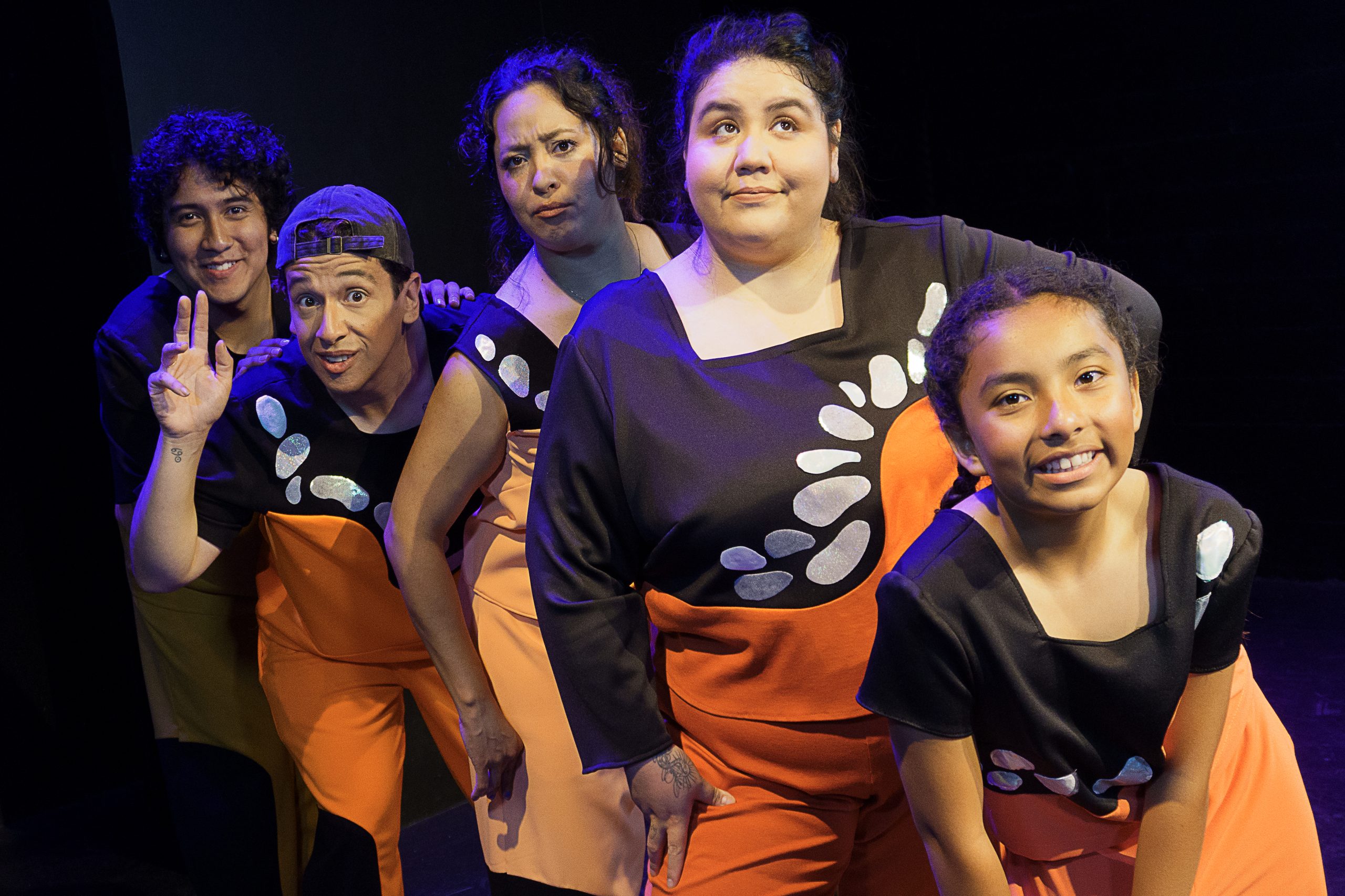
A harrowing cross-border sojourn laced with magical realism, the play “Fantasmitas, Cinco Sueños Regresando al Sur” takes the San Francisco Youth Theatre into territory where it’s never been before: Namely, a production performed entirely in Spanish.
Fittingly, “Fantasmitas,” the Mission-based company’s first Spanish-language play, which will feature English supertitles, is rife with complex themes of migration and generational divides. The U.S. premiere of Mexican writer Oz Jiménez’s tale, which runs August 9-18 at Z Below, is about five Latin American kids seeking to reunite with their parents in the United States. And organizers say they hope to see many parents of performers in the audience.
Directed by SFYT’s director of bilingual programming Dyana Díaz, the production is designed to introduce audiences to the wealth of material in contemporary Spanish-language theater while connecting with Spanish-speaking families. In recent years, the company has forged connections with the neighborhood’s Latine community through Mission District elementary schools, and an emerging theater professional program designed to cultivate Spanish-speaking young actors.
“Almost all are bilingual, but they tell us, ‘My parents and family don’t come to the shows,’” said Emily Klion, SFYT’s founder and executive director, citing a language barrier even with a previous bilingual production. “Dyana wanted to do a show that brings in Spanish-speaking families to have an experience in theater that will speak to them directly via language and subject matter.”
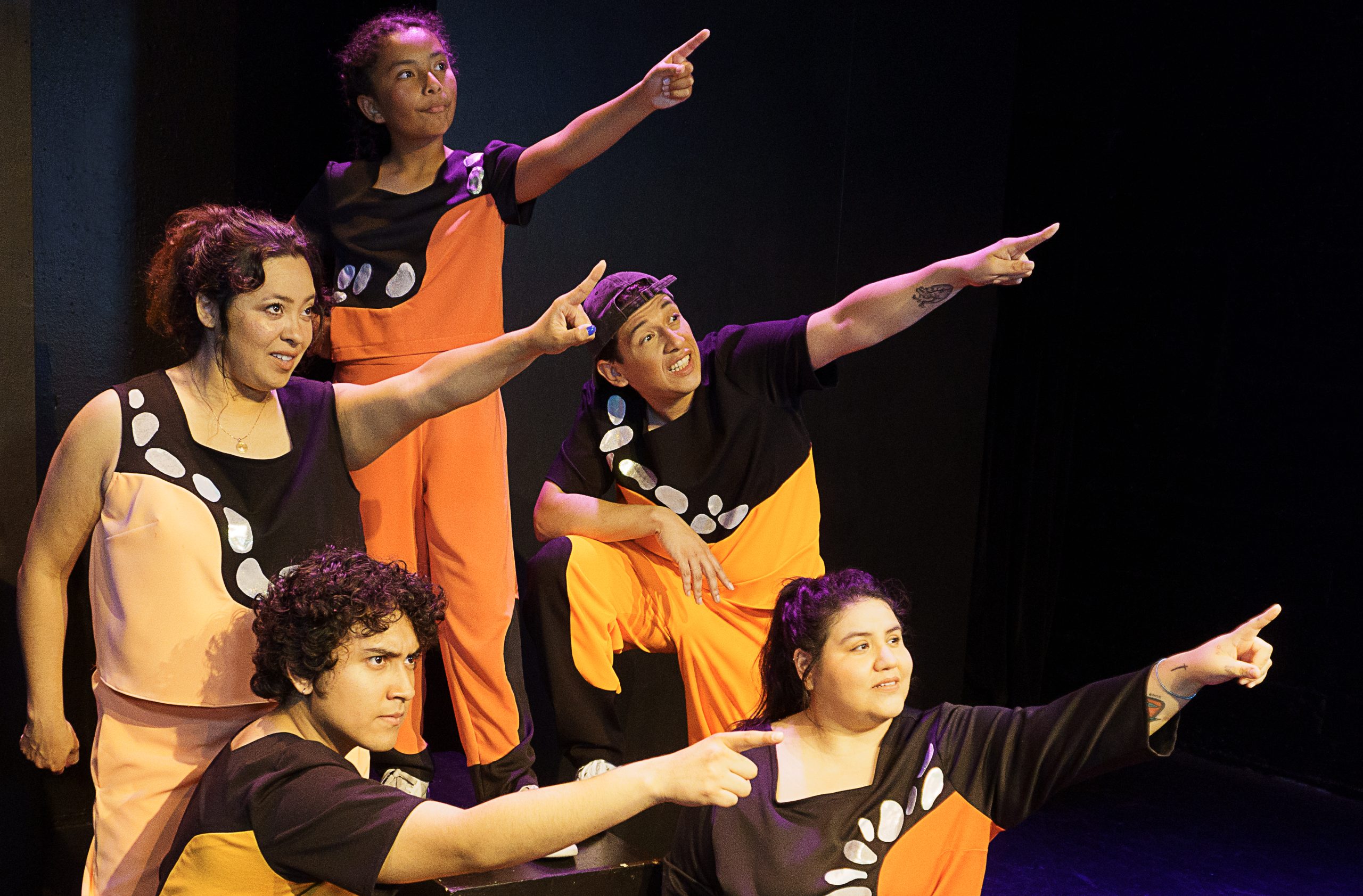
Each performance is followed by a conversation with the audience, and ticket prices ($12 for adults, $6 for students, and $25 for a family four-pack) “are tailored to make theater accessible for the community in the Mission,” Klion says.
“Fantasmitas” traces the journey of a disparate group of youth — two from Mexico, and one each from Colombia, El Salvador and Honduras — who are traveling south to reunite with their families. They face obstacles of all kinds, including some that might be supernatural, while wielding what could be superpowers.
“There are elements of magical realism and, in the end, we don’t know if they’re really magical,” Díaz says. “The play works on several levels, and there’s definitely the Pixar effect, where adults in the audience have a different experience than the kids watching.”
Born and raised in Puerto Rico, Díaz moved to San Francisco seven years ago from Guadalajara, which is where she met the Jalisco-born “Fantasmitas” playwright. They both started in the University of Guadalajara’s theater program at the same time, “and we grew up together,” she says.
“When you’re a theater major, you take all your classes together with the same group, so for four years, we created a bunch of things together and, after graduation, we created a theater group that’s still running.”
Both were similarly interested in theater education and creating works designed for young audiences. “We share this idea that you can talk to children and families about any theme — war, immigration, poverty — but not in any way. You have to talk in ways that maintain hope,” says Diaz. “Oz stayed there, and that’s what he has done. He’s drawn more to writing. I’m drawn more to directing.”
Colonization and other hurricanes
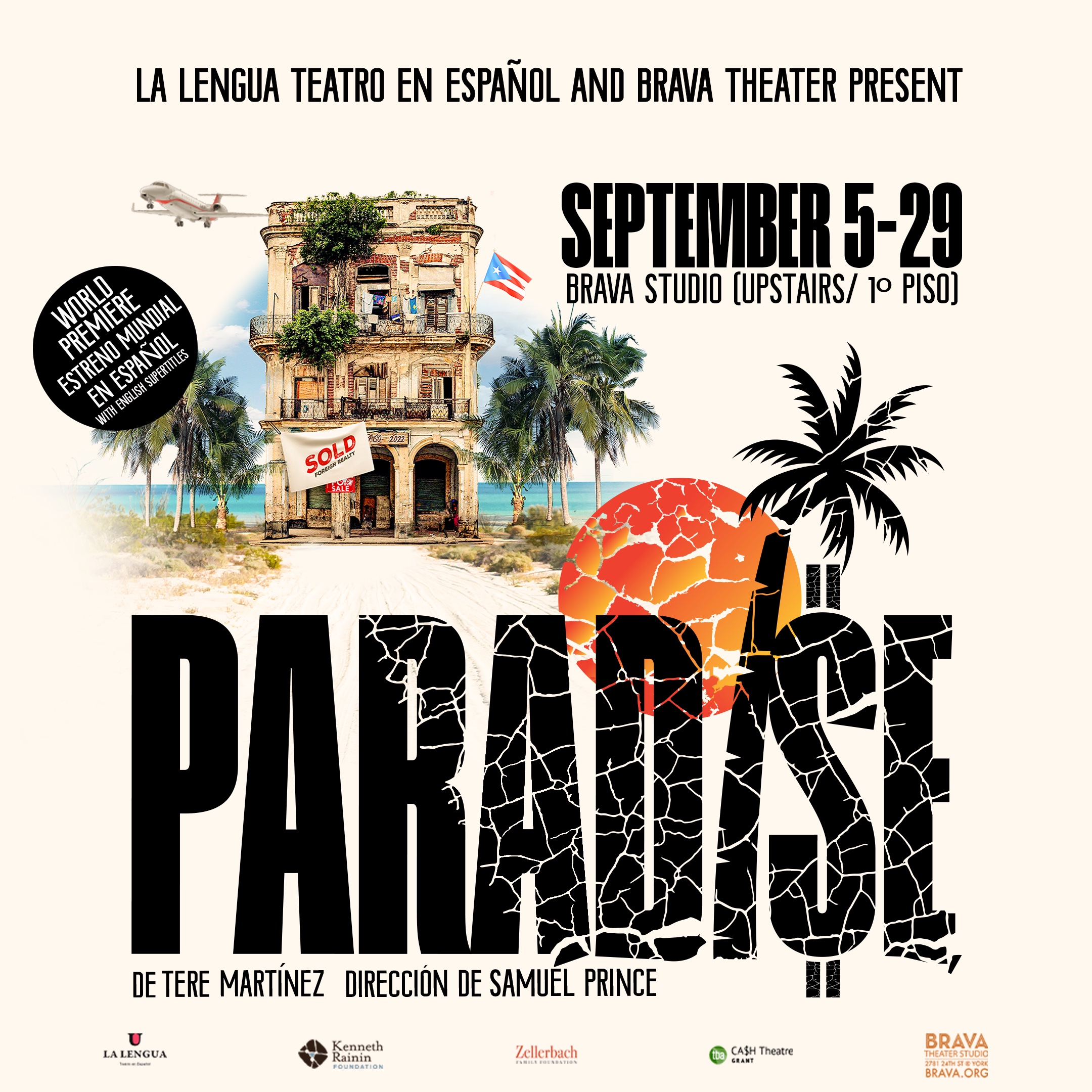
Still, Díaz hasn’t left the acting game. She’s playing a lead role in Tere Martínez’s “Paradise” by La Lengua Theater, a recent addition to the Bay Area theater scene and San Francisco’s primary Spanish-language company. The first production in a full season dedicated to Puerto Rican stories, the world premiere of “Paradise” runs at Brava Theatre Sept. 5-29 and was commissioned during the inaugural edition of La Lengua’s “Historias de Descolonización/Decolonization Stories” in 2022.
A 65-minute work in Spanish, English, and Puerto Rican Spanglish, directed by Samuel Prince, “Paradise” explores the archipelago’s uneasy, betwixt-and-between relationship with the U.S. via characters buffeted by hurricanes and a battered economy that offers opportunities to some taking advantage of Puerto Rico’s tax breaks.
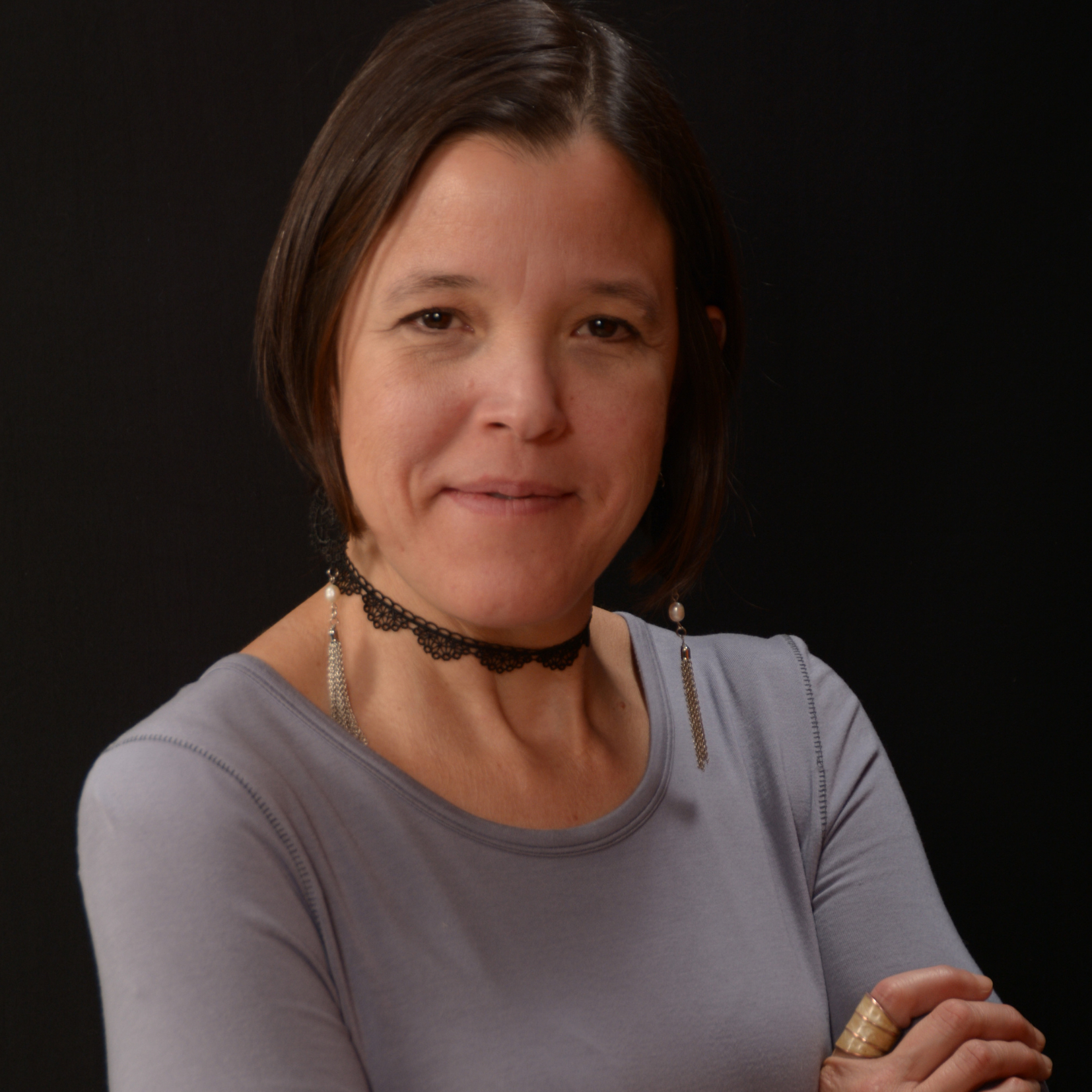
“It’s about the U.S., Latinidad, colonization, and a very complex experience,” says Virginia Blanco, La Lengua’s artistic director. “English and Spanish are both colonizing languages.”
An Argentine who ran a theater company in Buenos Aires before she moved to the South Bay in 2012, Blanco intended to pursue her passion for acting, taking classes at ACT and working for theaters in San Francisco and the East Bay. While working with theater veterans Paul Flores and Vanessa Ramos, Blanco decided to create La Lengua in 2019 when she realized no one else was championing Spanish-language theater.
“I started getting parts, meeting a lot of immigrant and bilingual artists, and I’m thinking, ‘How is there no Latinx theater in San Francisco?’” she said. “The reality is, it’s a lot of work. I was waiting for someone else to pick it up, and it didn’t happen.”
Now an artist-in-residence at Brava, where La Lengua is one of four resident companies, Blanco has turned the perch into a prolific theatrical incubator, with eight plays commissioned in the past three years.
Tere Martínez, a Puerto Rican playwright based in New York City, applied to La Lengua’s open call for submissions. Her experience working with the company led to an invitation to serve as the mentor/facilitator for the second edition of “Decolonization Stories,” which features three staged readings at Brava in October.
“We want to create spaces for these voices to be heard,” Blanco says. “At the same time, our productions have supertitles in English. We create linguistic bridges within and between communities.”