

The Mission is always filled with wonderful surprises. Artillery Ceramics, at 2751 Mission St., recently hosted a recent clay-foraging adventure. That was a surprise, foraging for clay. I’d never heard of it.
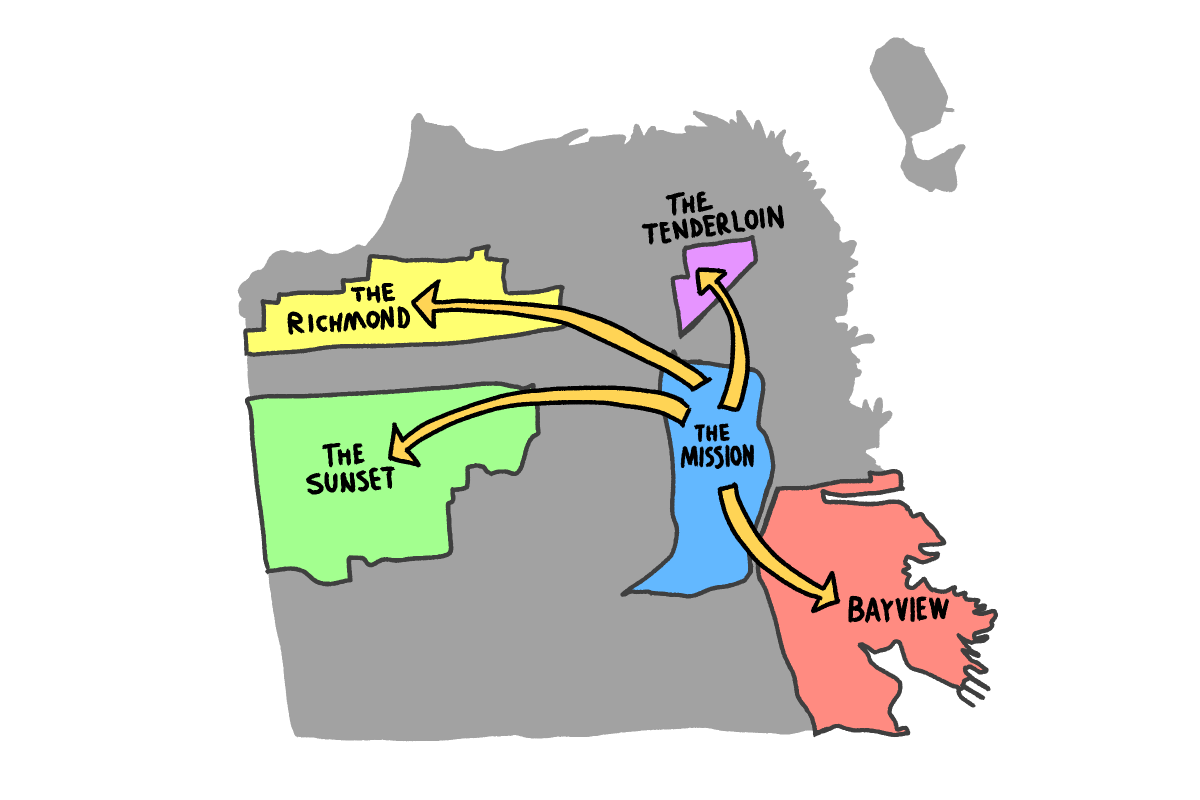
The event included gathering, processing and sculpting clay at Thorton State Park, a 15-minute drive from 24th and Mission streets and just south of Fort Funston. I had no idea this oasis of natural beauty was so close, a great surprise for a longtime Mission dweller. Ivan Lopez, the founder and curator of Artillery AG, combined the two revelations to create a memorable experience and my funky little piece of clay sculpture.
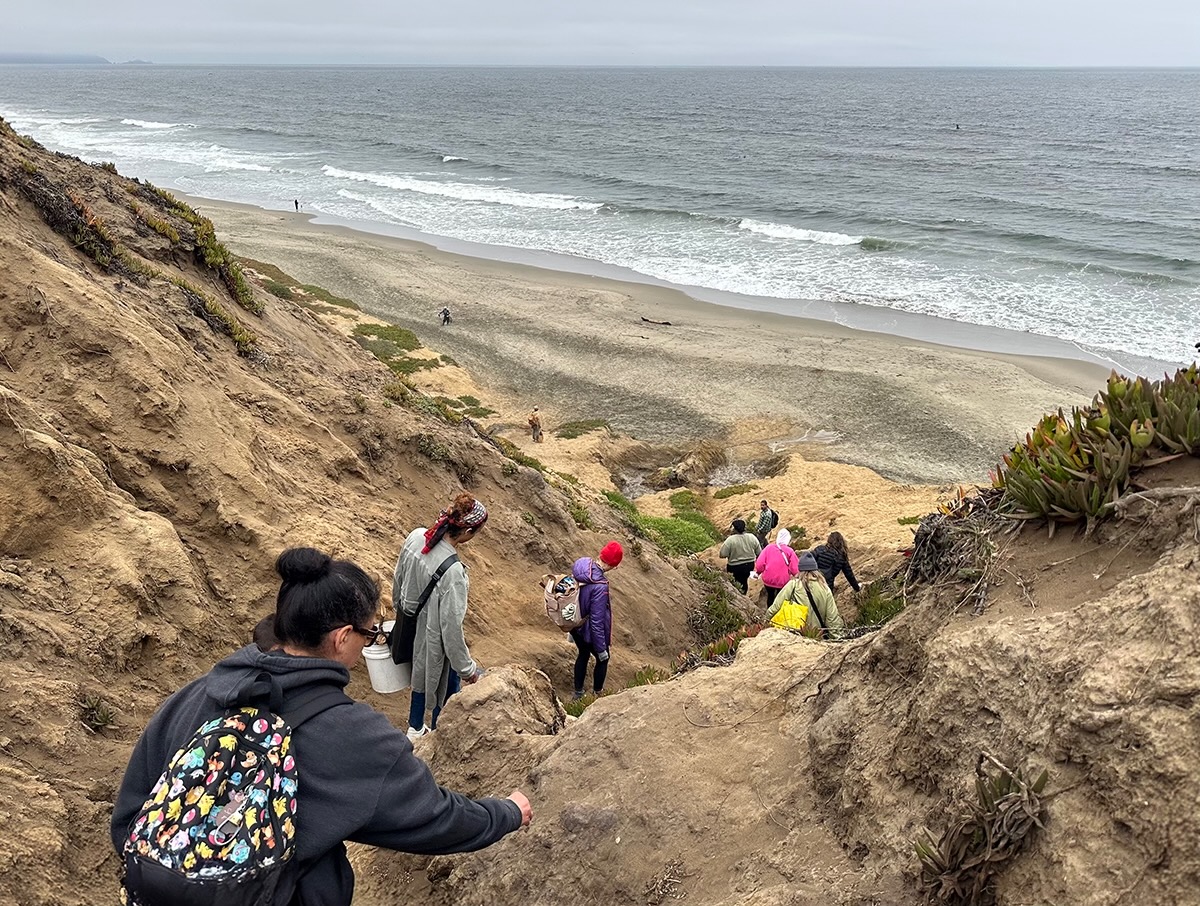
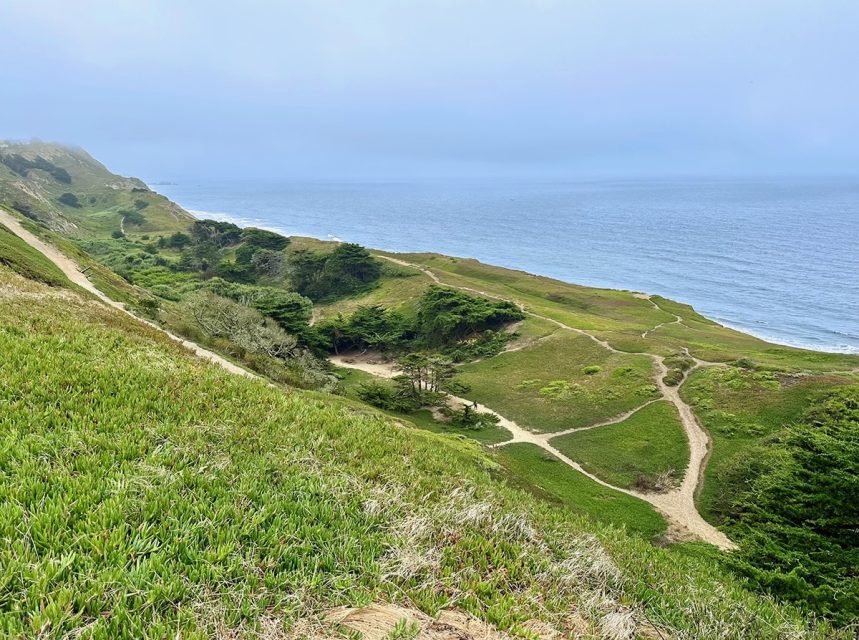
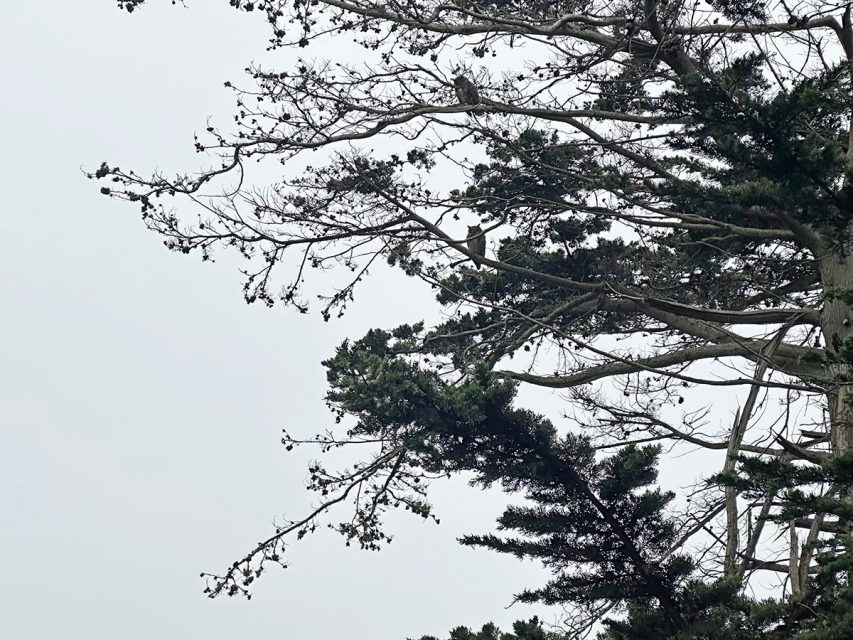
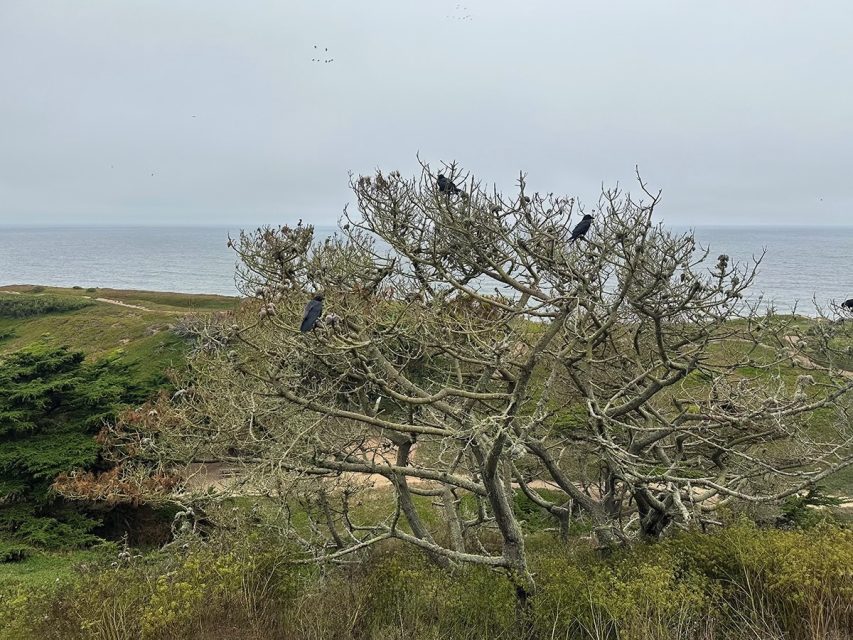
Sunday at 11 a.m., I met up with Lopez and eight other intrepid foragers. I stood on the cliff looking out over the Pacific, and a whale spouted. The group wound down a fairly steep trail through a little forest. Magical? I don’t know. It sure felt that way. All manner of wildlife presented itself. Two owls swiveled their heads, as if to track our movements. A scrawny tree held several ravens, with heavy beaks, square tails, and a badass stare. Only Edgar Allan Poe was missing.
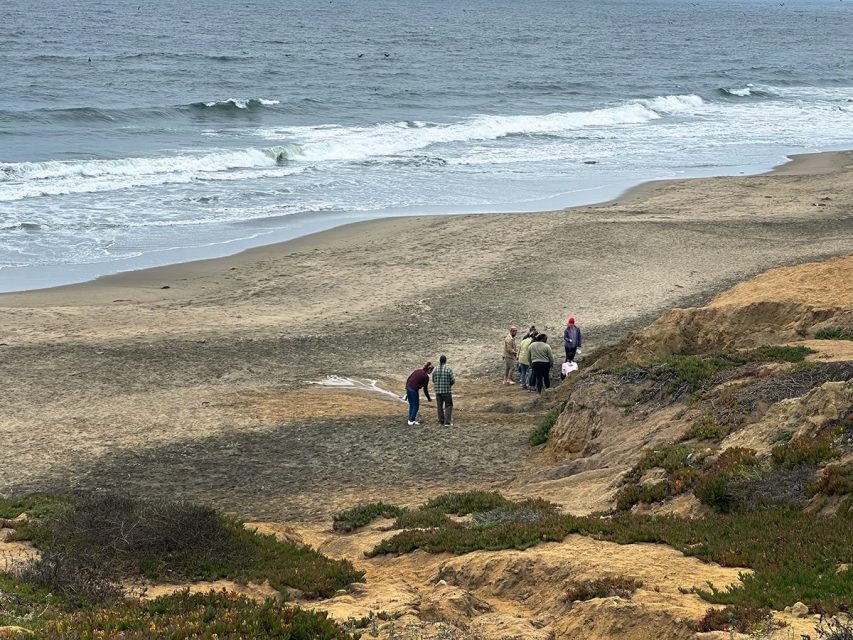
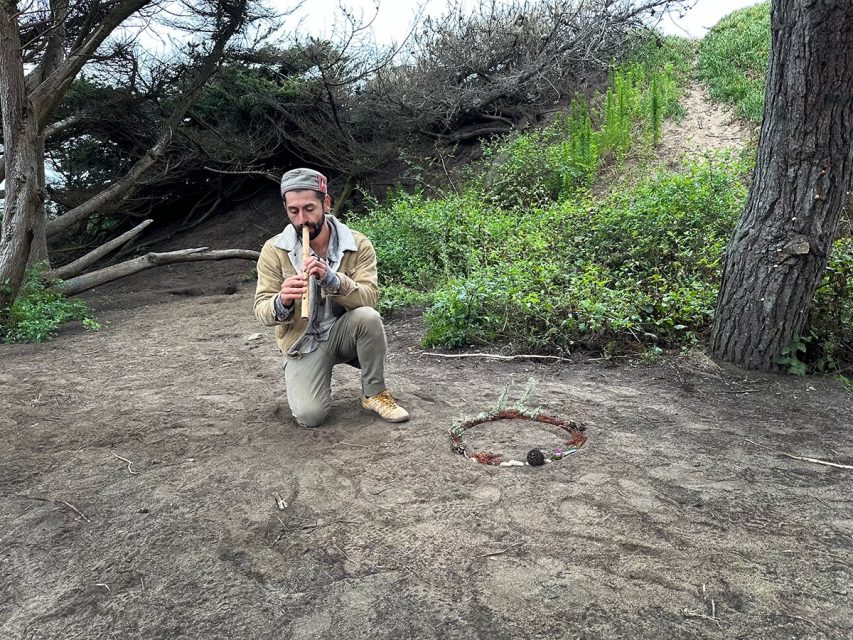
On the way down, Lopez asked that we open our senses and relax. “If you see something symbolic of the little journey, pick it up,” he said. “We’ll use it in a minute.” We came to a clearing and made a circle. Lopez collected all of our walking souvenirs and assembled them in the center of our circle. He handed out four cards, each with a cardinal ordinate and some other words. He played a few notes on a wooden flute and asked that the east card be read. We repeated the process for the west, north and south cards. We were summoning the forces of all the world, Lopez said. At first, I thought the flute and all was a little unusual. Somehow, it wasn’t. The incantations and music were fun. Everyone was smiling and into our adventure. The stage was set for an experience that would be both technical and philosophical. Everyone was up for it.
We spread out our knapsacks and tarps while Lopez explained the object of our search: Wild clay. Why “wild?” I asked. “This clay hasn’t been processed. It didn’t come from a mill. It’s in the wild,” Lopez explained.
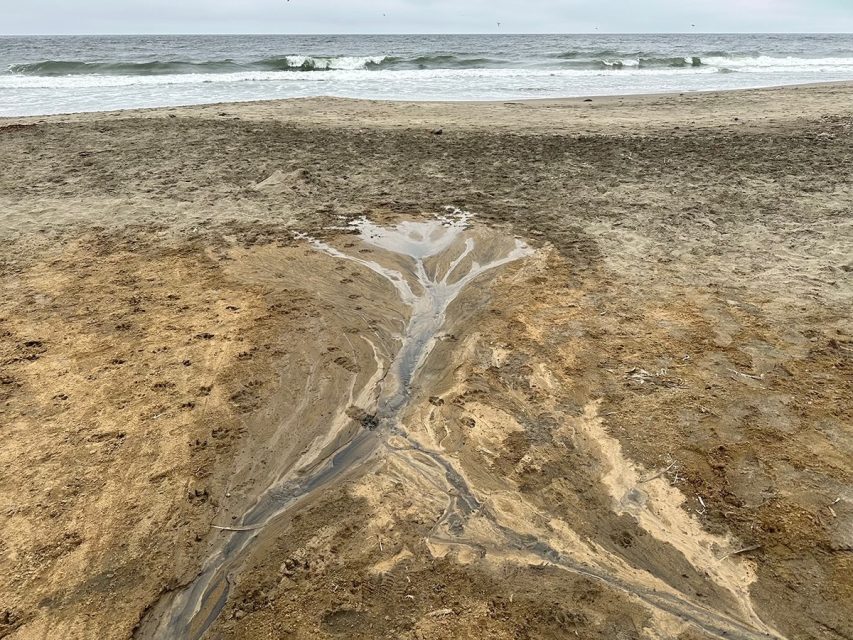
Just above the high-tide mark, we found a spring that ran to the sea. Around the spring was lots of wet clay that was smooth and slippery. Lopez said the wet clay wasn’t our objective; too inconsistent. Dry clay, which we would later pound with rocks to powder and hydrate, was the target. There it was, right next to the spring. We each scooped some up and returned to the staging area.
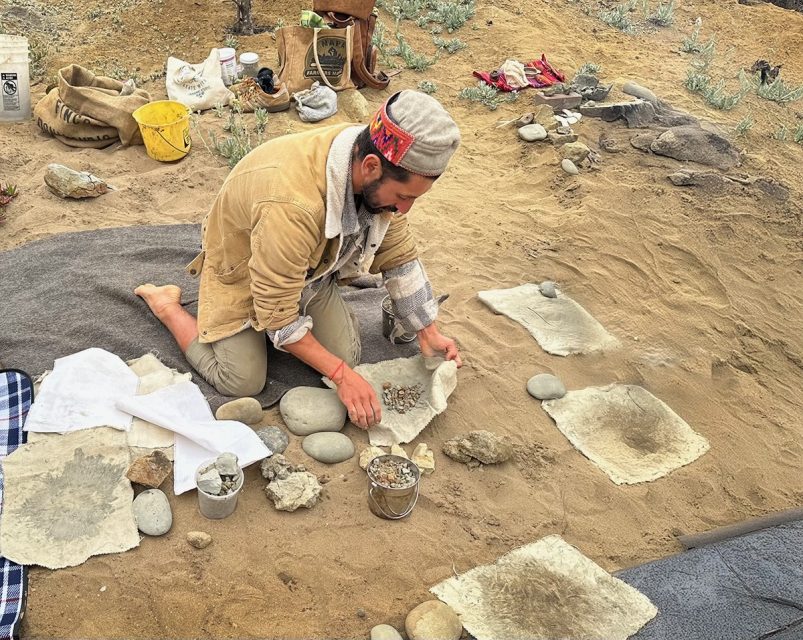
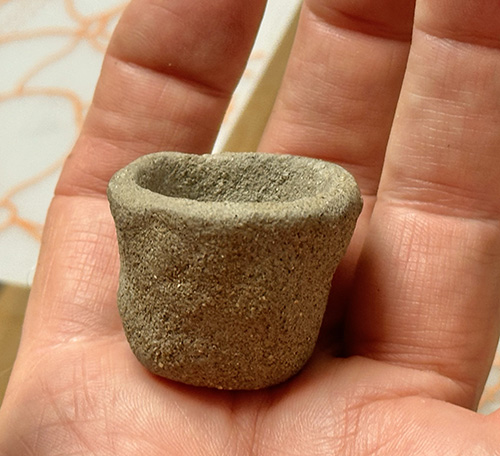
Lopez was joined by his partner, Kelly Ortega. The two of them moved person by person, assuring that the clay was being worked properly. Then we carefully added water, and our very own wild clay emerged. Some made little dishes or funny faces. Everyone ended up with their very own design and an ear-to-ear smile. Ortega said the mindfulness employed in the process is almost more important than finished pottery. Once again, total agreement. For me, that was a pretty low hurdle, as my piece looked like a deer dropping with a thumb depression in the middle. For me, it was art.
As we packed up, Ortega gave us all a fresh flower. She asked that we take it down and throw it into the ocean. “We have taken something from nature, so we must always give her something in return.” As I tossed my flower into the surf, I thought, “Just like you, Mother Nature, I give you the flower, and immediately you gave me a warm heart.”
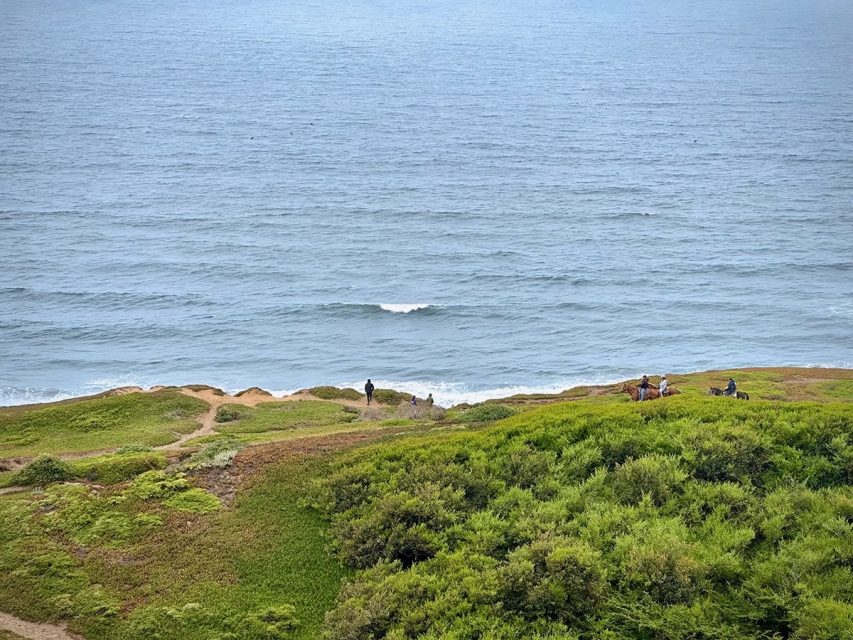
Yeah that beach is dope. Shhh…hardly anyone in ess eff knows about it 😉
Really enjoyed reading this article. Loved the clay foraging class as well, and it was a welcome mindful much-needed break from the normal hustle and bustle of busy city living. We made three little vessels we will be firing soon too! So wonderful you got to experience this with Ivan and Kelly at Artillery, and appreciate you sharing their work and passion with the greater community 🙂
It seems critically important whenever encouraging foraging to talk also about stewardship of the land and resources (beyond the gesture of throwing a picked wildflower into the ocean, which doesn’t really help the land or sea.) Foraging responsibly is very counter-cultural and a beautiful thing to learn about. Everything else about that class sounds amazing.
Is this legal?
Hi Ben, this is an excellent question. Removing things from Beaches is not permitted. The exception, in this case, is for rockhounding and for educational purposes. The limitation is that the volume of clay may not exceed 15lbs. The group took no more than a couple pounds in total. Ivan and Kelley’s focus was teach us the ways native peoples may have created their everyday utensils. Oh yes the statutes prohibit removing items for subsequent sale. As you can see from my tiny vessel’s only value was as a memory of an excellent day with wonderful people. And I learned something.
What happened to going to nature and taking only pictures?
I love photos and especially in nature. My objective is almost always to capture the feeling of the day. I travel to Japan two times a year for a month for each visit. My language skills are limited so it is photos galore. I’ll bet I have well over a thousand curated photos. Photography is a passion please search my MissionLocal submissions they are all photography based. As you can see from this piece I loved the images I got that day. But, the educational experience provided added great depth to the images I captured.