


The recent sharp inflation has brought new entrants to the gig industry, but this brief boom has done little to alleviate existing problems.
Drivers’ dissatisfaction with Uber and Lyft is giving new platforms a chance
Longtime Uber and Lyft drivers are all too familiar with complaints about the platforms, including profits sucked away by the corporates and their uncertain job status. After quarantines slashed demand, many drivers resigned. Consequently, the platforms have had to provide million of dollars in bonuses to entice drivers back.
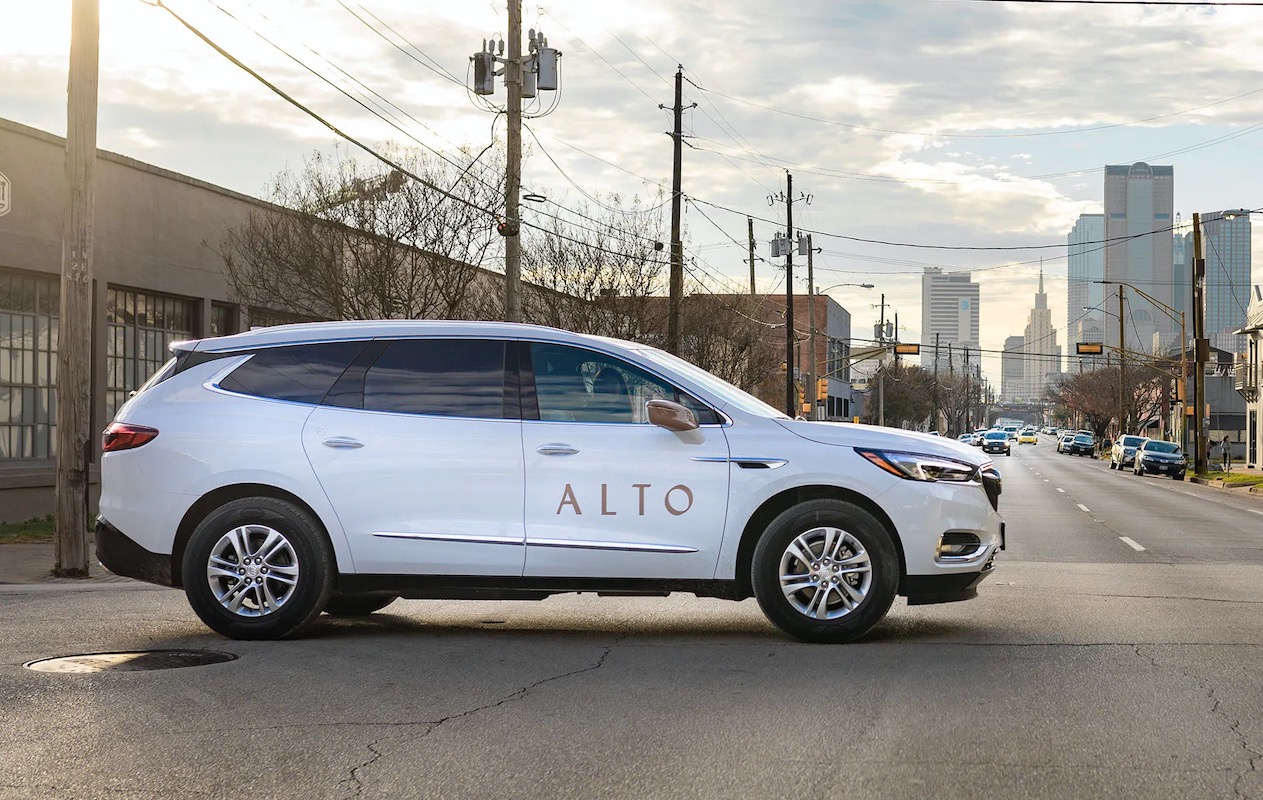
Meanwhile, some start-up ride-hailing apps saw an opportunity. According to Bloomberg, a number of them are challenging Uber and Lyft with the promise of treating drivers better. Austin-based Wridz and Virginia-based Empower give drivers 100 percent of their fares. New York’s The Drivers Cooperative has pledged to share profits. Dallas-based Alto treats drivers as employees and pays annually, and is now offering services in San Francisco as well as Silicon Valley.
Josh Sear, founder of Empower, told Bloomberg, “We just have to find drivers who are Uber and Lyft drivers, who for the most part hate Uber and Lyft, and suggest that they can work for themselves, make more money, be the actual customer, and be listened to and heard.”
Drivers’ discontent gives emerging platforms an advantage, but the legacy startups have some advantages: efficiency in matching riders with drivers, as well as their sheer size.
DoorDash and Walmart part ways
The food delivery industry, too, has been in upheaval. A few days ago, DoorDash reportedly gave Walmart a 30-day notice that the two would officially end their four-year partnership in September. According to Business Insider, DoorDash described their relationship as “no longer mutually beneficial,” and said that it wanted to “focus on its long-term customer relationships.”
Walmart has been building its own delivery platform, Spark, which uses its own database of gig workers to make deliveries. Additionally, it has created the white-label GoLocal delivery service, which will manage last-mile deliveries for other companies.
Instacart, DoorDash’s competitor, continues to offer same-day delivery from Walmart in some areas.
One in five gig workers went hungry because they had no money to buy food
A study released in June provides further evidence for the poor working conditions typically endured by gig workers. Here are two excerpts from this startling study, which was carried out in spring of 2020:
One in five gig workers (19 percent) went hungry due to lack of funds.
Nearly one-third of gig workers did not pay their utility bills in full in the month prior to the survey.
Government data shows huge increase in self-employment
It’s been a challenge to count the number of gig workers, but data from the Bureau of Labor Statistics provides a rare opportunity. The number of people who count themselves as self-employed rose significantly, to almost 11 percent of the 157 million employed workers nationally, from the beginning of 2020 to the beginning of this year.
While the data isn’t conclusive, it’s likely many of these respondents are working in the gig industry.
It’s interesting to see how the ridesharing landscape is evolving with new apps challenging the dominance of Lyft and Uber. It really highlights the importance of innovation and adaptability in the tech world. I’m curious to see how these legacy companies respond to stay competitive!
I am glad to see competition come in that will treat drivers as employees
Driving for Uber/Lyft or delivering for Doordash, etc. would be far better if the drivers could actually be regarded as owners of a small business, able to deduct expenses and invest in assets, but also, able to set rates, market and create relationships with their riders, so they can compete on services, timeliness, rider demographics, etc. (Ex: a focus on the disabled or elderly, marketing to hospitals, convalescent homes, in a well equipped van with drivers trained and able to assist a person from vehicle back into their home etc. vs a focus on cyclists so carrying bike racks, knowing where events start and stop, able to hoist and secure bikes safely, etc.) They can’t do that now, in fact, the algorithms keep a driver from ever seeing the same rider in the future. So what sustainable business are they actually creating?
I’ll stick with the taxi apps and city-registered drivers. Plus getting to take the red-carpet lanes.