


Developments in Development is a “weekly” column recapping real estate, housing, planning, zoning and construction news.
Apparently Bay Area home prices have barreled through yet another record. So reports SFGate, noting this is the fourth straight record-breaking month. This bit stuck out to me in particular:
“… limited supply, especially among lower-price homes, failed to keep up with demand…” Followed by a realtor telling the Chron “…there is a little bit more play in the new-construction market. In any of the resale neighborhoods, there is just no supply.”
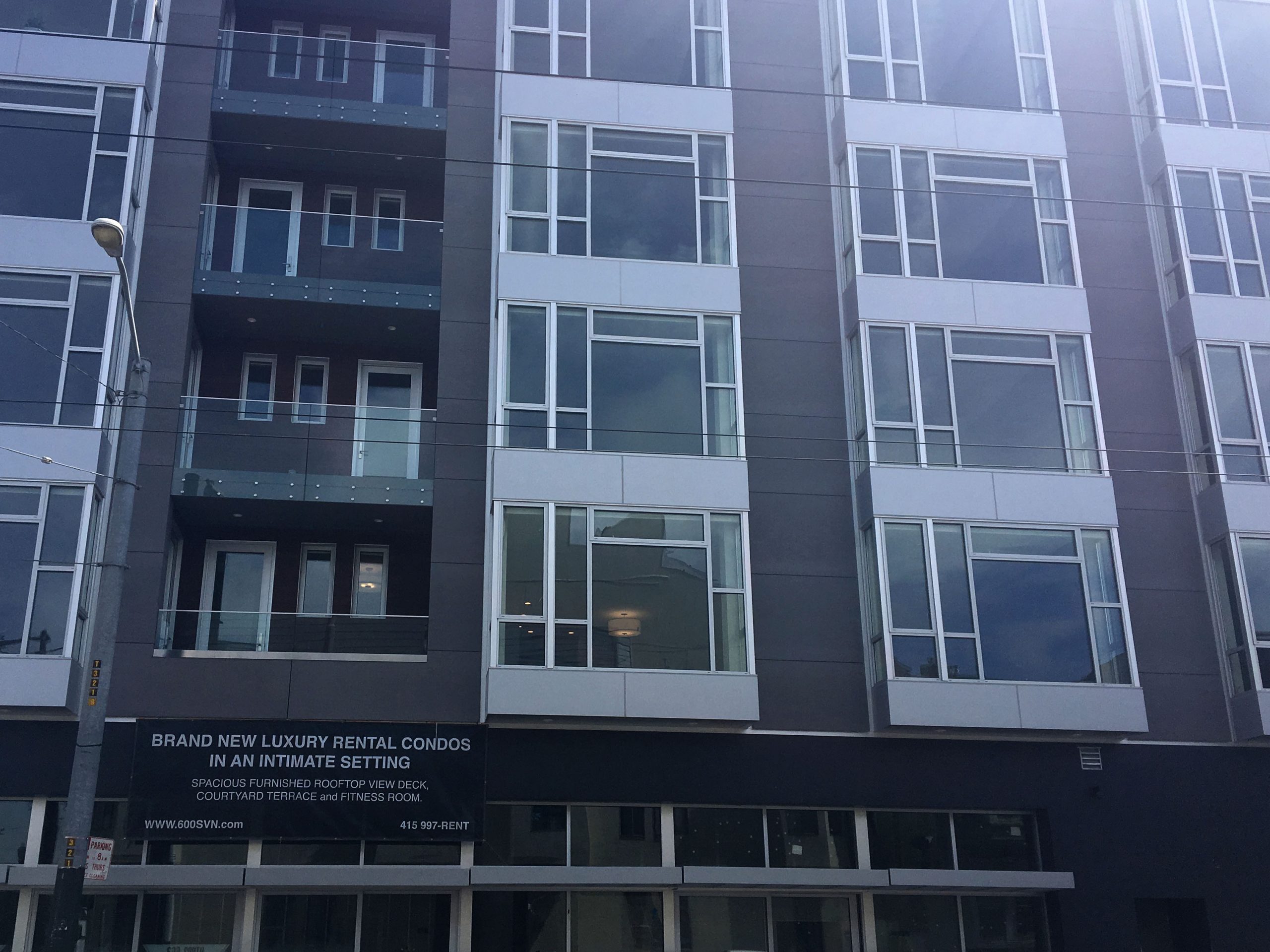
So, the old problem: We’re building stuff, not a whole lot, but it’s either by design luxury or it’s just hard to build homes that are new but low-cost.
Okay, but plenty of people are renters and going to stay that way. Here’s a couple pieces from Curbed on that: Generally speaking rents are dipping (with some exceptions in the suburbs), which could be a temporary result of a pretty significant construction boom last year that has since petered out in San Francisco.
Sure, a veritable deluge of new apartments are ready to be built on paper, but that could take until 2040 according to Curbed. So if there’s, let’s say, roughly a year delay between a flood of new supply and prices appearing to come down, don’t hold your breath for affordable rent. And if the same rule applies to rentals as sales, since the city is still well behind its affordable housing production goal, well, good luck getting into one of those. While the prices are of course kept artificially ‘low’ through the city’s programs, no supply there just increases the competition, which in this case is decided by waitlists and lotteries instead of cash in the bank.
And long-term, San Francisco has added way way way more jobs than housing. Curbed reported on one estimate that had the ratio at 6.8 jobs per new housing unit, but when they did their own calculation based on census data 2010-2015, it was closer to 10 jobs for every new unit. Ouch.
To some degree you have to wonder about the kind of jobs being added, too, and whether those are jobs that allow the workers to live in the same town as their employer. Here’s a must-read from the Guardian about a family living in a garage in Menlo Park with two working parents earning quite good wages who are struggling to make it work.
The garage is attached to a relative’s home, which the relative was able to buy in days gone by with his earnings from landscaping work. Just observing how impossible that feels nowadays makes me believe we are far from out of the woods.
One fun update to finish off this slightly gloomy recap:
Neighborhood favorite Bi-Rite is gearing up to potentially put a cafe at Civic Center. The food and coffee options there at the moment are, um, eclectic, and the plaza is pretty dead most of the time.
It’s a mistake to say that building higher priced housing does not help the housing supply issue in San Francisco. If well-to-do people rent or buy these expensive units, then they won’t be seeking units in more moderate locations. Second, I recently drove around SF’s southeast waterfront, and noticed about ten (or more) city blocks devoted to cement piling, processing, and recycling. This is hardly the highest and best use of this land. A great many housing units could be built on this land. Does anyone know why it isn’t? Thanks
Marc, look up the city’s Southern Bayfront Strategy and the Pier 70, Potrero Power Plant, India Basin, Schlage Lock, and Hunters Point Shipyard projects, to name a few.
The short answer is that there is a lot coming to those areas but it’ll take time. Also, unfortunately a lot of it has been biased toward office space and has added more new jobs than new homes.
I was at a meeting on the Potrero Power Plant redevelopment and asked them to emphasize housing over jobs – that project is still in the early phases so hopefully they’ll listen.
Your are supporting an extremely inefficient approach to addressing market imbalances. By your logic, if we wanted to make entry-level cars more available and affordable, the answer would be to build more Ferraris, which would have a best a remote, marginal impact on prices, and by strangling the supply of lower-priced autos, could even drive those prices up.
You are conflating different, not necessarily-fungible market sectors; the motives for purchase in one are not necessarily the same as those in another. Speculation drives the purchase of many (if not most) Ferraris (and luxury lofts). Conversely, necessity drives the purchase of almost all lower-tier properties.
Building only (or even mostly) luxury lofts is the surest way to make a city even more unaffordable.
“By your logic, if we wanted to make entry-level cars more available and affordable, the answer would be to build more Ferraris”
Your analogy would work if there was some sort of limit on the number of cars being built, which is not the case. If there were only 10,000 entry level cars being built a year, and 100 Ferraris, then sure, building more Ferraris would help because some rich people who wanted Ferraris but didn’t have access to them would buy the entry level cars, denying those with a more moderate salary from getting any car. Building more Ferraris in this case would mean people who could afford a nice car would buy less entry level cars making more available for the masses.
Back to SF, there is a limited supply of housing here. Regardless, a high income person is going to find a place to rent or buy if they choose. With no high end condos to choose from their only option is more moderate units. If there are luxury condos, at least some of those people (those that prefer valet services, swimming pools, etc.) will rent or buy those, reducing the demand on the moderate units.
“You are conflating different, not necessarily-fungible market sectors; the motives for purchase in one are not necessarily the same as those in another. Speculation drives the purchase of many (if not most) Ferraris (and luxury lofts). Conversely, necessity drives the purchase of almost all lower-tier properties.”
I agree that not all housing can be interchanged. Some people will not buy condos because they want to own a home all their own, some people will not buy a SFH because they prefer more modern fire safety, etc. But there certainly are crossovers. People who simply want housing near a location, or at a certain price point and care less if it is a condo or if is a flat in a Victorian.
David,
You can lie to Marc all you want but please don’t lie to yourself. Please stop this nonsense or well be stuck with Trump for a second term.