

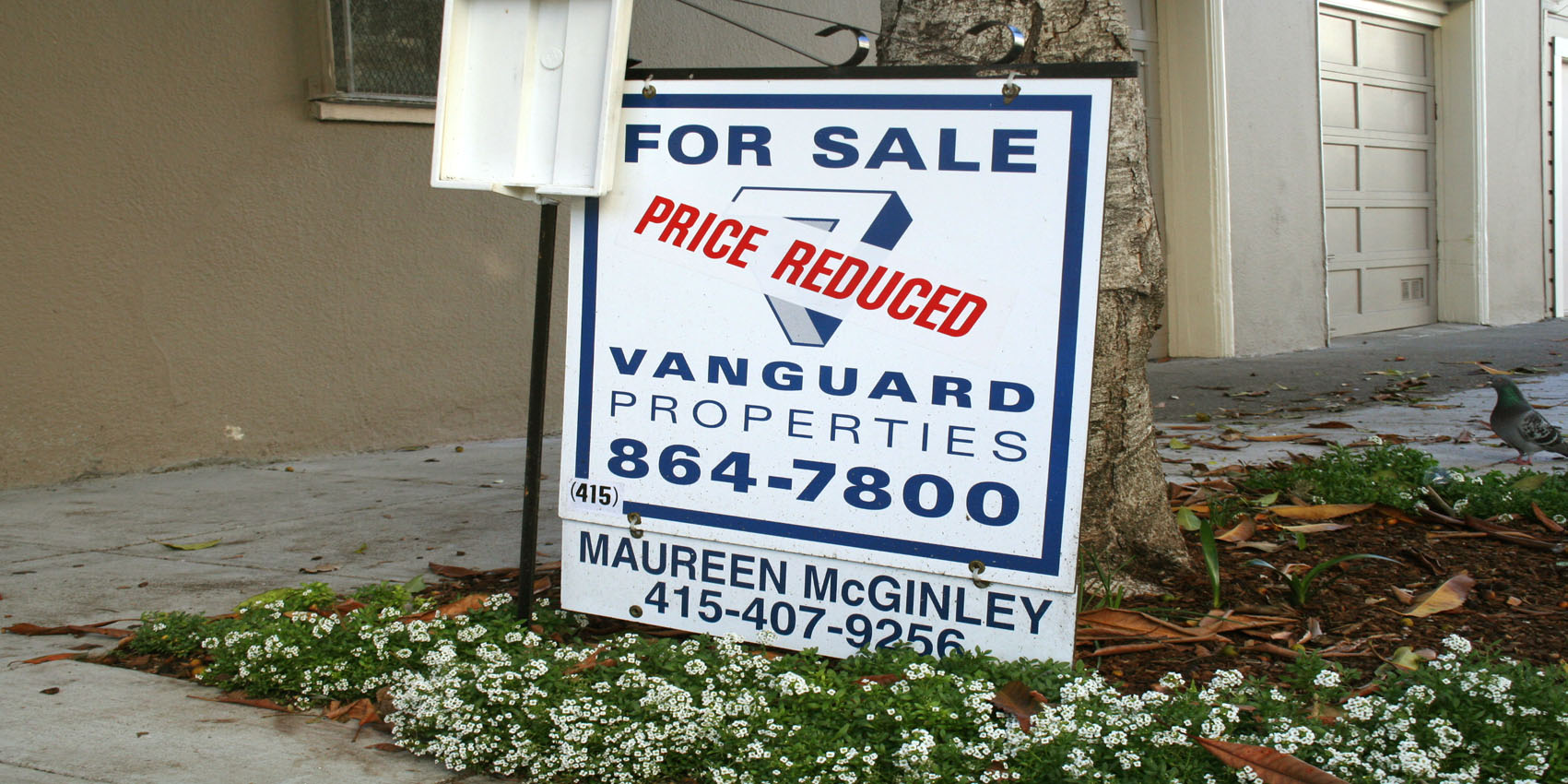

Every time the words “affordable housing” are used in local media, commenters appear and argue about the phrase. Either they’re frustrated that, in a region where someone thinks it’s okay to charge people $800 a night to sleep on the floor, nothing is really “affordable.” Or they’re mad that we use the term in reference to city-administered below-market-rate units with costs subsidized by taxpayer and bond money. (In some cases, as I was reminded this week, very heavily.) Both angles on this usually result in the question: “Affordable to whom?”
Not to teachers, that’s for sure.
At a hearing on Tuesday night, teachers lined up to tell their stories of how far they are being forced to go to make ends meet in the city. And then one city supervisor told teachers in no uncertain terms that new market-rate development in the city isn’t “for them.”
But where’s the housing that is for them? As the San Francisco Chronicle pointed out, housing for teachers has been much ballyhooed for 13 years, and still the earliest any teacher housing might be built is 2022.
I have to wonder if the best argument presented Tuesday night wasn’t this one from the teacher’s union’s president, Lita Blanc:
“The most equitable housing support is a significant across the board raise,” she told the supervisors.
Because these things, whether for teachers or anyone else, take along time. One example: The project at 17th and Folsom streets that was re-approved on Thursday. A neighbor had filed a request for discretionary review. That meant it needed to go back to the Planning Commission, which had already seen it before, as had the Board of Supervisors.
Expedited calendar placement got the hearing on the docket at, relatively speaking, blinding speed, and the hearing itself was equally swift – but that’s still nearly two months down the drain, plus several more if the requestor decides to take it to the Board of Appeals. So buckle up – or, you know, don’t.
Maybe that’s why something like 30 percent of millennials in the Bay Area are still living with their parents. Which is a lower proportion than in some other areas, but consider that this is happening even though they’re the highest paid millennials in the country. Why bother venturing out into this apocalyptic wasteland of renting if you can live in your family and still work? Whether you’re making $30,000 a year or $150,000, it’s no surprise that saving a minimum of $1,000 a month in rent is worth being on permanent tech support duty.
And employers are catching on to the fact that people are starting to see that getting out of this ultra-exclusive paradise is actually appealing. At least, this one company that’s offering people a $10,000 relocation package does – that’s $10K to move out of the Bay Area.
Meanwhile, an appeals court has upheld a previous decision that former Supervisor David Campos’ Ellis Act relocation law went too far. The legislation, which was never enforced, would have charged landlords using the Ellis act to evict all of their building’s tenants up to $50,000 in relocation fees.
On the informal side of the renting world, Airbnb offered up a report this week on its purge of multi-listing hosts – the idea is to crack down on “unhosted” rentals where someone is not sharing their home but rather putting one of their properties up for short-term rent to get better money out of it. SF Weekly reports the homesharing firm has purged more than 900 rentals, but hosts still have a long way to go toward full legalization under the city’s new laws. Fewer than 2,000 of the more than 10,000 listings are through hosts registered with the city.
For those eagerly awaiting infill housing as the answer to our housing crisis prayers, a project near 15th and Mission streets has submitted its application for a building permit. It’s designed to be seven stories tall with 11 units and a commercial ground floor, and demolishes a former auto body shop space.
Does that sound familiar? Because it’s actually not the one that MEDA filed a request for discretionary review against (the same kind that bogged down their own development). This one is less than a block away, at 1924 Mission, and nearly identical in overall scope. No Discretionary Review request has been filed for this one — yet. And the project has been in the Planning process for three years now.
When hasn’t the ever so smarmy, little Davie Compost “gone too far”?
Great to see anything the cancer David Campos inflicted on this city struck down.