

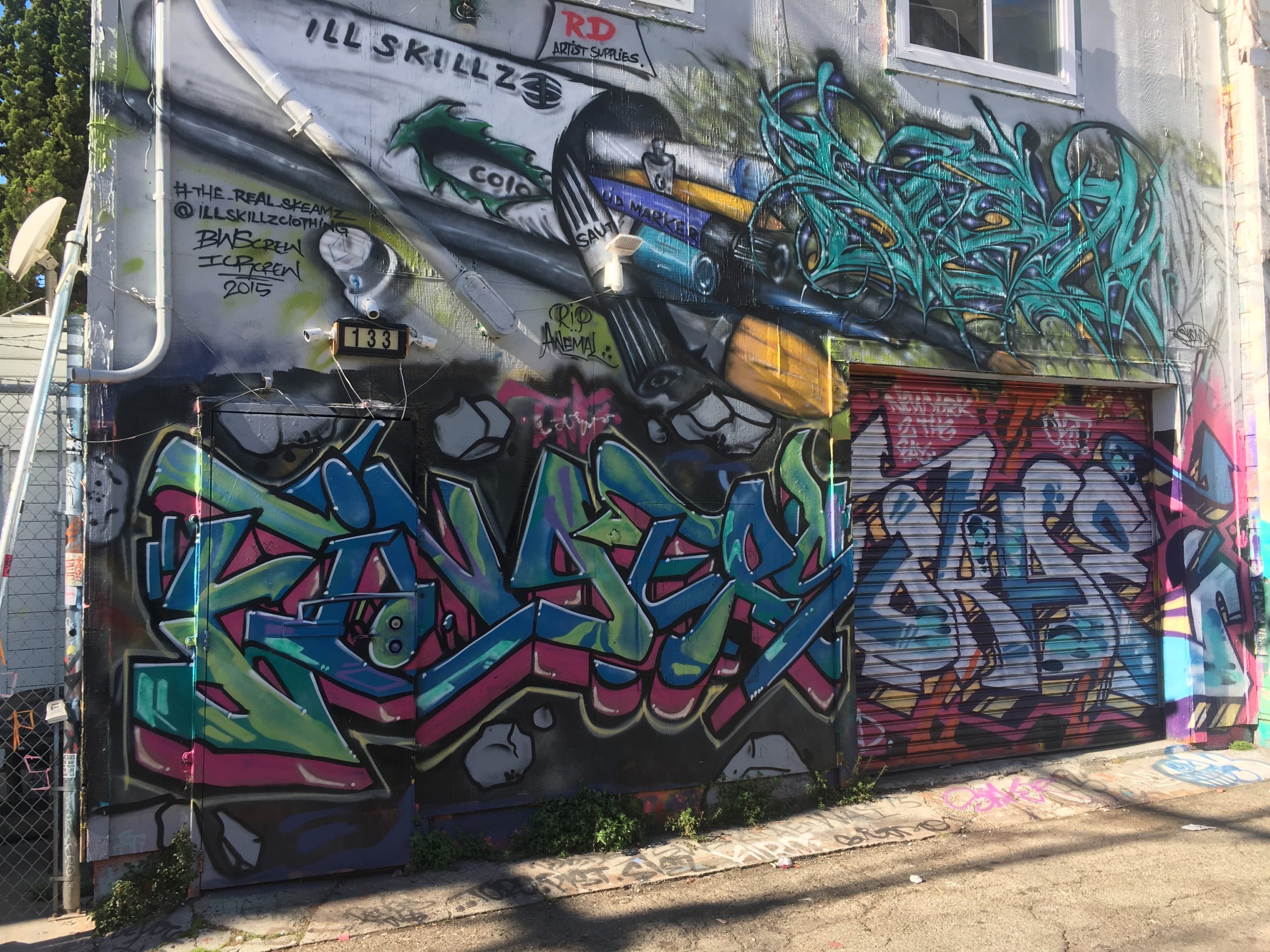

An illegal Mission District gambling den that since 2015 has drawn the ire of neighbors frustrated with noise and violence at the underground establishment has again turned on the party lights, according to one neighbor.
The neighbor alleges drug use, alcohol distribution to minors, illegal gambling and prostitution at an empty storefront at 133 Lilac St., and said police have been slow to intervene in what she described as a public safety concern.
“It’s a night club, they sell drugs, there are a lot of kids there [that are] 15, 16, 17 [years old],” said the neighbor, who reported witnessing fights breaking out in front of the club’s Lilac Street entrance, adding that she and other neighbors feel “unsafe.”
The gambling den first appeared on the Mission Street side of the building in 2015, taking over the empty storefront that once housed the Fizzary. The den became the site of a shooting and prompted persistent calls for service from neighbors, but was seemingly immune to police raids. In 2016, the den was shut down only after its tenants were evicted by the Sheriff’s Department.
But the calm didn’t last long, and the den’s operators have, by the neighbor’s accounts, returned to continue the party.
“Everyday they are making too much noise, there are guys standing are outside and [cars] blocking my drive way,” she said, adding that one of her friends was recently “beat up” after confronting several individuals associated with the gambling den.
The neighbor said she has notified the police on several occasions, even entering the club herself with a friend and capturing video evidence of the clandestine operation. Inside, the woman said she witnessed gambling, illegal alcohol and drug sales, and a back room where she alleges prostitution.
“I saw a lot of money, hundreds on the table,” said the neighbor. “My friend used to work there and she told me that on Wednesdays [the owner] will pick up girls from Capp Street and South Van Ness – They get paid. They have a room. I didn’t go inside but I saw the girls [coming in and out].”
But the woman said her complaints have been to no avail – as of Thursday, the illegal partying continues on most week nights and particularly after 1:30 a.m. on weekends. “I made a few complaints and I know other people did too in the neighborhood– but [the police] don’t do anything. [The club] has cameras so they see when police show up, and they [get] quiet. They are not stupid – they know when police come and they clean up.”
Local police say they are aware of the problem and have visited the property along with a representative of the building’s owner, who could not be reached for comment.
“We did go in there with one of the reps of the owner of the building, who made a complaint. We documented things, took photographs and police reports were written,” said Mission Police Captain Daniel Perea. “The evening we went in there wasn’t any criminal activity that we saw, that we could take action on.”
Perea said that his department is working with the Department of Building Inspections and the City Attorney’s Office to identify code violations and criminal activity in effort to build a case to take action.
“We have arrested people outside [of 133 Lilac] who have warrants or were intoxicated. We don’t know if they were drunk because they were inside that place or just hanging out outside,” he said, adding that he has assigned “a few sergeants to that area on weekends.”
“We’ve heard the complaints and I’ve had officers out there nonstop for last couple of months to try to put a stop to it,” said Perea.
Officer Robert Rueca, public information officer for the San Francisco Police Department, said that he has investigated similar activity while working in the Ingleside neighborhood, and that police crackdowns are dependent on the collaboration of various city departments, the landlord, as well as the local community.
“We have a number of illegal gambling shacks in Ingleside, they are difficult to get rid of,” said Rueca, adding that sometimes the landlords themselves “turn a blind eye” to the happenings inside of their buildings.
Police intervention, he said, is “possible [but] it just takes a lot of documentation” before search warrants can be issued. Simply “showing up” to an establishment where illegal activity is alleged does not guarantee arrests, he said.
“Most of the time, we can’t get a response at the door. You [may] see traffic go in and out, but unless we go inside and witness whats going on…We don’t hammer them from a criminal point of view because a lot of times we can’t get them on criminal charges [if] we don’t witness the activity,” said Rueca.
Instead, officers will “at minimum document” the ongoings and complaints so that “we can build up evidence over time. We present that to the landlord or a number of different agencies in the city we are collaborating with.”
Rueca said the neighbors’ vigilance is a crucial step in the evidence building process. “It looks like they are doing the first steps of trying to organize… really this is the beginning groundwork for organizing the community and making sure they have an understanding of the process of how something like this can fixed.”
“These are dens of bad behavior,” said Rueca. “What that bad behavior extends to we have yet to find out.”
A Party on Lilac from Mission Local on Vimeo.