

This summer, for the first time in San Francisco’s history a police officer used a naloxone rescue kit to save the life of a man overdosing on heroin, police officials said. The June 14 rescue in the Mission was the first result of a program that has trained some 700 officers city-wide to administer a nasal spray that can reverse the deadly effects of an overdose until medical personnel arrive.
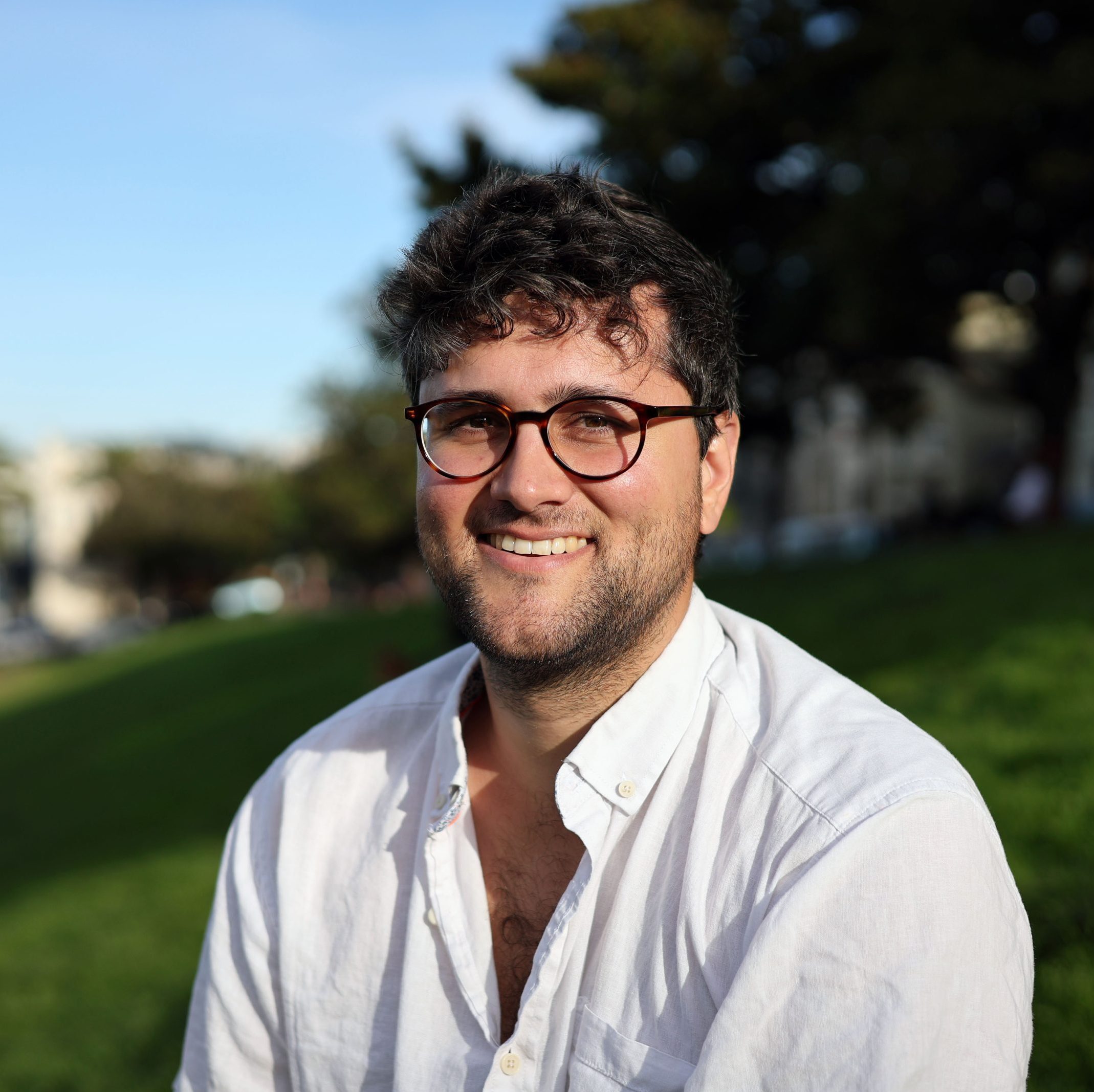
At 5:52 p.m. that day, Officer Mike Mellone responded to a call of a man rolling around in the middle of the street at 16th and Capp and was told by bystanders that he was suffering from an overdose.
“When I arrived, I found this man down on the ground, in the middle of the street, totally unresponsive,” Mellone said. “He was unconscious. Everything that we tried to do to awake him was unsuccessful.”
Mellone had received training in the use of a naloxone nasal spray earlier in the year as part of a program that has equipped every squad car in the Metro Division – which runs from the Mission and Potrero to the Marina and North Beach – with the overdose antidote.
“I put the kit together and I was able to administer the solution,” he said. “Within a few minutes, the person who was previously unconscious and having trouble breathing – I start to see signs that he was coming to.”
Paramedics arrived to take the man to San Francisco General Hospital, where he was later discharged, having fully recovered.
The police department started training and equipping officers in March of this year with the naloxone nasal spray through funding from the Drug Overdose Prevention and Education Project (DOPE) as part of a two-year pilot program. The program currently equips only Metro Division squad cars and has trained some 700 officers, but Police Chief Greg Suhr hopes to expand it city-wide.
“We hope to build upon this success, and following a review of the pilot program, I will recommend that every San Francisco police officer be trained in its use and every SFPD car be equipped with a naloxone kit,” he said in a press release.
The naloxone spray is “almost foolproof” and requires only a two-hour training class, Officer Mellone said. To administer, users assemble the three different parts of the kit and spray half the solution into each nostril. After a few minutes, the patient should be roused.

The move comes amidst a national epidemic in heroin overdose. The Center for Disease Control says heroin deaths have nearly quadrupled in the last 15 years, killing more than 8,000 people annually. Drug overdose is the leading cause of injury-related death in the United States, surpassing automobile accidents and shooting deaths.
But San Francisco has been able to dramatically reduce its incidence of fatal heroin overdose in the same period, from 120 deaths in 2000 to 10 in 2012, despite the fact that heroin use has increased during that time. Judy Martin, the medical director at Substance Use Services in the Department of Public Health, said it’s because of the DOPE project’s efforts in teaching drug users about naloxone and training them in its use that deaths have plummeted, training that now includes police officers.
“Overdoses are preventable, and they’re also reversible,” she said, “and the best place to do it is right when they’re happening, so that the lack of oxygen doesn’t hurt people long term… So first responders notice [how to reverse an overdose] and the drug users in our city also notice.”

In a city with some 13,000 to 16,000 heroin users, training officers with naloxone is critical, Martin said, and Officer Mellone emphasized that the public should not fear arrest or prosecution from the police when reporting an overdose now that “police officers have this tool that could potentially reverse death.”
“On a personal note,” he added, “although a lot of us get into this job to chase bad guys and fight crime, we have a unique opportunity with this kit to really have a direct impact on people that we come into contact with… Every police officer that enters this job wants to save a life, and through something as simple as this, we’re now able to do that.”
Officer Mellone has been recommended for the police department’s “Life Saving Award,” which is awarded to officers whose actions directly result in saving someone’s life.