
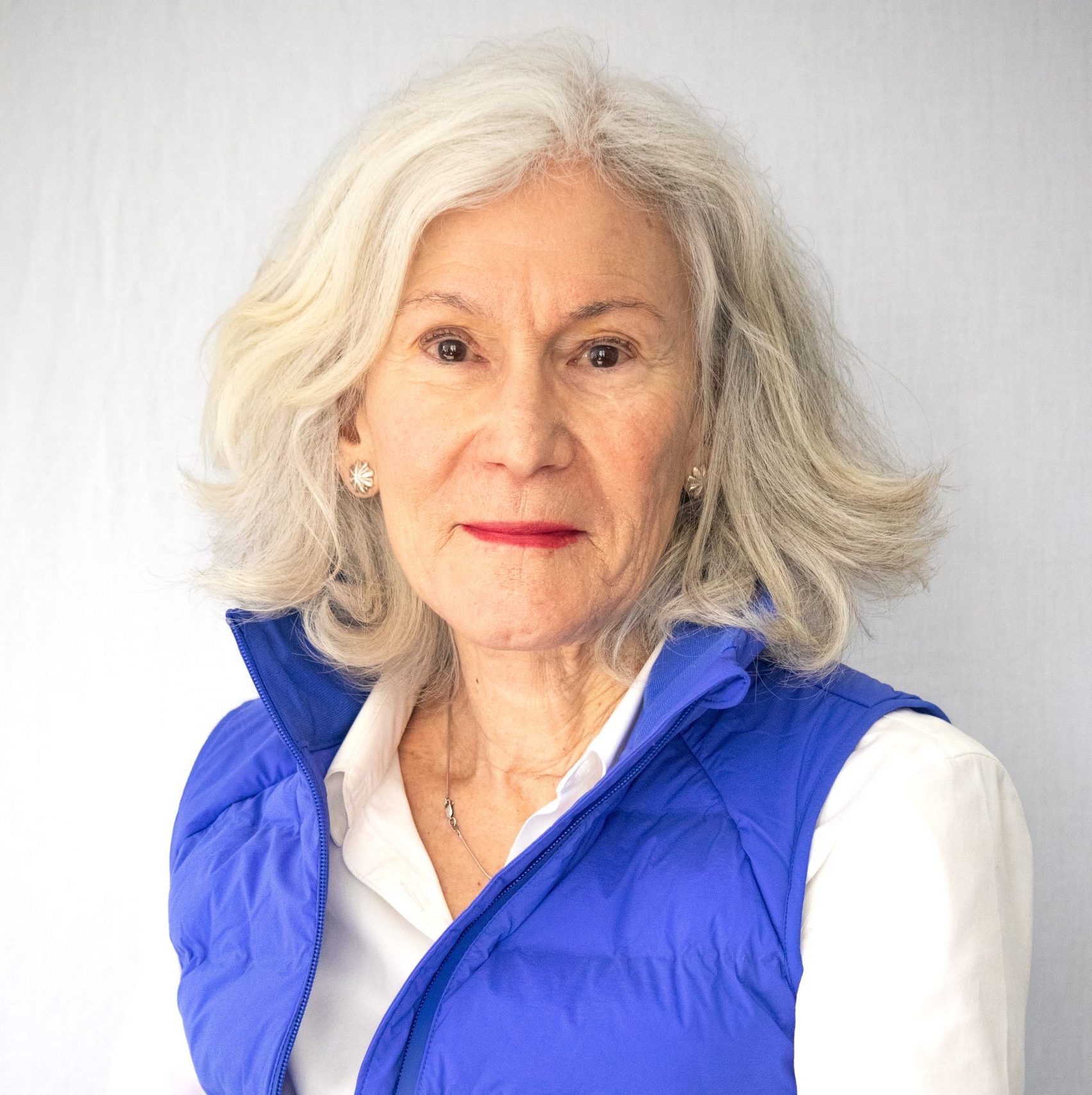
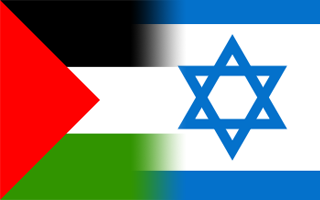
Images of horror awaken Aysha Khalin each morning.
Stories of bombs dropped and lives lost in her native Palestine greet her by telephone each afternoon. But between the time she spends watching the news and calling to check on family and friends, Khalin focuses on the day to day.
She takes orders and rings up customers at the Pay ‘N Save grocery store—on 18th and Guerrero streets—that she and her husband Jamal own. She balances books, manages the money, and ensures the store runs smoothly. She also tends to her six children.
And five times a day, Khalin faces the region where her people are “slaughtered,” and prays to Allah that the killing will cease.
“Twenty-four hours a day we are thinking of the killing, always praying that it will stop,” Khalin said. “We are all so sad. We are crying all the time.”
Khalin moved to San Francisco 35 years ago. Her children were all born here. And while her extended family lives safely in Jerusalem, she has grieved the deaths of the more than 1,300 Gazans that the Gazan Ministry of Health estimates have been killed in the last month.
“We are all one people,” Khalin said of the Palestinians. “We are all one family. When they suffer in Gaza, we all suffer.”
When asked, Khalin declined to say she supported the missile attacks by the Palestinian political group Hamas that Israeli officials said prompted their attack, but she criticized the retaliation as being too harsh.
“No matter what, the Palestinian people do not deserve this,” she said.
It is unclear how many Palestinians live in the Mission, but Souleiman Ghali, who was born in Lebanon to Palestinian parents and is founder of the Islamic Society of San Francisco, said the numbers are increasing.
“The Mission is one of the best neighborhoods in the city for small businesses, and that’s a draw for many immigrants, including Palestinians,” he said.
All Palestinian-Americans, local activists and immigrants said, have been transfixed by the images and stories of extreme violence in their homeland.
Just two blocks from Khalin’s shop, the Answer Coalition hosted an event Thursday night at Centro del Pueblo called, “The U.S.-Backed Israeli War on Gaza: The Real Aims Behind the Media Lies.”
Dr. Jess Ghannam, a Palestinian-American professor of Psychiatry and Global Health Services at the University of California—San Francisco, recounted conversations with friends and colleagues in Palestine and chastised the Western media for offering “horribly inadequate coverage” of the Israeli attacks in Gaza.
“Some people are calling this a war,” Ghannam said. “Make no mistake—this is not a war. This is a brutal genocide. It is an ethnic cleansing.”
He outlined the history of the Israeli-Palestinian conflict, recounting it as a story of “continued and brutal oppression of the Palestinian people.” Of Hamas and its role in the conflict, Ghannam said the United States was to blame.
“When you go on a crusade for democracy,” he said, “you may end up with some democratic governments who are in tune with the people, but who you don’t really like.”
While Ghannam criticized the the American media for focusing too much on the financial crisis and the presidential inauguration rather than Israeli bombings, Khalin said she uses her satellite dish to watch Arab networks Al-Jazeera and Al-Arabiya.
Still, she said, Americans fail to get such coverage.
“They don’t see how the people suffer,” Khalin said of Americans who are unable to watch the Arab networks. “No one understands because no one sees it.”
On Jan. 10, more than a thousand people protested the attacks on Gaza in a downtown San Francisco march that ended at the Civic Center. Mike Harris of San Francisco Voice for Israel participated in a counter-protest with several hundred pro-Israel demonstrators.
Harris said the debate in San Francisco has remained balanced between pro-Israel and pro-Palestinian activists. He said public support for Israel remains strong on both sides of the political aisle, and he pointed to President Barack Obama as a staunch supporter of Israel.
“What is more noticeable now is that the only ones talking about peace between the Israelis and Palestinians are the pro-Israel activists,” Harris said of the way discourse has changed in the weeks since the bombing began. “What we see and hear from the other side [of the Israeli-Palestinian debate] is further encouragement of jihad against Israel.”
But Khalin, standing in her shop preparing to greet the next customer, took a less political approach.
“Please,” she said, “we just want the killing to stop.”
this is a good example of looking at a global issue resonates locally, but it reads like something from the chronicle, black and white, palestinian grocers and jewish counter-demonstrators. is this the mission? beyond the obvious that not all palestinians own corner stores, aren’t there many jews in the district who are very sympathetic to the palestinian national aspirations, and many palestinians who support a two-state solution? were there jews at the answer forum? are there other organizations active in the mission, religious institutions, that are active on this issue?